
Think your cat has hunting prowess like a lion in the wild? You might be surprised! Training your cat to hunt mice isn't as simple as flipping a switch, but it's possible with a bit of patience and the right approach positive reinforcement.
Cats are natural hunters, yet many have lost touch with this skill and need a gentle nudge to get back on track. By engaging their predatory instincts through play, you can turn your feline into a skilled mouser. Ready for the challenge? Let's bring out your cat's inner hunter and keep mice at bay!
How to Train a Cat to Hunt Mice: Step-by-Step Guide
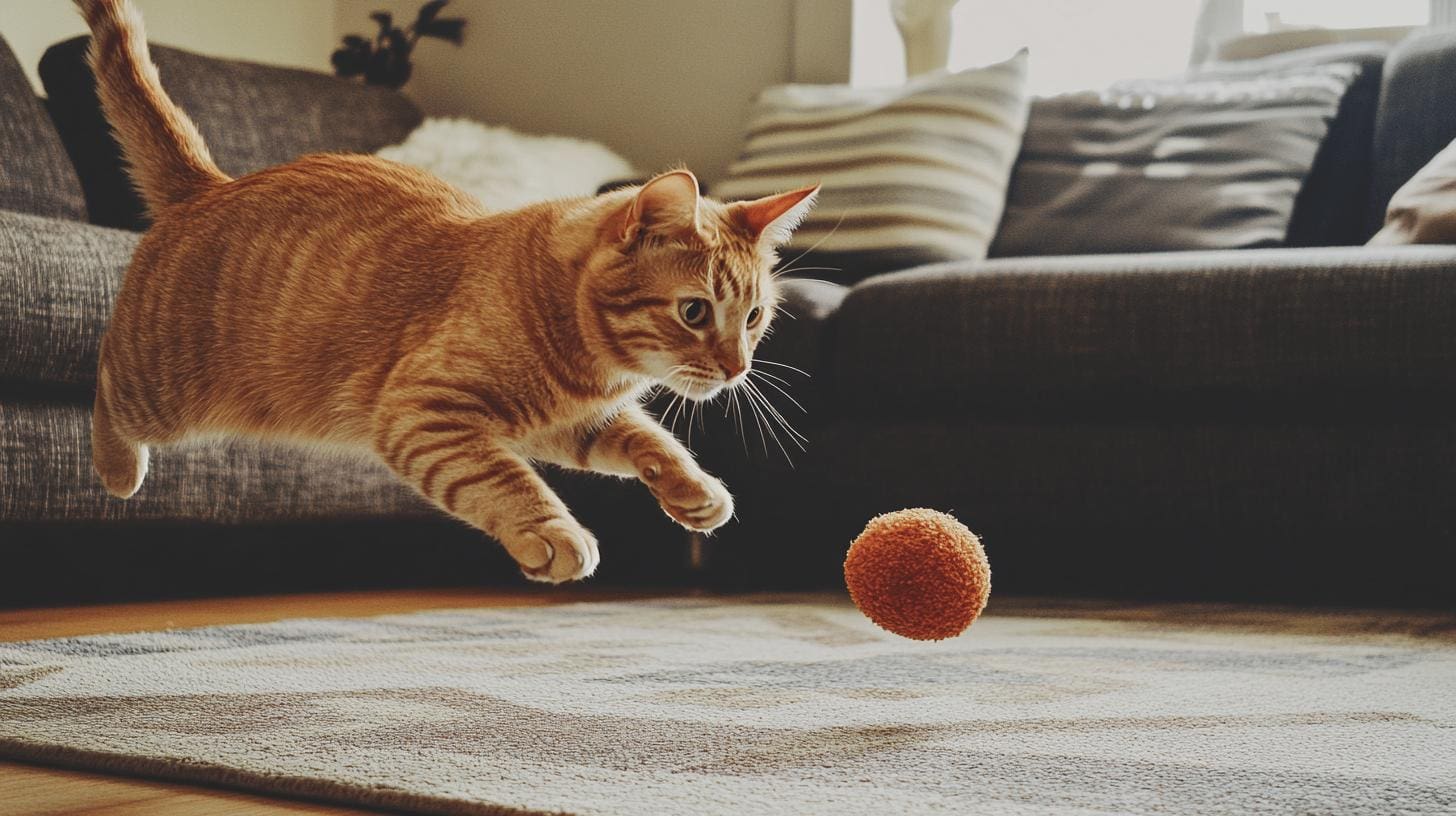
Interactive play and positive reinforcement are key to training a cat to hunt mice effectively. Start by engaging your cat with toys that mimic prey.
These toys will stimulate their natural hunting instincts. Here are some steps to guide you:
- Use Interactive Toys: Choose toys like feather wands or laser pointers to encourage pouncing and chasing.
- Simulate Prey: Drag a toy mouse across the floor and let your cat stalk it. Move it unpredictably to mimic real mouse movements.
- Positive Reinforcement: Reward your cat with treats or affection when they successfully catch the toy.
- Regular Play Sessions: Dedicate time daily for hunting games to keep your cat's skills sharp.
Cats are born with hunting instincts, though some are naturally better mousers than others. Recognizing these instincts early, especially in kittens, matters because young cats are in their prime stage for developing speed and skill.
Encouraging these instincts is crucial:
- Observe Behavior: Notice if your cat shows interest in moving objects or chases small insects.
- Provide Opportunities: Let them explore areas with potential prey under supervision.
- Encourage Natural Behavior: Allow them to express their instincts freely in a safe environment.
Patience is essential because training takes time and not every cat will become a proficient mouser. Accept your cat's natural limits with realistic expectations.
Some cats might never develop a strong prey drive, and that's okay. The goal is to enhance their natural instincts. Remember, a well-fed cat is more motivated to play, not necessarily to hunt out of hunger.
The Role of Mentorship in Cat Training
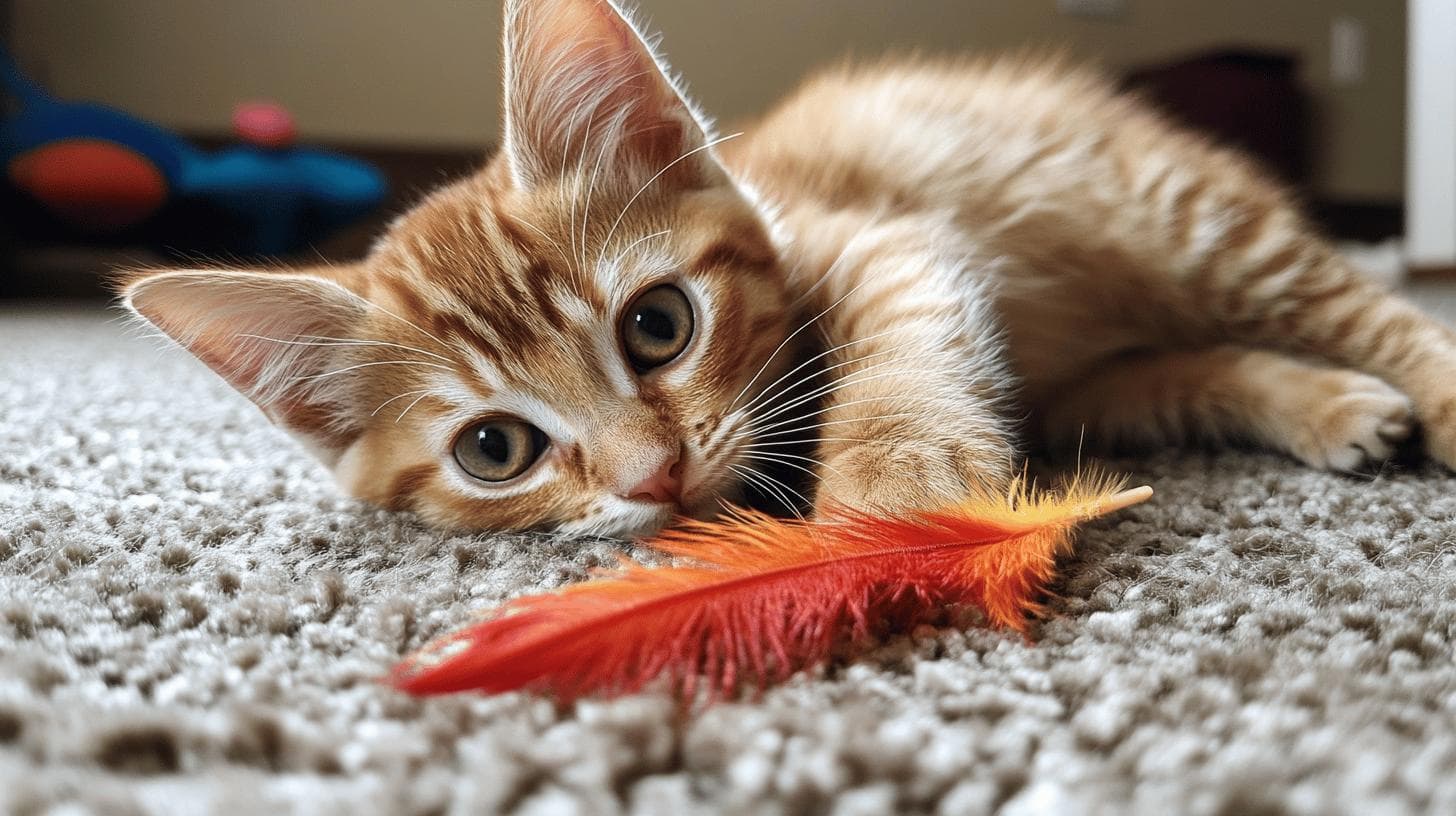
Experienced cats can guide younger ones: a mentor cat demonstrates hunting techniques, and watching a seasoned mouser helps young cats learn through observation.
Female cats often excel at teaching these skills, naturally guiding their kittens through hunting behaviors.
If you have a skilled mouser, let the young cat observe. This mentorship is crucial for developing hunting instincts.
Incorporating mentorship into play enhances skill development and makes training more effective by leveraging natural cat behavior.
Psychological Benefits of Play for Cats
Playing offers far more than physical exercise, providing mental stimulation and stress reduction that result in happier, more balanced cats overall.
Engaged cats are happier and healthier. Interactive play boosts confidence and prevents boredom, which directly contributes to a cat’s overall well-being. Use different toys to keep things fresh and changing play routines to challenge cats mentally.
Novel Training Techniques and Toys
Try new puzzle feeders and novel toys that stimulate problem-solving skills and keep your cat mentally engaged.
Introduce clicker training for positive reinforcement, use scent trails to mimic prey paths, and switch toys regularly to maintain interest and keep playtime varied enough to sharpen your cat’s skills over time.
Safety Precautions and Ethical Considerations
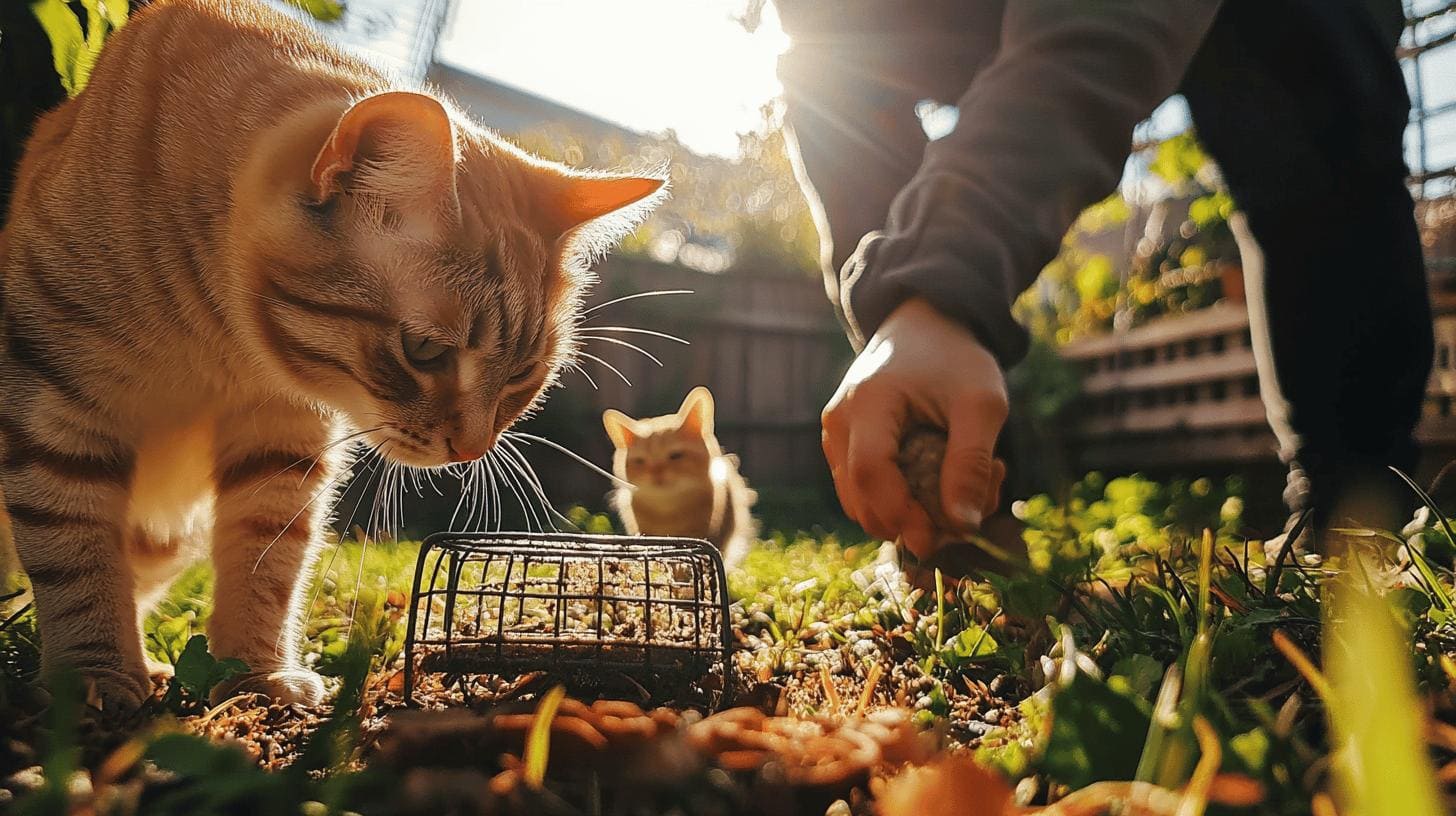
Always prioritize safety when training cats to hunt mice. Remove any rodent poisons or traps from your cat’s environment, as these could cause serious harm. Use safe and humane traps instead. This ensures your pet's safety while maintaining a rodent-free home.
Always consider the ethical dimension of training cats. While cats naturally have hunting instincts, enhancing those instincts should never lead to unnecessary harm to other animals. Focus on training approaches that align with responsible, compassionate pet ownership.
For severe infestations, do not rely solely on your cat. Professional pest control services offer solutions that are both effective and humane. This approach balances your cat's natural abilities with expert help for effective pest management.
Final Words
Training a cat to hunt mice taps into their natural instincts and can be quite rewarding.
Starting with simple training techniques like interactive toys and prey simulation helps in channeling their inherent hunting skills.
Understanding your cat's behavior and utilizing playtime can enhance these natural predatory instincts.
It's crucial to consider safety and ethical practices while training.
While not every cat can become a skilled hunter, nurturing these instincts with patience and positivity can improve their skills.
Remember, the journey is as enjoyable as the outcome.
Natural Hunting Instincts: Channeling Predatory Drive Into Enriching Play
Your cat descends from African wildcats, Felis silvestris lybica, specialized hunters with finely-tuned predatory instincts. Even domesticated cats retain these drives completely intact. Your cat and their wild ancestor share the same hunting instinct. Domestication changed the context, not the drive. Domestication channels predatory behavior toward enrichment and play rather than survival.
Hunting play serves multiple developmental and psychological purposes by exercising both mind and body, maintaining muscle tone and cardiovascular health, and providing mental stimulation and challenge that prevents boredom and behavioral problems. It allows cats to satisfy deep evolutionary drives within safe, controlled environments. Most importantly, it strengthens the bond between cat and owner through cooperative, engaging interaction.
The distinction between ethical enrichment through hunting play and actual hunting matters profoundly. Bringing live prey home causes suffering and contradicts modern cat care standards. Hunting play simulations provide identical behavioral satisfaction, including the stalking, pouncing, and “capture” of prey-simulation toys, while eliminating animal suffering entirely. Your cat’s brain doesn’t distinguish between successfully hunting a feather wand’s “bird” and a real bird. The enrichment value is identical; the ethical cost is zero.