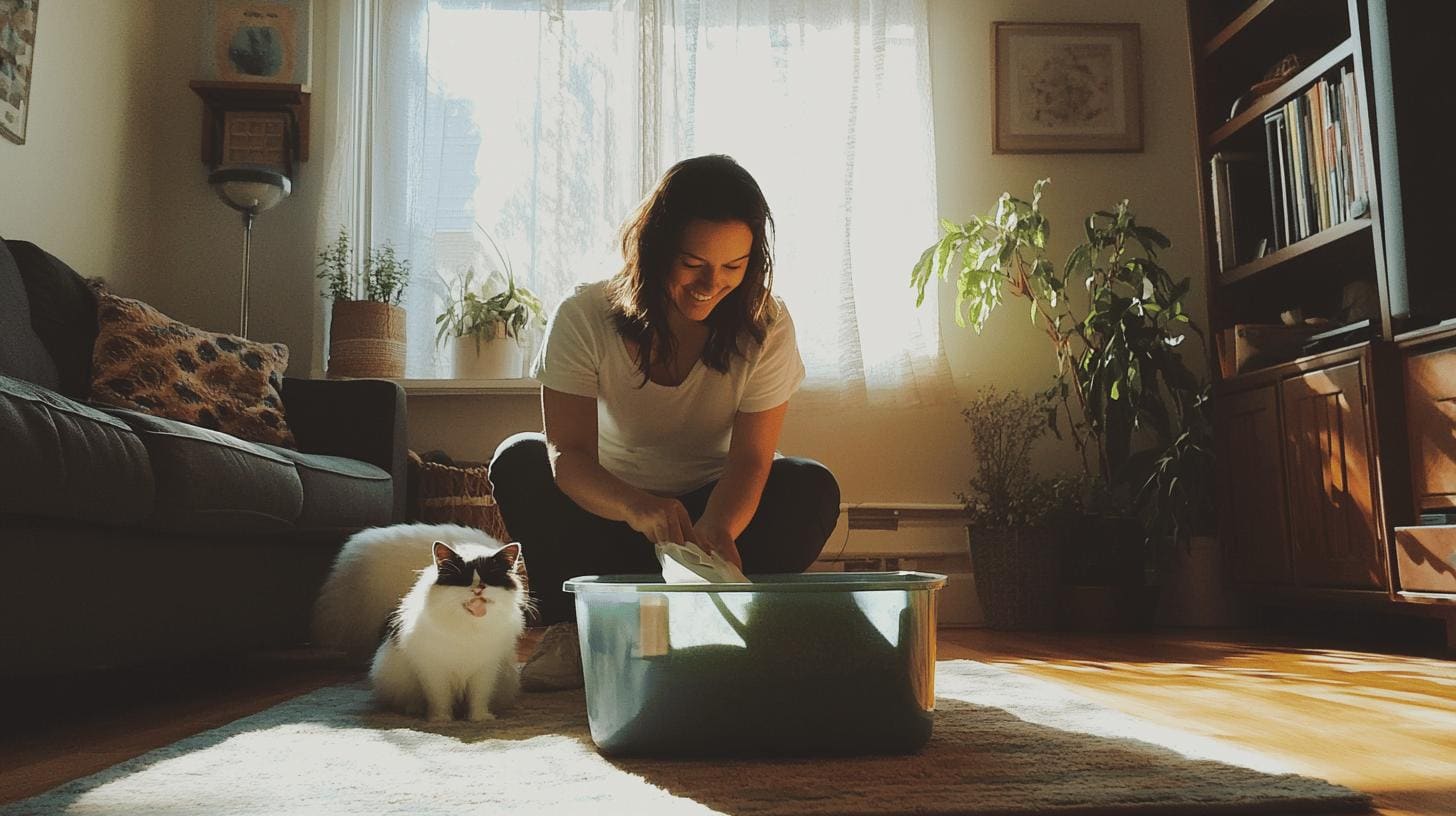
Ever wondered why your cat refuses to use the litter box, even though she's the cleanest pet in the house? Training your cat to use a litter box can be easier than you think. Start by picking the right box and gradually introducing it to her routine.
In this guide, I'll show you simple steps to help your feline friend feel right at home with her litter box. With patience and the right approach, your cat will happily and confidently use her new indoor bathroom. Let’s make the transition smooth and stress-free.
Step-by-Step Guide to Train a Cat to Use a Litter Box
-
Choose the Right Litter Box and Litter
Select a litter box that fits your cat's size and preferences. An uncovered box can be more inviting, especially for cats used to outdoor spaces. Use a litter that mimics outdoor textures like sand.
-
Introduce the Litter Box Gradually
Place the litter box near your cat's usual exit door. This helps her associate it with her routine. Let her sniff and explore the box on her own terms.
-
Encourage Exploration After Meals
Gently place your cat in the litter box after meals or when she usually goes outside. Don't force her, as this might cause stress.
-
Use Positive Reinforcement
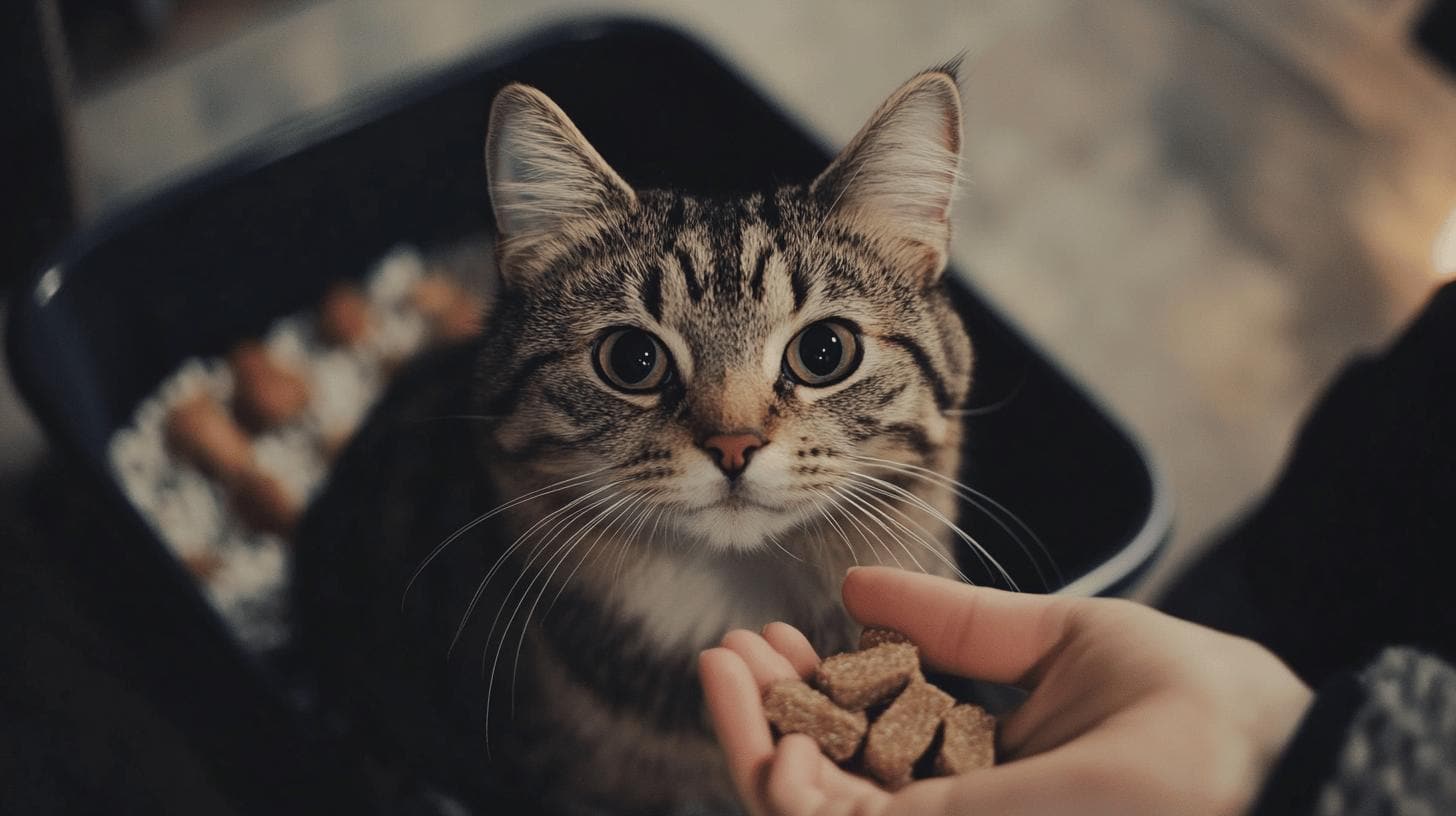
Reward your cat with treats and praise when she uses the litter box correctly. This reinforces good behavior and makes her feel comfortable.
-
Monitor and Adjust as Needed
Keep an eye on your cat's behavior. If she seems reluctant, try adding a small amount of soil from her outdoor spot to the litter for familiarity.
-
Be Patient and Consistent
Training takes time, especially for older cats. Consistency in your approach will help your cat adjust to her new bathroom routine.
-
Consult a Veterinarian if Necessary
If your cat refuses the litter box or shows signs of distress, seek advice from a vet. Underlying health issues might be the cause.
By following these steps, you'll create a welcoming environment for your cat, making litter box training a smoother process.
Understanding Cat Behavior and Addressing Litter Box Aversion
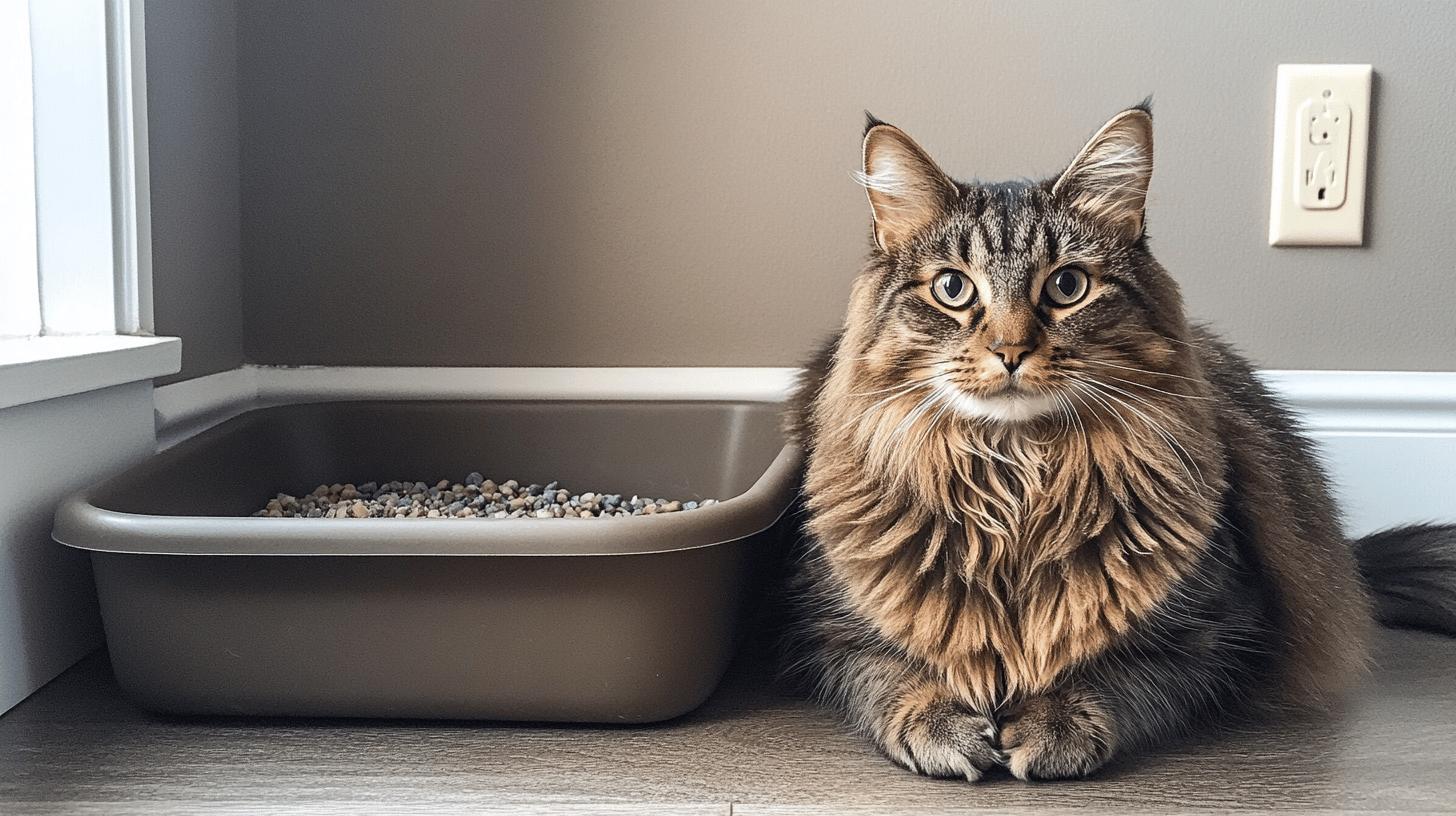
Why do cats avoid the litter box?
Cats might avoid the litter box for several reasons: stress, discomfort, or health issues.
Understanding these reasons helps us address the problem effectively.
Cats are naturally clean animals. They prefer a tidy spot to do their business. If the litter box isn't clean, they might look for another place.
Also, a new pet or change in household routine can cause stress, leading to litter box avoidance.
Consistency in training is crucial. If you change the location of the litter box too often, it can confuse your cat.
Keep the box in a quiet, familiar place and stick to regular cleaning.
Watch for cues from your cat. If she scratches around the box but doesn't use it, it might be too dirty or have a scent she dislikes.
Cats are sensitive to smells and textures, so finding the right litter can make a difference.
If your cat starts avoiding the litter box, consider these solutions:
-
Check for Health Issues
Take your cat to the vet if she suddenly refuses the box. Infections or other health problems could be the cause.
-
Ensure Litter Box Accessibility
Make sure the litter box is easy for your cat to access. If it's too high or difficult to reach, your cat might not use it.
-
Choose the Right Litter
Experiment with different types of litter to find one your cat likes. Some cats prefer unscented or softer textures.
-
Provide Multiple Litter Boxes
In a multi-cat household, having several boxes can prevent territorial disputes and promote use.
-
Reduce Stress
Create a calm environment for your cat. Provide hiding spots or high perches to help her feel secure.
Never punish your cat for not using the litter box. This can increase stress and worsen the problem.
Positive reinforcement, like treats and praise, works better to encourage proper use.
Retraining can take time, so be patient. By understanding your cat's behavior and addressing her needs, you can successfully guide her back to the litter box.
Choosing the Right Litter Box and Litter
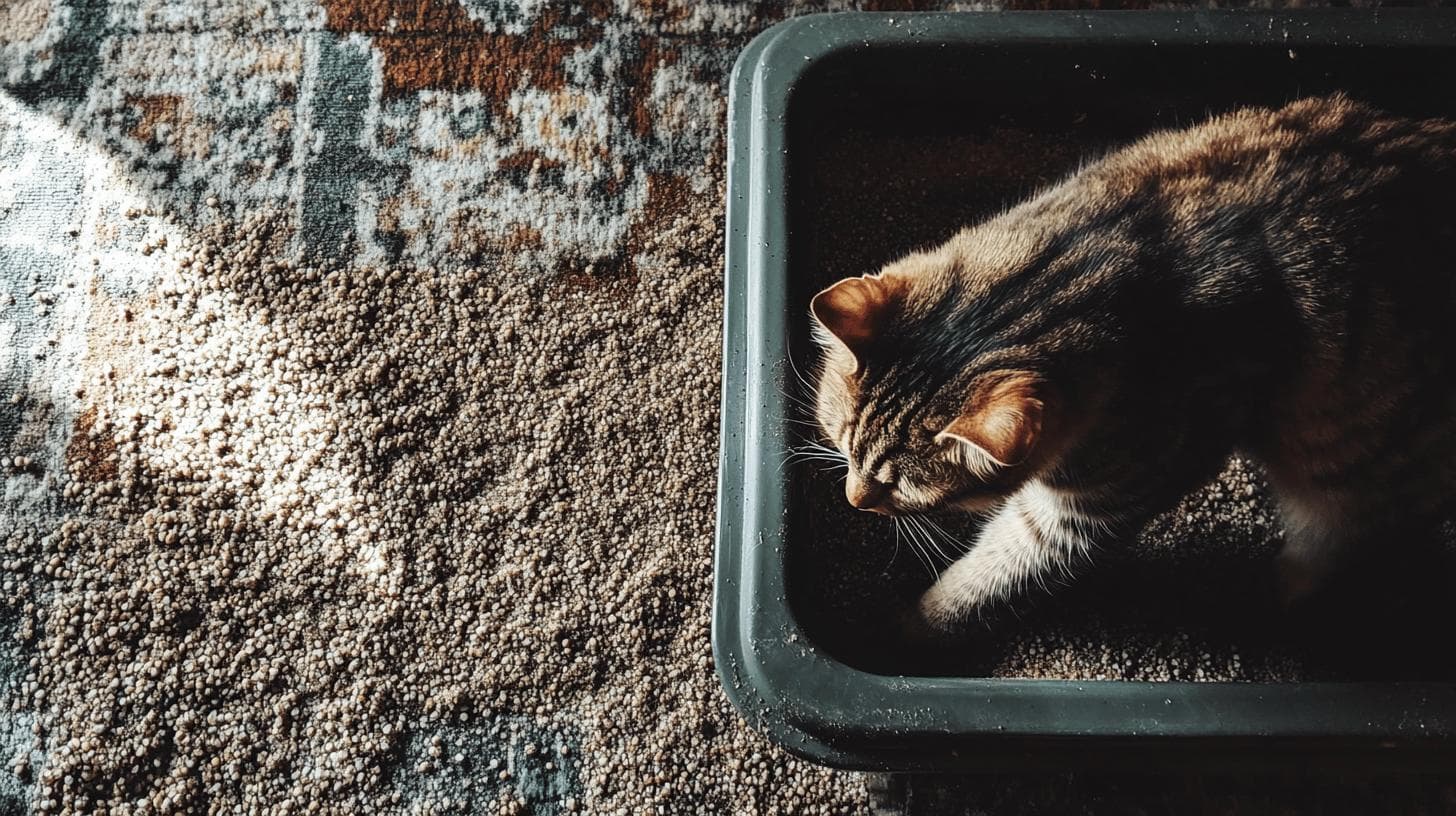
Pick a litter box that fits your cat and her habits.
For outdoor-loving cats, an uncovered box feels familiar. It makes the transition easier.
Covered boxes help with privacy and odor, but they can feel tight for some cats.
The box should allow your cat to turn and dig comfortably.
Kittens need low sides for easy access. As they grow, switch to a bigger box.
An adult cat needs a box 1.5 times her body length for enough room.
Rectangular boxes suit most cats.
If space is limited, a corner box works well. Match the shape to your cat's movements.
Use litter like sand or natural clumping to mimic outdoor textures.
Unscented and soft litter feels best for sensitive paws.
Try different types to find what your cat likes.
Place the litter box in a quiet spot.
Cats like privacy away from noise.
Mix new litter with old to help your cat adjust smoothly.