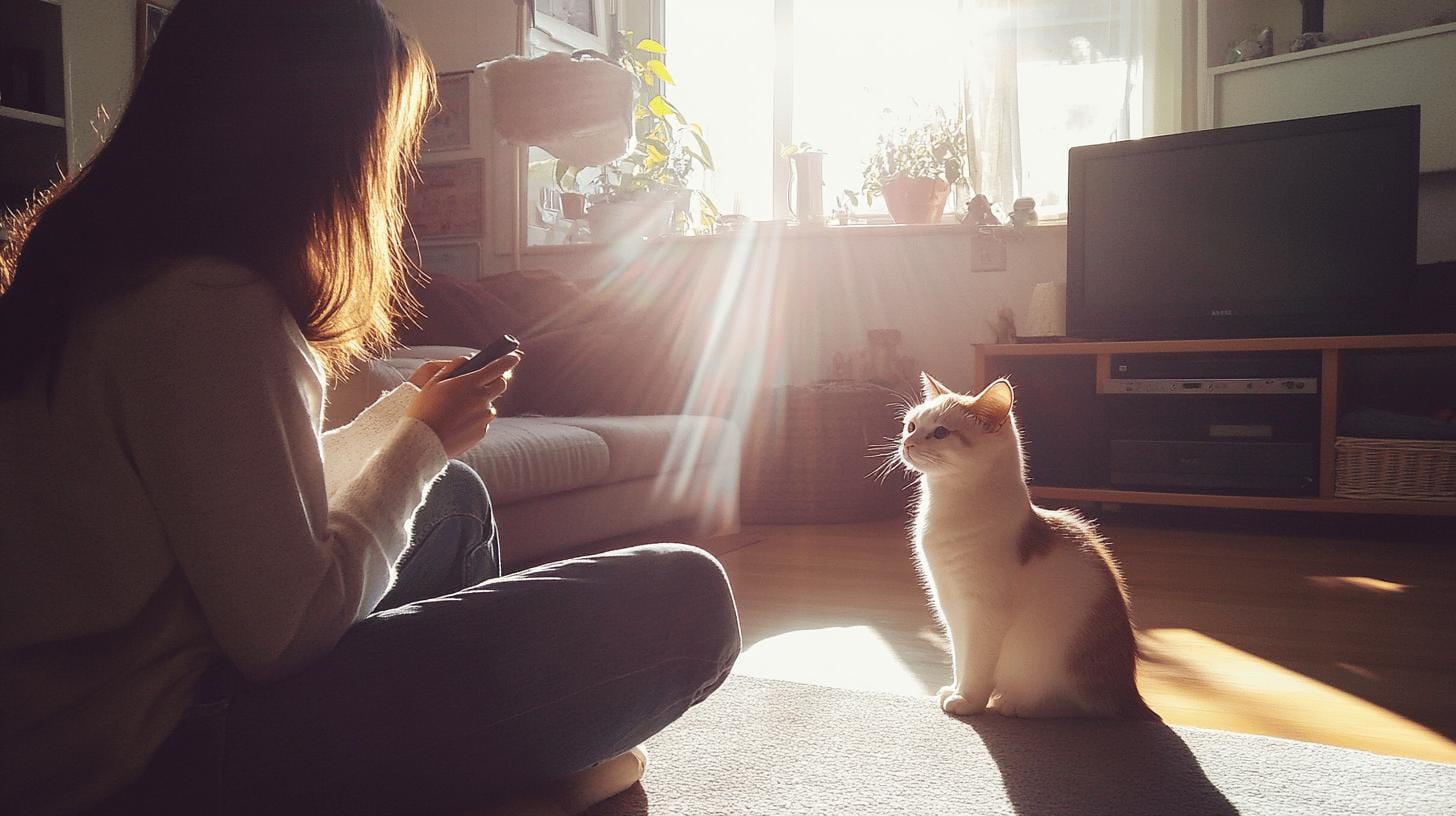
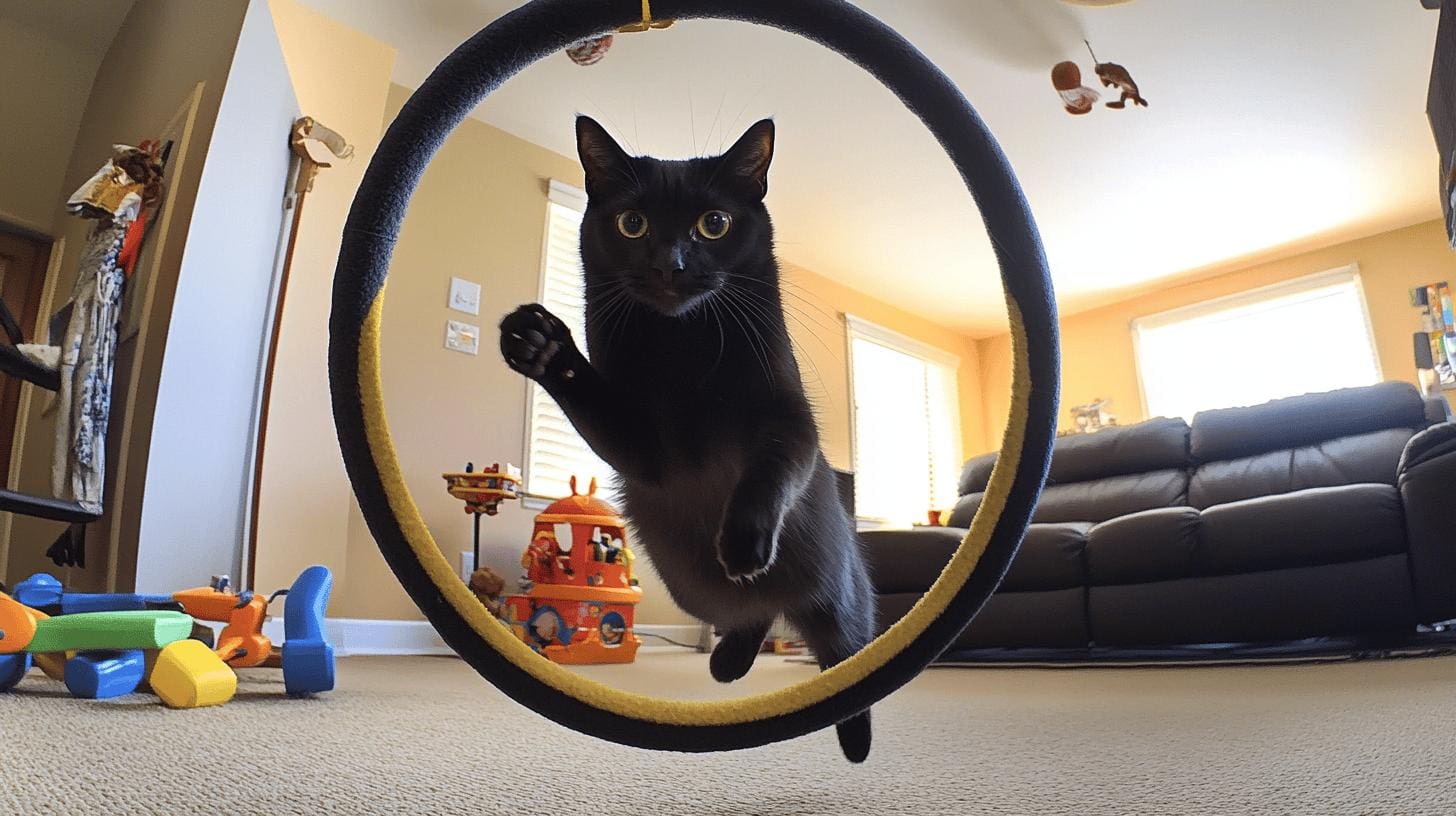
Think training a cat is impossible? Think again! With a clicker, you can teach your feline friend new tricks with ease. A clicker is a small device that makes a “click” sound. Each click tells your cat it’s done something right, and a reward is coming.
This method makes learning fun and helps cats become better listeners. Plus, clicker training builds a stronger bond between you and your cat. Let’s dive into the world of clicker training and see how it can transform your cat’s behavior!
Understanding the Basics of Clicker Training for Cats
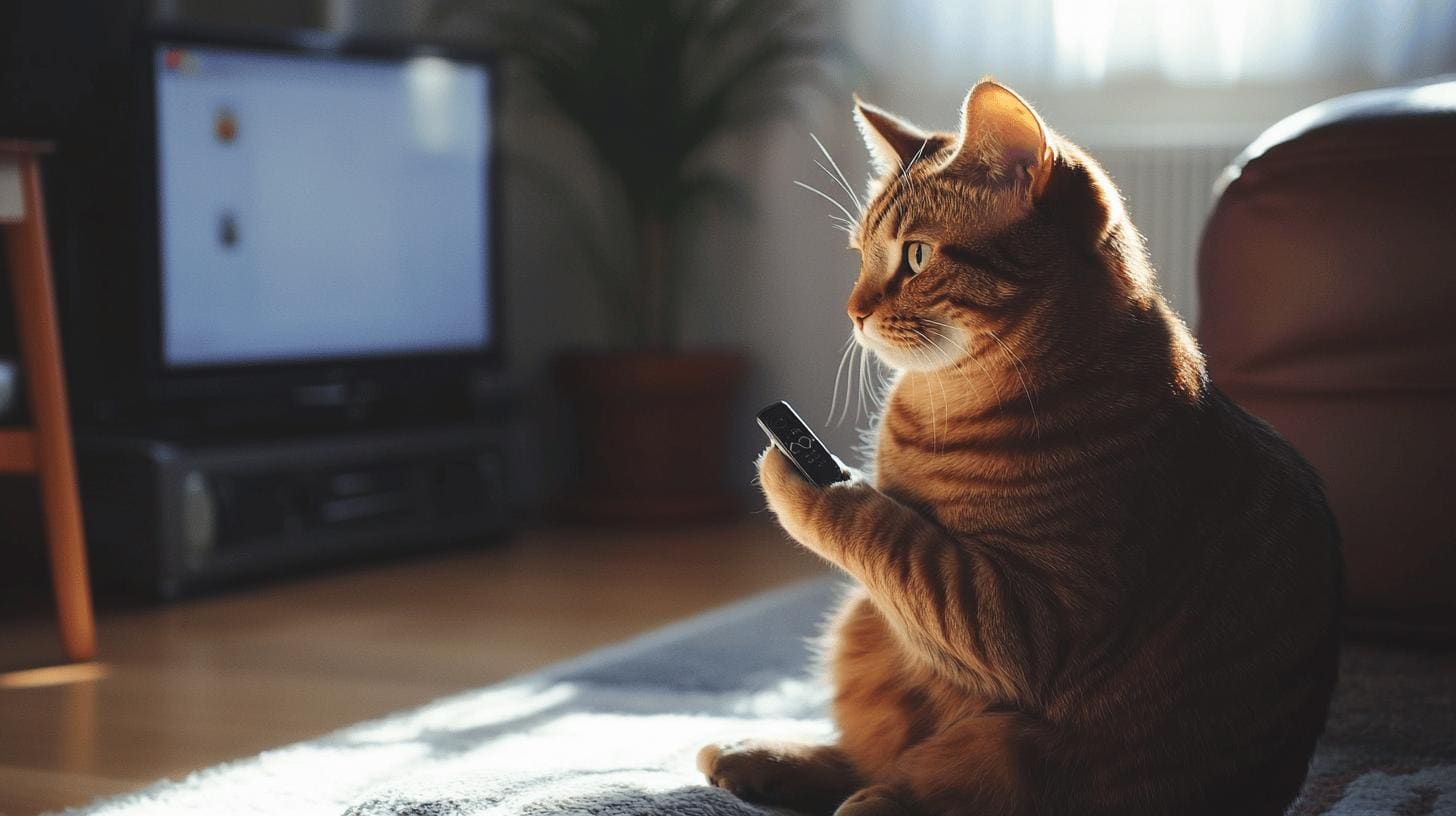
Clicker training is a simple yet effective method for teaching cats new behaviors. It revolves around the use of a clicker, a small device that makes a clicking sound, to signal to the cat that they have done something right.
This sound acts as a marker, indicating that a reward is on its way. The primary goal is to use positive reinforcement, like treats and praise, to encourage desired actions. This approach can be particularly beneficial for preparing cats for outdoor adventures, ensuring they respond to commands for safety and control.
Positive reinforcement is the backbone of clicker training. When a cat performs a desired behavior, the clicker is used immediately, followed by a treat. This sequence helps the cat understand that the action they just did is something you want them to repeat.
Over time, cats learn to associate the click with a reward and become more responsive to commands. This method is not only effective but also helps strengthen the bond between you and your cat by building trust and communication.
- Provides mental stimulation, keeping cats engaged and less bored.
- Improves overall behavior, making cats more responsive to commands.
- Enhances the bond between cat and owner through positive interactions.
- Helps in teaching cats to perform tricks or tasks, adding to their skill set.
- Prepares cats for safe outdoor experiences by ensuring they understand and respond to commands.
Essential Equipment for Clicker Training Cats
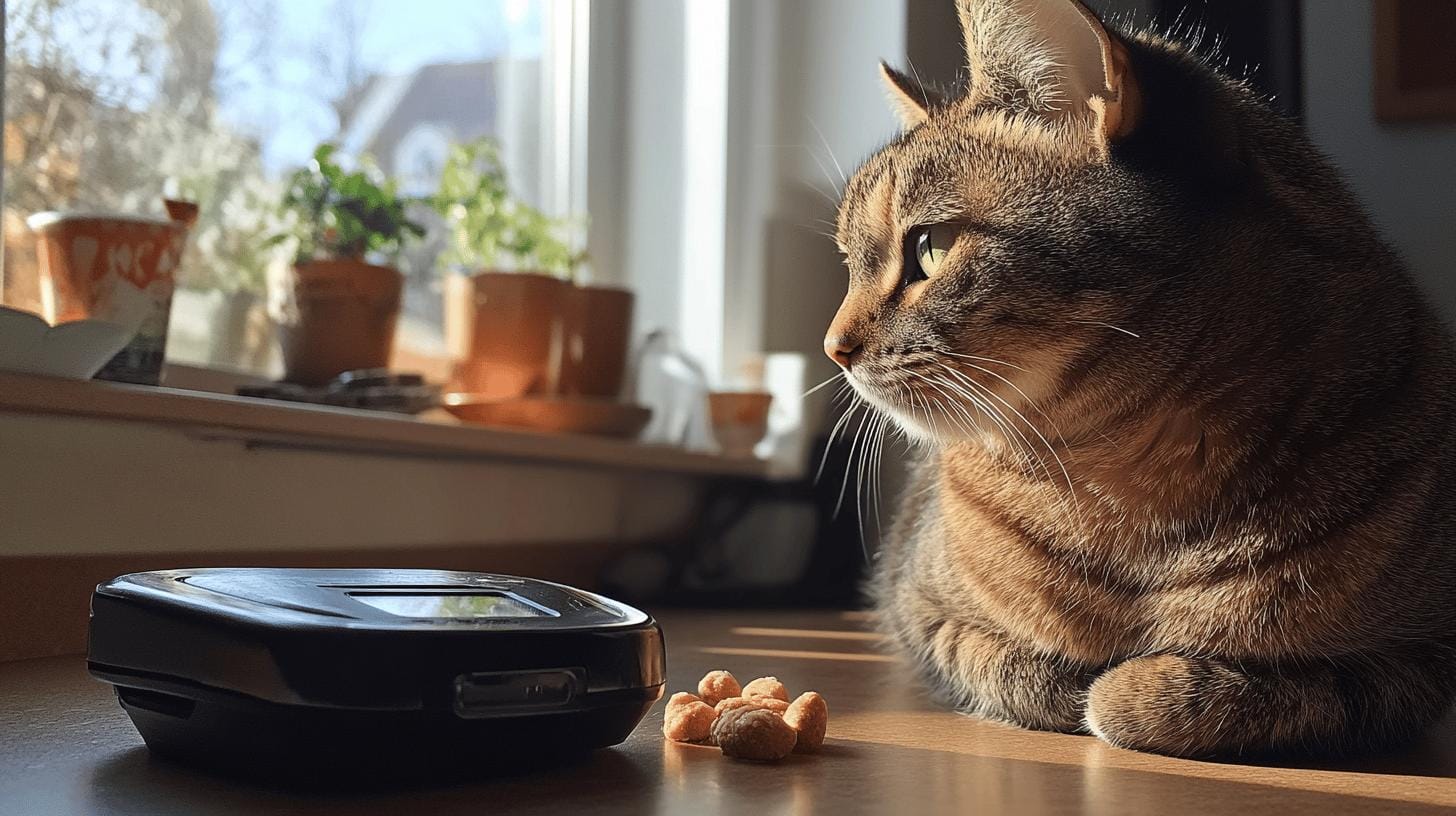
When it comes to clicker training, choosing the right equipment is crucial. A standard clicker is a small device that produces a clicking sound, signaling to your cat that it has done something worth rewarding.
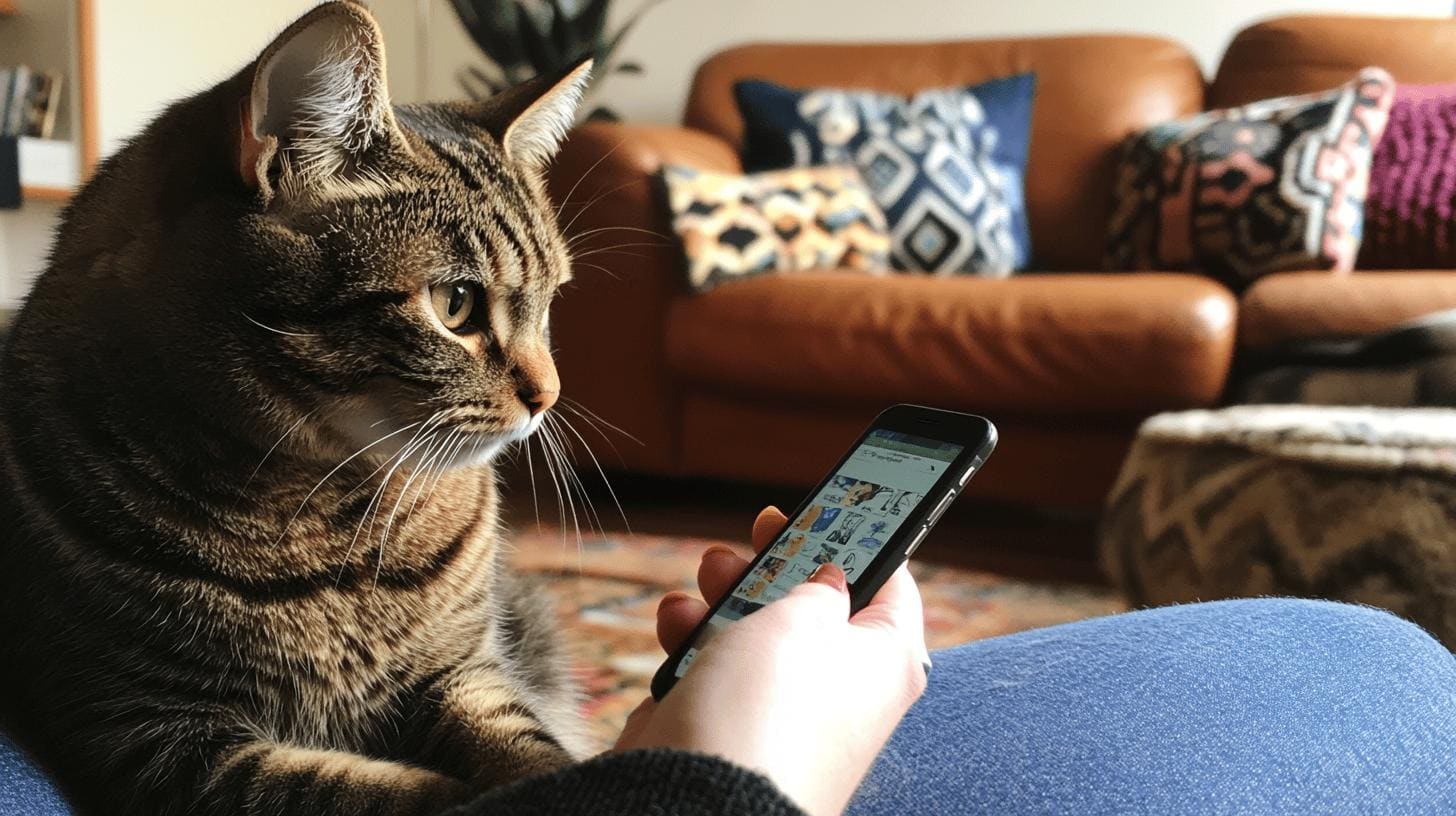
There are various types of clickers available, including button clickers, box clickers, and even clicker apps for your smartphone. Each type serves the same purpose but may differ in terms of the sound’s volume and ease of use. Selecting a clicker that both you and your cat are comfortable with can make training sessions more effective.
Motivating treats are a key component of clicker training. The best cat treats are those that your cat finds irresistible. Small, soft, and smelly treats often work best as they can be quickly consumed, allowing you to maintain the flow of training.
Keep a variety of treats handy to maintain your cat’s interest and enthusiasm. Remember, the goal is to make your cat eager to perform the desired behavior, so choosing the right treats is essential for success.
If you don’t have a clicker, you can use alternatives like mouth sounds or snapping your fingers. These alternatives can be just as effective if used consistently. The key is to ensure that the chosen sound is distinct and easily recognizable by your cat.
- iClick Clicker
- PetSafe Clik-R
- Clicker Training App
Step-by-Step Guide to Start Clicker Training Your Cat

To start clicker training, the first step is “charging” the clicker. This means teaching your cat that the clicker sound is linked to a reward. Begin by clicking the clicker and instantly giving your cat a treat. Do this several times in a row.
The goal is to create a connection in your cat’s mind between the click sound and a tasty reward. Once your cat starts looking for a treat when it hears a click, you’ve successfully charged the clicker.
Training sessions should be short and sweet. Keep them around 5 minutes to prevent your cat from losing interest. Short sessions help keep the training fun and engaging for your cat. Ensure the training environment is quiet and free from distractions.
Consistency is key; try to have multiple short sessions throughout the day rather than one long session. This approach keeps your cat focused and eager to learn.
As your cat becomes familiar with basic commands, start increasing the difficulty. Introduce new commands gradually, ensuring your cat masters each one before moving on. Use positive rewards to reinforce good behavior.
Patience is important, as some commands may take longer for your cat to learn. Adjust the difficulty to match your cat’s progress, and always celebrate small victories to keep the momentum.
- Charge the Clicker
- Click and immediately give a treat. Repeat until your cat associates the click with a reward.
- Start with Basic Commands
- Introduce simple commands like “sit” using treats and clicks.
- Timing the Click
- Click the moment your cat performs the desired action for clear communication.
- Keep Sessions Short
- Limit training to 5-minute sessions to maintain interest.
- Increase Command Difficulty Gradually
- Once basics are mastered, introduce more complex commands and tasks.
Tips and Tricks for Successful Clicker Training Sessions
Break down complex behaviors into smaller steps. This helps your cat learn more easily.
Practice at the same time each day to establish a routine. Cats thrive on routine and this consistency can improve training success.
- Use high-value treats to motivate your cat.
- Ensure the training environment is quiet and free of distractions.
- Be patient and keep a positive attitude.
- Reward your cat with praise along with treats for encouragement.