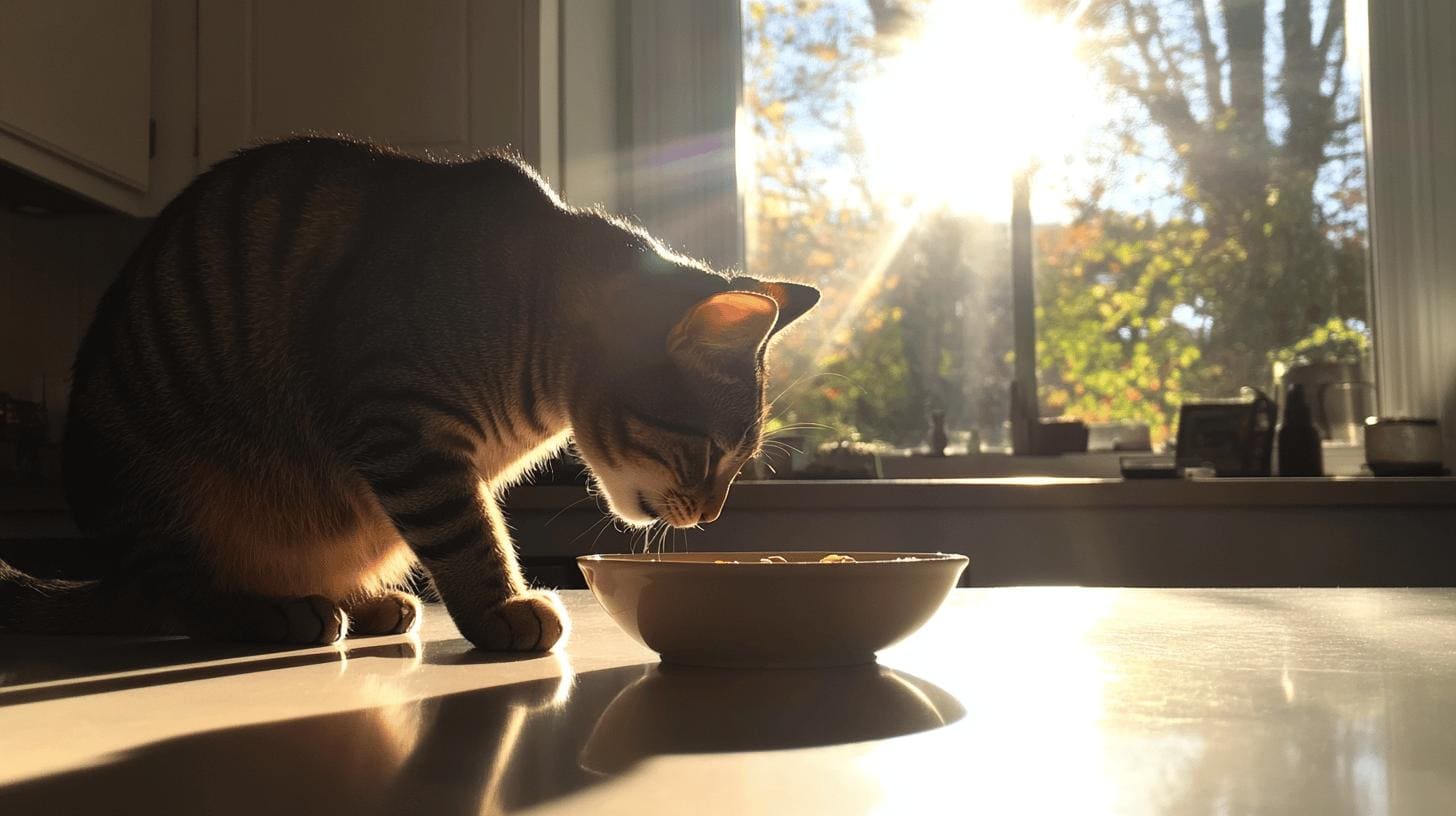
Ever caught your cat sneaking bites from your plate and wondered how to stop them? Training your feline friend to avoid human food can be a challenge. But it’s essential for their health and happiness. In this guide, I’ll share practical steps you can take to curb your cat’s curiosity for human snacks. With a mix of patience, love, and positive reinforcement, you’ll teach your cat mealtime manners while keeping their paws off your dinner. Let’s dive into these step-by-step techniques that prioritize your kitty’s well-being.
How to Train a Cat to Not Eat Human Food: Step-by-Step Techniques

- Ignore Begging Behavior
Gently place your cat on the floor when they beg for food. This teaches them that begging won’t get them extra treats. Try not to give them any attention during this time. Over time, they’ll learn that begging is not effective. - Use Counter-Conditioning
Counter-conditioning involves making your cat less interested in human food. Start by offering them their favorite cat treats during your meals. This helps shift their focus from your food to something they enjoy. Gradually, they’ll associate mealtimes with their own treats, not yours. - Incorporate Praise and Affection
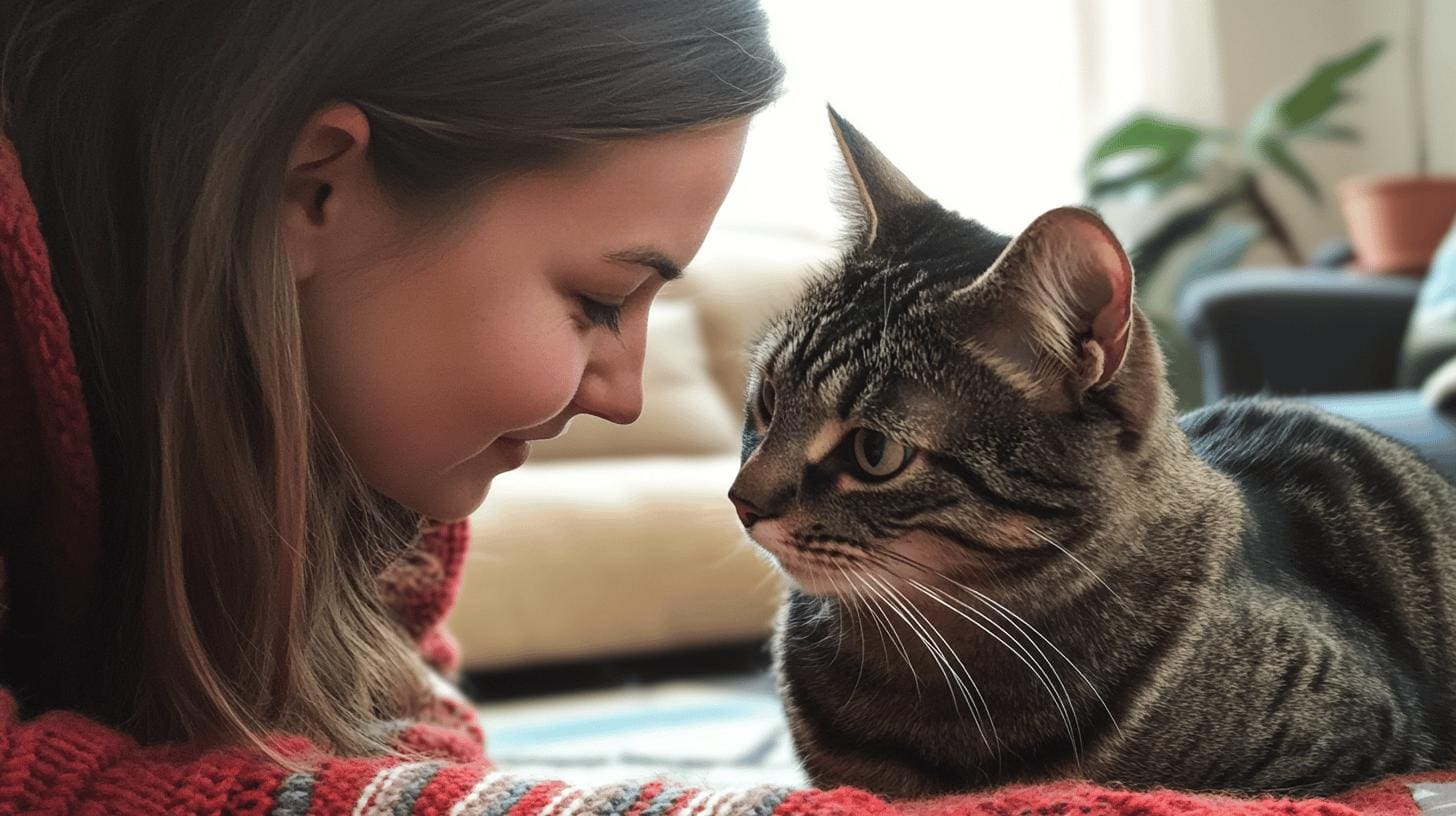
Many cats respond well to praise and affection behavior. Use these as rewards when your cat ignores human food. Pet them in their favorite spots or give them a gentle cuddle. This reinforces positive behavior and strengthens your bond.
Using positive reinforcement is crucial in training cats. Cats respond better to rewards rather than punishments. When you reward good behavior, they learn what actions please you diet concerns. This method makes training more enjoyable for both of you.
Positive reinforcement also builds trust between you and your cat. They feel safe and loved, making them more likely to repeat desired behaviors. Remember, patience and consistency are key. Over time, your cat will learn to steer clear of human food.
Understanding Why Cats Are Drawn to Human Food
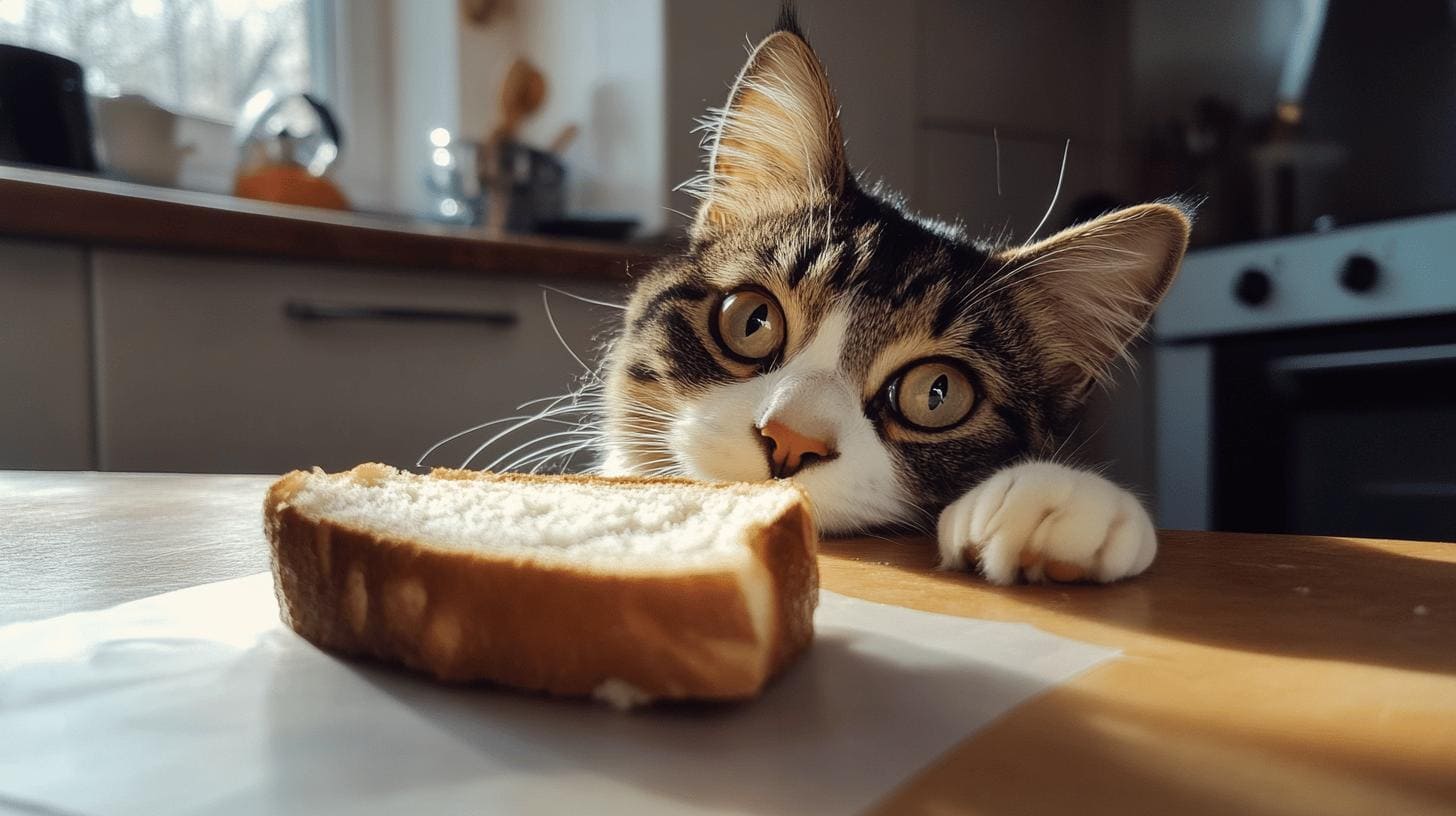
Why do cats seek human food? Cats can become obsessed with food if they’ve experienced scarcity in the past. If a cat didn’t always have food available, they might see human food as a valuable resource. Lack of social training can also make them curious about what’s on your plate. Without guidance, cats may not understand that human food is not for them.
Anxiety and boredom are other reasons cats might go after human food. If a cat is anxious, they might seek comfort in food. Similarly, a bored cat will look for something to do, and sniffing around human food can be exciting. Keeping your cat entertained and relaxed can help reduce this behavior.
Ways to reduce anxiety and boredom:
- Provide daily playtime.
- Offer engaging toys.
- Ensure regular snuggles.
By understanding these motivations, you can better train your cat to avoid human food. This makes both you and your cat happier.