
Ever wondered why your cat runs from a drop of water like it's pure fire? Cats and water don't naturally mix. But what if I told you training a cat to like water isn't just wishful thinking? Cats are capable of overcoming fears, and with patience, you can help your feline friend take the plunge.
In this article, I'll show you how to help your cat embrace the wet world, one paw at a time. Let's dive into how to gently guide your cat to enjoy the water.
Understanding Why Cats Dislike Water and Overcoming Their Fear
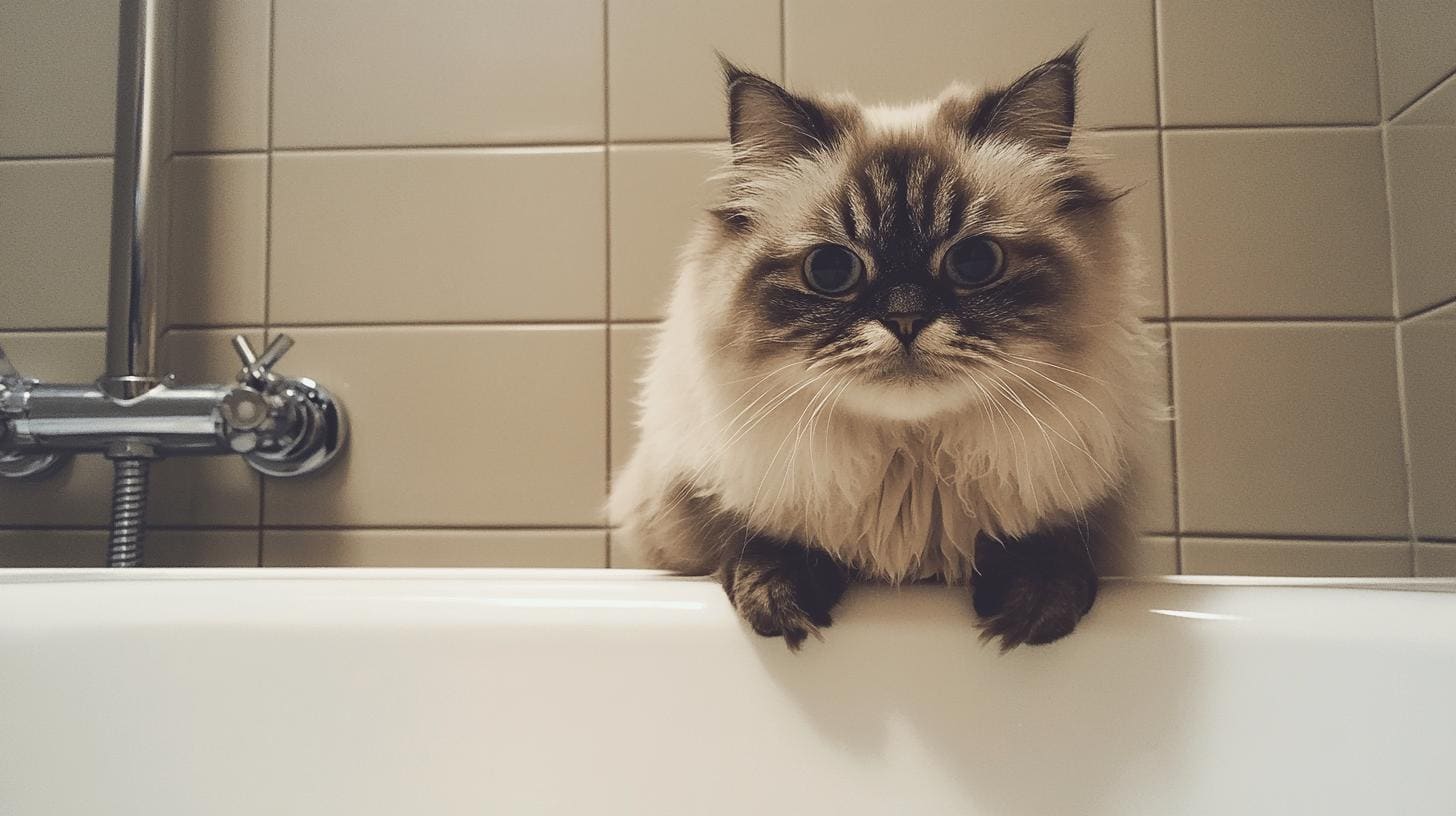
Many cats have an aversion to water that traces back to their ancestors. Cats evolved in dry, desert-like regions where swimming wasn't necessary for survival. This lack of exposure has led to a natural uncertainty around water.
Their instinct to avoid water is also rooted in survival; being wet can make them vulnerable to predators by affecting their agility and body temperature. Understanding this history helps us empathize with their hesitations and guide them through overcoming these fears.
Wet fur is another significant reason why cats dislike water. When fur becomes soaked, it takes much longer to dry compared to other animals. This can make cats feel cold and uncomfortable. Wet fur also weighs them down, affecting their natural grace and movement. For a creature that relies on agility, this can be distressing.
- Loud splashing sounds can startle cats.
- Water can obscure scents, confusing their perception.
- Unfamiliar environments cause anxiety.
- Fear of being submerged or trapped.
- Wet fur is heavy and uncomfortable.
Understanding these fears is crucial before attempting any water training. Each cat is unique, and patience is key when helping them adjust. Knowing the root of their fears allows us to create a supportive environment, ensuring they feel safe and secure. Building trust through gradual exposure and positive experiences can help cats overcome their water phobia over time.
Step-by-Step Guide to Gradual Water Exposure for Cats
-
Create a Calm Environment
Start by choosing a quiet, familiar space for your cat's initial water introduction. A small bathroom or a familiar room with a shallow basin can work well. Remove any distractions and create a peaceful atmosphere. This will help reduce your cat's anxiety and set a positive tone for the experience.
-
Introduce Shallow Water
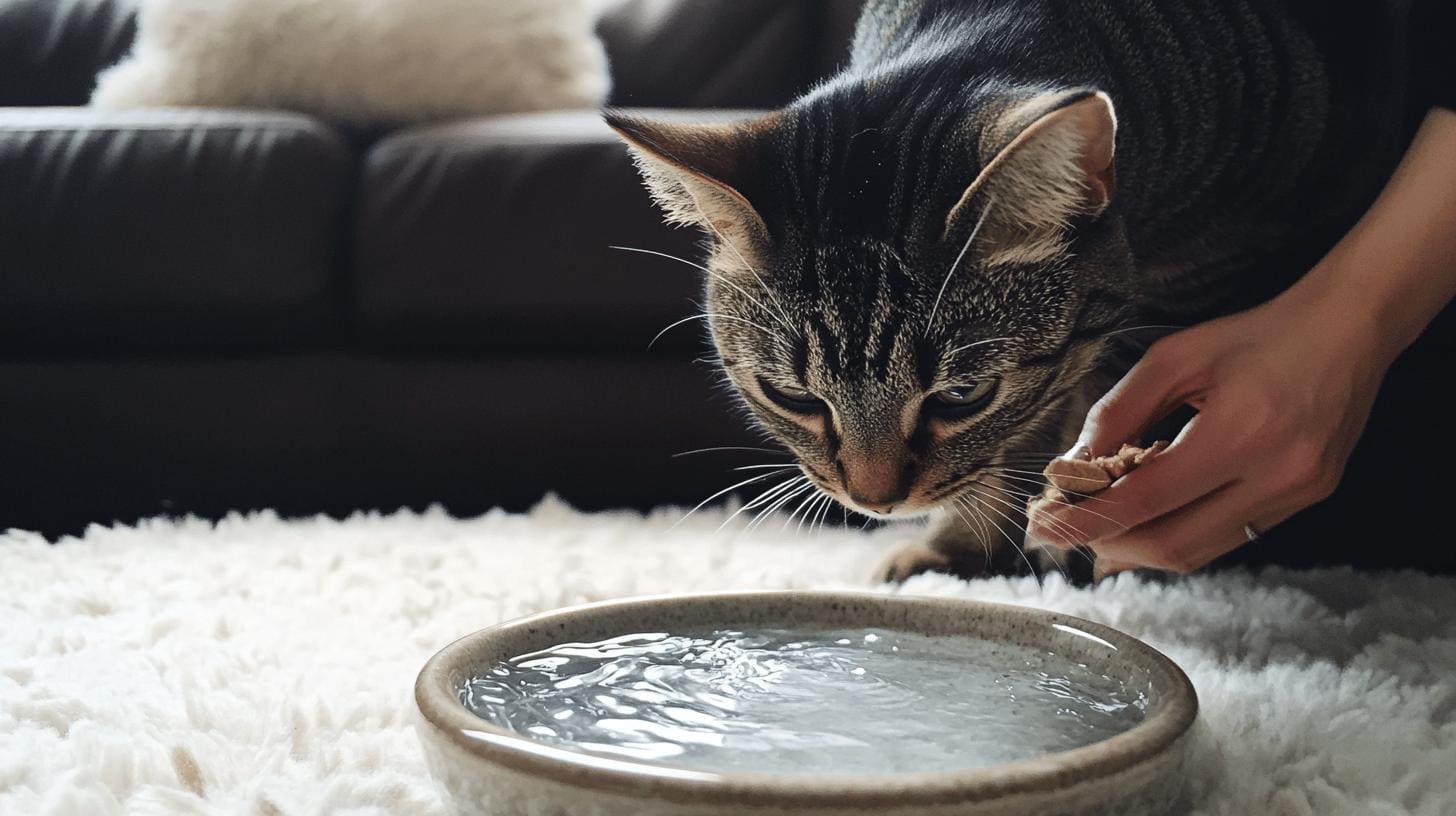
Begin with a small amount of water, just enough to cover the bottom of a shallow dish or sink. Let your cat explore the water at their own pace. Encourage them to touch the water with their paws. This will help them get used to the sensation without feeling overwhelmed.
-
Use Treats and Praise
Offer treats and gentle praise when your cat interacts with the water. Positive reinforcement is crucial in building a good association with water. Rewarding your cat for calm behavior will make them more likely to approach the water willingly in the future.
-
Increase Water Levels Slowly
As your cat becomes more comfortable, gradually increase the water depth. Do this over several sessions, allowing your cat to adjust at their own pace. Always monitor their comfort level and be ready to stop if they show signs of distress.
-
Maintain Patience Throughout the Process
Every cat is different, and patience is key. Some cats may take longer to acclimate to water than others. Be consistent with short, positive sessions and avoid forcing your cat into the water. Over time, your cat may learn to enjoy water activities, but it's important to respect their individual comfort levels.
Fun and Safe Water Activities for Cats
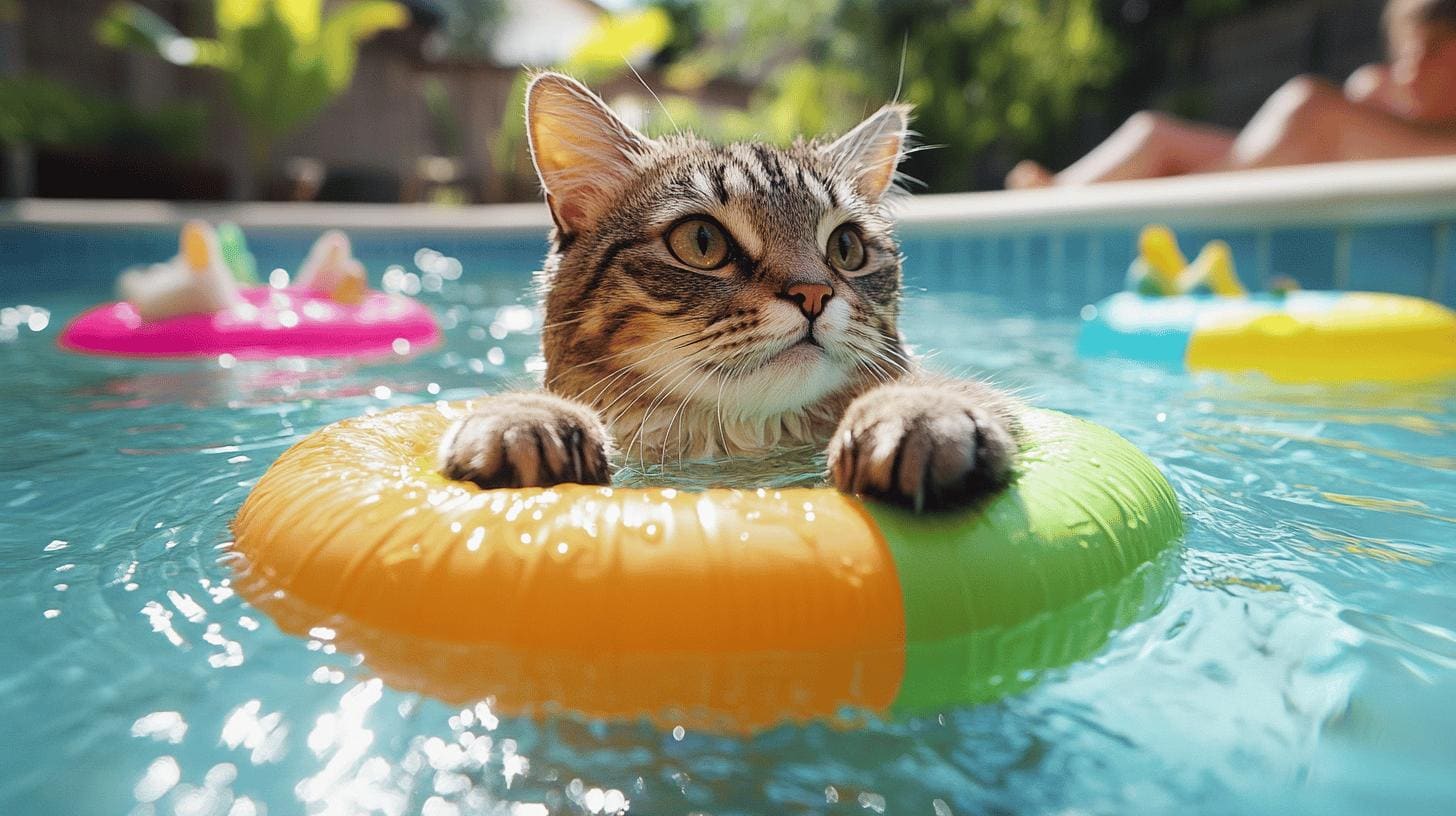
Water play can be a great way to provide both mental and physical stimulation for your cat. Engaging in water activities can help to burn off excess energy and keep your cat active. Chasing floating objects or playing with water toys can also tap into their natural hunting instincts, offering a fun and rewarding experience.
These activities can also strengthen the bond between you and your cat as you engage in interactive play together. By introducing your cat to water in a playful and non-threatening manner, you can help them become more comfortable and possibly even enjoy the wet and wild fun.
Safety is a top priority when it comes to water activities for cats. Always supervise your cat during water play to prevent accidents. Choose a calm, enclosed environment where your cat feels secure and cannot easily escape or become overwhelmed.
It's also important to ensure the water is clean and at a comfortable temperature. Remember, not all cats are naturally inclined to enjoy water, so it's vital to respect their comfort levels and stop any activity if your cat shows signs of distress.
| Activity | Description | Safety Tips |
|---|---|---|
| Water Fountains | Cats can be intrigued by the moving water and enjoy splashing or drinking from it. | Ensure the fountain is sturdy and placed on a non-slip surface. |
| Floating Toys | Small toys that float can attract a cat’s attention and encourage playful batting. | Use toys that are non-toxic and safe if chewed. |
| Shallow Pools | Let your cat explore a shallow pool with an inch or two of water. | Always monitor your cat and never leave them unsupervised. |
| Bubble Play | Blowing cat-safe bubbles over water can add an extra element of fun. | Use only bubbles specifically designed for pets. |

