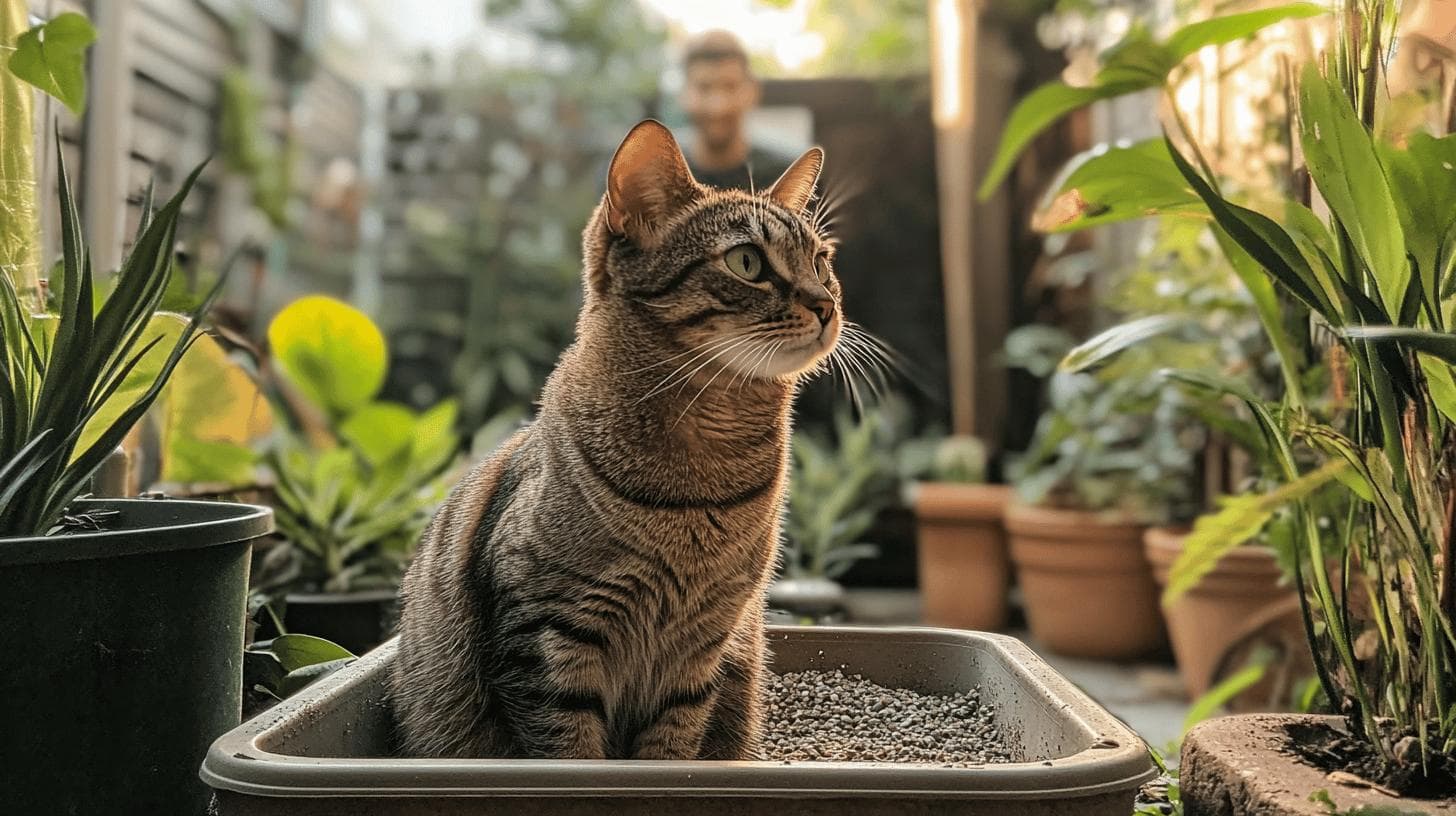
Ever wondered if your cat could ditch the litter box and go outside like a pro? It might sound tricky, but with the right steps, it's possible! Training your cat to use the bathroom outside can lead to a cleaner home and a happier pet.
Start by moving their litter box near your door and slowly transition to the outdoors. This guide will help you step-by-step, ensuring your cat stays safe and learns at their pace. Get ready to transform your cat's bathroom habits and enjoy a fresher home environment!
Step-by-Step Guide to Training Your Cat to Use the Bathroom Outside
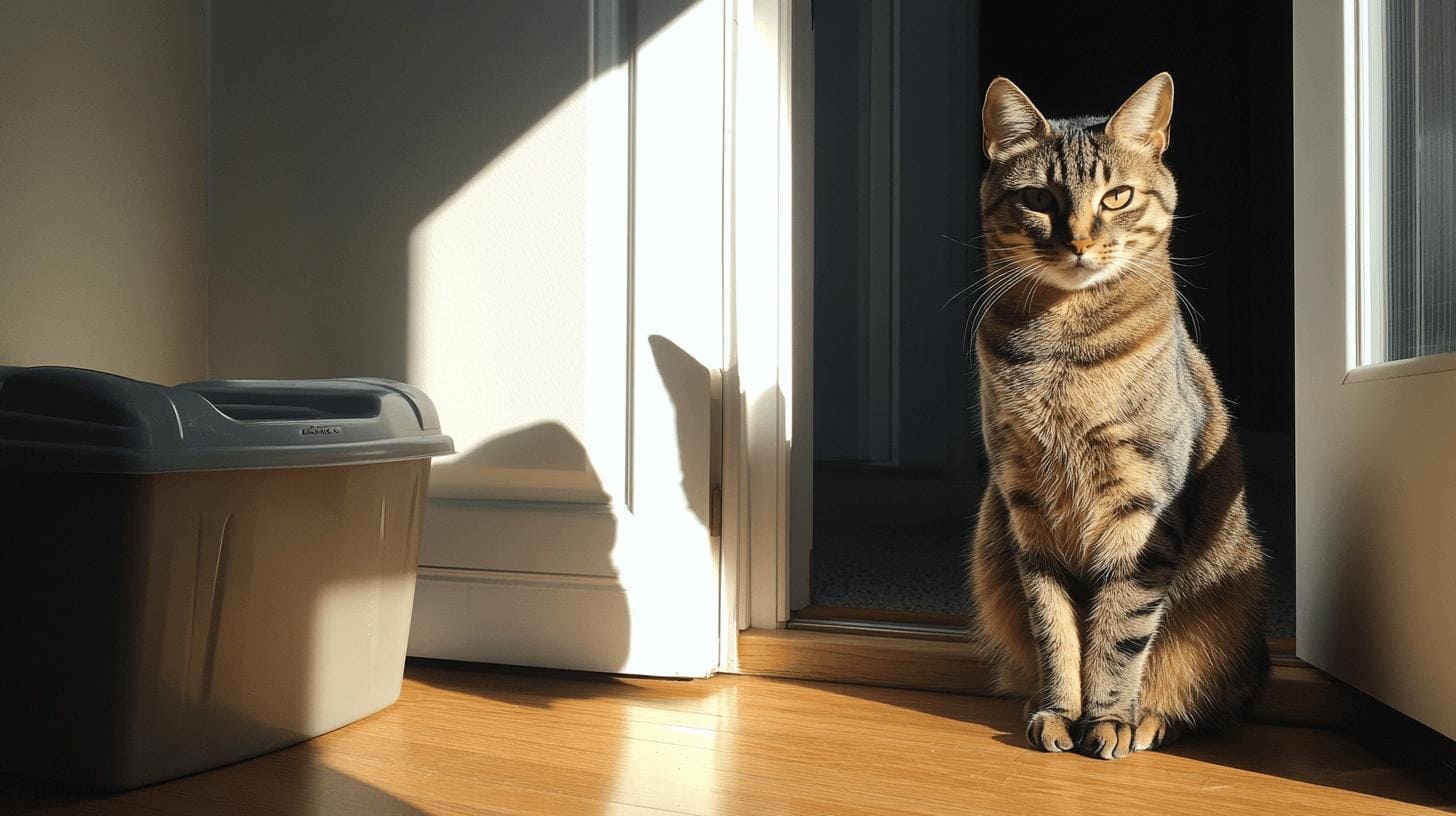
Start the training process after your cat is neutered and fully vaccinated, typically around six months old. This ensures your cat is ready for outdoor adventures safely. Begin by placing the litter box near the door that leads outside.
This placement helps your cat associate the door with bathroom activities. Make sure the outdoor area you plan to use is safe and free from hazards like other animals or busy roads.
Gradually transition the litter box closer to the outside area over several days or weeks. The pace depends on your cat's comfort and adaptability. Some cats may adjust quickly, while others need more time.
Observe your cat’s behavior and adjust the timeline if needed. This slow transition helps your cat become accustomed to using the bathroom outside.
-
Position the Litter Box Near the Door: Start by moving the litter box near the door leading outside.
-
Move the Box Closer to the Outside: Gradually shift the litter box closer to the planned outdoor bathroom area.
-
Encourage Outdoor Use: Lead your cat to the designated bathroom spot outside and reward them with treats or praise when they use it.
-
Designate a Specific Spot: Choose an area close to the house for easy access and ensure it's free of hazards.
-
Create an Inviting Environment: Use landscaping or materials like sand or soil to make the area appealing.
-
Maintain Cleanliness: Keep the area clean to encourage regular use and prevent your cat from reverting to indoor habits.
Consistency is key in reinforcing your cat's new outdoor bathroom habits. Make a routine of taking your cat outside at the same times each day, such as after meals or naps. This routine helps your cat understand when it’s time to go.
Always use positive reinforcement, such as treats or praise, to reward your cat for using the outdoor bathroom. Safety is crucial, so continue monitoring the area for any changes that might pose a threat.
Enhancing the Outdoor Bathroom Environment for Cats
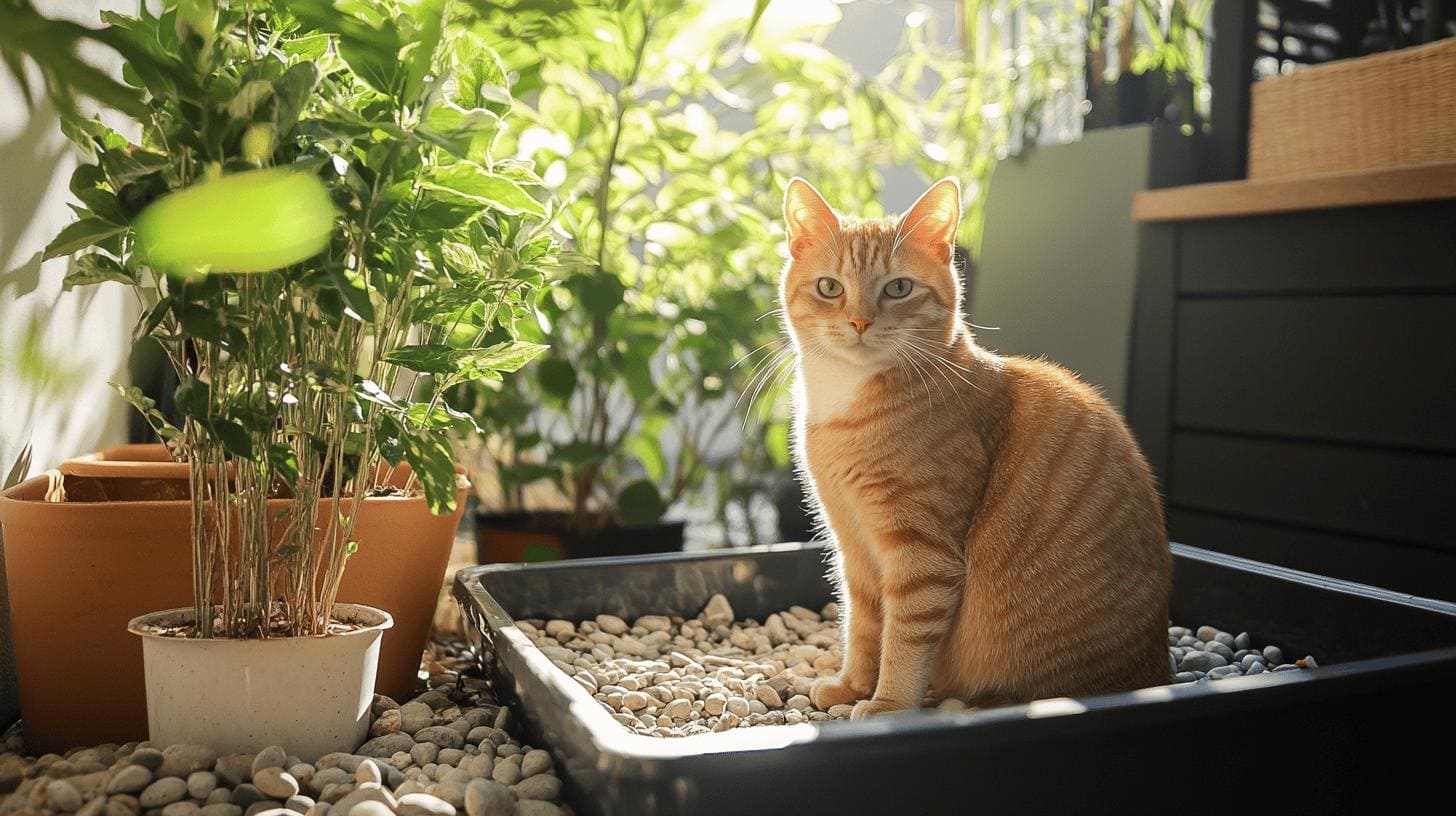
Creating an inviting outdoor bathroom for your cat is key. Use materials like sand or soil to attract them naturally. You can define the space with stepping stones and mulch, making it clear where they should go. Privacy is essential, so add shrubs or potted plants around the area. This helps cats feel secure.
- Scoop the outdoor area once or twice a week to maintain cleanliness and prevent odors.
- Use natural materials like sand or soil to attract cats.
- Add stones or mulch to define the bathroom space clearly.
- Use shrubs or pots for added privacy, helping cats feel secure.
Enhance the space by adding textures like soft grass or moss. This mimics their indoor environment and eases the transition. Consider planting catnip or cat grass. These can encourage your cat to explore and use the area. By making the space familiar and comfortable, your cat will feel more at ease with their new bathroom routine.
Troubleshooting Common Challenges in Outdoor Bathroom Training
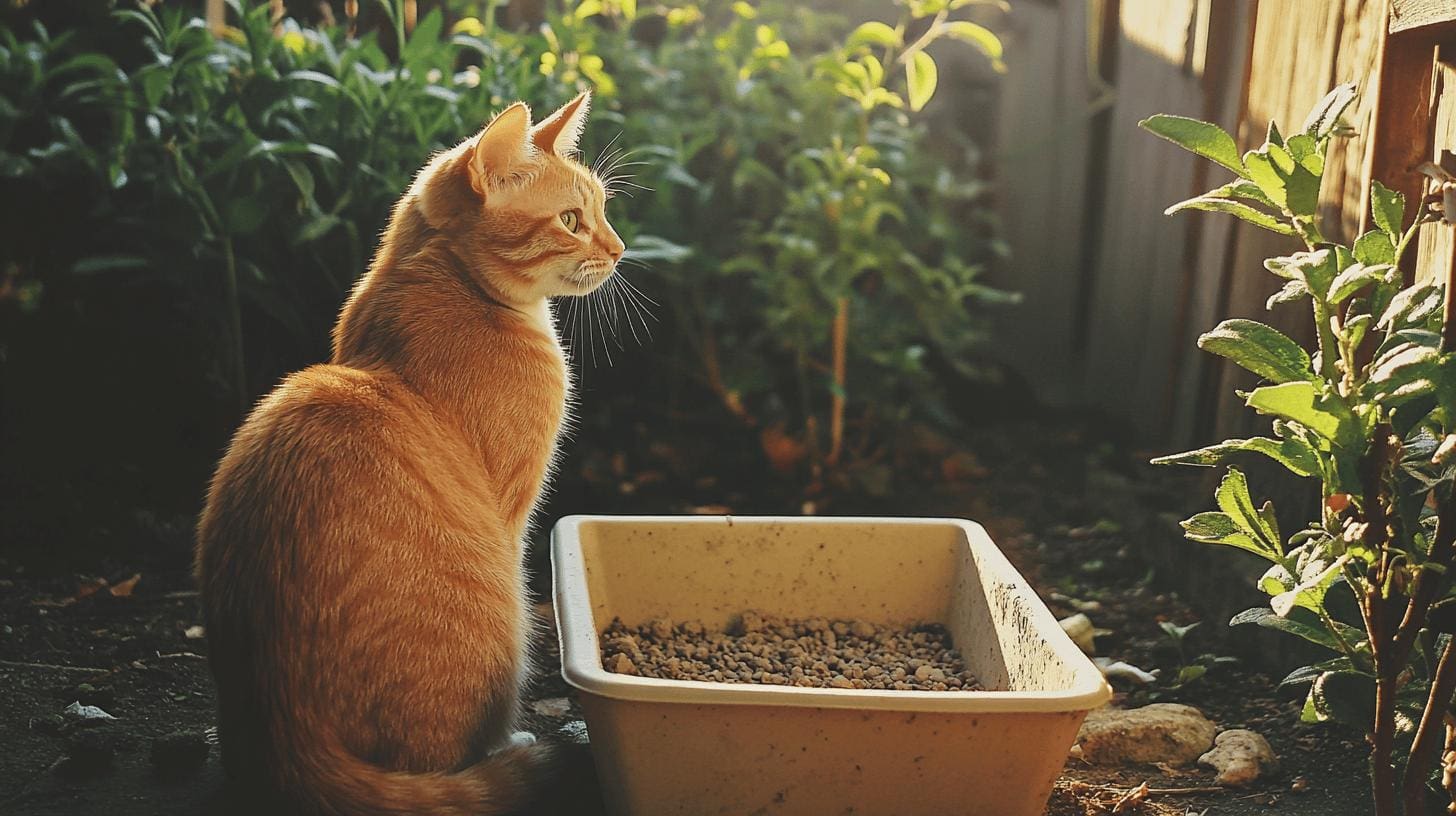
Cats may resist using an outdoor bathroom for various reasons. Stress is a major factor, often triggered by changes in their environment. Moving the litter box outside might unsettle your cat, especially if they are used to indoor privacy.
Health issues can also cause reluctance. Cats with urinary infections or arthritis might find it difficult to adapt. Dissatisfaction with the setup, like the texture or smell of the outdoor area, can also lead to avoidance.
To tackle these challenges, closely observe your cat's behavior. If they seem stressed, try to make the outdoor area similar to their indoor setup. This could mean adding familiar textures or scents. Address any health issues with a vet if your cat shows signs of discomfort.
Ensuring the outdoor space is clean and inviting may encourage use. Positive reinforcement with treats or praise after successful bathroom trips can reinforce good habits.
Recognizing and Addressing Behavioral Cues
Understanding your cat's signals is key to successful outdoor bathroom training. Watch for signs like scratching or sniffing near the door, which indicate they need to go. If your cat is avoiding the outdoor bathroom, it might be due to discomfort with the area.
Adjust the environment by making it more appealing, perhaps with soil or sand they enjoy. Recognizing these cues and adapting accordingly can help ease the transition.