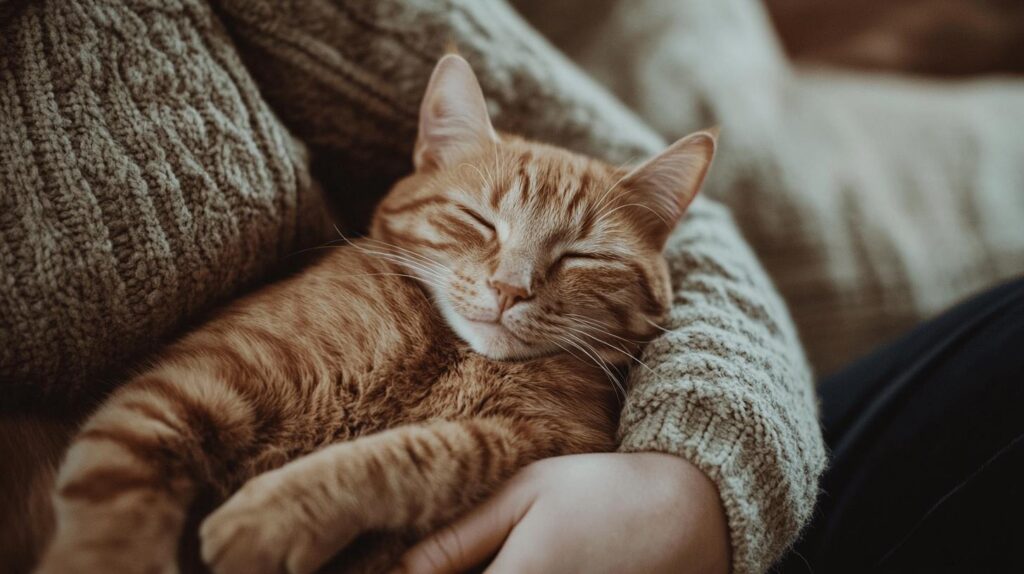
Think treats are the only way to train a cat? Think again. Some cats just aren’t interested in treats, and that’s okay. There are other ways to encourage your feline friend to learn and bond with you. By using their natural instincts and preferences, you can make training both fun and effective.
From praise and affection to engaging toys, alternative methods can be just as rewarding. Discover how to tailor your training approach and strengthen your bond with your cat, treating them to some quality time together.
Alternative Training Methods for Cats Uninterested in Treats

Training a cat who doesn’t like treats can be a challenge, but there are plenty of alternative rewards that can be just as effective. Non-treat-based rewards tap into a cat’s natural instincts and preferences, making the training process both enjoyable and successful.
For many cats, praise and affection are powerful motivators, enhancing their bond with you while reinforcing positive behavior. For those with a playful streak, engaging in interactive play sessions can be particularly rewarding. This is especially true for kittens and young cats, whose energy levels can often be harnessed during training.
Here are some effective alternative rewards to consider:
- Praise and Affection: Many cats respond well to a loving voice or gentle strokes.
- Clicker Training: The sound can mark desired behaviors, providing a clear signal for the cat.
- Play: Use favorite toys to engage and reward your cat.
- Interactive Toys: Consider toys that challenge and stimulate your cat’s curiosity.
- Attention: Simply spending time together can be rewarding for social cats.
- Routine: Consistency in routine can be a reward itself, as cats thrive on predictability.
Tailoring training to your cat’s unique preferences ensures that the process remains engaging and enjoyable for both of you. Observing your cat’s behavior and adapting your approach based on what they respond to best is key.
For instance, some cats might prefer a quick play session as a reward, while others might thrive on verbal praise. By understanding your cat’s individual likes and dislikes, you can craft a training regimen that not only encourages learning but also strengthens your bond.
Using Toys and Play as Effective Training Tools
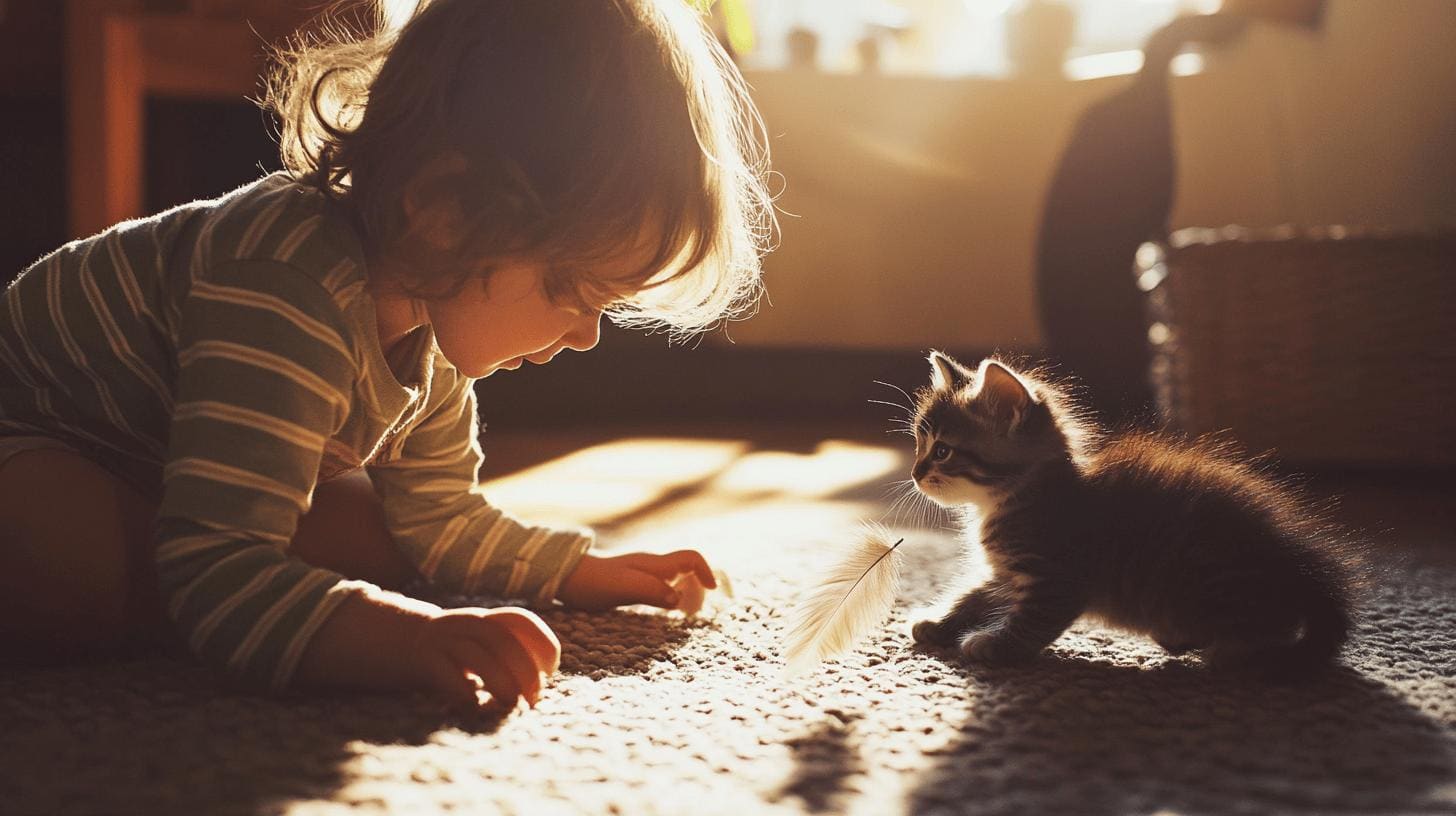
Using toys as a reward during training can be incredibly effective, especially for active cats and kittens. Playtime taps into their natural instincts and offers a fun, engaging way to reinforce positive behavior. By incorporating your cat’s favorite toys into training sessions, you can capture their attention and make learning enjoyable. This method not only helps in teaching new skills but also enhances the bond between you and your feline friend.
| Toy Type | Training Use |
|---|---|
| Feather Wand | Encourages chasing and pouncing, reinforcing commands like “come” or “jump.” |
| Laser Pointer | Directs focus and movement, useful for guiding a cat through obstacles. |
| Interactive Puzzle | Stimulates problem-solving skills, rewarding patience and persistence. |
| Catnip Mouse | Ideal for teaching fetching or retrieving, combining scent with play. |
Interactive play is crucial in successful training outcomes. Engaging your cat with toys not only rewards them but also strengthens your relationship through shared activities. This approach can lead to better behavioral responses and a deeper understanding between you and your cat. By using play effectively, you create a positive and stimulating environment that encourages your cat to participate and learn.
Clicker Training and Positive Reinforcement
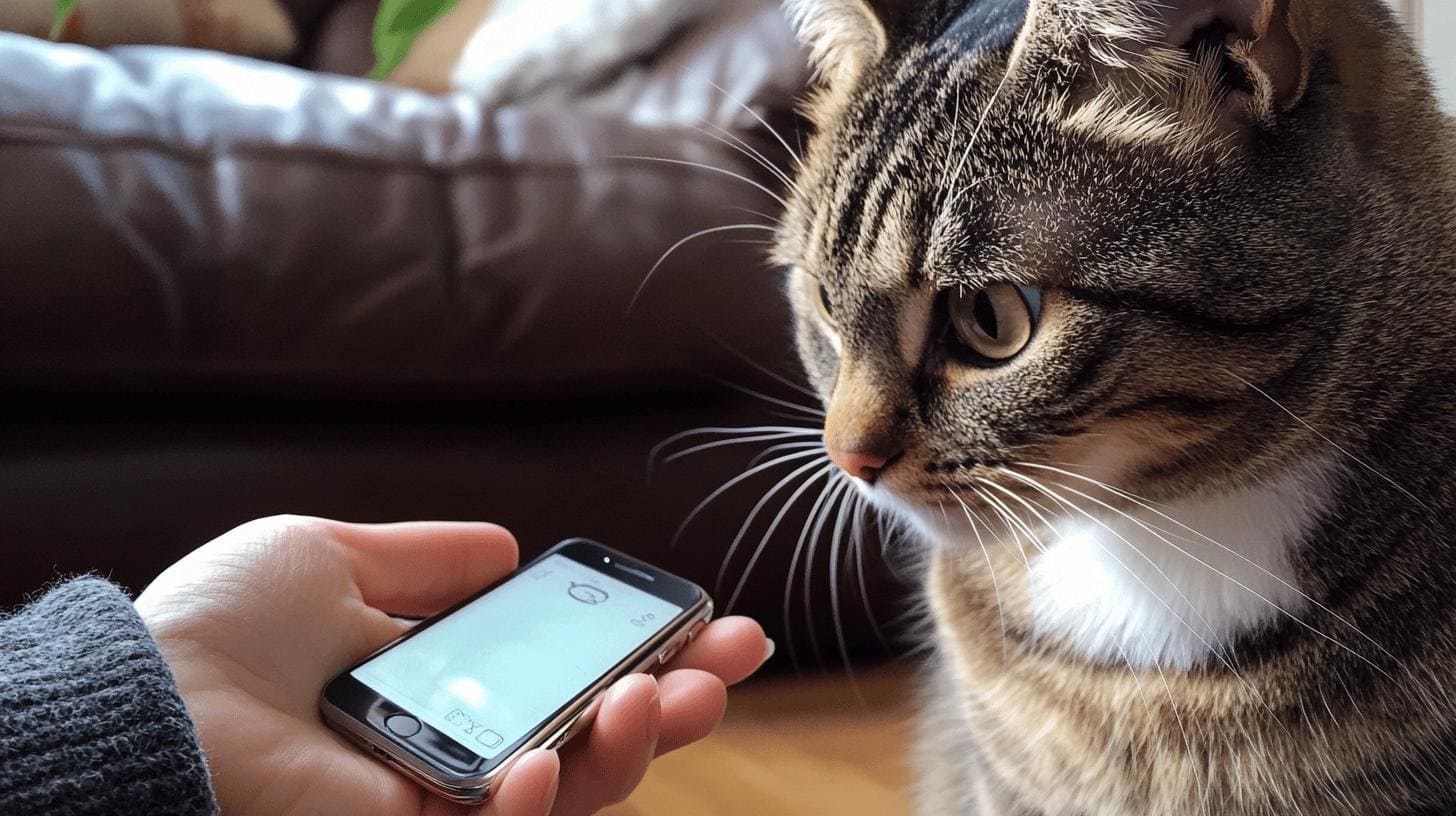
Clicker training is a popular method for teaching cats new behaviors using sound to mark desired actions. It’s all about creating a clear association between the click sound and a reward, which doesn’t have to be food. This method can be incredibly effective, especially when your cat isn’t motivated by treats.
The clicker acts as a consistent signal that your cat has done something right, and it should be immediately followed by a positive reinforcement. This could be verbal praise, petting, or even a quick play session with a favorite toy. The goal is to make your cat understand that the click means good things are coming, strengthening their response to commands over time.
Here’s how to start clicker training with non-food rewards:
- Get a Clicker: Purchase a simple clicker from a pet store. These are small, handheld devices that make a distinct clicking sound.
- Pair the Click: Begin by clicking and immediately offering a non-food reward like petting or a toy. Repeat this several times to build the association.
- Introduce Simple Commands: Start with easy commands like “sit” or “come.” Click as soon as the cat performs the action, followed by the chosen reward.
- Be Consistent: Practice regularly, ensuring that each click is followed by a reward. Consistency helps reinforce the association between the click and the positive outcome.
- Gradually Increase Complexity: Once your cat understands the process, introduce more complex commands and use the click to mark each correct behavior.
Consistency in clicker training is crucial for success. Cats thrive on routine and reliability, so maintaining a regular training schedule helps solidify the behaviors you’re teaching. Positive reinforcement, whether through attention or play, reinforces the bond between you and your cat, encouraging them to engage willingly with training sessions. By using these techniques, you can effectively communicate with your cat, making training a rewarding experience for both of you.