Sokoke cat: temperament and enrichment tips

Think all cats are aloof? The Sokoke will prove you wrong. From eastern Kenya, this rare breed acts a little dog-like, selective about people, fiercely loyal to a chosen few, and endlessly curious. You’ll see that curiosity in clever climbs and paws-on puzzle solving, with whiskers twitching as they figure things out.

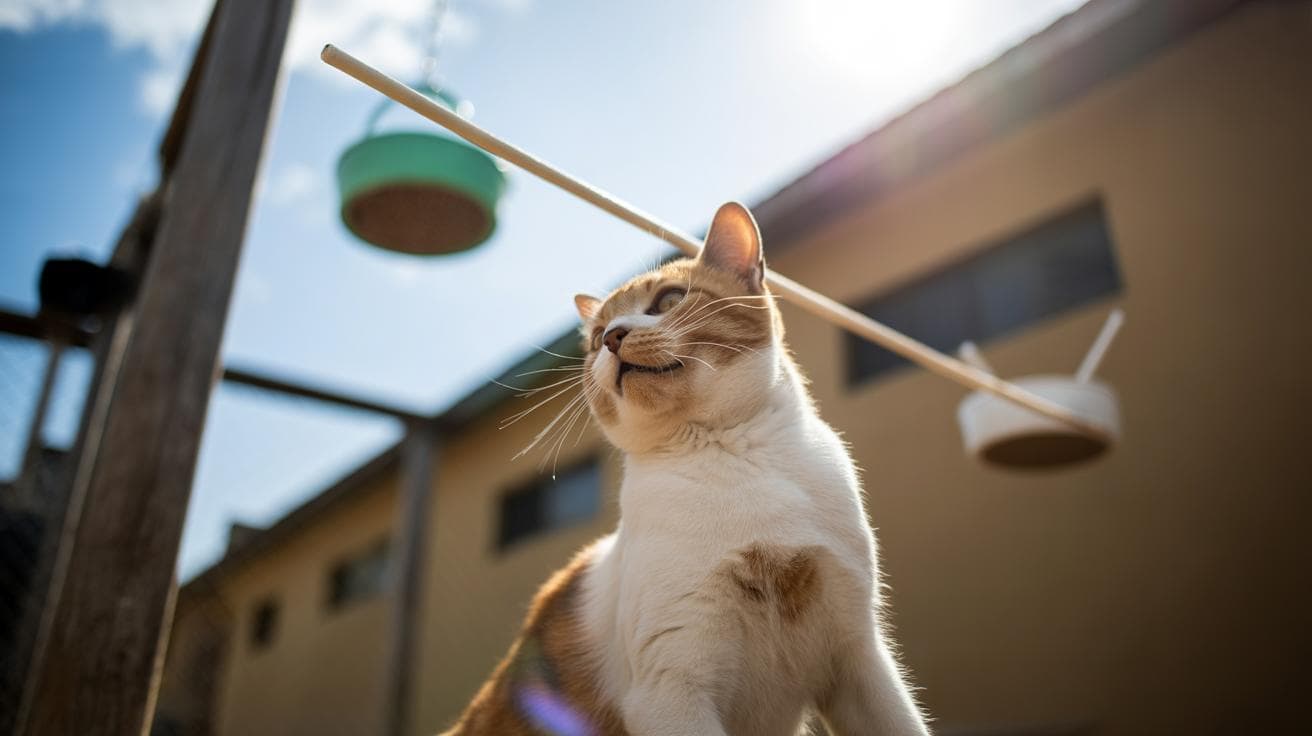
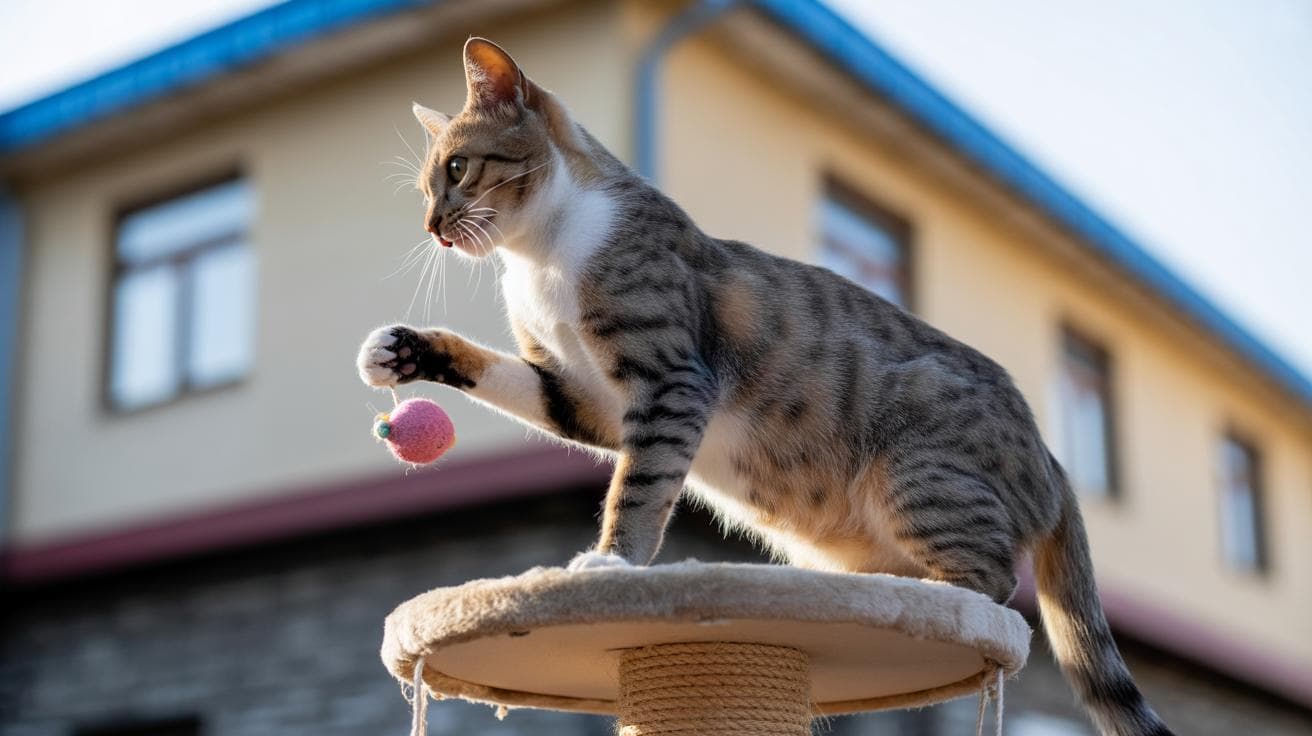
Quick temperament notes: Sokokes pick one or two humans to shadow and adore, and they stay playful well into adulthood. For play, keep sessions short and lively, five to ten minutes a few times a day works great. Try a teaser wand (think fishing rod for cats) for interactive chases, and use puzzle feeders (toys that hide food so your cat has to work for it) to give their brain a workout. Give them high perches, too; a tall shelf or cat tree lets them watch everything, which keeps them calm and confident.

Want a tiny shadow that’s smart and social? You’re in the right place. I once watched a Sokoke leap and snag a flying toy like it was born to do it, so satisfying. Worth every paw-print.

Quick practical answers for Sokoke cat temperament and enrichment
- Quick practical answers for Sokoke cat temperament and enrichment.jpg

Sokoke cats are a very rare domestic breed from eastern Kenya. They act a bit dog-like, selectively social and happiest when they’ve picked their people. They tend to form deep, lasting bonds with a few chosen humans, so once you’re in, you’re in for life. Ever watch a Sokoke follow a person around like a tiny shadow? Cute and a little bossy.

Top personality traits: they’re smart, high-energy, and love to climb. Think bright problem-solvers who enjoy puzzles and perches up high (climbing means shelves, tall cat trees, or window-view platforms). Their behavior with people usually shows strong loyalty to a small circle rather than being friend-to-everyone social.

Quick, practical routine you can try: morning interactive play (ten to twenty minutes of wand toys or chase games), mid-day puzzle feeders to keep their brain busy, and an afternoon supervised outdoor session like a harness walk or a secure yard stint. For the full timed schedule, see "Daily Enrichment." If you need guidance on signs of stress or how to introduce a Sokoke to people or other pets, see "Reading Sokoke cat stress signals and introductions with people or pets" , stress signs include reduced appetite (eating less), excessive hiding (staying out of sight more than usual), and increased aggression (hissing, swatting); the latter resource also gives stepwise handling tips. Worth every paw-print.

Sokoke cat personality traits and social behavior explained
s named in cross-references.jpg

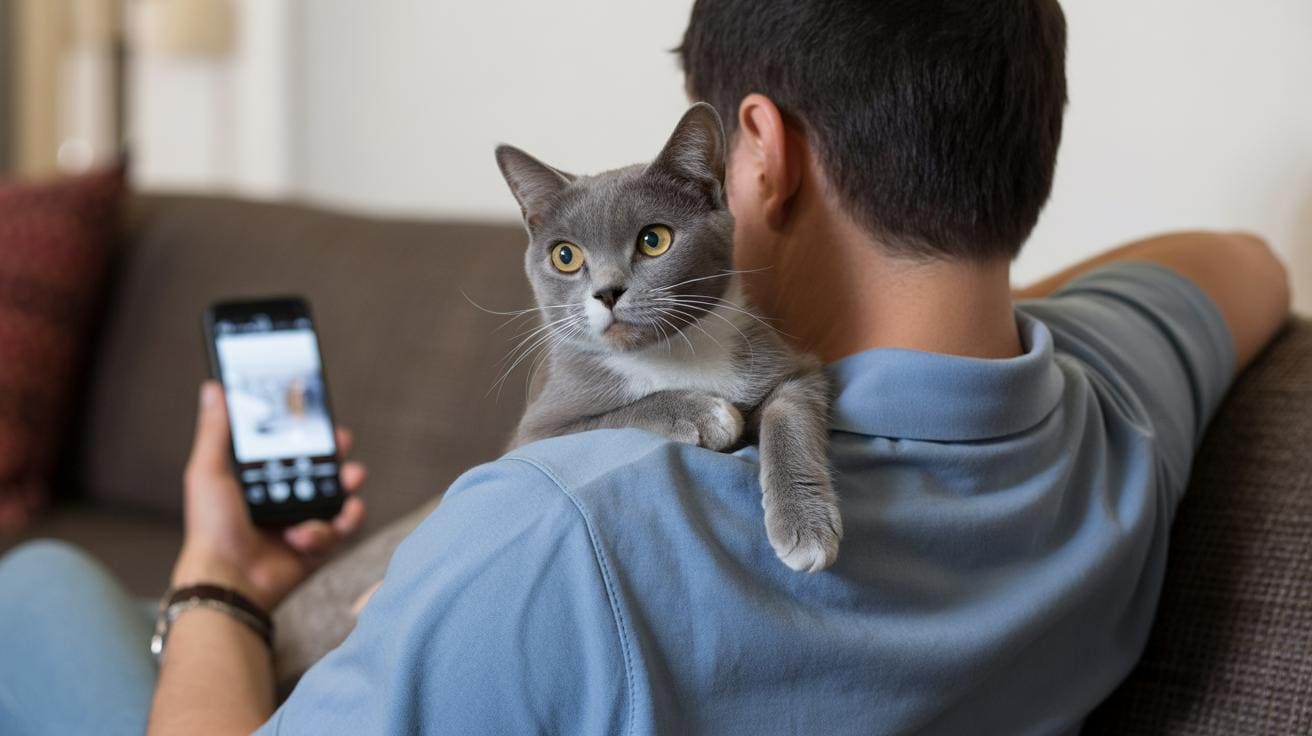
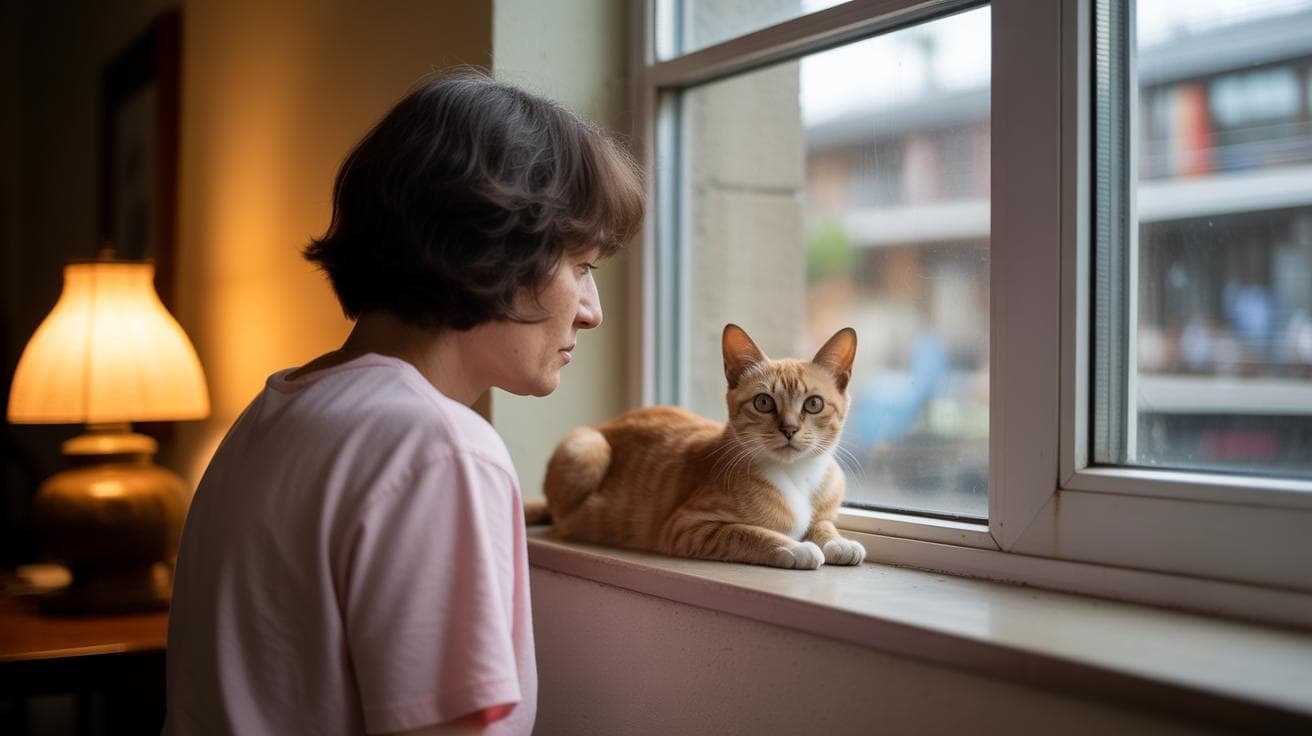
Sokokes tend to pick a small circle of people and stick to them. They’re warm and loyal to that few, but often a bit aloof with strangers. They’re not your typical lap cat. Instead they’ll follow you room to room or keep you in sight from a favorite perch, eyes tracking every move like a little guardian.

They have a soft voice , gentle meows and light chittering, not loud dramatic yowls. Affection usually comes on their terms: head-butts, curious nudges, and quiet company more than full-on cuddles. You’ll often get a polite request for play instead of a demanding attention grab. Ever had one tap your ankle like a tiny, polite roommate?

Sokokes are curious and clever, with a real problem-solving streak. Foraging (food-hunting games) feeds that instinct and keeps them interested longer; think puzzle feeders as brainy snacks. A surprising number like water too, so check "Home setup" and "Recommended toys" for water-play and fountain ideas.

Match play to their personality: short, energetic sessions that work both mind and body. Rotate toys and use food-based puzzles so they don’t get bored. Swap in new challenges every week or two. Simple training games , treats, a clicker (a small training device that makes a click sound), or target work (teaching them to touch a stick) , turn cleverness into tidy, fun habits. Worth every paw-print.

Reading Sokoke cat stress signals and introductions with people or pets
- Sokoke cat personality traits and social behavior explained.jpg

Sokokes tell you when something is off in plain, honest ways. One minute they’re busy and bright, the next they might go quiet, nap more, or walk around like they can’t sit still. Watch ears and tail , flattened ears, a tucked tail, or whiskers pulled back mean they’re worried. Eating changes are a big clue too; a cat that used to nibble happily might leave food alone. Hiding for hours, intense scratching, or tearing up cushions are other stress signs. Ever watched a cat go from zoomies to a sofa lump? Yep, that’s a hint.

When you move a Sokoke or rehome one, go slow. Start with one calm room that has their bed, litter box, toys, and something that smells like their old place, like a towel from their previous area. Keep mealtimes and playtimes on a steady schedule so life feels predictable. Let them explore the rest of the house on their timetable, over days or weeks, not all at once. Swap scents between rooms by rubbing a soft cloth on them and placing it elsewhere, or trading bedding, so the house starts to smell familiar. Keep foot traffic low at first and slowly add noise and visitors as they relax.

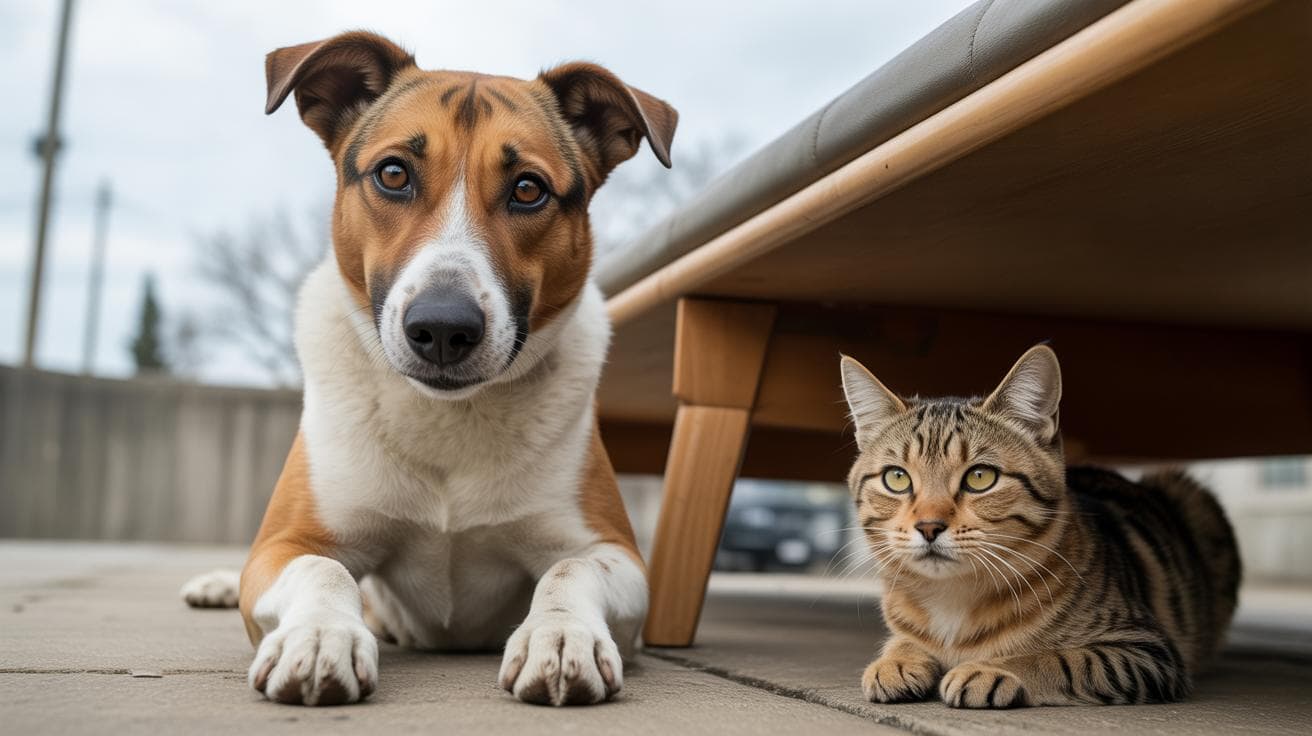
Introducing a Sokoke to dogs or other cats needs patience. Begin with scent swaps, then short sight-only meetings through a closed door or baby gate. After that, try very brief supervised meetings with the dog on a short leash and the Sokoke free to jump up to high perches or into a safe hiding spot. Give plenty of vertical escape routes , shelves, cat trees, window perches , and keep sessions short and positive, with treats or gentle play. Only lengthen these visits when the Sokoke stays calm and curious, not frozen or frantic.

A few quick, practical tips: play with them before you leave for a short outing to burn energy, use treats to reward calm behavior, and never force contact. Oops, let me rephrase that , if they want to retreat, let them. Worth every paw-print.

Sokoke cat home setup: vertical space, safe outdoor access and water-friendly spots
- Reading Sokoke cat stress signals and introductions with people or pets.jpg

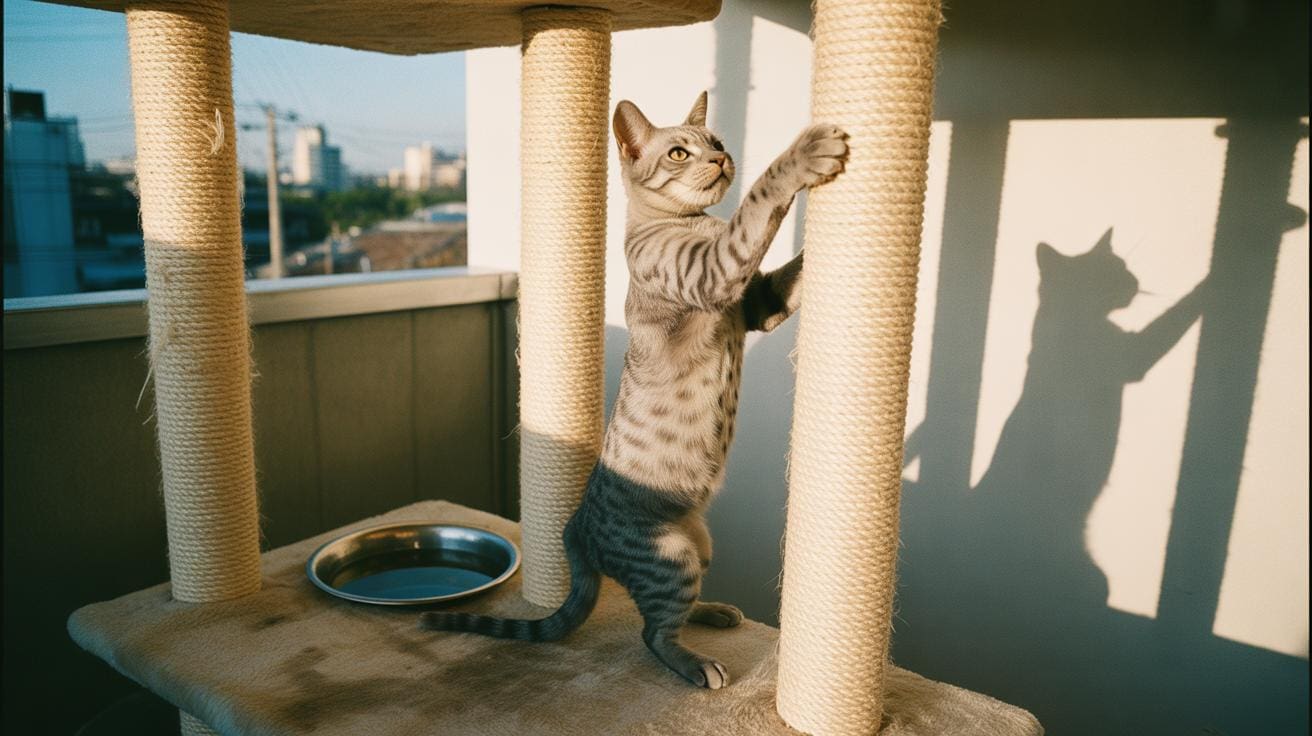
Sokokes love being up high and feeling cozy. Give them tall climbing spots and sunny, insulated perches because they have a thin undercoat (the soft insulating fur beneath the top layer) and lose heat faster than fluffier breeds. Vertical territory scratches that hunting itch and helps them stay calm by letting them watch the room from above. A warm window perch on chilly mornings makes a huge difference, your cat will stretch out and soak up the sun.

Vertical solutions

Think tall cat trees, staggered wall shelves, and climbing nets (a strong mesh you can anchor to walls). Mount anything that will hold a cat’s weight to studs (the vertical wooden framing behind walls) or solid anchors, and give it a good wobble test before you let your Sokoke try it. Route paths to high perches near windows or quiet corners so your cat can leap, pause, and observe without feeling trapped. And don’t put perches over fragile stuff, broken vase, sad human face.

Safe outdoor and water spots

A secure catio (an enclosed outdoor space for cats) or run lets a Sokoke sniff the world and watch birds without real danger; use sturdy mesh and make it escape-proof. For leash walks, start indoors with short, reward-based practice using a snug harness (a vest-style harness is often safest), then try 20 to 30 minute supervised outings once they seem confident. For water play, set up a shallow tray or a little faucet nook with a non-slip mat so paws don’t slip, listen for soft splashes, and dry the area and your cat if things get wet so your home stays warm and safe.

Worth every paw-print.
Sokoke cat daily enrichment schedule (sample) , timed activities and benefits

- Sokoke cat home setup vertical space, safe outdoor access and water-friendly spots.jpg

Sokokes do best with a steady routine that feeds their hunting brain and lean, athletic bodies. Short, high-energy bursts that mimic real hunts , stalk, chase, pounce, then rest , keep them happy and fit. Puzzle feeders (food-dispensing toys) add a little mystery to meals so eating becomes fun instead of boring. Morning play wakes them up; evening perching helps them feel safe while they watch the neighborhood.

Adjust times for age and health. Kittens usually want more short bursts; seniors need gentler, slower sessions; a cat coming back from illness should have activity introduced gradually. Watch appetite, mood, how they move, and their weight. Keep a simple log for a few weeks, note what works, and tweak session length or challenge level until you find the sweet spot.

Ever seen a Sokoke zoom across the room like a tiny cheetah? Yeah, me too. Worth every paw-print.

Time of Day Activity Duration Purpose/Benefit
Morning Interactive wand play (think fishing-rod for cats) 15-20 minutes Physical exercise and bonding; wakes up hunting instincts
Midday Puzzle feeder session (slow-feeding food toy) 10-20 minutes total, spread out Mental work, slows eating, reduces boredom
Afternoon Leash walk or supervised outdoor exploration (harness + leash) 20-30 minutes Safe outdoor sniffing and exercise; new smells to explore
Evening Short play or simple training session 10-15 minutes Mental stimulation and gentle workout before wind-down
Night Perching / quiet bonding (window lookout or lap time) Variable Relaxation, territory monitoring, feeling secure

- Sokoke cat daily enrichment schedule (sample)  timed activities and benefits.jpg

Sokokes love things that move, hide treats, or let them climb up high. Their whiskers perk up at tiny motions, and they seem to think every flutter is worth hunting. Keep play short and fast, and swap toys often so curiosity stays sharp and the same-old boredom never sets in.

  • Wand toy – chase and sprint play (think fishing rod for cats; great for short bursts of hunting practice). Wave it low and fast and watch the satisfying thud of a pounced toy. Ever watched your kitty chase shadows? This is like that, but better.

  • Food-dispensing puzzle – slow feeding and mental work (releases kibble when batted; makes meals into a game). Good for mealtime enrichment and for cats who like to think. Keep treats inside normal calorie limits so you don’t overfeed.

  • Sturdy cat tree or wall shelves – vertical territory (shelves mounted to studs for secure high lookouts; trees let them climb and nap up top). Sokokes love high vantage points. Put a perch near a sunny window and you’ve got a meditation spot and a lookout.

  • Interactive electronic toy – independent play bursts (battery-powered motion toys that mimic prey). These are great when you’re out for a bit and need your cat entertained without you. Try shorter sessions so the novelty lasts.

  • Water fountain – hydration and splash play (running water attracts cats that like flowing water and encourages sipping). Some Sokokes prefer drinking from moving water, and a gentle trickle can be oddly soothing to watch.

  • Durable scratching post – outlet for scratching (sisal or rope-wrapped posts; sisal is a tough plant fiber that holds up to heavy clawing). A solid post saves furniture and gives claws something satisfying to shred.

  • Scent toys (silvervine alternative) – short-term excitement (silvervine is a cat-attracting plant, similar to catnip for some cats). Use sparingly for novelty bursts. It’s a fun way to add a surprise to playtime.

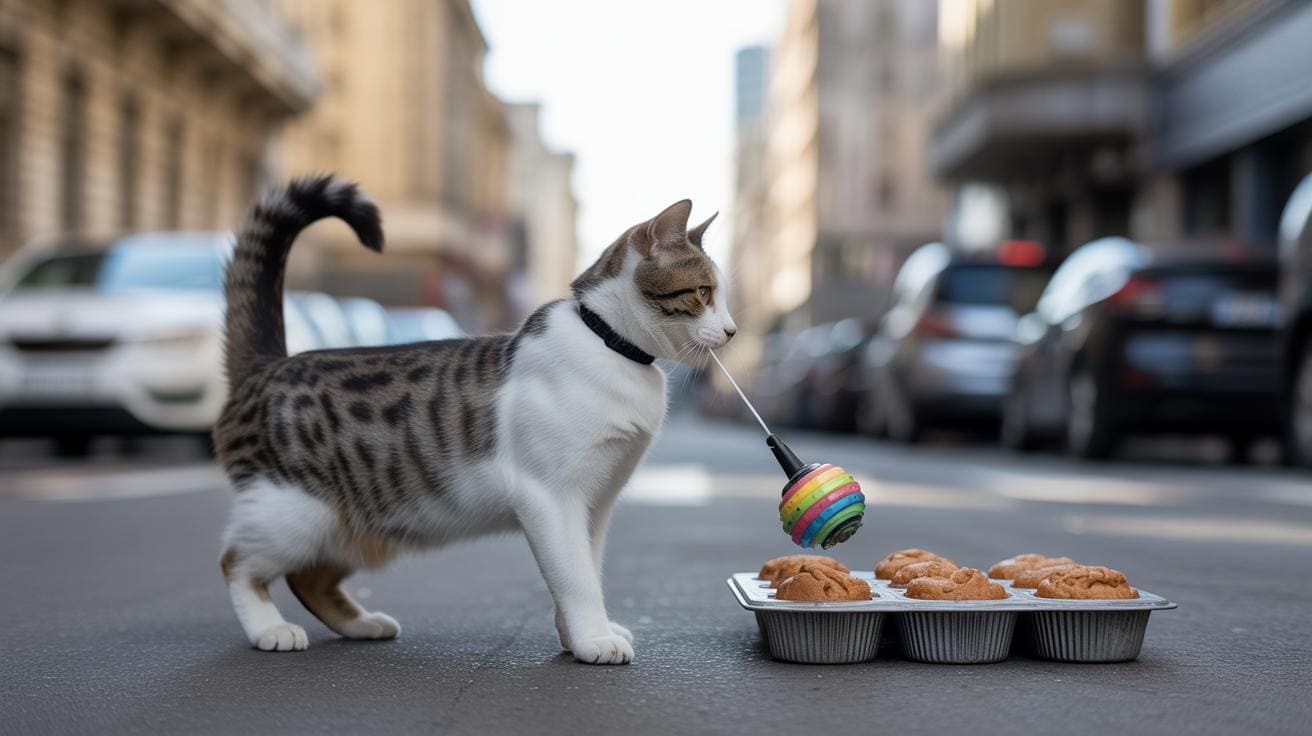
  • Cardboard treat puzzles – budget foraging (use a muffin tin or folded-box puzzle to hide kibble; simple, cheap, and very rewarding). Fold boxes so treats fall out when pawed, and watch them dig and problem-solve.

Safety and smart play: check toys often for loose parts or chewing hazards and never leave long strings out unsupervised. Keep treats and puzzle food to under ten percent of daily calories so feeders don’t overload their diet. Rotate toys on a one- to two-week schedule to keep things fresh. Watch how your Sokoke plays and tweak the mix , more chase toys for the zoomers, more puzzles for the thinkers , and you’ll have a happy, busy cat.

Worth every paw-print.

Training, grooming, diet and health notes tied to Sokoke behavior

- Recommended toys, puzzle feeders and budget DIY enrichment for Sokoke cats.jpg

Sokokes usually only need a quick weekly brush. Their short coat (close-lying fur that rarely mats) sheds very little and stays tidy, so five minutes while you watch TV often does the trick. Trim nails, do gentle ear checks, and spend a few minutes brushing their teeth (use cat toothpaste) to keep them comfortable and cut down on surprise vet bills. Make those moments calm and regular, and they’ll feel more like playtime than chores, claw-tastic bonding, really.

Feed a high-protein, balanced diet to match their athletic metabolism. High-protein means food that helps fuel their lean, jumpy bodies. Keep treats under 10 percent of daily calories so you don’t accidentally overdo it. Watch their weight closely. An active cat that isn’t getting enough play can quietly pack on pounds, so pair feeding with puzzle feeders (food-dispensing toys that slow eating and add play) or a short chase session when meals are offered. For busy days, toss an unbreakable ball before you head out; that’s ten minutes of good exercise.

Plan on an annual vet check and dental care as your vet recommends, plus parasite prevention. Do quick weight checks at home between visits so you catch changes early. To make clinic trips less stressful, train them to like their carrier with short, treat-filled sessions, leave it open around the house with a comfy blanket and treats inside. Use a pheromone diffuser (a calming scent product) at home before travel to help them stay calm. Small habits make a big difference.

Training taps into Sokokes’ smarts. Use positive reinforcement, clicker training (a small device that makes a clicking sound), and target games to teach handling, leash steps, and vet-friendly moves. Keep sessions short and fun, and always reward them, mental workouts help stop bored behavior and make travel and care much easier. Ever watch a Sokoke figure out a puzzle toy? It’s hilarious and oddly satisfying.

Final Words

In the action, we covered the Sokoke’s origin, its dog-like selective social temperament that forms deep bonds, and the sharp stress signals you can spot quickly.

We outlined common personality traits, typical vocal and affection patterns, practical home setup for climbing and water play, a sample daily routine, and toy and training ideas to keep multi-cat homes running smoothly.

The Sokoke cat: temperament and enrichment tips here give busy multi-cat homes a simple, practical plan you can start this week. Play sessions, vertical space, puzzle feeders, and slow introductions help keep cats curious, fit, and calm. Worth every paw-print.

FAQ

FAQ — Sokoke Cats

What is the temperament of a Sokoke cat?

The Sokoke is dog-like and selectively social, forming deep bonds with chosen people. They are active, curious, usually not lap cats, and communicate with soft meows and chattering.

Are Sokoke cats good indoor cats?

Yes—Sokokes can thrive indoors when provided tall climbing spaces, interactive play, puzzle feeders, and supervised outdoor time; they need active mental and physical outlets.

How do I provide more enrichment for my cat?

Offer short high-energy wand sessions, rotating puzzle feeders, wall shelves for climbing, supervised harness walks, water-play spots, and scent or hide-and-seek games.

What are common Sokoke stress signals and how should I introduce them to people or pets?

Stress signals include reduced appetite, excessive hiding, and increased aggression. Introduce new people or pets slowly, keep routines, use short supervised meetings, and provide escape routes and familiar items.

How should I set up my home for a Sokoke (vertical, outdoor, water)?

Focus on tall climbing spaces, warm insulated perches, a secure catio or supervised harness walks, and safe water-play areas like faucets or fountains for curious cats.

What is a sample daily enrichment schedule for a Sokoke?

Sample schedule: morning 15–20 minute interactive play, midday puzzle-feeder sessions, afternoon 20–30 minute supervised outdoor walk, and evening perching or short play to wind down.

What toys and DIY options work best for Sokoke cats?

Good options include wand teasers, puzzle feeders, sturdy cat trees, water fountains, durable scratchers, scent toys, interactive electronic toys, and simple cardboard or muffin‑tin foraging puzzles.

How can I identify a Sokoke and what about price, size, and availability?

Sokokes have a wild, patchy tabby coat, slender athletic build, and medium size. The breed is rare—kittens are uncommon and often pricey, available mainly through specialist breeders or rescues.

What is the calmest cat breed and where does the Sokoke fit?

Breeds often cited as calm include Ragdoll, British Shorthair, and Persian. Sokokes are generally more active and curious, so they are not among the calmest breeds.

Author

  • Isabella Tiu

    Isabella Tiu is a transcriptionist from Calhoun, Florida, known for her sharp attention to detail and her commitment to providing accurate and efficient transcription services. With a passion for language and communication, she thrives on transforming spoken words into clear, readable content for her clients.

    When she's not working, Isabella enjoys hiking and camping, finding peace and inspiration in the beauty of the outdoors. She often says, “The best lessons are often learned in nature,” a philosophy she embraces both in her work and personal life.

    Isabella’s love for both her craft and the natural world reflects her belief in continuous learning and exploration.

    View all posts

Similar Posts