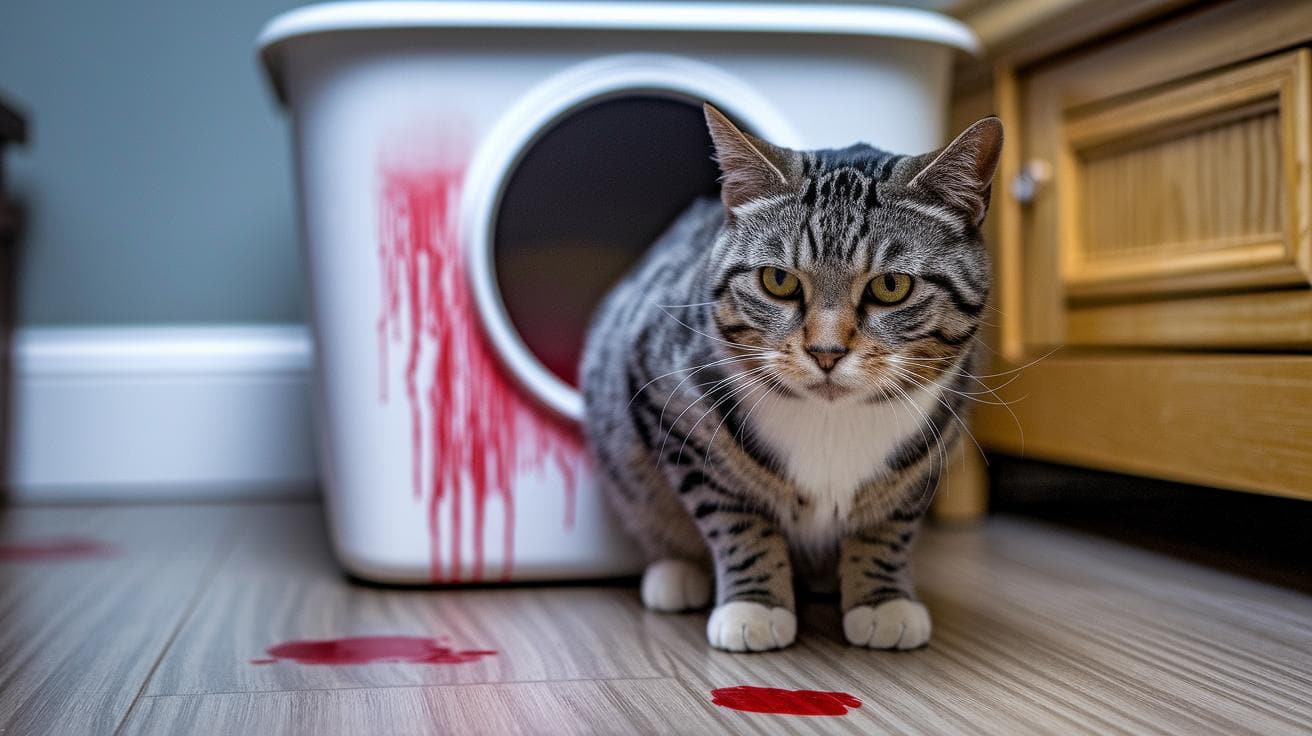
Ever thought your cat’s litter box was just litter and pee? Oops, let me rephrase that – what if it’s actually a tiny health lab? Under a microscope (a tool that makes little things look huge) those crystals sparkle like sad disco balls. And each color and shape tells a bladder story.
You might spot coffin-lid prisms (flat crystals shaped like tiny coffins), envelope Xs (folded like little letters), dumbbell spikes (mini rods with knob ends), and more. Catching odd shapes early can spare you a messy vet trip.
This guide walks you through the colors, shapes, and sizes you’ll see under the lens. Ready to be your kitty’s litter detective?
What Do Cat Urine Crystals Look Like Vividly
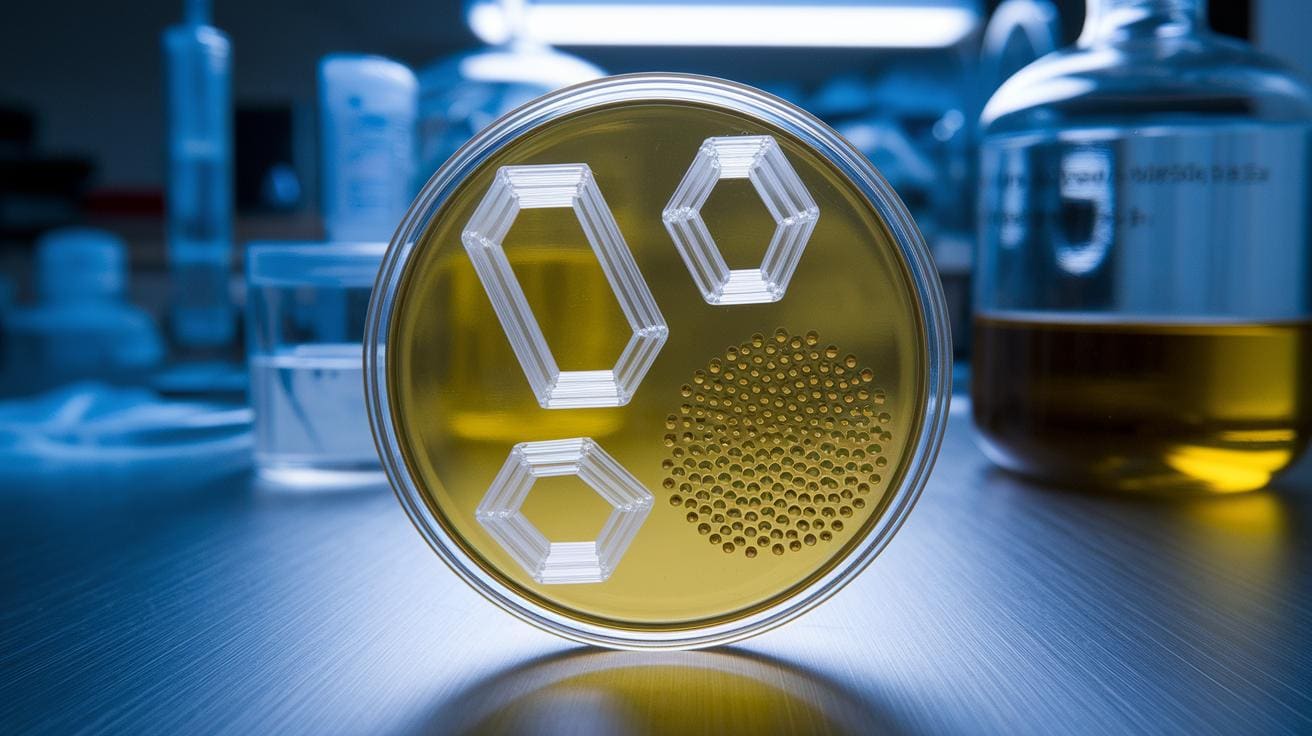
Ever peeked at your cat’s urine under a microscope? Spoiler: it’s full of tiny crystal shapes that clue us in on bladder health. They range from about 5-40 µm (micrometers, one-millionth of a meter or roughly the width of a human hair). And each shape and color tells its own tale.
Spot a clear coffin-lid prism. That’s a struvite crystal, often tied to urinary infections – gross but true. A little clear envelope with an X stamped on it? That’s calcium oxalate dihydrate (like finding a tiny unwanted letter). Spindle-shaped monohydrate oxalate crystals, kind of like mini dumbbells, hint at chemical imbalances. Yellow-brown bumpy spheres are ammonium biurate from liver issues. You might also find yellow-brown ovoid xanthine crystals, colorless hexagonal cystine plates, or orange-red bilirubin needles. Matching these visual patterns to crystal types helps vets pick the right diet or treatment fast.
| Crystal Type | Color | Shape | Size (µm) |
|---|---|---|---|
| Struvite | Clear | Coffin-lid/prism | 5-20 |
| Calcium Oxalate Dihydrate | Clear | Envelope with “X” | 5-15 |
| Calcium Oxalate Monohydrate | Clear | Spindle/dumbbell | 5-10 |
| Ammonium Biurate | Yellow-brown | Irregular sphere | 10-40 |
| Xanthine | Yellow-brown | Ovoid | 5-20 |
| Cystine | Colorless | Hexagonal plate | 5-15 |
| Bilirubin | Orange to reddish-brown | Needle | 5-30 |
If your cat’s urine looks sandy or cloudy to the naked eye, it’s time to collect a fresh sample and sneak a peek under the microscope – those grains might actually be a swarm of crystals.
Collecting Cat Urine Samples for Crystal Detection
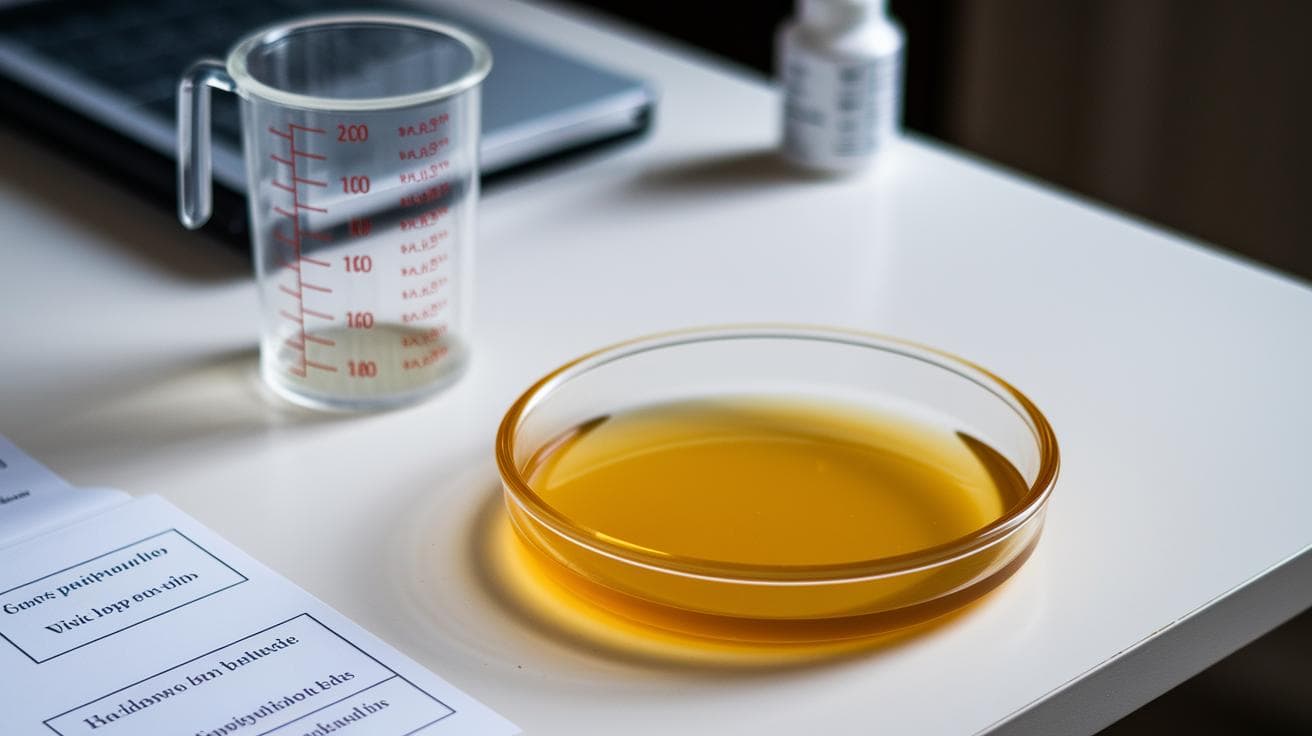
So, if you’re tracking down those sneaky crystals at home, start with a non-absorbent litter tray (no-scour sand) or slide a clean, shallow dish (like a little baking pan) under your cat’s regular litter. Ever watched your kitty circle the tray? When they go, you’ll spot a fresh puddle glistening, you scoop it up. Easy and almost stress-free.
In the clinic, vets might ask for a free-catch sample (just let Kitty wander into a clean tray). Or, if they need more, they could do bladder centesis (drawing urine with a tiny needle) or catheterization (inserting a thin tube), both under mild sedation so your cat stays comfy.
As soon as you have the pee, label it with your cat’s name, date, and time. Then pop it into a sterile container (germ-free for a squeaky-clean test) within 30 minutes. This step is super important for any urinalysis (urine test).
Store it at about 4 °C (fridge-cold) and aim to have it checked within four hours. Let it sit longer and the urine pH (how acidic it is) might drift above 6.6 or below 6.3, making crystals appear or vanish. That could trick your vet with fake deposits (artifacts).
Handy tips:
- Use fresh trays or dishes each time and wash them well afterward
- Keep the container sealed tight and pack it on ice during transit
- Note if your cat’s been on meds or has a fever, stress and drugs can shift urine chemistry
Getting the sample right and storing it safely lays the groundwork for accurate crystal counts and better treatment choices. Worth every paw-print.
Microscopic View of Cat Urine Sediment
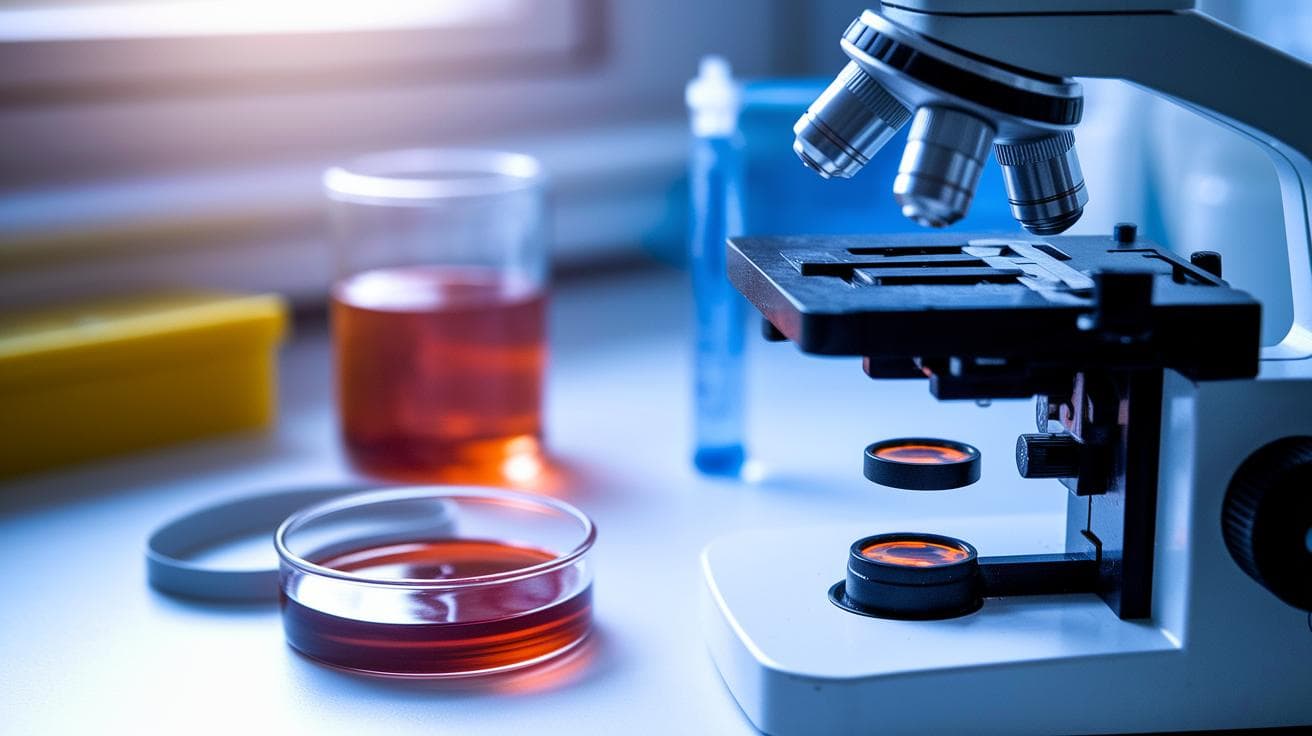
Ever peek at your cat’s pee under a microscope? It’s like scoring a backstage pass to bladder health. By spotting crystals early, we can nip issues in the bud. And that keeps your feline feeling fine.
Here’s how to do a simple urine sediment check (that’s a lab test to find particles):
- Spin 5 mL of fresh urine in a centrifuge (spin machine that packs stuff down) at 1,500 rpm for 5 minutes.
- Pour off the clear liquid (supernatant, basically the top water) but keep the pellet of particles at the bottom.
- Stir that pellet in 0.5 mL of supernatant so the crystals get tightly packed.
- Place a drop on a slide and scan under low power (10×) to find clumps or bits.
- Switch to high power (40×) to see crystal shapes (think mini diamonds) and their colors.
- Count crystals per high-power field (HPF is one view slice). More than 10 crystals per HPF is not normal.
Note the urine pH (acidity level) and specific gravity (density). pH over 6.6 or under 6.3 can hide or fake crystals, so always test pH right before you spin, and use fresh samples only, old pee will trick you.
Worth every paw-print.
Detailed Overview of Common Cat Urine Crystal Types
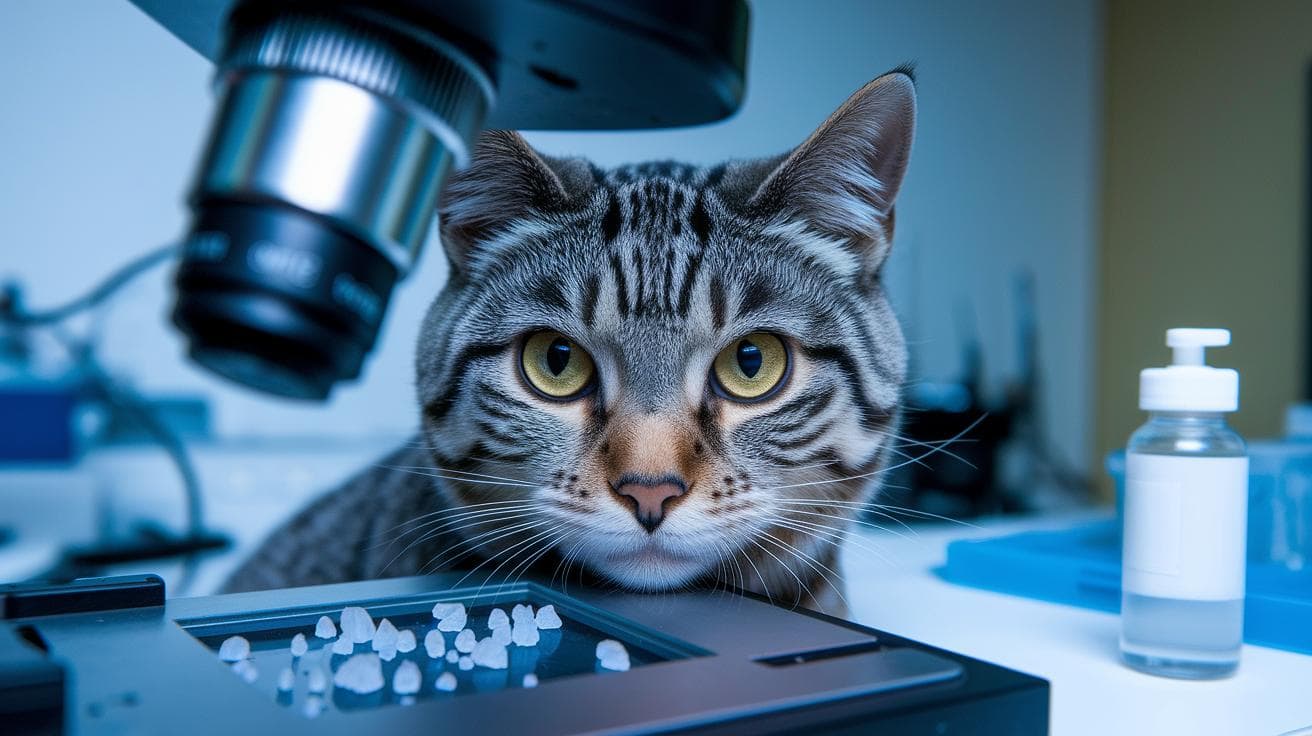
Struvite Crystals
Ever noticed your cat’s pee smelling extra strong? Struvite crystals are tiny, grain-like bits often linked to urinary infections. They often dissolve on a low-magnesium, low-phosphate diet. Try adding an extra scoop of wet food (it’s like giving your cat a mini hydration boost) to help rinse them out. And cutting back on magnesium turns up the speed on crystal break up!
- Clinical tip: Offer more wet food and dial back magnesium to speed crystal dissolution.
Calcium Oxalate Crystals
Calcium oxalate crystals often hint at toxin exposure like antifreeze. They can build into stubborn bladder stones that refuse to budge. To keep new ones from forming, boost urinary citrate with potassium citrate and make fresh water your cat’s best friend! Then, double check for any toxin risks around the house.
- Clinical tip: Increase potassium citrate, keep water bowls full, and scan for household toxins.
Ammonium Biurate Crystals
Ammonium biurate crystals point to liver hiccups in your kitty’s system. They show up when the liver isn’t processing waste as it should. If you spot these, plan on running liver enzyme tests or grabbing an abdominal ultrasound. And consider a liver-friendly diet to smooth things out!
- Clinical tip: Test liver enzymes, schedule an ultrasound, and switch to a hepatic-support diet.
Cystine Crystals
Cystine crystals signal a hereditary amino acid transport glitch – like a traffic jam in the kidney filter. These crystals tend to return, so prevention is key. A low-protein diet plus urine alkalinizers like potassium citrate can keep them at bay. Genetic screening can help flag any repeat offenders!
- Clinical tip: Try genetic screening, feed low protein, and add potassium citrate to keep urine alkaline.
Xanthine Crystals
Xanthine crystals mean your cat is missing an enzyme to break down purines – like a missing tool in a toolbox. You can outsmart them by offering a low-purine diet and making fresh water available 24/7. A cat water fountain is purr-fect to flush xanthine crystals out!
- Clinical tip: Serve low-purine meals and keep water flowing freely to flush xanthine.
Bilirubin Crystals
Bilirubin crystals flag a backup in bile flow or a buildup in the liver. They’re like little SOS signals from your cat’s body. Spotting them means it’s time to check bile acids and think about adding a hepatoprotective supplement like SAMe. It’s all about keeping the bile highways clear!
- Clinical tip: Test bile acids and introduce SAMe for smoother bile passage.
Amorphous Crystals
Amorphous crystals are the tiny, shapeless fragments with almost no clinical weight. They’re usually harmless on their own. No fancy diet is needed – just zero in on any bigger crystals you find and keep your cat super hydrated. A full water dish is all it takes!
- Clinical tip: Focus treatment on defined crystals and always provide plenty of water.