what do maine coon cats eat Perfect Nutrition Tips

Ever watch your Maine Coon gobble dinner and still beg for more?
These gentle giants burn nearly 20 percent more energy per pound than your average house cat.

When your regular kibble just isn’t cutting it, you’ll hear the extra meows. I mean, um, who wouldn’t crave a snack after a day full of zoomies?

Mixing animal protein (real meat muscle), healthy fats (good oils for shiny fur), and essential nutrients (key vitamins and minerals) keeps your fluffball fit, fueled, and ready to pounce. You’ll notice their coat glowing, muscles flexing, and that playful spark in their eyes. It’s like giving them a backyard safari in every bite. Worth every paw-print.

In this guide, I’ll show you purrfect nutrition tips for big-boned fluffballs. You’ll learn how to dial in their meals for shiny coats, strong muscles, and non-stop play!

What Maine Coon Cats Eat: Feeding Fundamentals
- What Maine Coon Cats Eat Feeding Fundamentals.jpg

Ever wonder what Maine Coon cats like to chow down? These gentle giants need a meal plan that suits their big frame and slower metabolism. A mix of protein and healthy fats keeps them feeling agile, not chunky. It’s all about meeting those unique nutrition needs.

Here’s the claw-tastic stuff to include:

  • Animal protein (at least 50% from chicken or salmon first)
  • Animal fats (up to 20% for energy and healthy skin)
  • Taurine (an amino acid for heart and vision support)
  • Antioxidants for a strong immune system
  • Low carbs (under 3% so they don’t store extra fat)

And here’s what to skip:

  • Fillers like corn or wheat that water down real protein
  • Artificial additives or preservatives
  • High-carb grains or starches
  • Meat by-products with low nutrition value
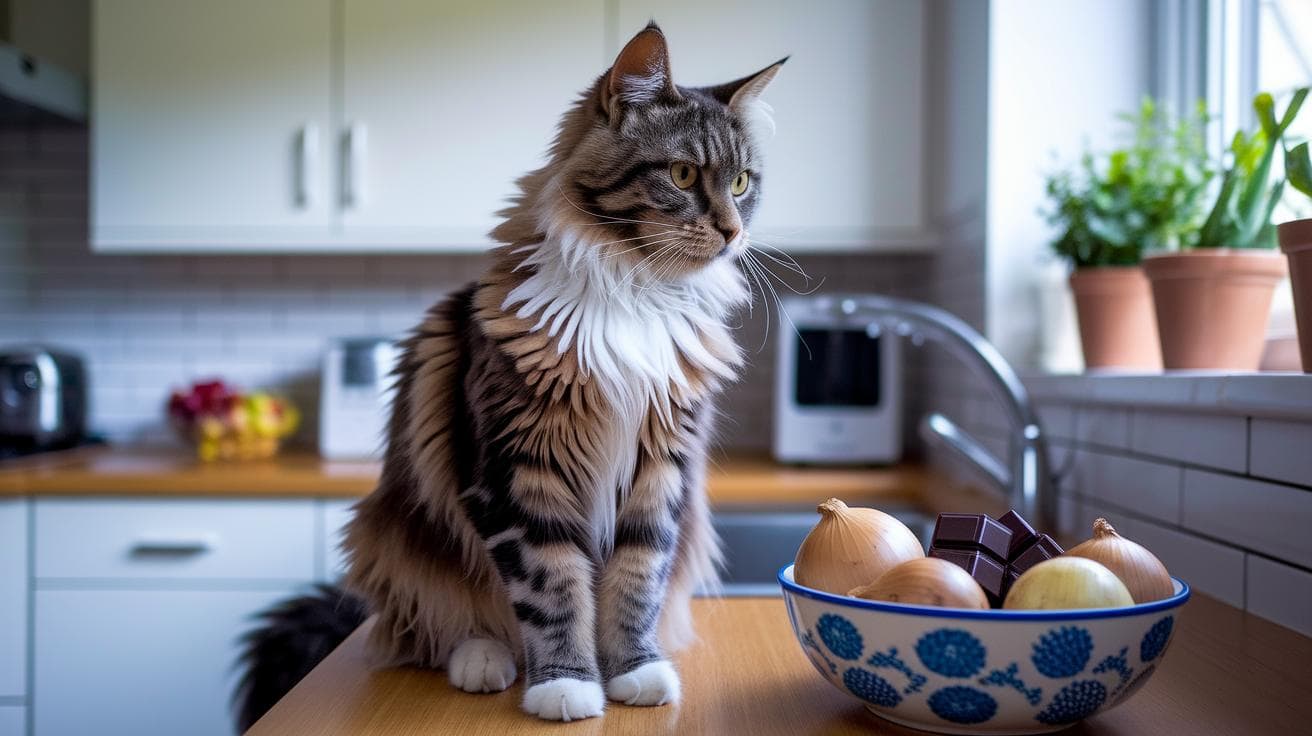
  • Toxins such as onion, garlic, or chocolate

Next, mix wet food with dry kibble for a purrfect balance. Wet food boosts moisture and delivers extra protein for happy hydration. Dry kibble adds crunch to help clean teeth with each bite. Rotate proteins, chicken one day, salmon or turkey the next, to keep them curious and engaged.

Portion control is key, uh, watch those serving sizes. Pre-portion meals into labeled containers so you don’t overfeed on busy days. Add a splash of warm water to kibble if your cat drags its paws at mealtime. This routine keeps your Maine Coon excited, maintains lean muscle, and prevents extra pounds.

Worth every purr.

Key Nutrients & Supplements for Maine Coon Cats
- Key Nutrients  Supplements for Maine Coon Cats.jpg

Maine Coon cats need a menu loaded with protein, good fats, and a few special boosters. These power foods keep muscles strong, joints sliding smoothly, and that glossy coat sparkling. Ever seen your big fluffball gleam in the sunlight? That’s the magic of a well-fed Maine Coon!

  • Animal protein (lean chicken or salmon should be at least half the plate)
  • Animal fats rich in arachidonic acid (a must-have fat for cell health) and omega-3 (skin-and-coat superheroes)
  • Taurine (an amino acid for heart and eye health)
  • Antioxidants like vitamins C and E (tiny shields against cell damage)
  • Glucosamine and chondroitin (joint cushions that feel like soft pillows between bones)

Real food really hits the spot. Picture roasted chicken delivering solid protein for your kitty’s muscles. Then salmon or fish oil slides in with omega-3, tuning up skin and coat until they gleam. Taurine is already in meat, but when a label calls it out you know your cat’s heart and eyes are covered. Some wet foods pack fruits or veggies full of antioxidants, think shield heroes fighting off daily wear and tear. And glucosamine plus chondroitin? They’re like little pillows helping big paws leap without squeaks.

Food alone sometimes needs a sidekick. If your cat’s tummy gets upset – maybe after antibiotics – stir in a sprinkle of prebiotics (food for good gut bacteria) or probiotics (friendly bacteria buddies). Got urinary worries? Ask your vet about a urinary support formula with cranberry extract (helps keep pH balanced). And for hairball trouble? A hairball control supplement (a dash of fiber or gentle oil) a couple times a week can help. Always check with your vet before adding anything new. Then get ready for that next zoom-pounce session – your Maine Coon will thank you.

Choosing Between Wet and Dry Food for Maine Coon Cats
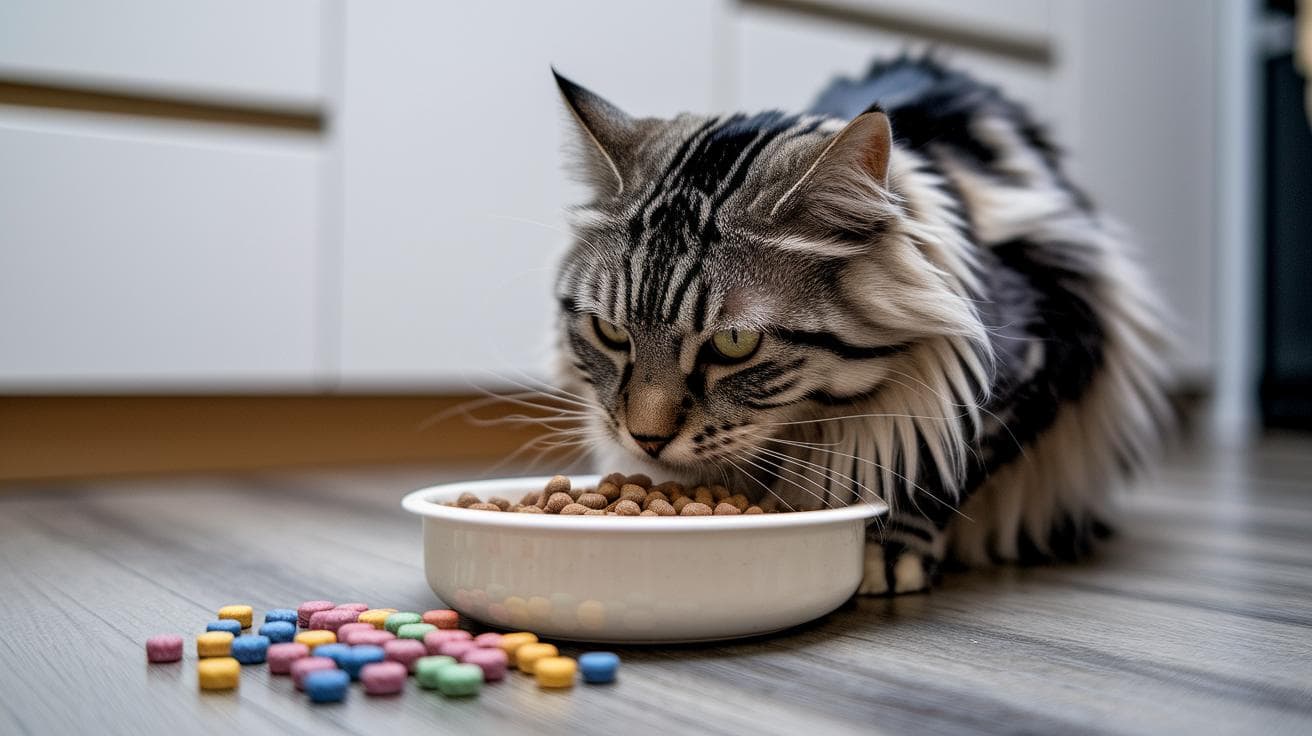
- Choosing Between Wet and Dry Food for Maine Coon Cats.jpg

Ever watched your Maine Coon nose the bowl and wonder what’s best? Let’s break it down.

Wet food is like a little stew, soft and rich, and loaded with moisture (water content) to support kidney health. It also packs extra protein and healthy fats to power up those big paws. The trade off is it needs fridge time or a speedy scoop, and it can cost a bit more per meal.

Dry kibble brings that satisfying crunch. Each bite helps scrape away plaque (that sticky film on your cat’s teeth) and tartar. It’s super simple to scoop, measure, and stash in the pantry. But it’s low on water. Your kitty might gulp extra at the bowl and even overeat.

So wet or dry? It all comes down to your cat’s taste, your schedule, and what feels right. Happy feeding.

Homemade and Raw Diet Options for Maine Coon Cats
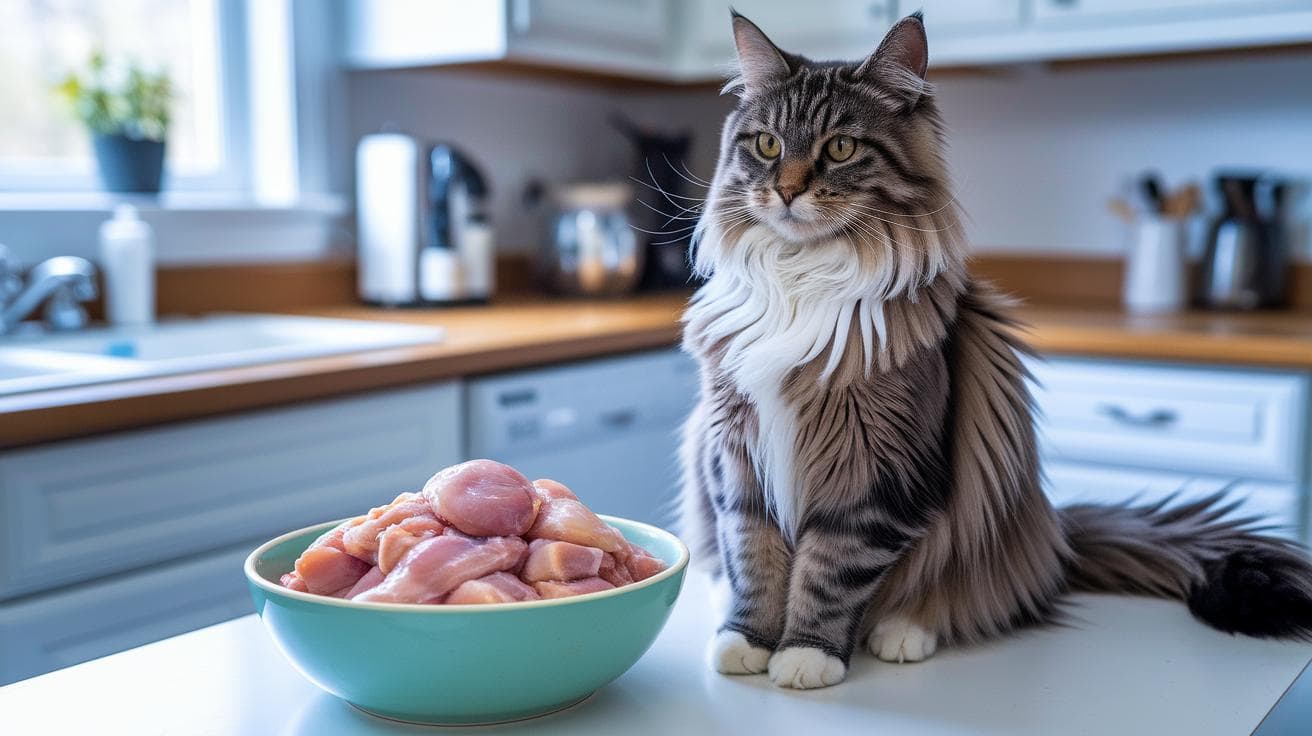
- Homemade and Raw Diet Options for Maine Coon Cats.jpg

Ever thought about feeding your Maine Coon like a little wild hunter? Tiny bites of meat, organs, and bones can give them a coat that gleams and energy to spare. It feels more natural, and many cat parents swear their kitties are more playful and full of pep. It does take a bit of planning, though.

Raw Feeding Basics

Most raw meals mix chicken thighs, liver, and hearts with bone meal (ground-up bones for calcium). A handy ratio is 80 percent muscle meat, 10 percent organs, and 10 percent bone. You’ll need about 40 pounds of meat in your freezer for batch prep. Ever seen whiskers twitch as a piece of liver lands on the plate? Seriously adorable. Hygiene is crucial, wash your hands, sanitize those bowls, and never leave raw servings out more than an hour or two.

Homemade Recipe Ideas

Here’s a simple DIY start:

  • 80 percent muscle meat (diced chicken thighs)
  • 10 percent organ meat (liver or heart)
  • 10 percent bone meal (ground-up bones for calcium)

Thaw portions in the fridge, not on the counter. Use BPA-free containers. Wear gloves when handling organs to cut down on germs. Rotate proteins, turkey one day, rabbit the next, to keep your cat from getting picky.

Commercial Raw Diets

Short on prep time? Commercial raw diets can be a claw-tastic help. Some brands freeze-dry bite-size pieces for easy serving, while others come thawed and ready to go. Peek at ingredient lists for single-source proteins, and expect to spend a bit more for brands that lab-test each batch for quality.

Next time your Maine Coon zooms around the room, picture them tackling a raw chicken heart. It’s a wild feast at home, just plan ahead, stay clean, and watch those whiskers!
Life Stage & Portion Guidelines for Maine Coon Cats

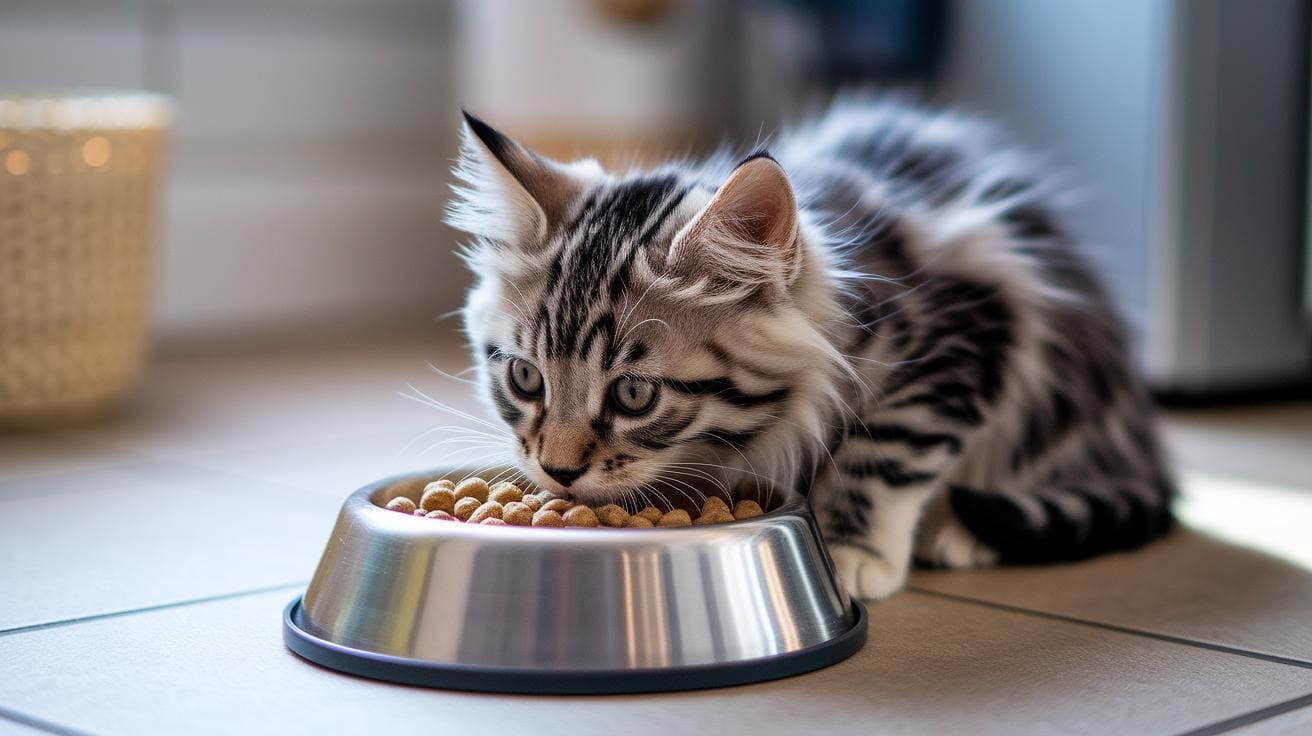
- Life Stage  Portion Guidelines for Maine Coon Cats.jpg

Your Maine Coon’s meal plan grows as they do. Kittens, adults, and seniors all need different energy levels and meal times to stay lean and playful.

Kitten Feeding Guidelines

• 24 to 35 kcal (food calories) per 500 g of body weight (about 1.1 lb)
• 4 to 6 small meals a day
• Sample portions: 50 g wet / 20 g dry

Kittens have tiny tummies but sky-high energy. Offering small, frequent meals keeps their blood sugar steady and helps them grow strong without overloading their digestion. Ever watched a kitten’s whiskers twitch as they nibble? It’s adorable.

Adult Feeding Guidelines

• 24 to 35 kcal per 500 g of body weight (about 1.1 lb)
• 2 meals a day
• Sample portions: 80 g wet / 40 g dry

Adult Maine Coons need steady fuel for muscle tone and play. Two balanced meals help prevent bowl-side begging and keep energy steady. These big fluffballs love to pounce, so keep that energy coming!

Senior Feeding Guidelines

• 20 to 30 kcal per 500 g of body weight (about 1.1 lb)
• 2 smaller meals a day
• Sample portions: 70 g wet / 35 g dry

As they get older, Maine Coons may slow down and pack on extra padding. A slightly lower calorie count and more wet food (easier to digest) can help keep joints happy and waistlines trim. Slow down the calories, but not the fun, I guess.

Keep an eye on your cat’s body condition using a simple 1 to 9 scoring chart to spot extra pounds or lean areas. Adjust each portion by about 10 percent if your kitty’s back melts into fluff or you can feel ribs without a light cover. Worth every paw-print.

Managing Weight, Allergies, and Toxic Foods for Maine Coon Cats

- Managing Weight, Allergies, and Toxic Foods for Maine Coon Cats.jpg

Maine Coons tend to pack on extra padding because they move at a snail’s pace and love to eat. Itchy paws or tummy grumbles often point to a food intolerance. Instead of only checking the scale, try a body condition score (BCS) from 1 (too thin) to 9 (too fluffy).

Watch out for these no-no foods:

  • Onions (even onion powder can harm red blood cells)
  • Garlic and chives
  • Chocolate (dark or milk)
  • Grapes and raisins
  • Dairy like milk or soft cheeses (many cats can’t digest lactose)

To ease allergies or sensitivities:

  • Offer a limited-ingredient diet with a single protein source
  • Run an elimination trial (swap one food at a time and watch for reactions)
  • Ask your vet about allergy testing, sometimes we need a little help
  • Switch to a hypoallergenic wet formula (canned food for sensitive tummies)
  • Keep a food journal to track ingredients and flare-ups

Portion control is the real game-changer. Measure your cat’s meals with a kitchen scale or measuring cup. If your fluff gets extra floofy, cut or add about 10 percent. Then sneak in playtime – 10-minute wand chases or treat-dispensing toys always do the trick. Picture your kitty’s whiskers twitching as she bats a rolling ball. It’s a simple way to keep lean muscle and a shiny coat without banning treats.

Worth every meow.

Enrichment and Feeding Environment for Maine Coon Cats

- Enrichment and Feeding Environment for Maine Coon Cats.jpg

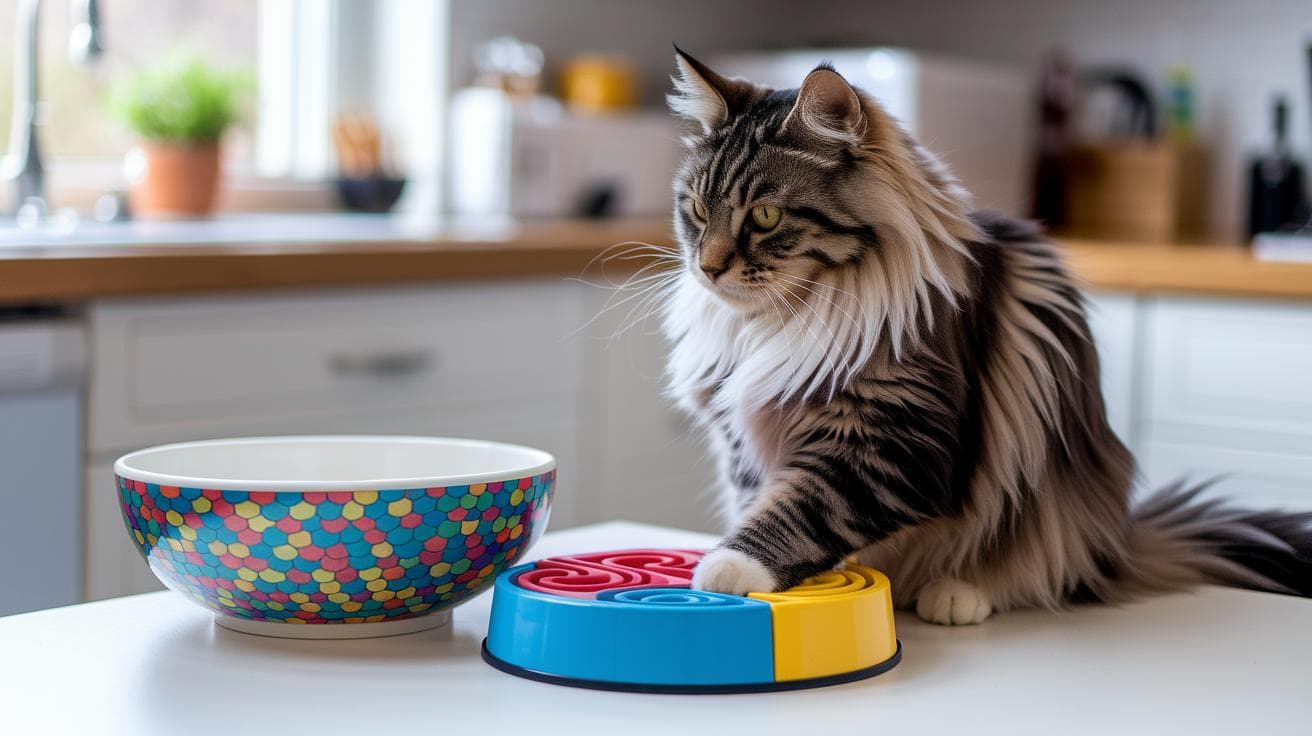
Feeding time can double as brain time for your Maine Coon. Puzzle toys tickle their curious whiskers and turn kibble into a fun scavenger hunt. Ever watched them bat a ball to find hidden treats? It’s like play and dinner rolled into one.

Next, add a slow feeder bowl (with raised ridges or maze patterns – twisty routes for food). It makes your cat take smaller bites, so digestion gets a boost and gulped air drops. Uh, less furry tummy grumbles.

Then try treat-dispensing toys that spread snacks into tiny chambers (mini treasure chests). Every nudge or paw swipe earns a reward and a little cheer. You’ll love the soft thud of a rolling treat.

Place a few water stations in quiet corners around the house. Fresh sips between puzzle sessions keep your Maine Coon hydrated and happy. Ever see them lap water like a pro?

Finally, rotate bowls and swap feeder styles each week. New spots and unexpected textures keep meals exciting, stop boredom, and sharpen hunting instincts. Worth every paw-print.

Selecting Commercial Foods: Budget to Premium for Maine Coon Cats

- Selecting Commercial Foods Budget to Premium for Maine Coon Cats.jpg

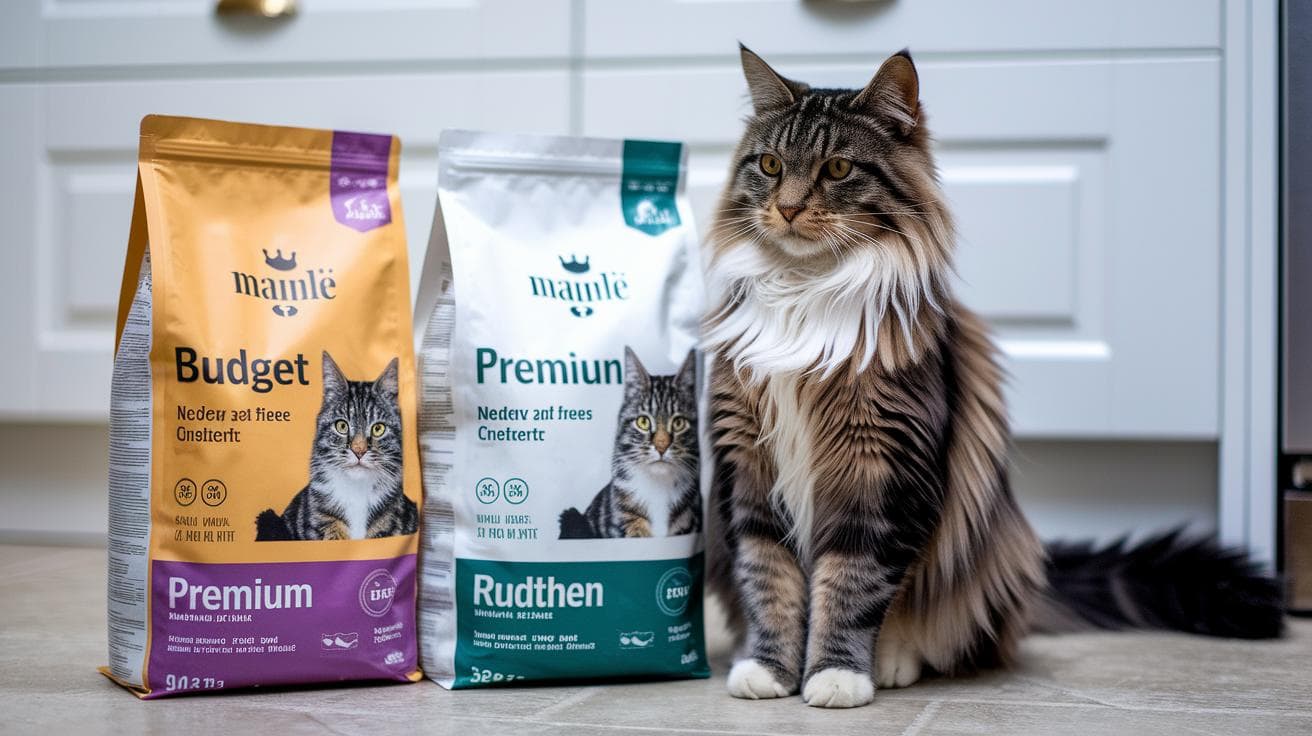
Finding the right food for your huge, fluffy Maine Coon can feel like juggling fish and feathers – budget on one paw, nutrition on the other. Dry kibble (little crunchy bites) lasts for weeks and stacks neatly in your pantry, so it’s an easy pick when you want steady costs. But quality swings from meh to wow, so if you’re on a tight budget, read every label like it’s a treasure map. Ever wonder what those long ingredient lists really mean?

On the cheaper side, you can score a bag of kibble for about $1 per pound. Make sure real meat or fish tops the list – chicken, turkey, or salmon – so your cat gets at least 30 to 35 percent protein. Premium recipes crank animal protein above 50 percent and pack up to 20 percent healthy fats. They run around $3 to $5 per pound and often ditch grains, but heads up: a few grain-free lines had recalls, so double-check before you buy.

Okay, here’s a little secret: I mix Purina Pro Plan canned food (soft, savory morsels) with dry kibble. My kitty’s coat stayed shiny, and her tummy stayed happy for three years straight – without emptying my wallet. Worth every paw-print.

Turn label reading into a daily habit. Look for “complete and balanced” on the front – that means the food ticks all the nutrition boxes. Scan the ingredients and make sure chicken, turkey, or salmon comes first. That simple trick keeps your Maine Coon’s big breed nutrition on track, no matter how much you spend.

Final Words

In the action, you learned to tailor a Maine Coon’s meal plan, from breed-specific feeding basics and must-have nutrients to finding the perfect mix of wet, dry, and homemade options.

You’ve got quick life-stage portion guides, weight and allergy tips, enrichment tools and label reading tricks for budget to premium picks.

Wondering what do maine coon cats eat? You’re all set to serve up paws-down delicious meals that keep them purring, playful, and healthy every day.

FAQ

What do Maine Coon cats eat in the wild?

Maine Coon cats in the wild eat small birds, rodents, and fish, packing their diet with high animal protein and taurine (heart-support amino acid) to fuel their large, muscular bodies.

What should I feed my Maine Coon kitten?

Feed Maine Coon kittens food with at least 50% animal protein, such as chicken or salmon, plus healthy fats and taurine for growth. Offer both wet and dry formulas designed for kittens.

How much should a Maine Coon eat per day?

Maine Coons need about 24–35 kcal per 500 g of body weight. For example, a 4 kg adult requires roughly 192–280 kcal daily, split into two meals of wet and dry food.

What should I feed my adult Maine Coon cat?

Adult Maine Coons thrive on diets with around 50% animal protein, moderate fats, low carbs (under 3%), plus taurine for heart health. Balance wet and dry food and consider breeds-specific formulas like Royal Canin Maine Coon.

Are Maine Coon cats always hungry?

They’re not always hungry but have slower metabolisms and can overeat. Use measured meals twice daily and puzzle feeders to curb overeating urges.

What makes Maine Coon cats happy?

Interactive play, puzzle feeders, scratching posts, climbing areas, and regular petting sessions make them happy. Rotate toys and offer window perches to engage their curious, social nature.

Can Maine Coons eat raw meat?

Yes, if handled safely: use muscle meat, organs, and bone meal in ratios of roughly 80% muscle, 10% organs, 10% bone. Freeze portions and practice strict hygiene.

Related Articles

Author

  • Isabella Tiu

    Isabella Tiu is a transcriptionist from Calhoun, Florida, known for her sharp attention to detail and her commitment to providing accurate and efficient transcription services. With a passion for language and communication, she thrives on transforming spoken words into clear, readable content for her clients.

    When she's not working, Isabella enjoys hiking and camping, finding peace and inspiration in the beauty of the outdoors. She often says, “The best lessons are often learned in nature,” a philosophy she embraces both in her work and personal life.

    Isabella’s love for both her craft and the natural world reflects her belief in continuous learning and exploration.

    View all posts

Similar Posts