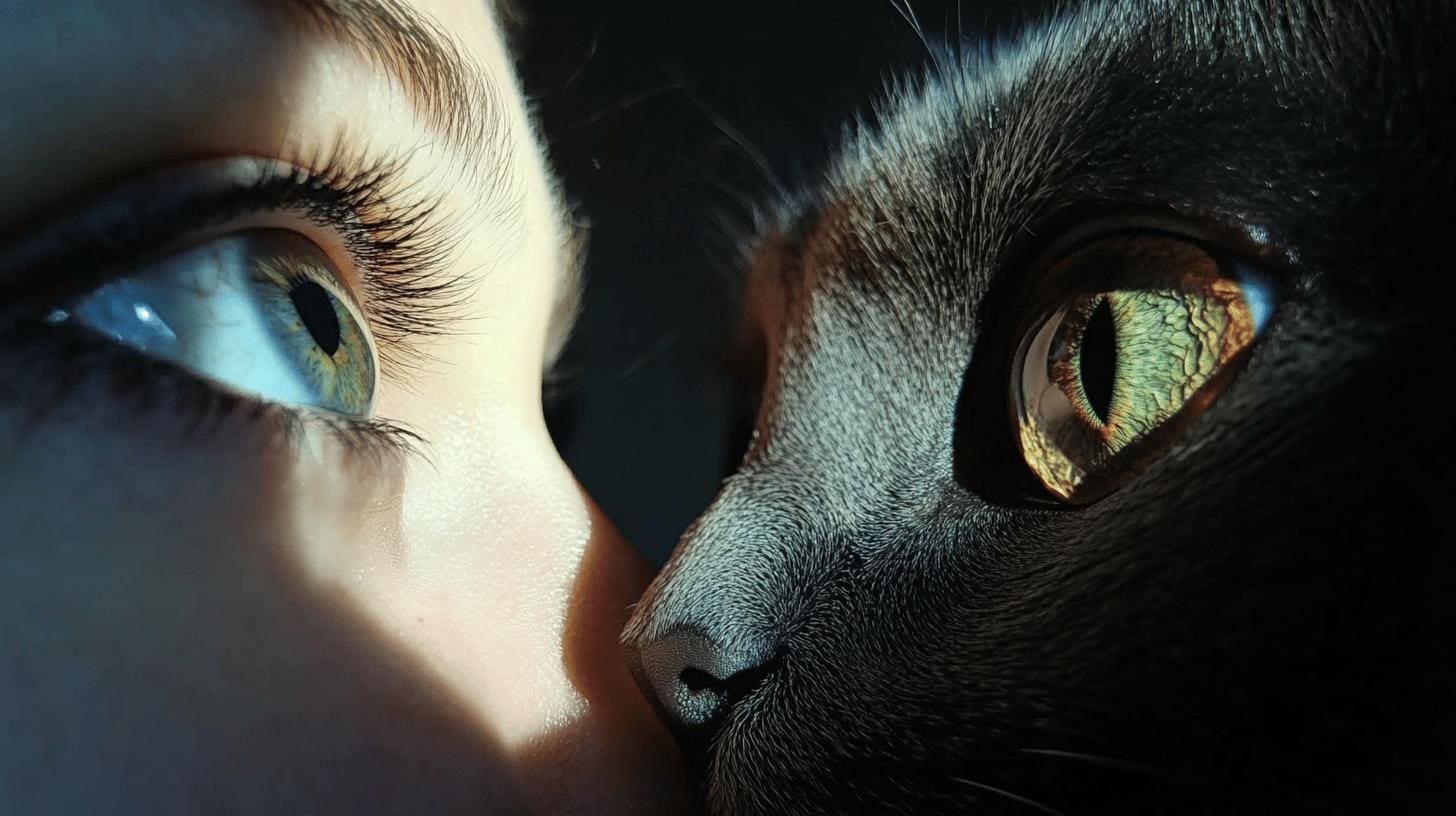
Ever wonder why your cat's eyes glow at night like tiny headlights? This captivating glow isn't just a spooky trick; it's a testament to their incredible night vision. The secret lies in a special mirror-like layer in their eyes called the tapetum lucidum. It's this reflective layer that allows cats to see better in the dark, making them master hunters during dawn and dusk. Curious about how this works and what it means for your feline friend? Let's explore the science and magic behind those glowing eyes.
The Science Behind Why Cat Eyes Glow and Tapetum Lucidum
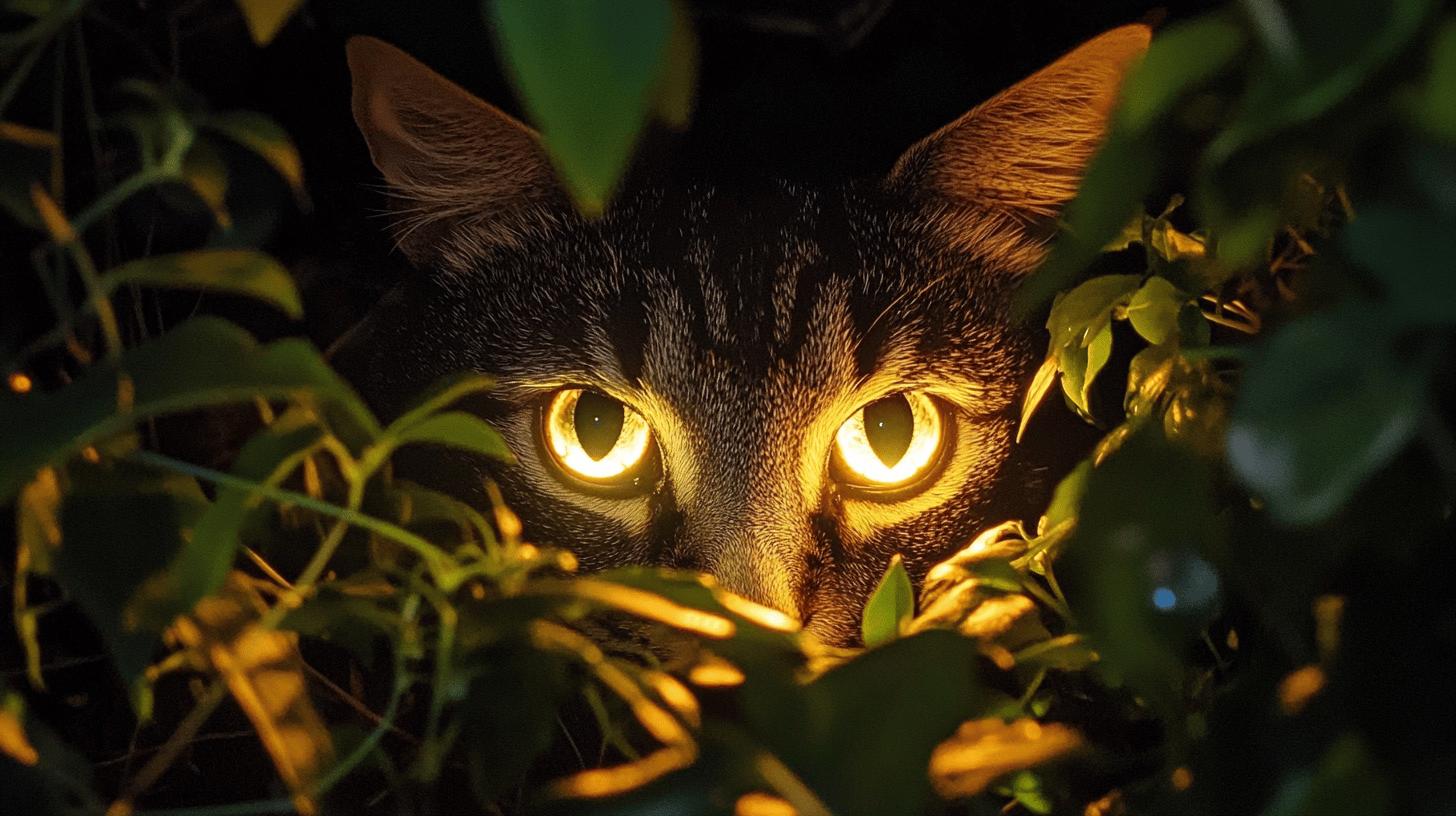
Cats have an extraordinary talent for seeing in the dark, and this is due to a phenomenon called eyeshine. Eyeshine is the mysterious glow we see when a cat's eyes catch the light at night. This glow is not just for show; it's crucial for their survival. Cats are crepuscular hunters, meaning they are most active during dawn and dusk. The ability to see well in low light is vital for stalking prey and avoiding dangers. The glow we observe is actually a reflection of light off a special layer in their eyes, known as the tapetum lucidum.
Let's dive into the fascinating world of the tapetum lucidum. This reflective layer is located behind the retina. When light enters a cat's eye, it passes through the retina, where some of the light stimulates the photoreceptor cells. The tapetum lucidum then reflects the remaining light back through the retina. This double pass of light gives cats a second chance to detect it, enhancing their ability to see in dim conditions. This process is what creates the characteristic glow that we see at night. The tapetum lucidum acts as a natural mirror, amplifying light and making cats' night vision remarkably effective.
However, the advantages of the tapetum lucidum come with some trade-offs. While it significantly boosts night vision, it can also cause images to scatter. This scattering can make daytime vision slightly less sharp compared to animals without this reflective layer. During the day, when light is abundant, the intense reflection can lead to a bit of blurriness, especially when compared to humans, who rely entirely on the initial light that hits the retina.
Here are some key benefits and trade-offs of the tapetum lucidum:
- Enhanced Night Vision: The tapetum lucidum provides cats with superior night vision, allowing them to navigate and hunt in low-light conditions.
- Increased Light Sensitivity: By reflecting light back through the retina, cats can make the most of minimal light conditions.
- Double Light Pass: This feature maximizes the amount of light detected by the retina, improving visual perception at night.
- Daytime Blurriness: The same reflective property that aids night vision can make daytime images less sharp.
- Adaptation for Nocturnal Lifestyle: The tapetum lucidum is a crucial adaptation that supports cats' crepuscular hunting habits.
Understanding the tapetum lucidum helps us appreciate how cats have evolved to become efficient low-light hunters. While this reflective layer enhances their ability to see at night, it can also make daytime vision a bit blurrier. This trade-off is a small price to pay for such an amazing adaptation that allows cats to thrive in nature's shadows.
Variations in Cat Eye Glow Colors
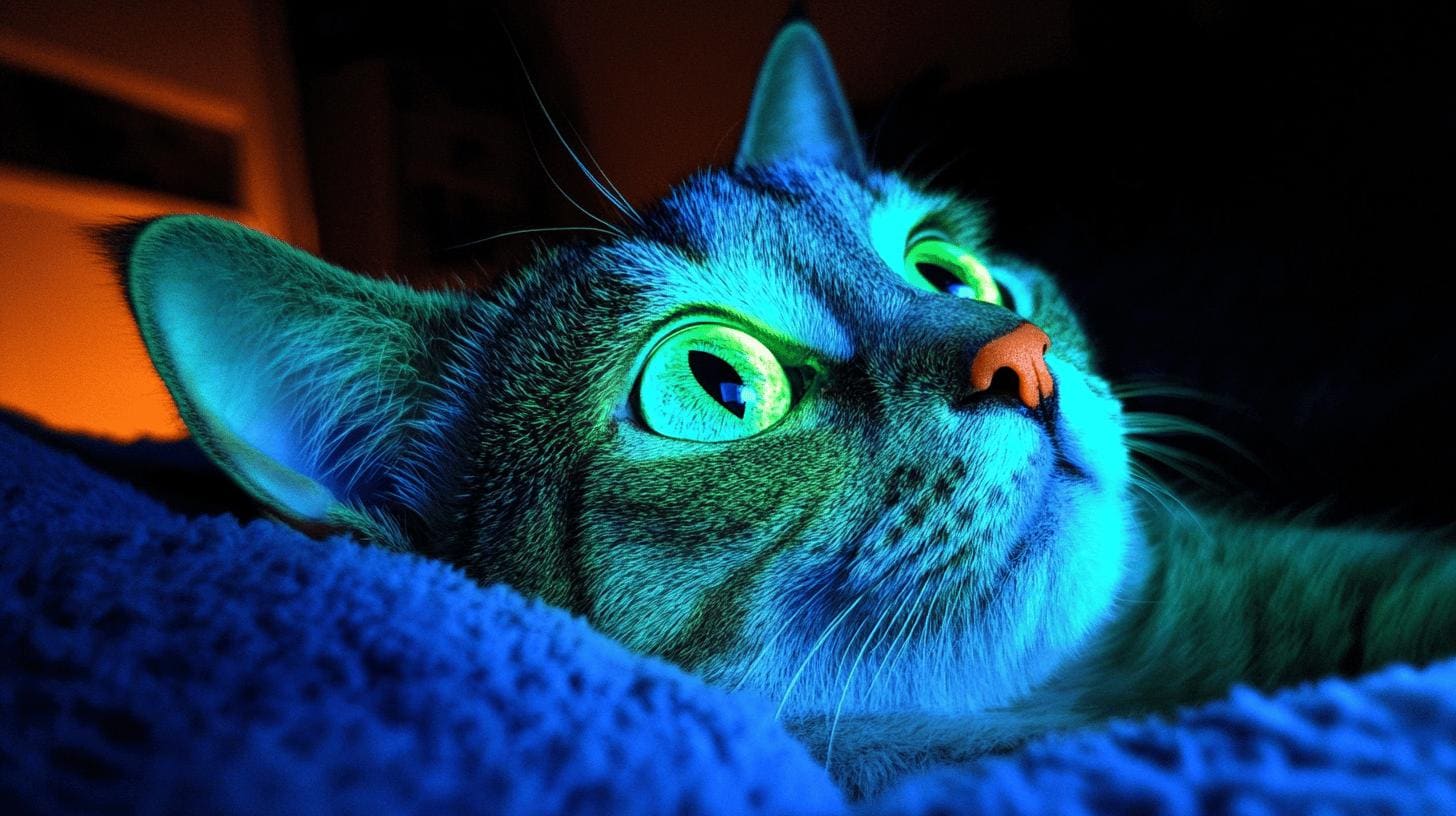
Cats' eye glow colors can be quite captivating and are influenced by several intriguing factors. The primary reason for this variation lies in the structure of the tapetum lucidum itself. The makeup of this reflective layer can differ among individual cats, resulting in a range of colors when their eyes reflect light. The angle at which light hits a cat's eyes also plays a crucial role in determining the color. When light enters from different angles, it can cause the glow to appear in various hues. Additionally, genetic factors can influence the pigmentation within the tapetum lucidum, affecting the glow color seen in different cats.
Here are some common glow colors and the factors that contribute to each:
- Green: Often seen in cats with a high concentration of zinc or riboflavin in the tapetum lucidum.
- Blue: Usually results from the specific arrangement of cells in the tapetum lucidum, affecting how light is scattered.
- Red: This color may appear due to the reflection of blood vessels within the eye, more visible in some lighting conditions.
- Yellow: Caused by certain compounds within the tapetum lucidum that reflect light differently.
These variations in eye glow colors can be useful for spotting and identifying different animals in the dark. For instance, if you're out at night and see a pair of glowing eyes, the color can sometimes help determine whether you're looking at a cat or another nocturnal creature. Recognizing these differences can add a layer of understanding to the fascinating world of nighttime wildlife observation.
Comparing Cat Eyes with Other Animals
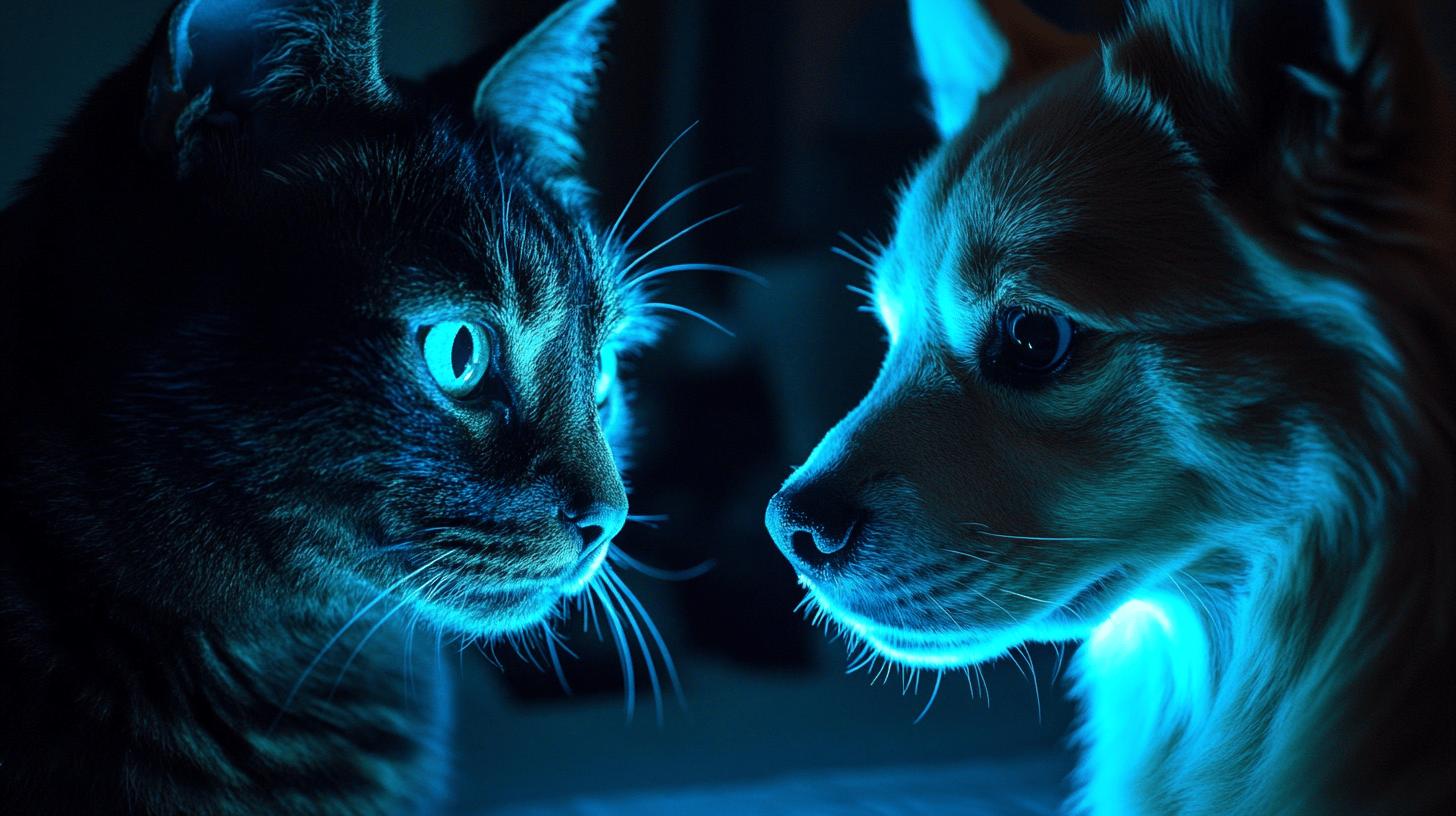
The fascinating glow of cat eyes is not unique to them alone. Many nocturnal animals, such as dogs, deer, and raccoons, share this trait thanks to a structure known as the tapetum lucidum. This reflective layer is a marvel of evolution, enhancing night vision by reflecting light back through the retina. While cats benefit greatly from this adaptation, the structure and functionality of the tapetum lucidum can vary significantly among different species, affecting the intensity and color of their eyeshine.
Effectiveness Across Species
The tapetum lucidum's effectiveness is not uniform across all animals. In cats, the layer is finely tuned to assist in hunting during low-light conditions, often resulting in a bright green or yellow glow. Dogs, on the other hand, may exhibit a range of glow colors, including blue or green, depending on the breed and individual characteristics. Deer have a tapetum lucidum that reflects a more subdued glow, often appearing red or orange, which suits their need for awareness of predators at twilight. These variations in color and intensity are due to differences in the cellular arrangement and chemical composition of the tapetum lucidum in each species.
The evolutionary advantages of the tapetum lucidum are numerous. For nocturnal animals, it is a vital adaptation that allows them to thrive in their environments. By amplifying available light, animals can detect prey or predators with much greater accuracy in the dark. This ability to see well under low-light conditions has likely contributed to the survival and success of these species over time, making the tapetum lucidum a crucial component in the arsenal of nocturnal creatures.