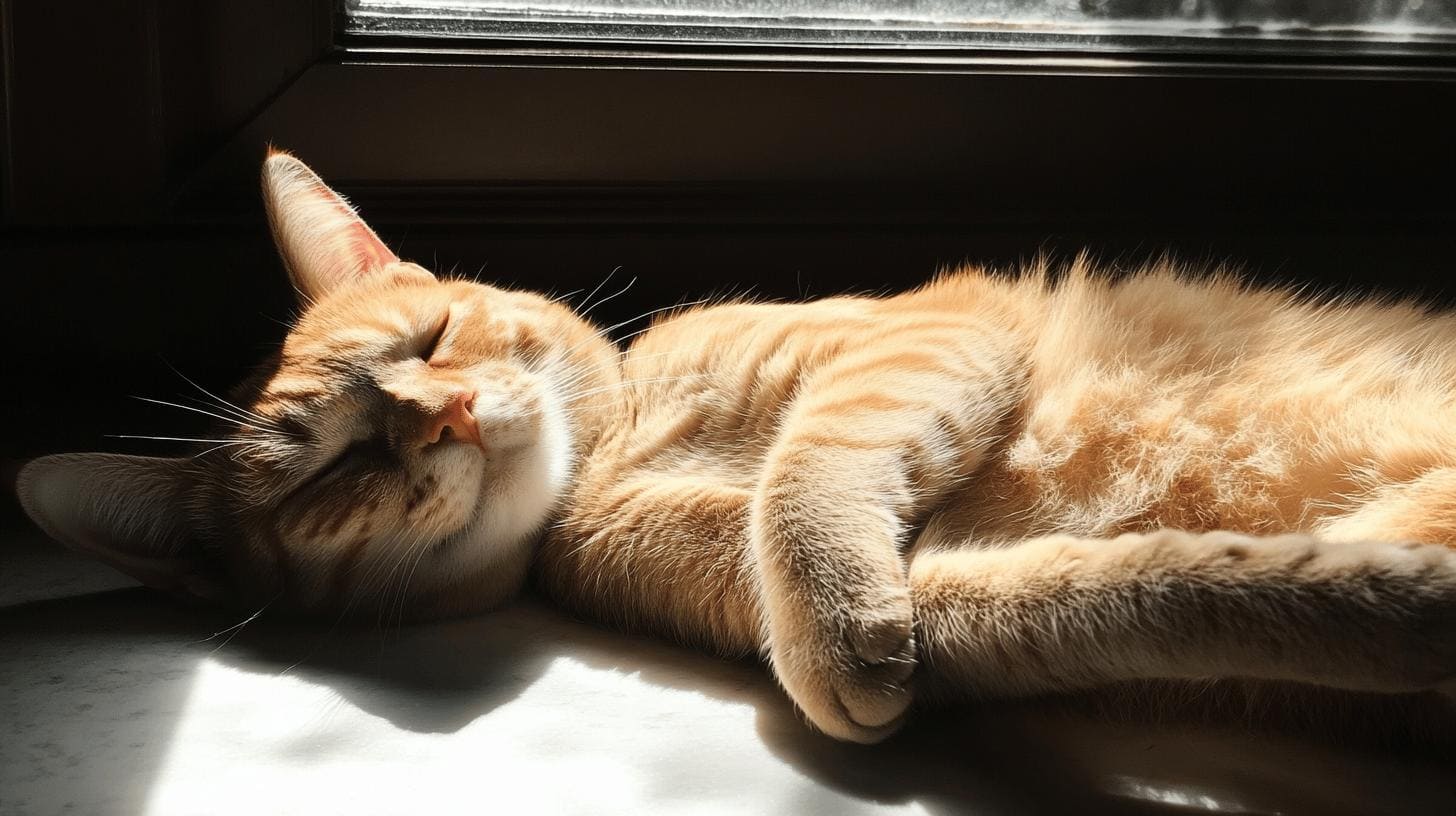
Ever wondered why your cat rolls on its back like it's auditioning for a yoga class? It's not just a cute antic; it's a fascinating peek into feline behavior. When cats show their bellies, they often signal trust and comfort, especially around their human friends. It's like they're saying, "Hey, I feel safe here." But that's not all. Rolling can also be a playful invitation or even a way to mark their territory. Understanding these actions can help us better connect with our furry companions and respond to their signals.
Understanding Why Cats Roll on Their Backs
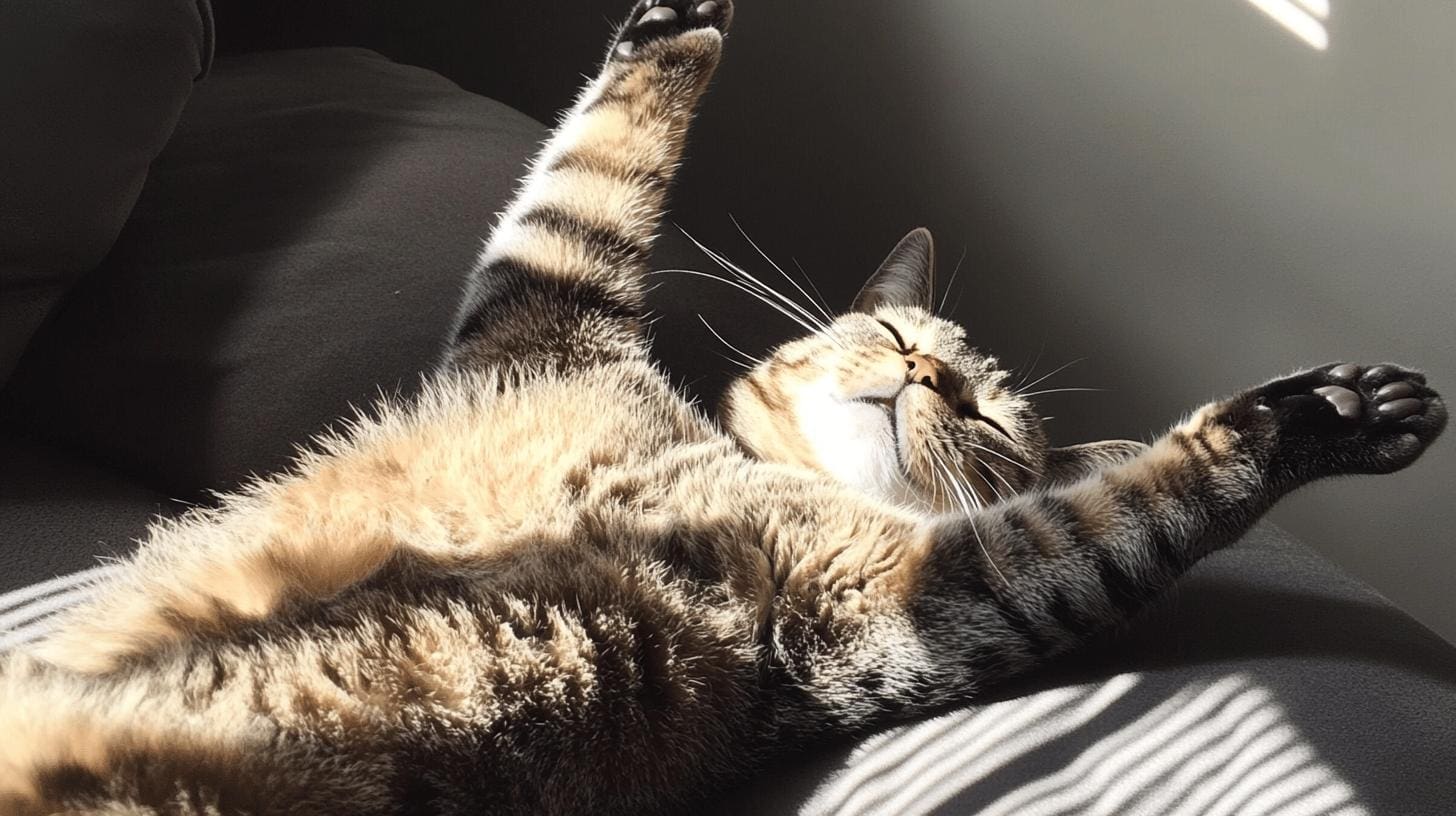
When a cat rolls on its back, it's often performing what's known as the "social roll." This behavior is a fascinating part of feline body language and can signal a variety of messages. The social roll is frequently a sign of trust and comfort, especially towards their human companions. Cats feel safe enough to expose their vulnerable bellies, showing they are relaxed and at ease in their environment. This behavior is one of the clearest indicators of a cat's comfort and trust, and it offers a glimpse into the feline's inner world.
Rolling can also be a playful invitation. When a cat rolls onto its back, it might be inviting you or another cat to engage in interaction or play. This can be seen when a cat purrs or adopts a relaxed posture while rolling, signaling that it is in a playful mood. Engaging with them during this time can strengthen bonds and provide much-needed stimulation and affection. However, not all cats enjoy having their bellies rubbed, and some may react with a playful swat if they feel startled or overstimulated.
Another reason for rolling is territory marking. Cats have scent glands around their bodies, and by rolling, they can spread their scent and mark their territory. This act is particularly common in areas where they feel secure and content. Understanding these behaviors is crucial, as each cat will have its unique way of communicating. This knowledge allows us to better interpret and respond to their needs and desires.
Feline Trust and Communication Signals
Rolling is a key indicator of trust, security, and affection. When a cat rolls on its back, it might purr or have a relaxed posture, signaling trust in its surroundings. Recognizing these signals helps us understand what our feline friends are communicating.
- Trust and Comfort
- Playfulness and Interaction
- Territory Marking
- Stretching and Relaxation
- Invitation to Play
When Rolling Indicates Health or Environmental Factors
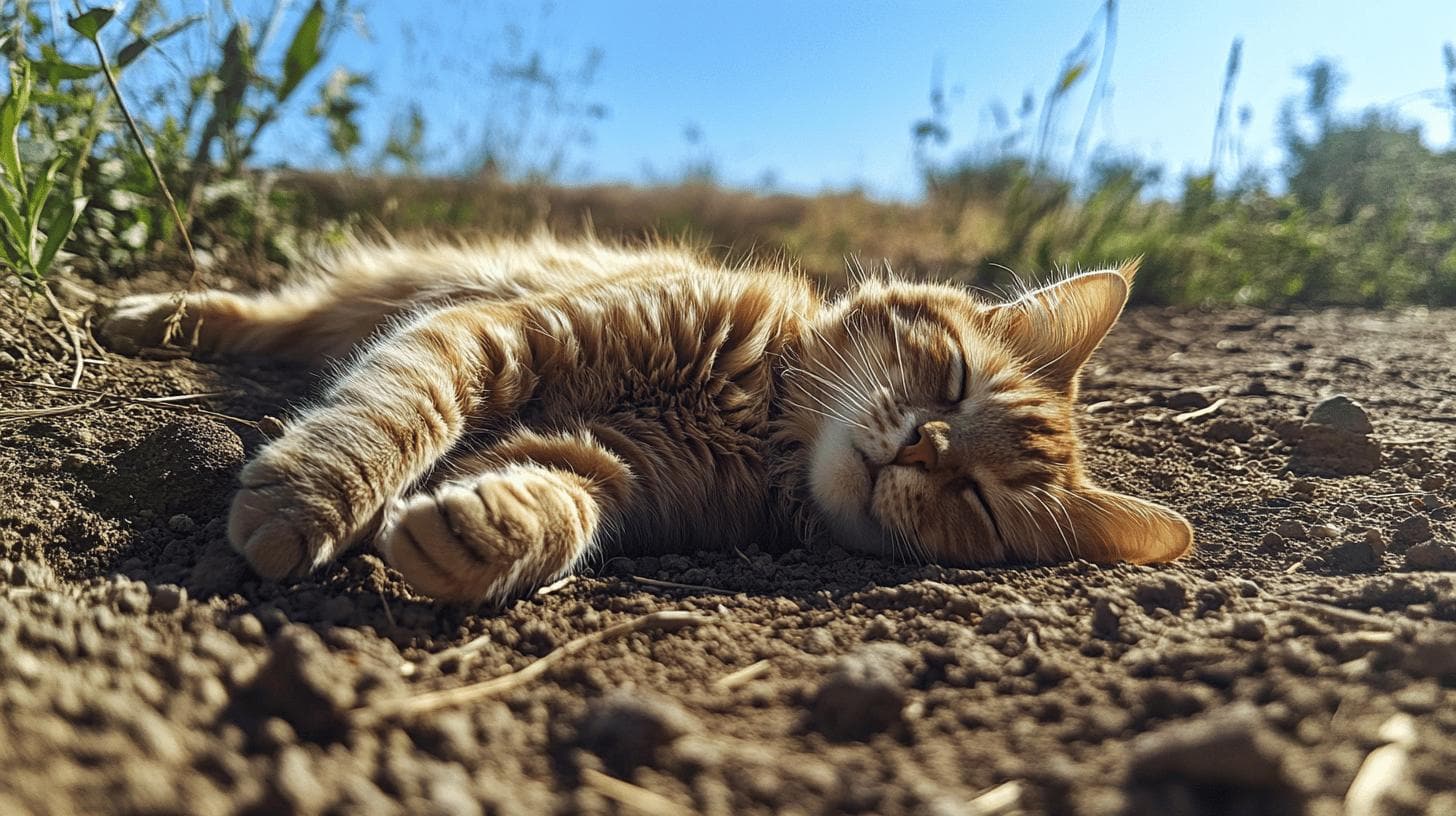
Rolling behavior in cats isn't always about fun and games. Sometimes, it's their natural instinct responding to environmental factors. For instance, cats might roll in dirt to help cool down during hot weather. The dust can help regulate their body temperature by providing a cooling layer on their fur. Rolling in dirt may also be seen in stray cats as a method to evade insects or simply find a comfortable spot. This behavior showcases the diverse and adaptive ways cats interact with their surroundings based on their needs.
Health issues can also trigger rolling. Cats might roll due to skin irritation from parasites like fleas or lice. This rolling helps relieve itching and discomfort caused by these pesky critters. Additionally, certain medications or health problems might cause cats to roll more frequently as they seek relief from discomfort. If a cat is rolling excessively, it might be a sign of a medical issue that requires attention. Understanding these behaviors in context can help cat owners identify when rolling is more than just playful antics.
- Cooling Down in Hot Weather
- Skin Irritation from Parasites
- Reaction to Medications
- Seeking Relief from Discomfort
Rolling in Multi-Cat Households: A Social Gesture
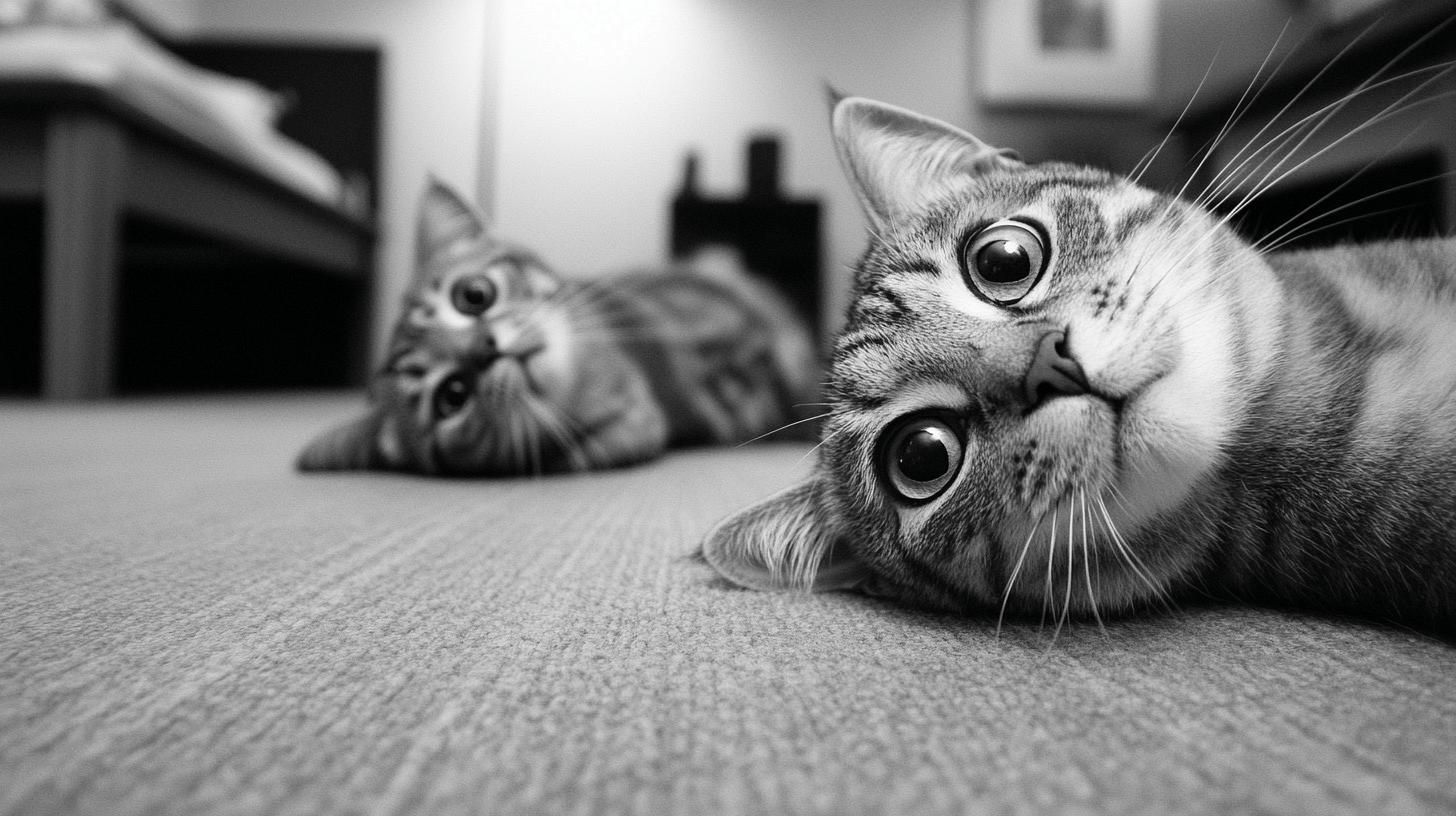
In multi-cat households, rolling on the back involves unique dynamics. Cats use this behavior to navigate the intricacies of hierarchy and social order. When a cat rolls in front of another, it can indicate submission, signaling non-threatening intentions. This submissive gesture helps maintain peace and establish a clear hierarchy among the group. Rolling acts as a form of communication that keeps tension low and fosters a harmonious environment.
Rolling can also serve as a playful invitation, encouraging interaction and bonding. However, unlike interactions with humans or solitary cats, in multi-cat settings, rolling might sometimes be a dominance challenge. Cats may use rolling to assert their status, adding a layer of complexity to their social interactions. Understanding these nuances helps in managing multi-cat households effectively.
- Submission Display
- Play Invitation
- Dominance Challenge