Ever watch your cat pounce on a toy and wonder if it’s hunting, showing off, or just being dramatic? Their whiskers twitch, their back legs coil, and then bam. It’s a tiny wild moment right in your living room.
There are three simple reasons. First, instinct (the predatory sequence, the steps cats use to catch prey: stalk, set up, pounce, toss). Second, play for practice and pure joy. Third, they need to burn off extra energy. Toys become tiny training grounds for all three.
Read on to see how that hunting script actually plays out, what normal pouncing looks like, and quick toy and timing tips to keep play safe, lively, and less sock-destroying. Ever timed a ten-minute toss before you leave? Works like a charm.
why does my cat pounce on toys: reasons
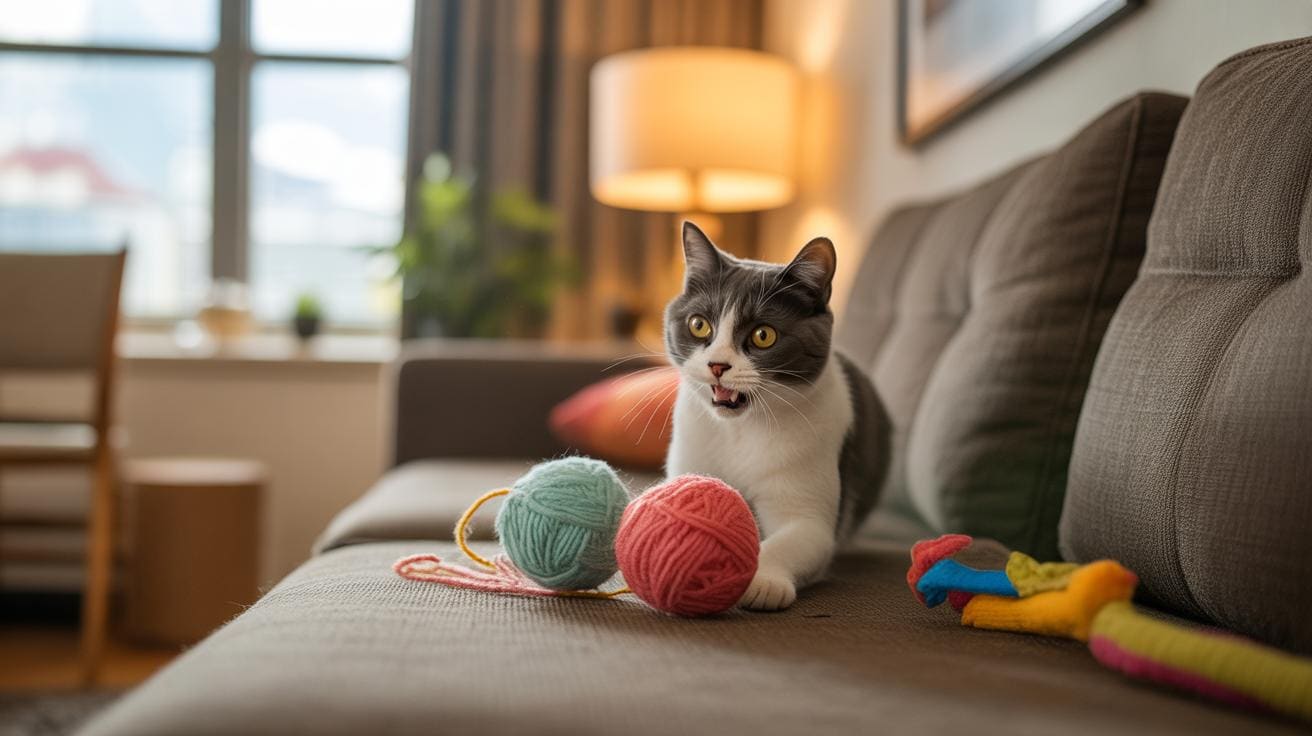
Your cat usually pounces on toys for three simple reasons: instinct, play, and to burn off extra energy. Instinct means the predatory sequence (the step-by-step hunting routine: stalk, position, pounce, toss). Play is practice and fun. And that extra energy needs an outlet, fast, focused bursts of action.
If you want the mechanics, see The predatory sequence; for safety signs, see When pouncing is normal and when it needs attention; for toys and timing, see Best toys and Indoor enrichment.
At the root is that predatory sequence (again: stalk, position, pounce, toss). Cats run that script on toys to rehearse hunting moves, conserve effort, and score short, intense exercise sessions. Procedural cues and timing (how cats learn the order and rhythm of those moves) are covered in The predatory sequence.
Worth every paw-print.
The predatory sequence that leads cats to pounce on toys
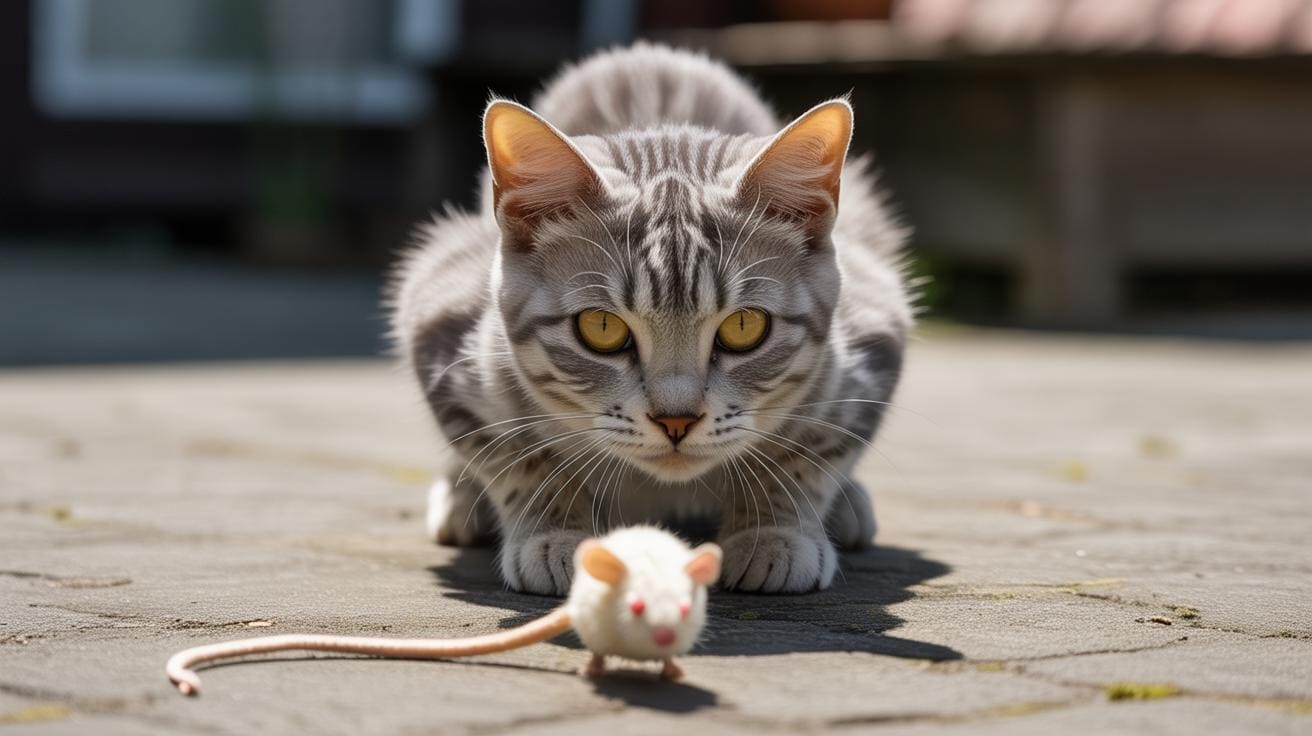
Play pounces follow a short, repeatable hunting routine: alert and fixate, slow stalking, a hindquarter settle and wiggle, then a focused launch and capture or toss. Watch closely and you’ll see each beat, like a tiny performance that keeps your cat sharp and joyful.
Stalking
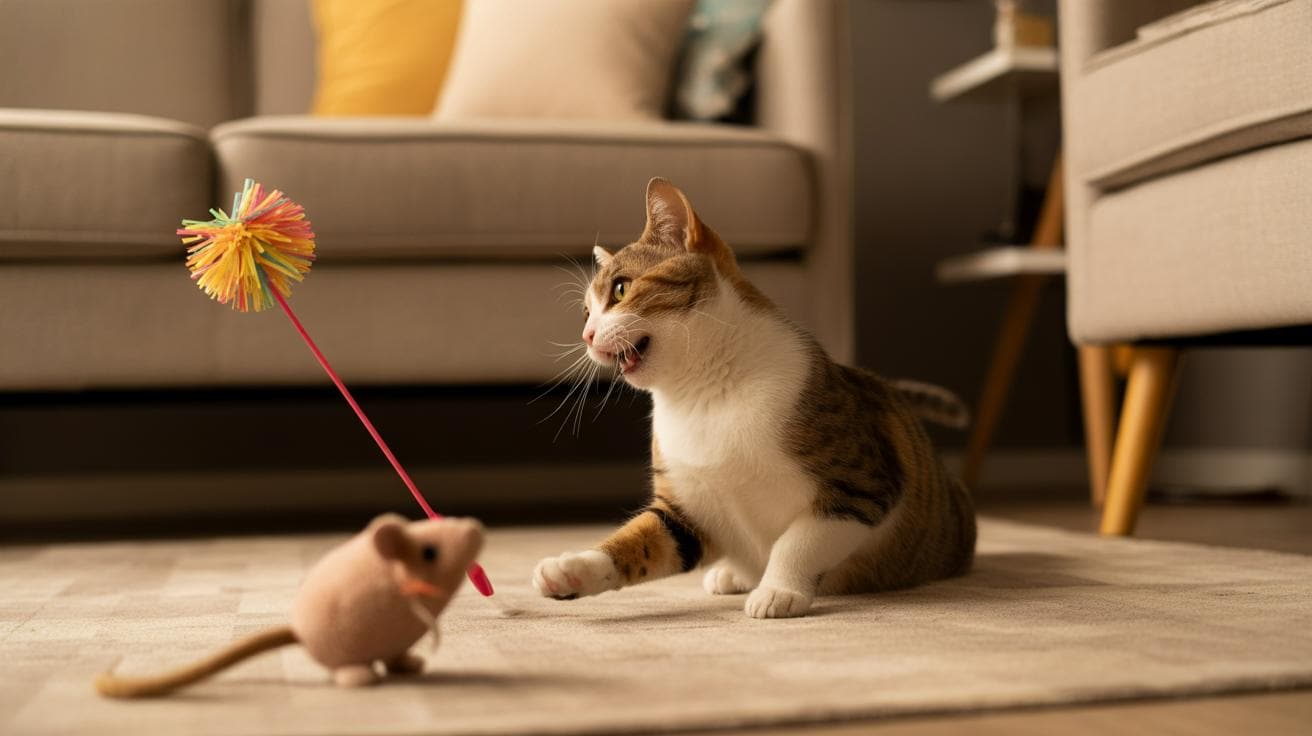
Stalking (the quiet, careful approach) is when your cat sizes up distance. Look for a low body posture, tiny forward steps, ears forward, and eyes locked on the target. This stage is where they decide how much energy to spend, so slow or still toys are perfect practice. Try hiding a plush or nudging a ball a little bit to invite that patient creep.
The hindquarter wiggle and positioning
Right before takeoff the back end settles and wiggles – a short power-load shimmy that lines up the hips and stores spring. Hindquarters (the cat’s back end that powers jumps) will shift, the tail may flick, and the hind feet dig in. Bigger or farther targets mean a deeper crouch and a longer wiggle, so those extra moves tell you your cat is setting up for a bigger leap.
The pounce, toss and follow-up
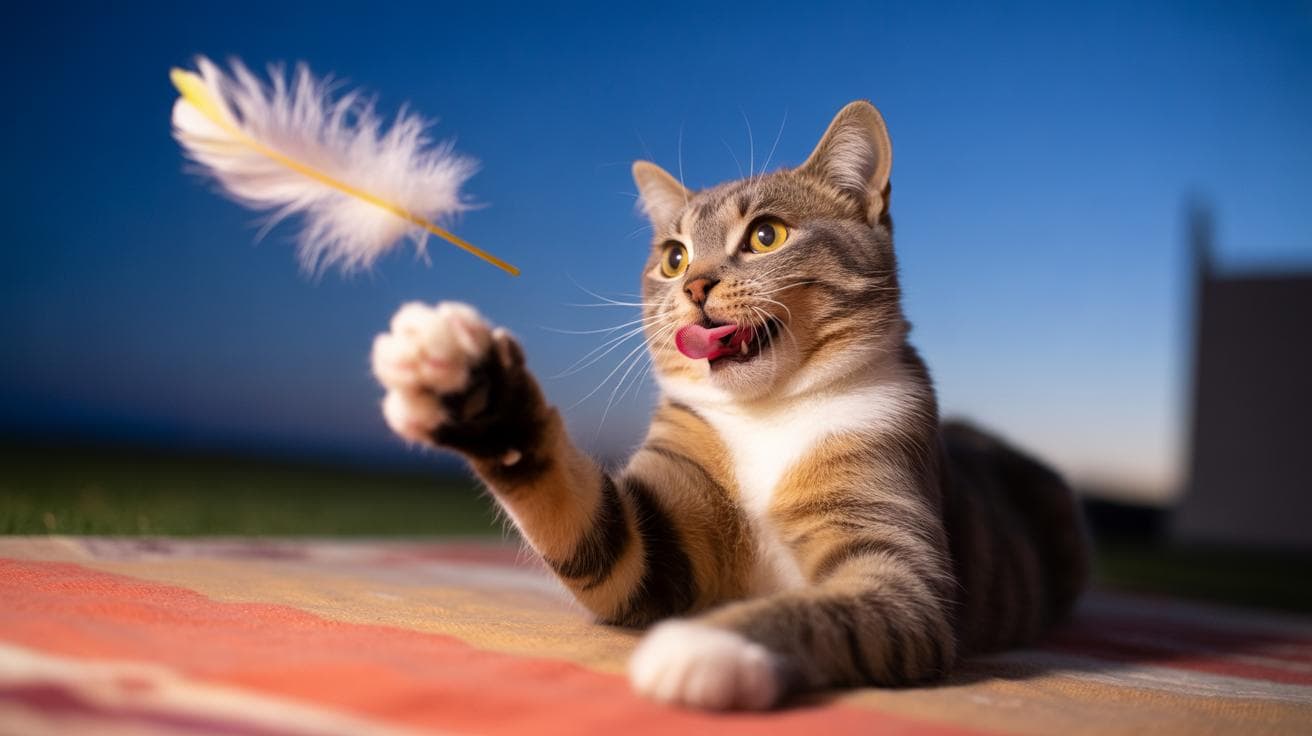
The actual pounce is an explosive burst: leap, bat or grab, then hold, bite, or toss the toy while testing the catch. Cats often bat and toss like real prey to reposition for a quick bite. Kittens usually master the basic mechanics by about nine weeks, and their accuracy improves over the next few months as muscle control and timing tune up.
Match toys to each stage to keep play satisfying and safe. Low, slow-moving plush and hidden toys invite stalking. Feather and teaser wands (think fishing rod for cats) provoke the wiggle-and-launch rhythm with short, angled pulls. Stationary plush mice let cats practice capture and toss. Motion toys and lasers mimic erratic prey, but finish the session with a tangible toy so your cat gets a real catch. In short, supervised sessions cue small increases in distance or speed, praise or give a tiny treat for clean captures, and pause play when form slips to help build precision. Worth every paw-print.
Ever watched Luna leap six feet for a toy? It’s the best. Keep it short, keep it fun, and your cat will stay sharp and feline fine.
Why kittens vs adult cats pounce on toys differently
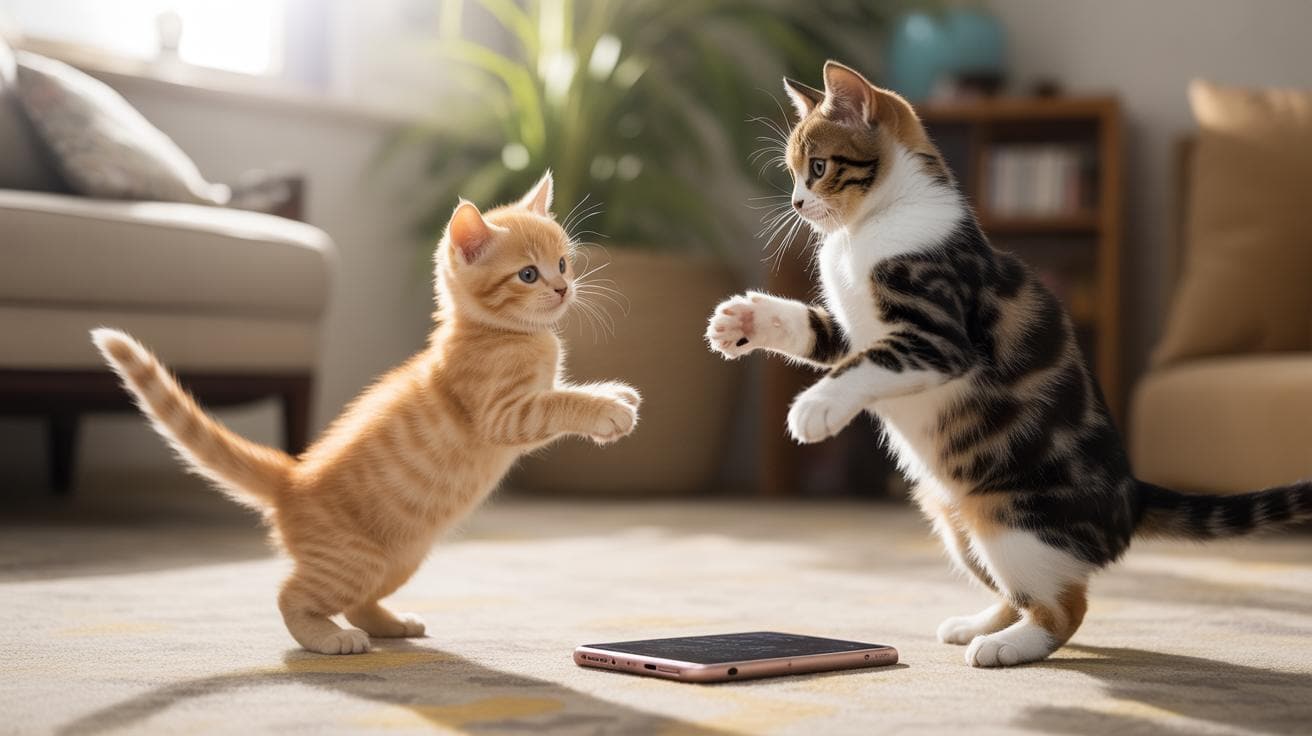
Kittens pounce a lot because it’s practice and play all rolled into one. They’re roughhousing with littermates, learning timing and coordination, and testing bite-and-toss moves when they play with you. They’ll do the same hop-and-bat again and again, tiny lessons that build muscle and hunting instincts, and you can almost hear the satisfying thud when a plush mouse hits the floor.
Adults follow the same hunting script, but the tempo changes. They do fewer repeats and prefer short, deliberate bursts of action. Think stalking-style toys (a slow, quiet approach to prey) over non-stop chase games, adults pick moments when they’re primed for a brief, intense sprint, not an all-day marathon. Ever wonder “Why does my cat pounce on toys?” Timing is the big clue.
Senior cats still love to pounce, but tweak the setup a bit. Lower jumps, softer plush targets, and shorter sessions help limit joint stress (pressure on their joints). Gentle wand pulls, low-trajectory balls, and cushioned landing spots keep play safe and fun while helping mobility and weight control. Worth every paw-print.
When pouncing on toys is normal and when why my cat pounces on toys could need veterinary attention
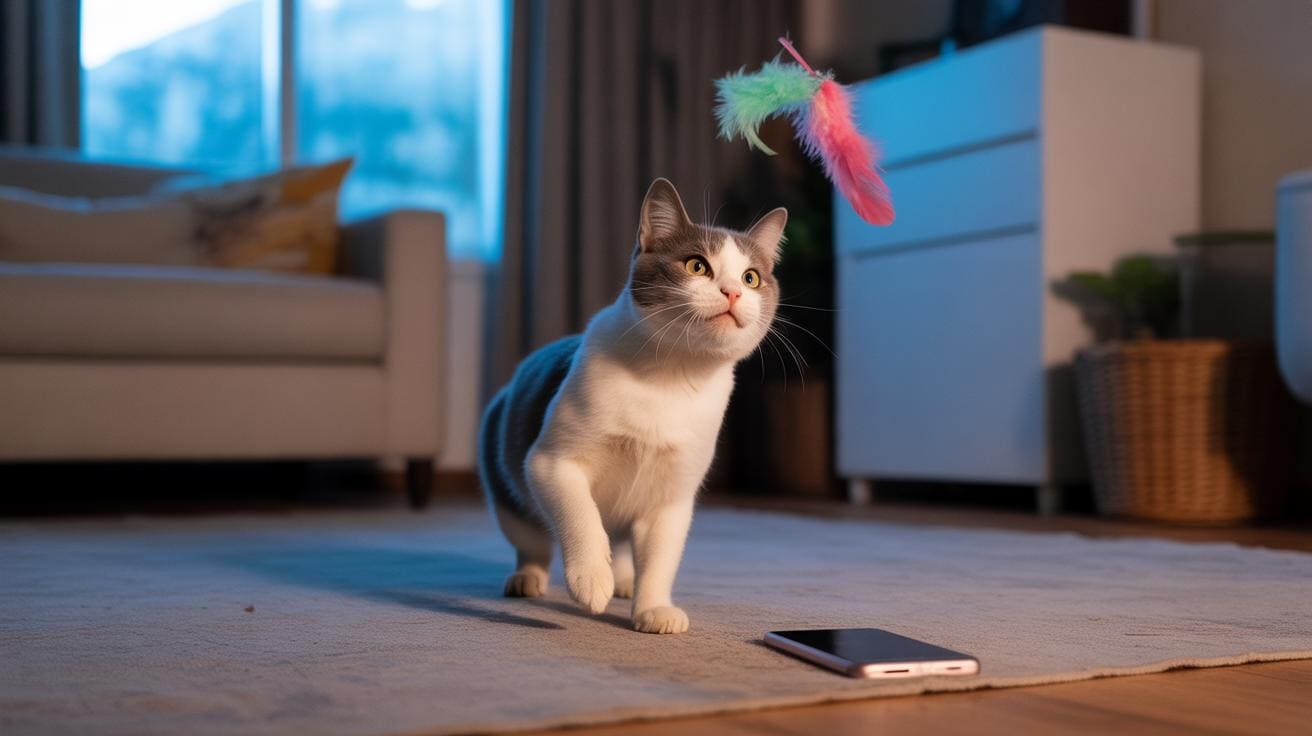
Short, repeatable pouncing that follows the stalking sequence (stalk, pounce, grab, calm) is normal. Your cat is practicing hunting moves, getting a quick burst of exercise, and bonding with you. If the play is redirectable, stays brief, and your cat settles afterward, it’s healthy behavior , practice play, basically.
Watch for warning signs that something’s off. These include sudden spikes in aggressive pouncing, biting that leaves marks, big changes in appetite or litter-box use (litter-box means where your cat pees or poops), and constant restlessness or pacing , that last one can sometimes point to hyperthyroidism (overactive thyroid gland). Also pay attention if pouncing seems tied to pain, like limping after a jump.
If these actions show up suddenly or get worse over several days, get help. For a basic list of warning signs and simple steps you can try at home, see ASPCA – Common Cat Behavior Issues.
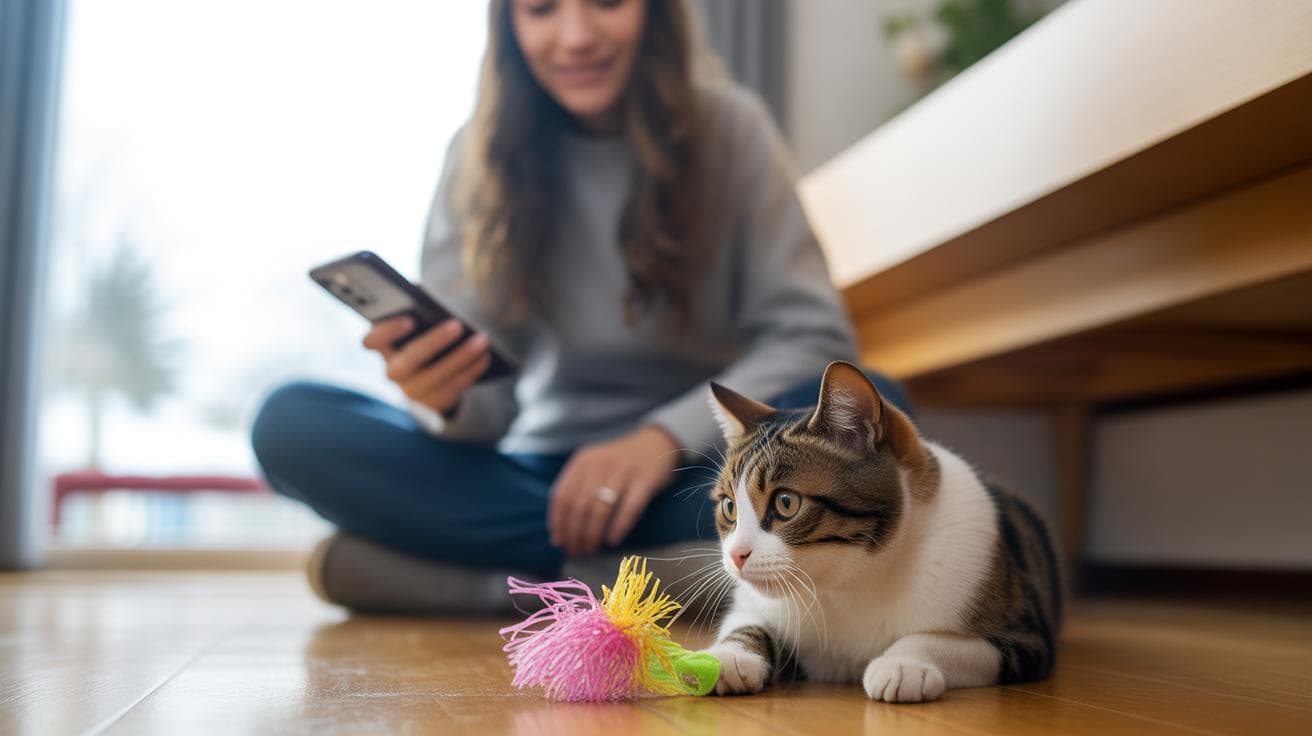
Practical next steps you can do right now: keep a simple log with date, time, what happened right before the pounce, and how long it lasted. Video is huge when it’s safe to record , a short clip tells a vet so much. Note any recent household changes (new pet, loud noises) and list current meds.
Try gentle de-escalation at home: stop play, put the toy down, give a quiet timeout, then redirect to a safe chewable or plush toy. If injuries happen, eating or litter habits change, or the behavior keeps escalating past a few days, call your vet sooner. Medical issues like hyperthyroidism (overactive thyroid gland) or pain can drive hyperactivity, so share your notes and clips with your clinician and ask about a behaviorist referral (trained animal behavior specialist) if they recommend one.
Sometimes it’s nothing more than zoomies. Sometimes it’s a clue. Trust your gut, and bring the evidence , dates, videos, and a short rundown , to your vet. Worth every paw-print.