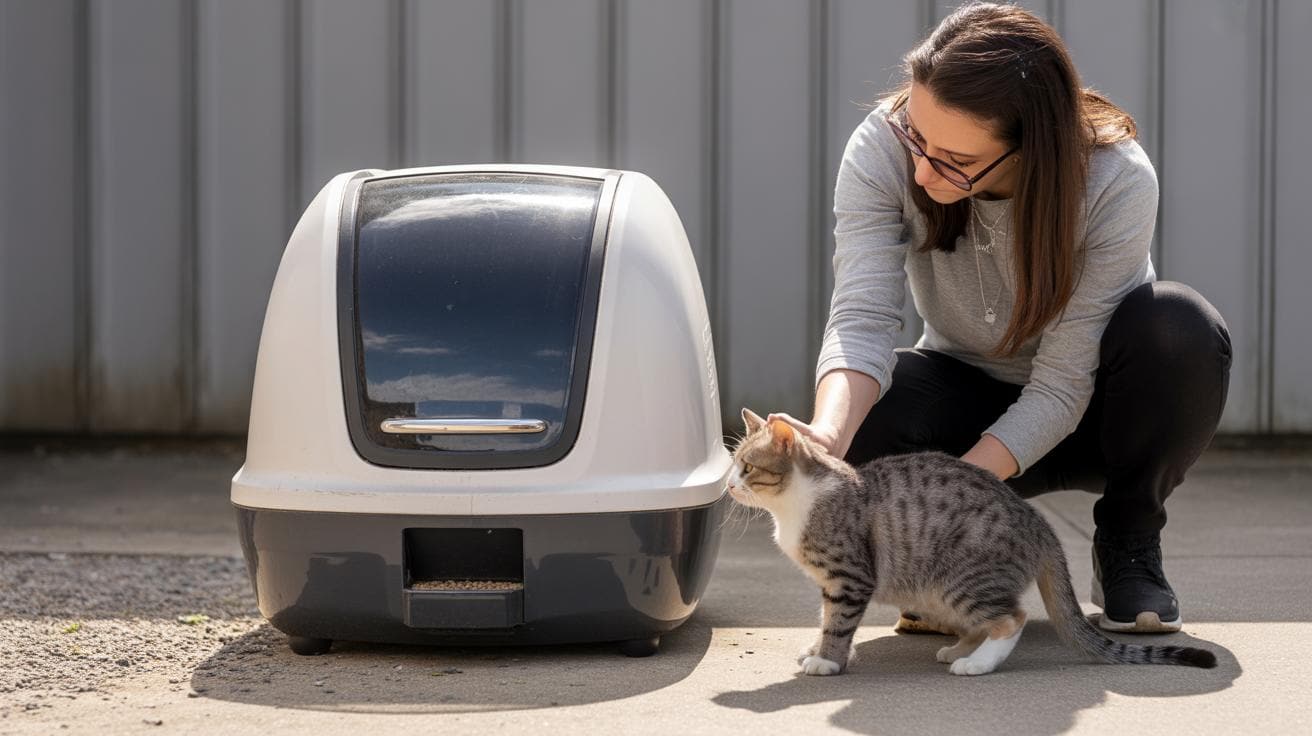
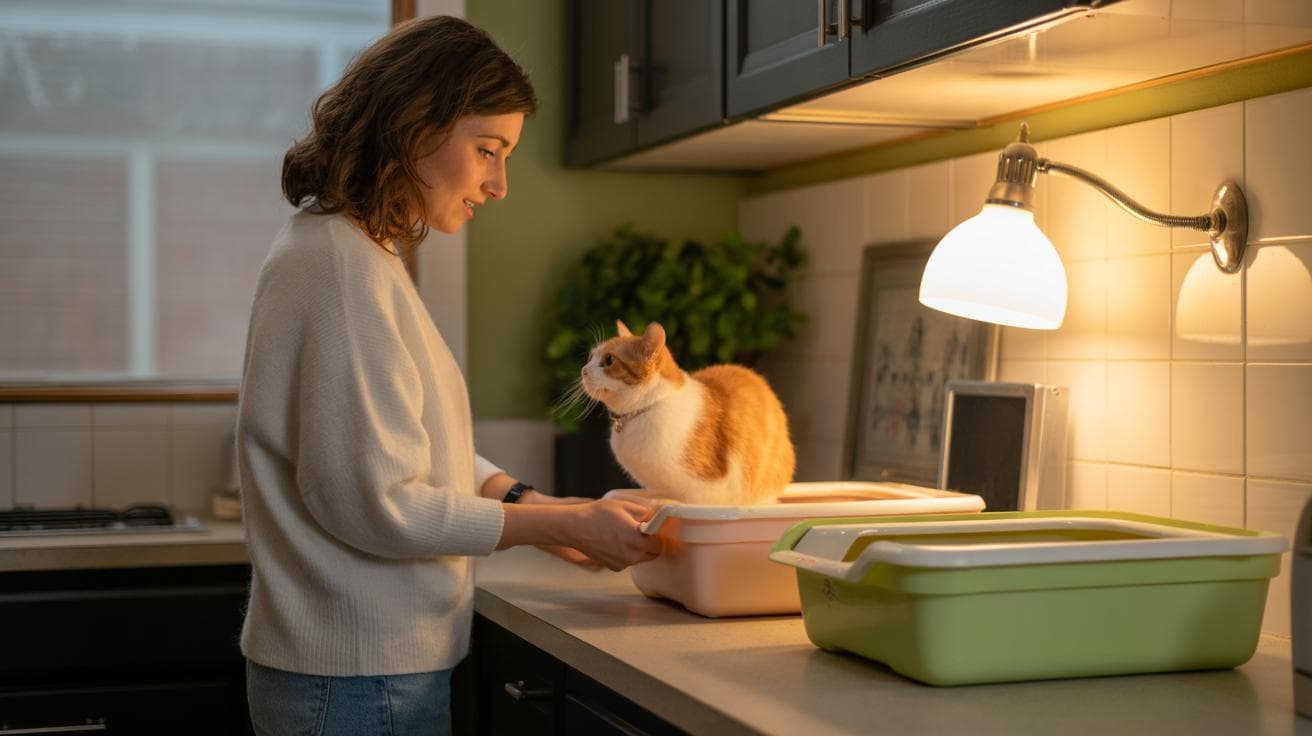
Automatic Cat Litter Boxes: Pros-and-Cons for Indoor-Cats

Automatic litter boxes: lifesaver for busy humans, or a noisy, wallet-draining thing your shy cat will avoid? Ever watched a skittish kitty bolt at a tiny unfamiliar sound? Same idea.

These boxes can cut scooping to about 10 to 30 minutes a week for one cat, instead of daily little chores. They also help control odors better, many use a carbon filter (a tiny air sponge) and special litter (like silica crystals or fast-clumping clay) that trap smells. For multi-cat homes, that means less stinky traffic and fresher rooms.

On the flip side, they cost from about $74 to $900 up front, and you’ll often spend $15 to $30 a month on replacement filters and special litter. Some models have a motor (small electric part that moves waste) that hums or a rake that clicks, and timid kitties may avoid the box because of the noise. I’ve seen a cat sit two rooms away and give the door the side-eye. Um, not kidding.

I’ll walk you through the real pros and cons so you can pick what fits your budget and your cat’s personality. Let’s see if it’s purr-fect for you.

Automatic Cat Litter Boxes: Pros-and-Cons for Indoor-Cats
- Quick decision guide buy or skip automatic cat litter boxes (short verdict + numbers).jpg

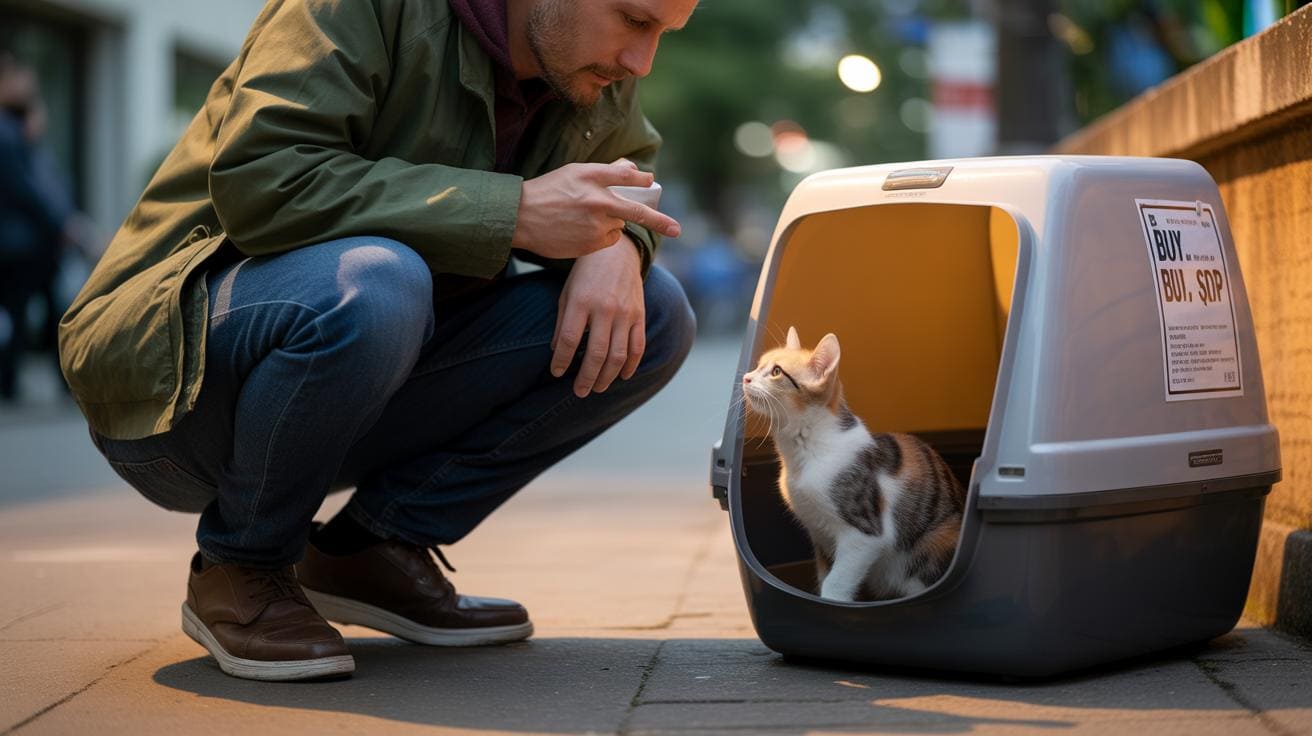
Buy one if you want to skip daily scooping and you’re okay with a $74-$900 upfront price plus ongoing consumables (replaceable items like filters, liners, or special litter). Skip them if you have a very shy kitten, a noise-sensitive cat, or a tight budget.

New units usually cost about $74-$900. Monthly running costs are often around $15-$30 for automatic boxes. By contrast, manual boxes (the kind you scoop by hand) often run about $20-$40 per month.

They save time. Expect about 10-30 minutes a week back for a single-cat home. In multi-cat homes you might save 30-90 minutes weekly depending on traffic and how often you’d otherwise scoop.

Pros

  • Cuts scooping time. That’s 10-30 minutes a week for one cat, and more if you have several. Perfect for busy owners who want a little breathing room.
  • Tighter odor control. Enclosed waste compartments and sealed bins (closed containers that trap smell) mean fewer surprise whiffs and less hourly spot-scooping.
  • Great for multi-cat homes. Moving waste into a sealed receptacle faster helps shared litter areas stay fresher and less… dramatic.

Cons

  • Higher upfront cost. Most automatic units sit in the $74-$900 range, so they’ll feel pricey next to $10-$60 manual trays.
  • Ongoing supplies add up. Monthly costs of $15-$30 include consumables (again, filters, liners, or special litter), and some models need clumping litter (litter that forms clumps when wet) or disposable trays.
  • Mechanical problems and noise. Motors, sensors, or moving parts can fail. Some models make 25-40 dB sounds – quiet for us, but scary for a timid kitty – and that can make cats avoid the box.

Worth a closer look? For full details on pricing, maintenance, mechanics, buying tips, and behavior guidance see the Cost & Maintenance; How automatic…; How to choose & recommended model types; Safety, noise, and cat behavior sections.

How automatic cat litter boxes work: core mechanics and sensing principles
- How automatic cat litter boxes work core mechanics and sensing principles.jpg

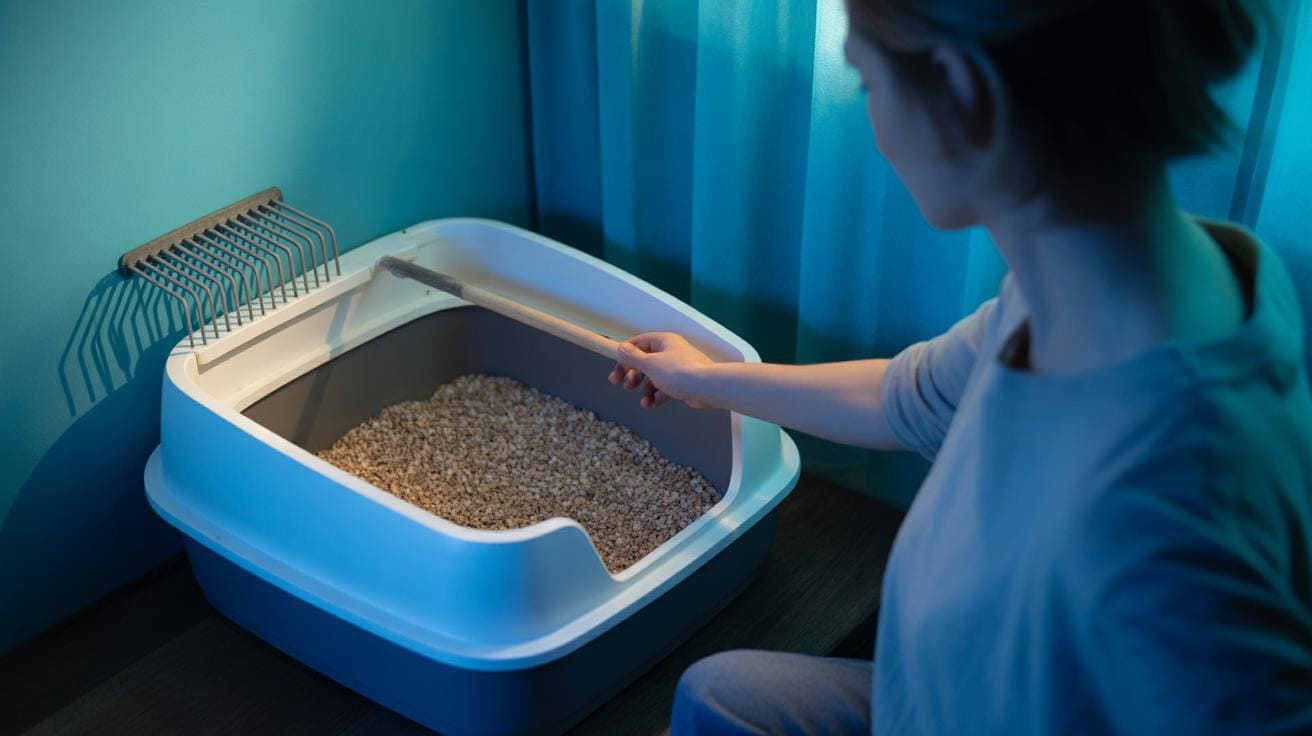
Most self-cleaning litter boxes sense when your cat uses them, wait a short timer, then run a cleaning cycle that separates waste and drops it into a sealed bin. The goal is simple: don’t spook your cat, and don’t scoop while your kitty is still inside.

Sensors and timing

Motion sensors, like infrared (IR) motion detectors that spot body heat and movement, watch for entry and exit. Weight sensors, usually pressure pads (thin pads that feel a cat’s weight), tell the unit when your cat leaves. Typical delay timers run about 1 to 10 minutes so clumps form and your cat has time to go. Sensor placement matters a lot. A sensor tucked near the rim can miss low-lying cats, while one aimed at the doorway might false-trigger when a tail swishes past. Ever seen a box try to clean with a cat still inside? Not great. If cycles run with a cat in the box, trigger all the time, or never happen, that usually means dirty sensors, drained batteries, or wiring issues.

Cleaning mechanisms

Rake systems use a linear rake that sweeps clumps into a waste drawer, driven by a linear motor (a motor that moves straight) or a small DC motor (battery-style motor). They’re quick, a single sweep takes seconds, and you’ll hear a soft mechanical thunk as it runs. Common wear points are the plastic teeth, sliding rails, and the gearbox (the gears that change speed and torque).

Rotating drum designs spin the whole basin so clean litter falls back while waste is pushed to a collection area. These need stronger motors or stepper motors (a precise small gear motor), and they’re built to handle heavier traffic. But bearings (rotating supports) and seals (gaskets that keep dust and smells contained) can wear with time.

Sifting trays lift or tilt a perforated tray so clean litter sifts through and solids stay on top. It’s simple and low-tech, like a big sieve, but holes can clog and trays may warp under heavy use. Sifting cycles also tend to take longer.

Mechanism How it works Best for Common issues
Rake systems Linear rake sweeps clumps into a drawer Single cats or small multi-cat homes Worn plastic teeth, rail jams, motor or gearbox strain
Rotating drum Drum spins to separate waste from litter Busier homes, heavier cats Bearing wear, seal leaks, need for stronger motors
Sifting tray Perforated tray lifts or tilts to sift litter Owners who prefer simple mechanics Hole clogs, tray warping, slower cycles

Check build quality, motor specs, and sensor type against your household needs before you pick a model. Worth every paw-print.

Benefits of automatic cat litter boxes
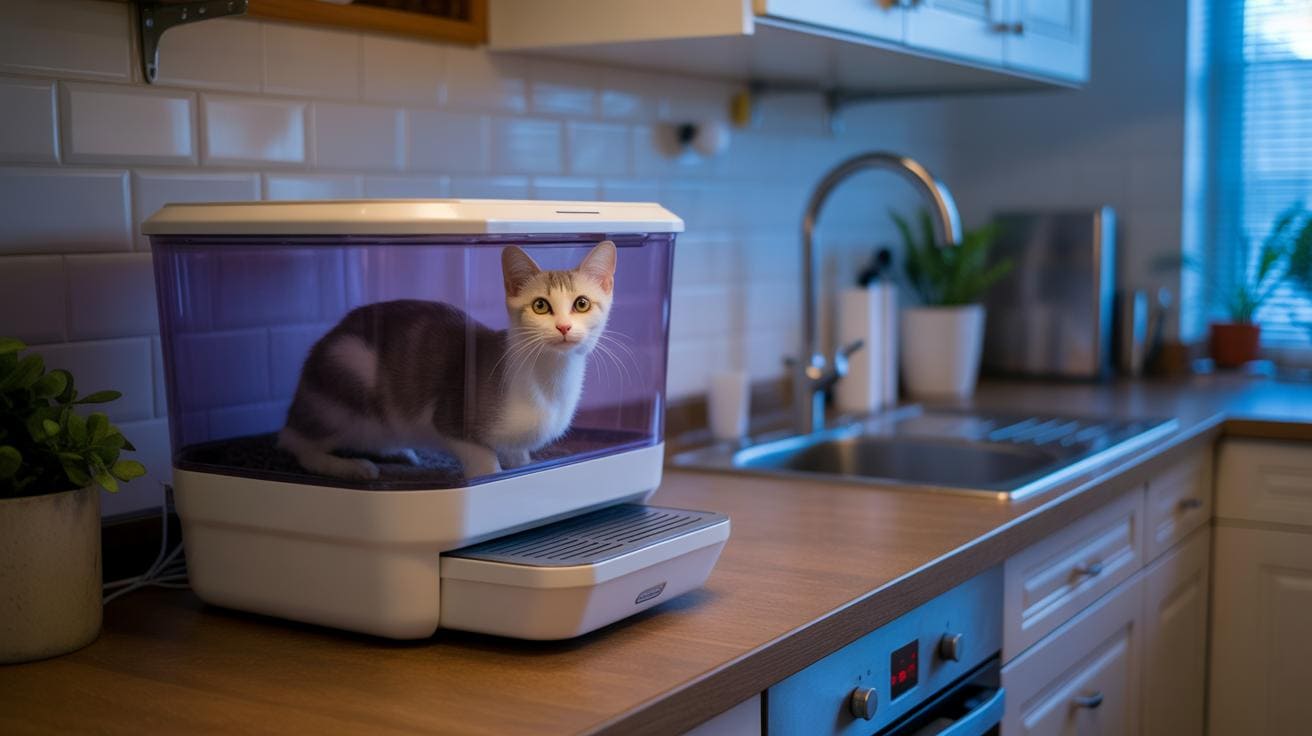
- Benefits of automatic cat litter boxes (concise list only).jpg

If you dread daily scooping, an automatic box can be a real game-changer. See the Safety, noise, and cat behavior section for behavior and noise details. Ever watched your kitty chase shadows while you scoop? Yeah, we can do better.

  • Saves you time. Manual scooping usually takes about 2 to 5 minutes a day, so an auto box typically frees up roughly 10 to 30 minutes a week for one cat and 30 to 90 minutes for multi-cat homes (based on timed scoop sessions). That’s extra time for a quick coffee, a cuddle, or, um, scrolling.

  • Cuts odor. Autos move waste into sealed drawers and use carbon filters (activated carbon, charcoal that traps odors), so smells don’t hang out in the room. How well this works depends on how often you empty the drawer and how fresh the filter is. Smells get locked away more than with an open pan.

  • Works best with clumping litter and mechanical rakes. Clumping litter (litter that forms solid clumps when wet) and a mechanical rake (a motorized rake that lifts clumps into a waste drawer) make cleanup neater. Intact clumps pull away cleanly, which means less messy grit on the floor.

  • Quick tips to maximize benefits: put the box in a low-traffic, ventilated spot , try the laundry room against a wall. It keeps smells out of the living room. Use a fine-grain clumping litter rated for autos, and add a 24×18-inch rubber mat to cut down tracking. Little changes like that make the whole thing more claw-tastic.

Maintenance you’ll want to stick to: empty the waste drawer every 3 to 7 days for one cat, or every 1 to 3 days for multiple cats. Replace the carbon filter about every 30 days and wipe surfaces weekly. Deep clean by disassembling and washing every 1 to 3 months depending on use.

Worth every paw-print.

Drawbacks and risks of automatic cat litter boxes (concise list only)
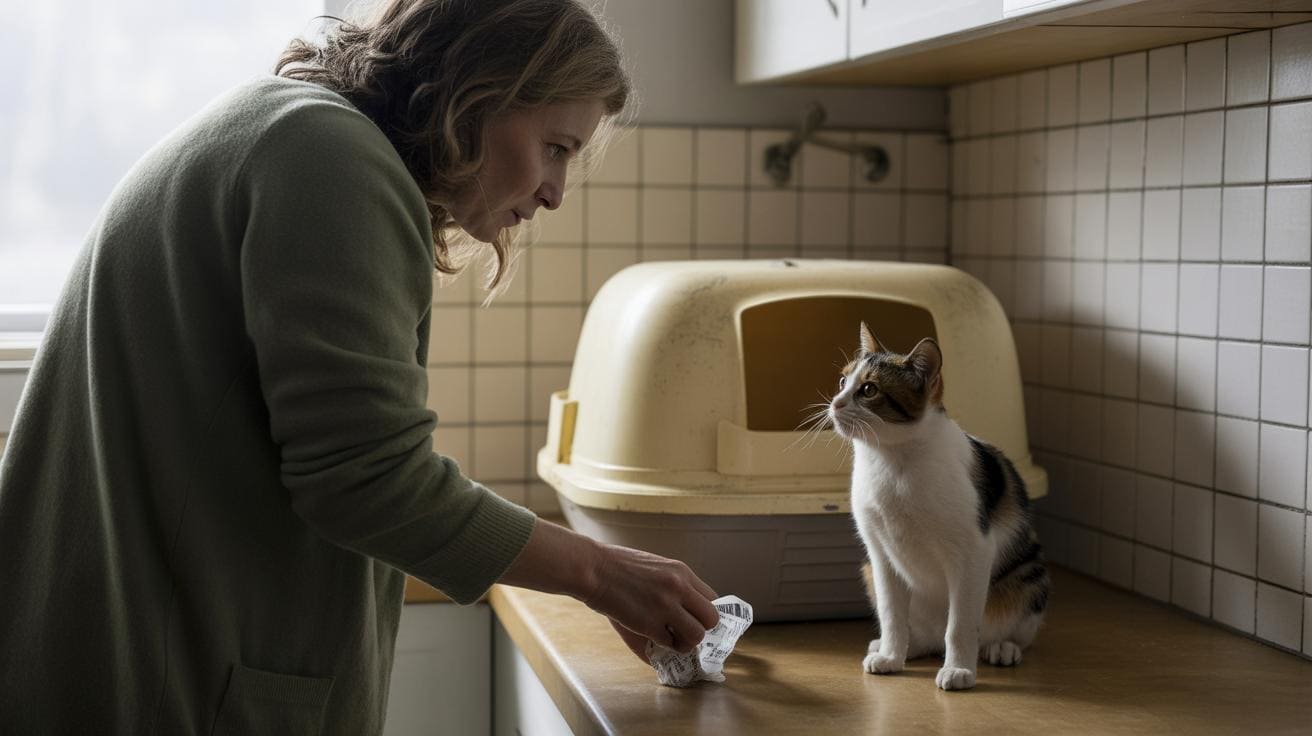
- Drawbacks and risks of automatic cat litter boxes (concise list only).jpg

  • Higher upfront cost and ongoing consumables, like special clumping litter (litter that forms solid clumps), carbon filters (activated charcoal filters), or disposable trays.
  • Mechanical parts can jam or motors can burn out. Sensors (devices that detect motion or weight) can false-trigger or miss a use.
  • Motor noise and sudden movement can scare timid cats, causing avoidance or stress.
  • Some cats stop using the box after a bad experience, which can lead to accidents around the house.
  • Repair and replacement costs add up over time, and finding parts or service can be a hassle.
  • Power outages or dead batteries leave the unit unable to clean, so the box can become full until you fix it.
  • Certain designs have pinch points or small parts that could be unsafe for curious cats or multi-cat homes.

See Safety, Noise & Behavior and Cost & Maintenance for details.
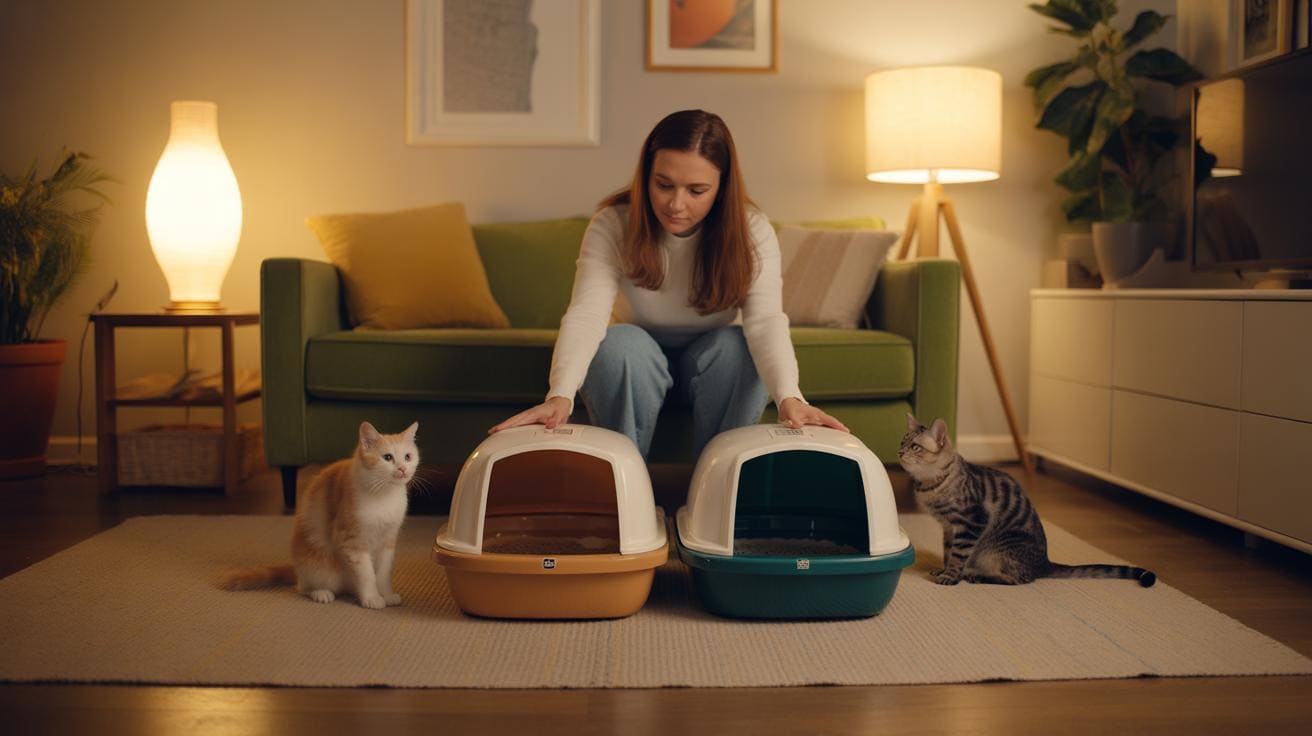
Cost & maintenance: monthly, 3–5 year ownership costs, consumables, maintenance schedule, and troubleshooting

- Cost  maintenance monthly, 35 year ownership costs, consumables, maintenance schedule, and troubleshooting.jpg

Automatic boxes cost more up front than plain pans. Manual trays usually run $10-$60. Automatic units are often $74-$900. Monthly running costs for autos tend to be $15-$30. Manual scooping supplies often come out to $20-$40 a month. So yes, autos can save you time, but they don't always save money.

Consumables are the slow leak in your budget. Carbon filters (activated charcoal that traps odors) usually cost $5-$15 a month if you swap them monthly. Disposable trays or liners (single-use plastic inserts) add about $10-$25 a month when a model needs them. Special clumping litter (litter that forms solid clumps when wet) runs about $10-$20 a month depending on brand and how many cats you have. Have more than one cat? Expect to be at the high end of those ranges. Add battery backups or extra filters and your monthly bill climbs. Bottom line: autos can be cheaper month-to-month for homes with lots of scooping, or a bit cheaper for single-cat households. It really depends on the model and how much traffic the box sees.

Weekly and monthly maintenance schedule

Keep a steady little routine and the unit will behave. Weekly tasks take minutes. Monthly checks catch problems before they jam up.

  1. Weekly wipe-down , 10 minutes. Wipe interior surfaces and sensor windows (clear plastic that helps the box know when a cat is inside) with a mild pet-safe cleaner.
  2. Empty sealed bin or drawer , 5 minutes. Pull out the waste bag, toss it, and reset the drawer.
  3. Replace carbon filter (monthly) , 5 minutes. Swap per the maker's instructions.
  4. Check sifting holes and tray for clogs , 5 minutes weekly. Clear stuck clumps so the mechanism moves freely.
  5. Inspect motor mount and rails , 5-10 minutes monthly. Look for debris, loose screws, or worn teeth on gears.
  6. Deep clean (disassemble and wash) , 30-45 minutes every 1-3 months depending on use. Take it apart, wash, dry, and put back together.

Short. Simple. Worth every paw-print.

Troubleshooting common issues

Motor jams: if the rake or drum stalls, unplug the unit first. Safety first. Remove the litter bed and look for big clumps, a wrinkled liner, or stuck debris. Clear the jam, dry the parts completely, then plug in and run a manual test. If the motor hums but won’t move, the gearbox (the set of gears that turns the rake) or motor brushes (small replaceable parts that wear down with use) may be worn. Contact support or check for replacement parts.

Sensor misfires and false cycles: clean sensor windows or pressure pads (thin sensors that feel weight) and check batteries if it’s battery-powered. If the unit runs while a cat is inside, stop using it and check sensor alignment and any firmware reset steps from the maker. Sifting holes can clog , soak trays in warm water and scrub with a soft brush. Replace warped trays sooner rather than later.

Always unplug power before any service. If you smell electrical burning, if problems repeat after cleaning, or if repairs need parts you can’t find, call the manufacturer.

Estimating 3-5 year total cost is easy math. Add the upfront price plus monthly consumables times 36-60 months, then tack on a small repair/parts buffer, say $50-$200 for the period. Example totals vary with quality and use. Budget units often come in around $430-$1,400 over 3-5 years. Midrange units tend to be $740-$2,300. Premium models can reach $1,220-$3,300 depending on parts and how often your cat uses it.

Ownership Band Upfront Cost Estimated Monthly Consumables Estimated 3-5 Year Total Cost
Budget $74-$200 $10-$20 $430-$1,400
Midrange $200-$500 $15-$30 $740-$2,300
Premium $500-$900 $20-$40 $1,220-$3,300

Safety, noise, and cat behavior: assessing suitability for kittens, seniors, and multi-cat homes

- Safety, noise, and cat behavior assessing suitability for kittens, seniors, and multi-cat homes.jpg

Most worries are simple and real: noise and moving parts can spook a cat, lack of a quiet spot makes some cats avoid the box, and tall rims or high entry lips can stop tiny kittens or older cats with stiff joints from getting in. Think about how your cat moves and where they like privacy. Ever watched whiskers twitch as a machine hums? Yeah, that tells you something.

Noise guidance: many popular units run around 25 to 40 dB (dB means decibel, a measure of sound). That sounds quiet to us, but sensitive cats may worry. Try a phone sound-meter app held near the box while it runs to get a real read. Look for stress signs , sudden flinches, avoiding the unit, flattened ears, or long pauses at the entrance , and act. Move the unit to a quieter room, slip a rubber anti-vibration pad under it, or set it on a thick mat to soften the thud and wobble. Small fixes, big calm.

Multi-cat logistics: aim for one litter box per cat plus one extra when you can, so two cats get three boxes. That cuts competition and stops boxes from filling too fast. Estimate traffic: if each cat goes 3 to 5 times a day, two cats mean about 6 to 10 uses daily; pick a machine with a waste drawer and cycle speed that can handle that, or plan to empty more often. For heavy traffic, use more than one automatic unit or pair an auto with a manual pan as a backup so one busy box doesn’t become a problem. Simple math, less stress.

Kittens and seniors need extra thought. Choose an auto with a low entry or add a ramp for little legs and stiff hips, and check that the interior is roomy enough for your cat’s length and girth. Introduce the machine slowly: put it next to the old box and leave it off for a few days so your cat can sniff and explore. Then run cleaning cycles during daytime while you’re home, and only switch to full auto once the cat uses it reliably. Reward calm approaches with treats and quiet praise. If your cat freezes or bolts at moving parts, stop and slow the process , no racing it.

A tiny anecdote: I once watched Luna, my tabby, circle a new unit three times before sniffing in. Patience won out. Worth every paw-print.

Stop using the unit and switch back to a manual box if your cat starts avoiding it, has new accidents, or shows sudden changes in stool or urination. If problems keep going, check with your vet , there might be a medical or stress issue behind it. Better safe than sorry.

- How to choose  recommended model types price bands, buyer profiles, model trade-offs, and concise buying checklist.jpg

Picking the right automatic litter box can feel confusing, but it doesn't have to. Think about how much you want to spend, how many cats you have, and how much noise or maintenance you’ll tolerate. I’ll walk you through the common price bands, the main model types, and the trade-offs so you can match a box to your cat’s needs and your sanity.

Price Band Who it’s for What to expect
$74–$200 Budget, single-cat homes, renters Simple features, often disposable-tray options, lower up-front cost but higher monthly consumables
$200–$500 Midrange buyers, couples, small multi-cat homes Better build, motorized rakes or sifting designs, lower long-term consumable cost
$500–$900 Premium buyers, busy households, tech lovers Large capacity, app features, stronger motors and metal gears for heavy use

Major model types you’ll see

  • Disposable-tray designs (tray liners you toss after use). Easy daily life, but add monthly liner costs. Great if you hate scooping.
  • Motorized rake units (a mechanical arm that sweeps clumps into a bin). Fast clean cycles and common replacement parts. Good balance of work and cost.
  • Rotating drum models (a cylinder that tumbles to separate waste). Built for heavy traffic and big cats, but the motors and unit are heavier.
  • Sifting trays (simple trays that separate waste with a mesh or sieve). Fewer moving parts, but they can clog more easily and need regular attention.

What to check before buying

  • Price band – Pick the band that fits both your up-front budget and monthly spend.
  • Household size (cats) – More cats means you need bigger capacity and tougher motors.
  • Internal dimensions and weight limits – Measure your cat’s length and girth so they can turn comfortably. Nobody likes a cramped loo.
  • Litter type compatibility – Confirm if it needs clumping litter (forms solid clumps when wet), crystals (silica beads that absorb moisture), or special granules.
  • Power options – Is it plug-only, battery-capable, or both? Batteries can save you in short outages.
  • Noise spec – Look for a stated decibel range (dB, how loud it is) or read user notes about night cycles. You don’t want a roar while you sleep.
  • Warranty and spare parts – Check warranty length and how easy it is to order replacement trays, gears, or filters.
  • Return and test policy – Buy from a seller with a trial window so you can see if your cat accepts the sound and motion.

Who likes what (real-world matches)

  • Single busy owner who wants almost no daily work: a disposable-tray model in the budget or low-midrange band often fits. You trade higher monthly liner costs for almost zero scooping.
  • Multi-cat household that needs durability and lower recurring cost: aim for midrange motorized rake units or premium rotating drum models. Stronger motors and metal gears usually last longer under heavy use.

Consumables vs durability – the money part
Disposable trays cut your daily work, but liners add about $10–$25 per month. Solid motorized units cost more up front but usually land around $15–$30 per month for litter and filters, not counting occasional repairs. To estimate your monthly cost, add your litter and filter expenses to any tray or liner spend, then toss in a small repair buffer. Easy math, less chaos.

A few last tips
Ever watched your kitty sniff a new box for ten minutes? Cats are picky. If you want help deciding between a hooded or open style, see understanding cat preferences for open vs covered boxes. And if you’re considering liners, check selecting litter box liners for hassle-free cleaning to compare types and how they affect recurring cost and ease of service.

Worth every paw-print.

Final Words

In the action, this post gave a quick buy-or-skip verdict and ran through how these boxes work, their benefits, risks, costs, safety notes, and a buying checklist.

We shared real numbers ($74–$900 upfront, $15–$30 monthly for autos vs $20–$40 for manual), noise and sensor tips, a maintenance plan, and kitten/senior intro steps.

If you want fewer scoops and calmer cats, use this guide to weigh automatic cat litter boxes: pros and cons for indoor cats and pick a quiet, durable setup that keeps your crew active and happy.

FAQ

Best automatic cat litter boxes pros and cons for indoor cats?

The best automatic cat litter boxes for indoor cats balance steady odor control and less scooping, reliable sensors (motion or weight detectors), and quiet motors (small electric drives); pros are time saved and sealed bins; cons are cost and repairs.

Best self-cleaning litter boxes?

The best self-cleaning litter boxes match your cat’s size, household traffic, and budget; look for quiet operation (25–40 dB: sound level), reliable sensors, easy-to-empty sealed drawers, and a good warranty.

Are automatic cat litter boxes worth it?

Automatic cat litter boxes are worth it if you want to cut daily scooping and accept $74–$900 upfront plus roughly $15–$30 monthly; they save time but require periodic maintenance.

Are self-cleaning litter boxes safe for kittens?

Self-cleaning litter boxes can be safe for kittens when the unit fits their size and you enable delay settings (sensor delay: timer after exit) and supervise introductions until the kitten is comfortable.

Do self-cleaning litter boxes need to be plugged in?

Self-cleaning litter boxes usually need to be plugged in for motors and sensors (motor: electric drive; sensor: motion or weight detector); a few battery or hybrid models exist for light use.

What are the disadvantages of an automatic litter box?

The disadvantages of an automatic litter box include higher upfront cost ($74–$900), ongoing consumable expenses ($15–$30 monthly), mechanical jams from wrong litter, motor noise that may bother some cats, and sensor failures.

Do vets recommend automatic litter boxes, and why might vets advise against closed boxes?

Vets may recommend automatic litter boxes for many homes but often warn about closed boxes because noise, trapped-cat risk, and hidden health signs can stress cats or mask medical issues.

What are the common problems with Litter-Robot 4?

Common problems with Litter-Robot 4 include motor stalls, sensor errors, app or Wi‑Fi connectivity hiccups, drawer-sealing or odor issues, and occasional jammed sifting holes; many fixes are cleaning or contacting support.

Author

  • Lucas Turner

    Lucas Turner is an urban photographer based in Chicago, Illinois, known for his captivating images that highlight the pulse of city life. With a unique perspective, he captures the vibrant contrasts between architecture, people, and the urban environment, telling stories through his lens.

    Outside of photography, Lucas enjoys coffee shop hopping, exploring the diverse cafes around the city. He finds that each coffee shop has its own vibe, offering a perfect setting for creativity to flow. As he often says, “A good cup of coffee and a new view always inspire my best work.”

    Lucas’s photography is a reflection of his love for the city’s energy and the quiet moments found within it.

    View all posts

Similar Posts