Why are cats considered the epitome of cuteness? Their charm goes beyond their fluffy fur and tiny paws. It taps into something deeper within us. Cats possess physical features that instantly draw us in, but their irresistible allure doesn't stop there. Their behaviors, like that gentle purr, work on a psychological level, too, making them even more enchanting. Understanding the intricate blend of physical attributes and psychological triggers can help explain why these feline friends hold such a special place in our hearts. Let's explore these perspectives to uncover what truly makes cats so cute.
Why Cats Are Considered Cute
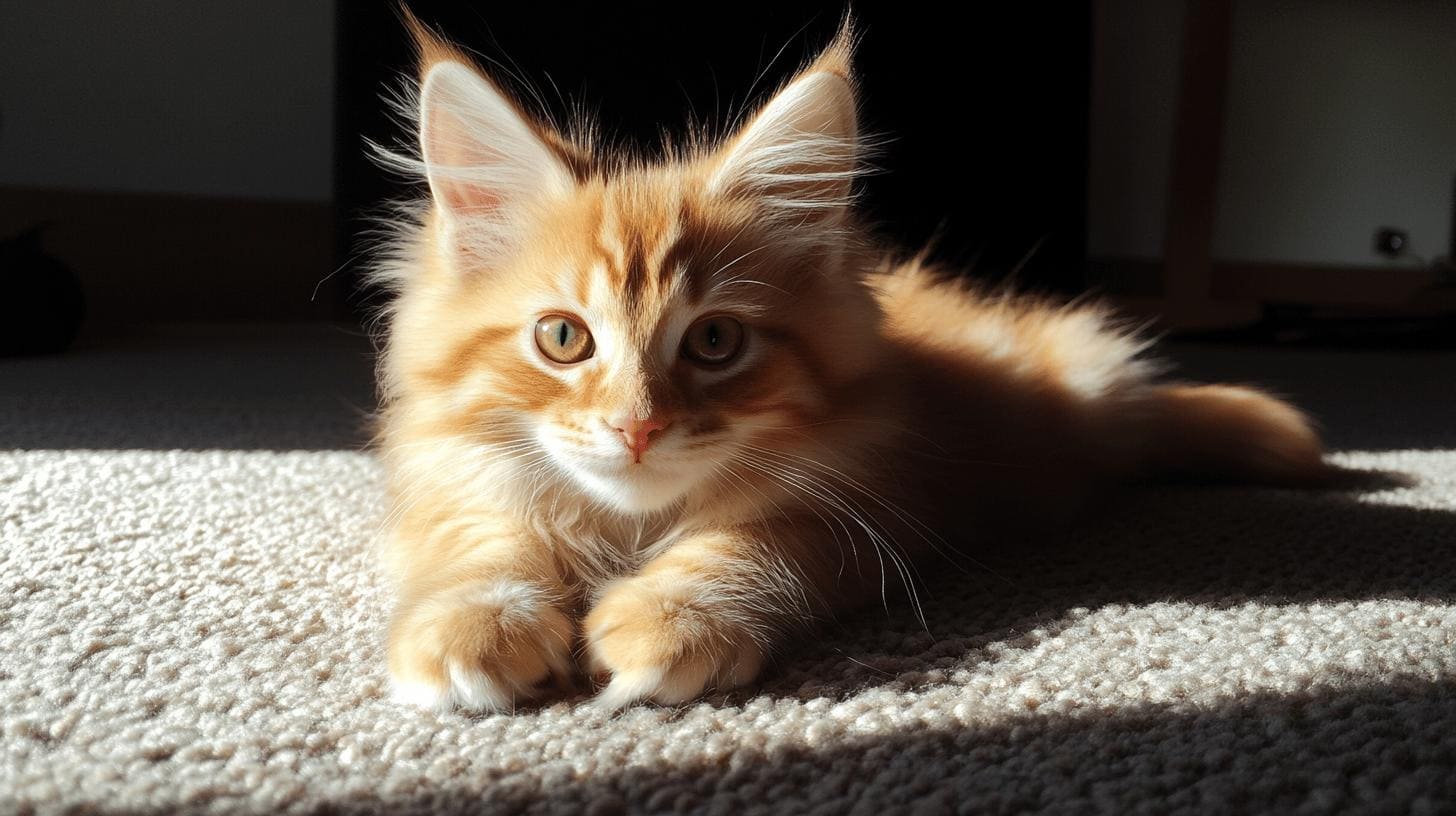
Cats have a special knack for tugging at our heartstrings, thanks mainly to their physical traits that align with the "baby schema effect." This concept refers to a set of features like large eyes, small noses, and round faces, which instinctively make humans feel a nurturing urge. These characteristics are not just random; they are deeply embedded in the way our brains are wired, leading us to find such features irresistibly cute and worthy of protection. This response is similar to how we react to human babies, making cats appear even more endearing and lovable.
- Big, round eyes
- Soft, small noses
- Round faces
- Fluffy, soft fur
- Tiny paws
From an evolutionary perspective, cats may have developed these appealing traits over time to enhance their survival. As humans began domesticating cats, those with features that elicited a caring response were more likely to be favored and cared for, potentially increasing their longevity and reproductive success. This mutual interaction fostered a bond between humans and cats, allowing them to coexist harmoniously. Today, this evolutionary journey continues, as our fondness for feline cuteness strengthens the connection that keeps cats as cherished companions in our lives.
Cute Cat Behaviors That Captivate Us
Cats have a delightful array of vocal behaviors that make them irresistibly cute. One of the most captivating is their purring. The sound of a cat's purr is not only soothing but has therapeutic properties. With frequencies ranging from 20 to 150 Hz, purring can promote relaxation and even aid in healing processes. This gentle vibration has a calming effect on humans, making us feel a sense of peace and warmth. Cats also use meows to communicate, often mimicking the frequency of a human baby's cry. This vocal mimicry triggers a nurturing response in us, deepening our affection for these furry companions.
- Playful tail chasing, which showcases their energetic and fun-loving side.
- Slow blinking, a sign of trust and affection that melts our hearts.
- Kneading with their paws, reminiscent of kittens nursing, which feels comforting.
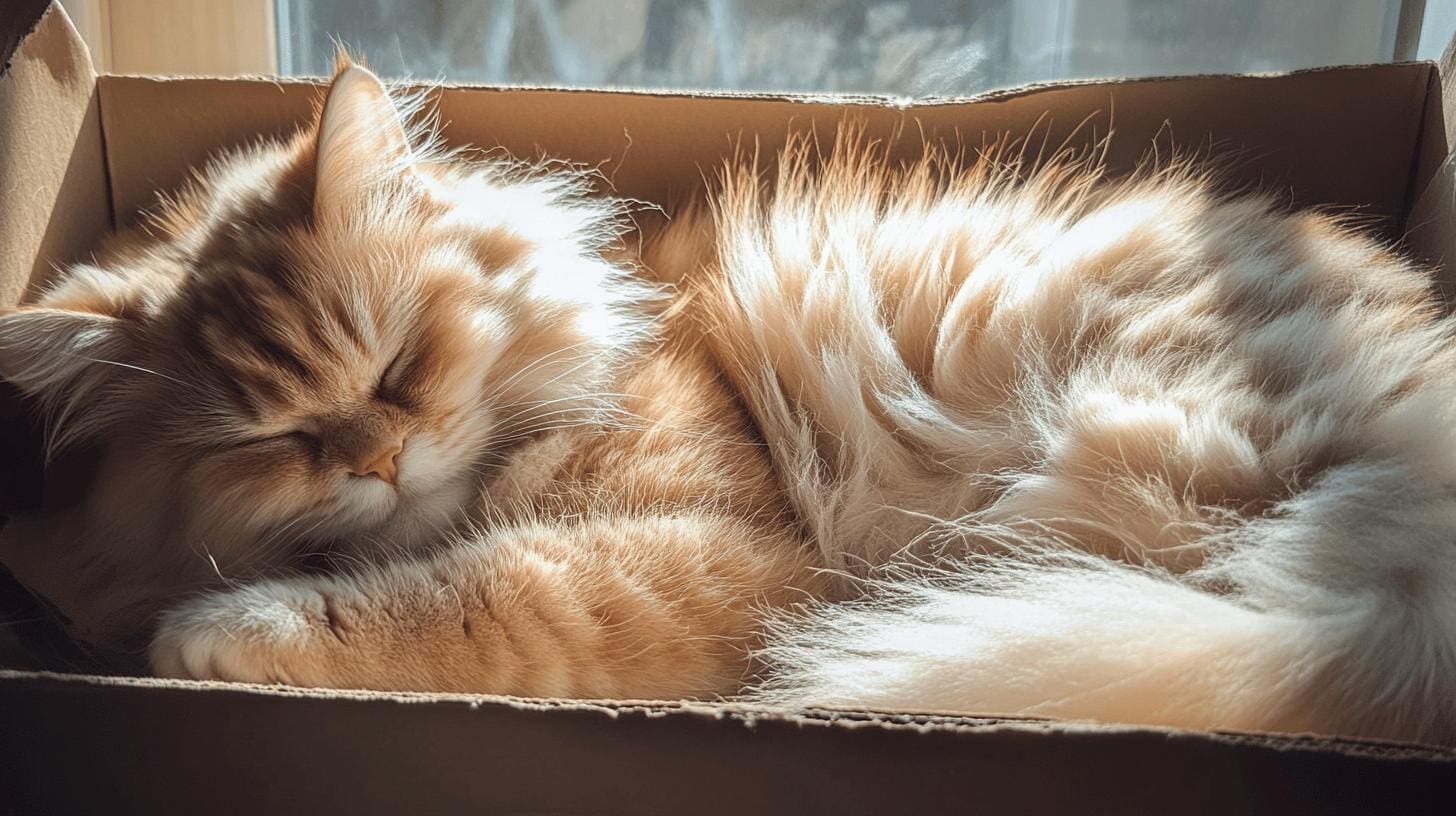
- Curled-up sleeping positions that make them look snug and content.
Non-vocal behaviors are just as endearing, capturing our attention and admiration. Cats have a unique way of communicating through body language. Slow blinking, for instance, is a sign of trust and affection. When a cat slowly closes its eyes, it signals comfort and love, encouraging us to reciprocate with slow blinks. Cats' sleeping positions are another adorable trait, as they often curl up in tight balls or stretch out lazily, exuding contentment. These behaviors not only highlight their charm but also strengthen the bond between humans and their feline friends, making every interaction a heartwarming experience.
Psychological Reasons Cats Are Cute to Humans
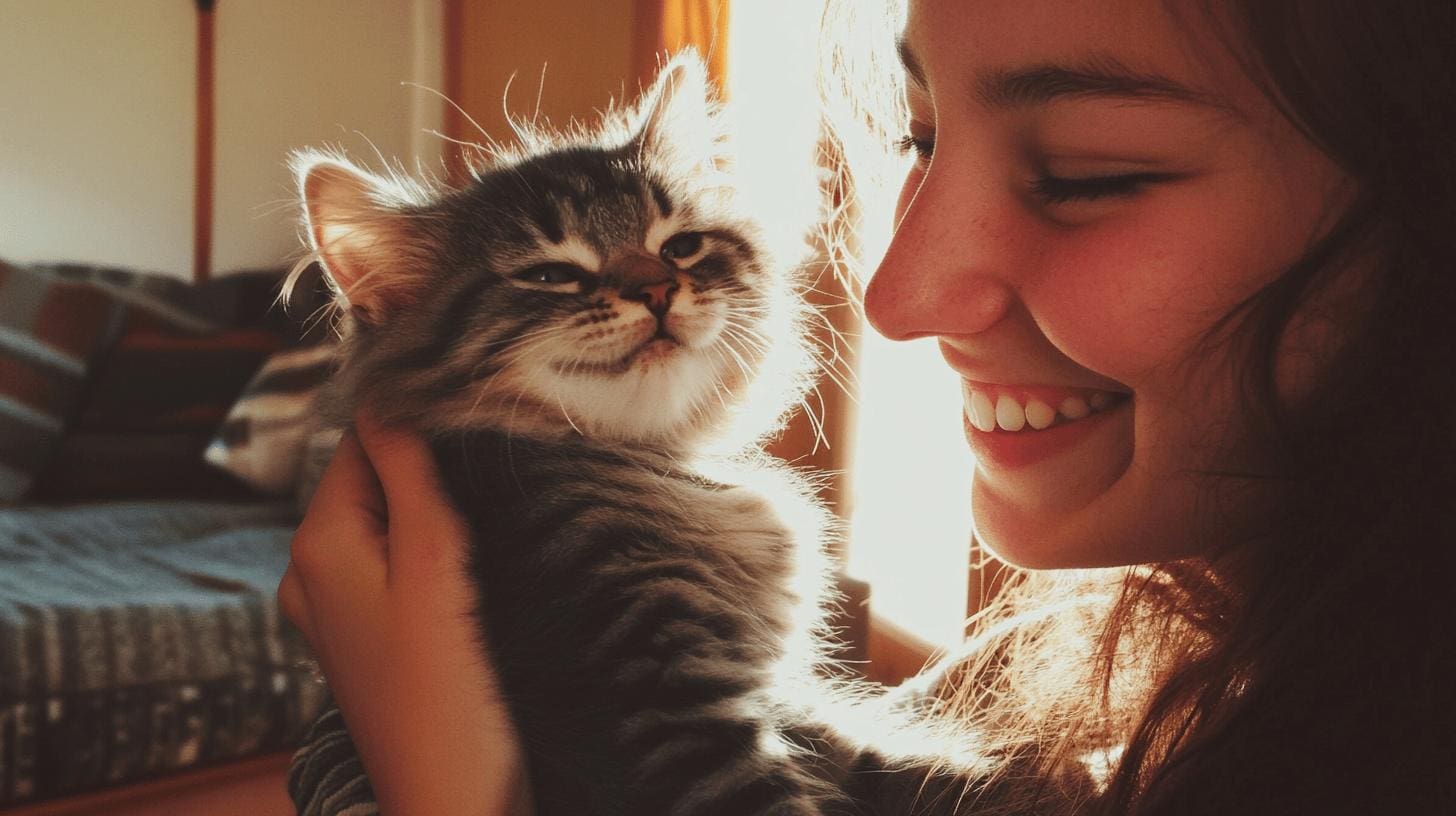
Our fascination with cats' cuteness can be traced back to evolutionary psychology. Humans are hardwired to respond to features like large eyes and small noses, which are commonly seen in both babies and kittens. This biological inclination triggers nurturing instincts, prompting us to protect and care for these adorable creatures. It's a survival mechanism that has helped humans bond with and nurture not only their offspring but also animals like cats, leading to a stronger interspecies connection.
Part of this psychological response includes the phenomenon known as "cute aggression." This is the overwhelming urge to squeeze or pinch something we find irresistibly cute, like a fluffy kitten. While it might sound counterintuitive, cute aggression is thought to balance our emotions, helping us manage the intense feelings that arise when confronted with extreme cuteness. It's a way for our brains to regulate the high levels of affection and protectiveness that come with these adorable encounters.
These psychological responses significantly impact how we interact with cats. The combination of nurturing instincts and cute aggression encourages us to engage more closely with our feline friends, fostering a deeper bond. We find ourselves drawn to their playful antics and soothing purrs, and this emotional connection enhances our overall well-being. Understanding these psychological factors helps us appreciate why cats hold such a special place in our hearts and why they continue to be cherished companions.