
Could feeding your cat just once a day be enough, or is it a feeding frequency faux pas? While the idea might conjure images of simplicity for us cat owners, it stirs a debate among pet experts. Cats are creatures of habit, with wild relatives nibbling multiple times a day. So, does a once-a-day meal plan meet your feline's nutritional needs? If you've ever wondered about the best feeding schedule for your furry friend, then this article is for you. Let’s explore whether this feeding routine keeps your kitty purring with satisfaction or leaves them craving more.
Can Cats Eat Once a Day? Understanding the Basics
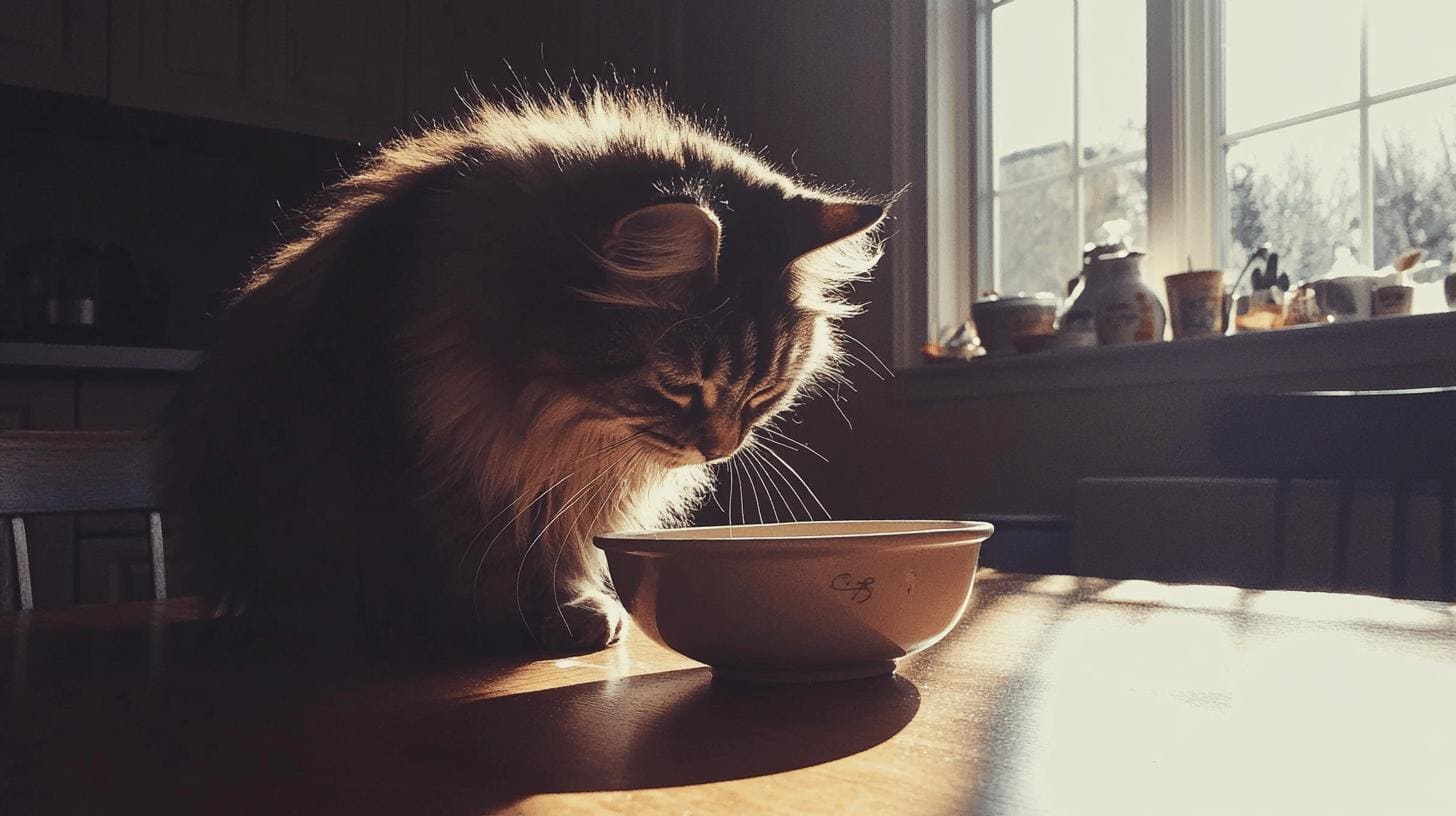
Feeding a cat once a day can work for adult cats over one year old, but it's not ideal for every feline. Adult cats have different nutritional needs based on factors like size, activity level, and health status. While feeding once a day might seem convenient, most experts suggest offering at least two meals daily to meet a cat's natural eating habits and nutritional requirements. This is because cats in the wild eat multiple small meals throughout the day. Nevertheless, if your cat is healthy and thriving on a once-a-day schedule, it may be suitable. Just make sure that the meal is nutritionally balanced and portioned correctly to avoid issues like obesity or nutrient deficiencies.
Pros and Cons of Feeding Cats Once a Day:
-
Pros:
- Simplicity in planning and managing feeding times.
- May reduce food-related stress in multi-cat households.
- Helps cats feel fuller for longer periods.
-
Cons:
- May not align with a cat's natural hunting and eating patterns.
- Potential for increased begging or food-seeking behavior.
- Risk of overeating or undereating if portions aren't carefully managed.
Each cat is unique, and their feeding needs can vary significantly. It's important to observe your cat's behavior, health, and weight to determine if a once-daily feeding schedule is appropriate. Regular check-ups with a veterinarian can help guide you in making the best feeding decisions for your furry friend.
How to Portion and Balance Meal Sizes for Cats

Getting the right meal size for your cat is key to keeping them healthy and preventing obesity. Overfeeding is a common issue, so understanding how much to feed is crucial. Most cat food packaging provides general guidelines, often based on high-demand scenarios like unneutered male cats. These guidelines can lead to overfeeding if not adjusted for your cat's specific needs. Measuring food portions accurately ensures your cat gets the right amount of nutrition without excess calories that might lead to weight gain.
One of the best tools for accurate portion control is a digital scale. Measuring food by weight rather than volume can be more precise, helping you maintain consistency in meal sizes. This approach minimizes the risk of overfeeding and helps keep your cat's diet balanced. A digital scale is easy to use and can make a big difference in managing your cat's dietary health.
Adjusting portions based on your cat's weight and activity level is also important. If your cat is gaining or losing weight, you might need to tweak their meal sizes. Regularly monitor their body condition and activity level to make necessary adjustments. Small, gradual changes in portion size can lead to better weight management without disrupting your cat's routine. By keeping a close eye on these factors, you can ensure your cat maintains a healthy weight and enjoys a balanced diet.
Behavioral and Health Considerations for Once-Daily Feeding

Feeding your cat once a day can significantly impact their behavior and health. Cats are natural hunters, accustomed to catching multiple small meals throughout the day. When fed only once, some cats might experience changes in their eating habits. This can include increased food-seeking behavior or anxiety around feeding times. One potential benefit of once-daily feeding is the increase in satiety hormones, which might make your cat feel fuller for longer periods. This could potentially lead to reduced overall food intake. However, the risk of obesity or metabolic issues can arise if the single meal is not appropriately portioned. Smaller, more frequent meals typically help maintain a cat's metabolic rate, which is why this approach is often recommended. It's essential to carefully consider these factors, as each cat's response can vary.
Signs to Watch For:
- Noticeable weight loss or gain
- Increased aggression around feeding times
- Changes in litter box habits
- Lethargy or decreased activity levels
Monitoring your cat's behavior and health closely is crucial if you're considering or already using a once-daily feeding schedule. Changes in your cat's mood, activity level, or physical health can provide vital clues about how they're adapting to this routine. Regular veterinary check-ups will help ensure your cat remains healthy and well-nourished. Adjust your feeding routine as needed to address any issues that arise.
