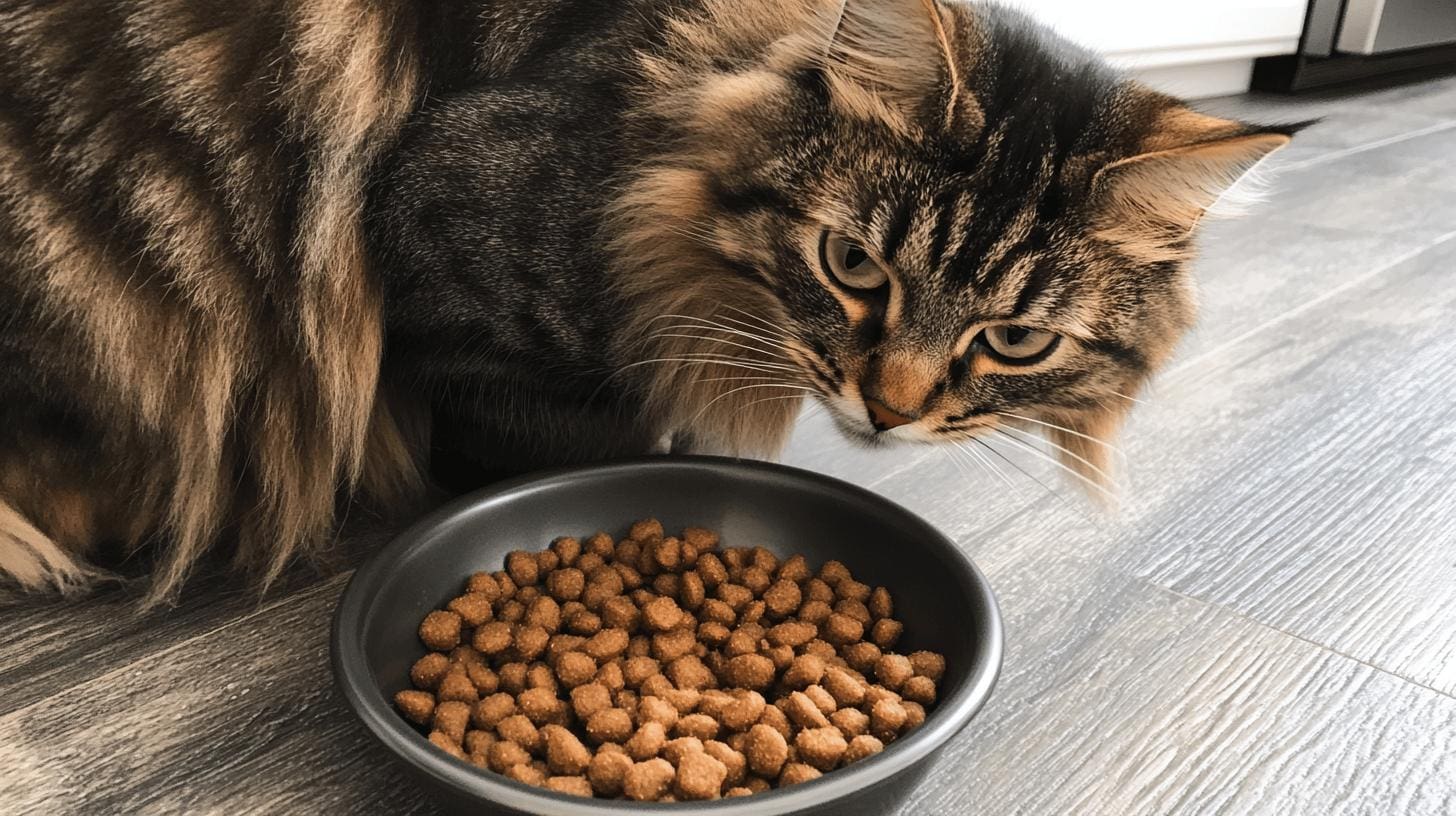
Ever wonder why your cat scratches around their food bowl like they're trying to bury treasure? It's not just a quirky habit. This behavior is rooted in their wild instincts, passed down through generations. In the wild, cats would "fake cover" their meals to protect them from predators. Today, this same instinct persists in your home, even with no threats around. In this post, we'll explore the reasons behind this behavior, how it ties into their instincts, and what you can do if it becomes an issue.
Understanding Cat Scratching Behavior Around Food Bowls
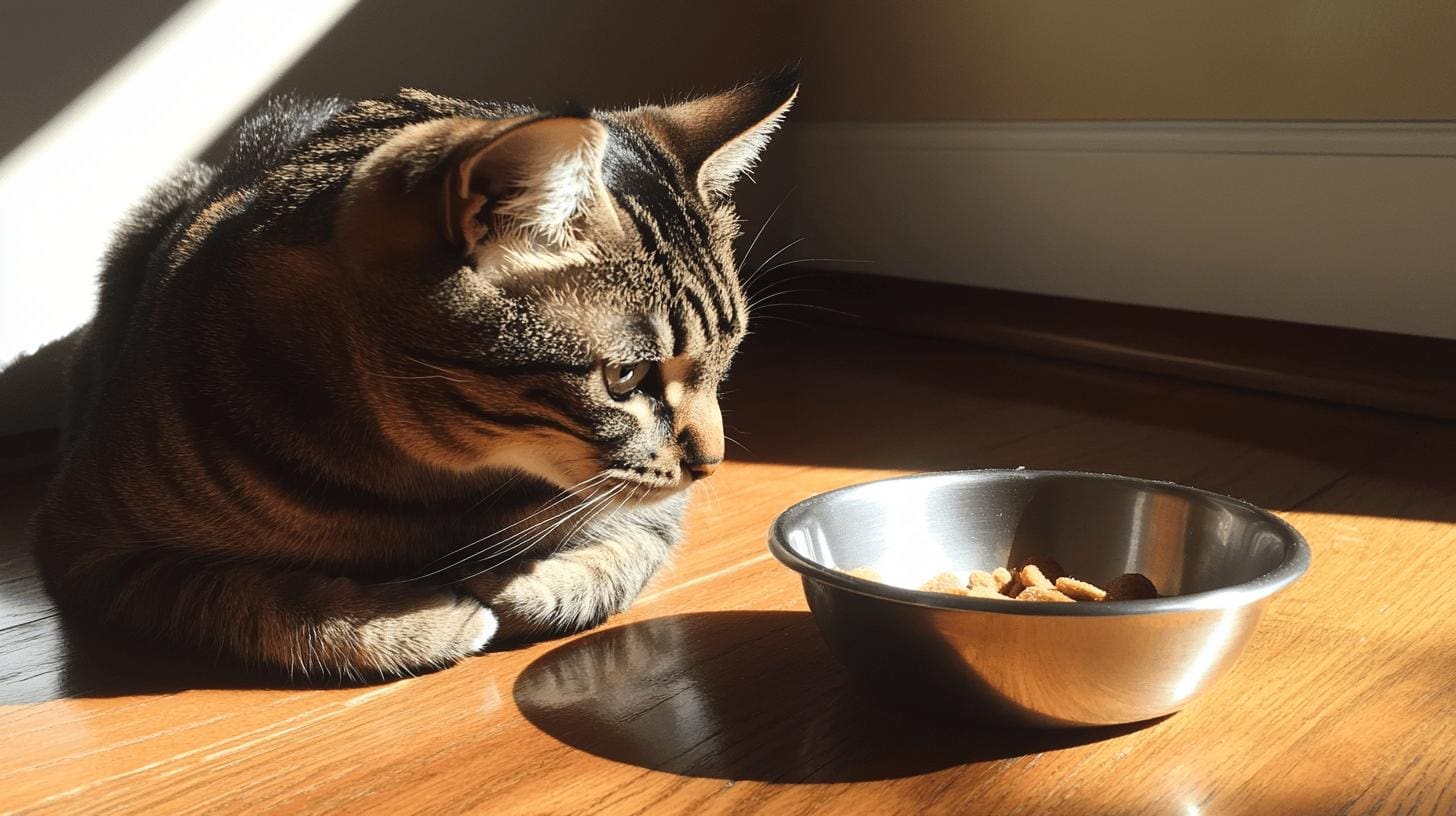
Cats scratching around their food bowls often stems from instinctual behaviors inherited from their wild ancestors. In the wild, cats would "fake cover" their meals to hide them from predators. This behavior is a survival tactic, ensuring their food is safe for later consumption and that their presence is concealed from potential threats.
Even though domestic cats are far removed from their wild relatives, these instinctual behaviors persist. You might notice your cat scratching near their food on surfaces like tiles or carpets. This isn't just a random action; it's a deeply ingrained behavior. They're mimicking the act of burying their food, even if there are no predators around to worry about.
- Instinctual food caching
- Keeping the eating area clean
- Enjoyment or contentment
- Dislike of the food provided
Cats are naturally meticulous animals. Scratching around their food bowls might be their way of keeping their eating area tidy, similar to how they groom themselves. For some cats, this behavior is simply enjoyable. Scratching can be a pleasant activity, indicating contentment. If a cat doesn't like what's being served, scratching might serve as a form of rejection. While this behavior is generally normal, if it starts causing issues, it might be worth observing any changes in your cat's environment or diet.
Managing and Modifying Cat Scratching Behavior
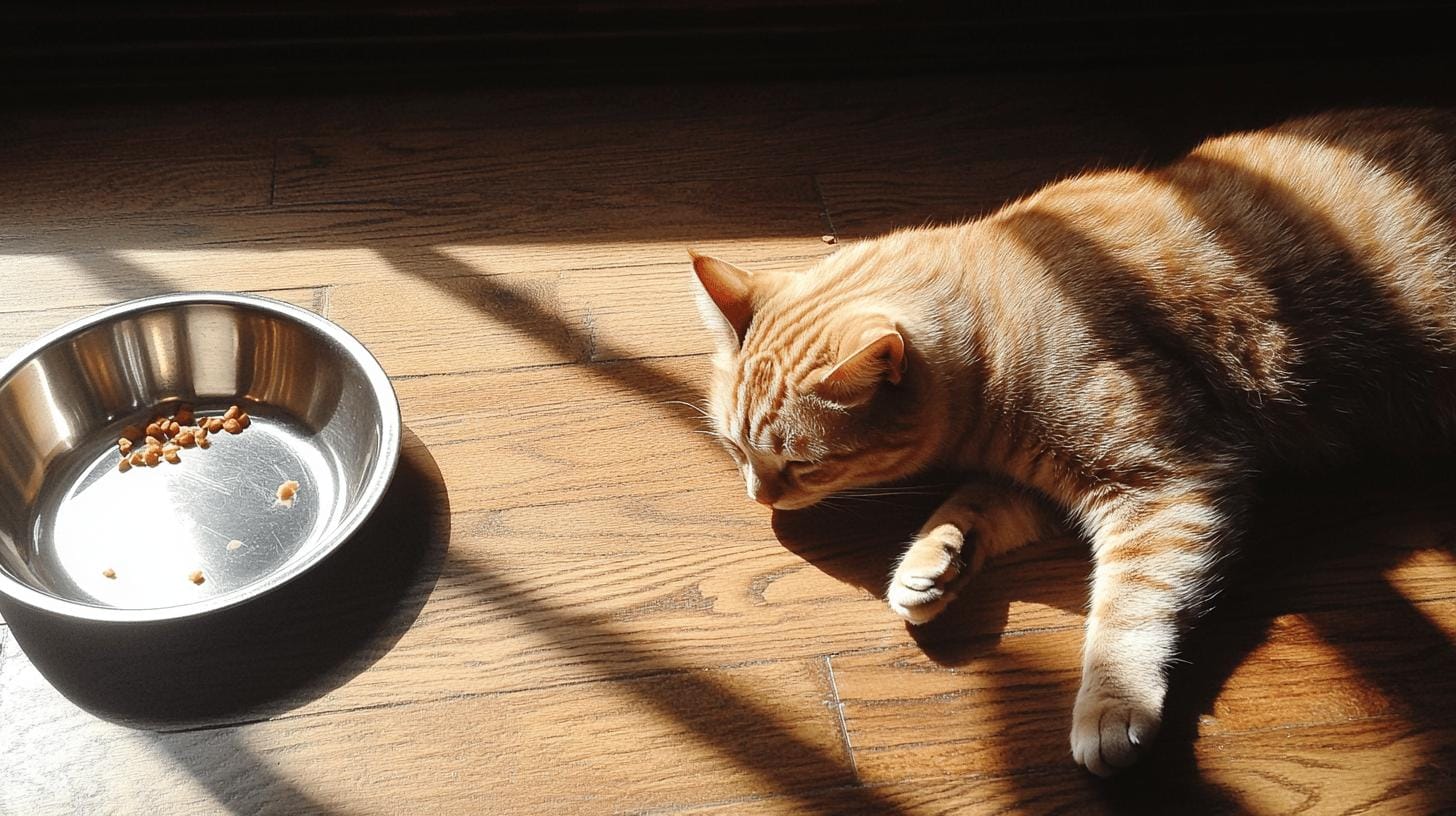
Cat scratching around their food bowls is usually harmless, but there might be times when you need to step in. If the behavior becomes destructive, like damaging floors or furniture, it's a signal to take action. For some cats, excessive scratching can mean they're stressed or anxious, which can be alleviated with some changes.
Here are some practical tips to help redirect your cat's scratching behavior:
- Provide toys to redirect attention
- Engage in interactive play to reduce boredom
- Remove food bowls after eating
- Clean up any leftover food promptly
- Change the location of the food bowl if needed
By offering toys or engaging in interactive play, you can capture your cat's interest and divert their energy elsewhere. Removing the food bowl after meals prevents them from scratching and "burying" leftovers. Prompt cleanup of any leftover food also ensures there's no reason for them to scratch around. If scratching persists, try relocating the food bowl to a different area, which might disrupt the habit.
Remember, scratching behaviors are generally a part of a cat's instinctual routine and not a major concern. If it does become problematic, consulting with a veterinarian can provide additional solutions tailored to your cat's needs.