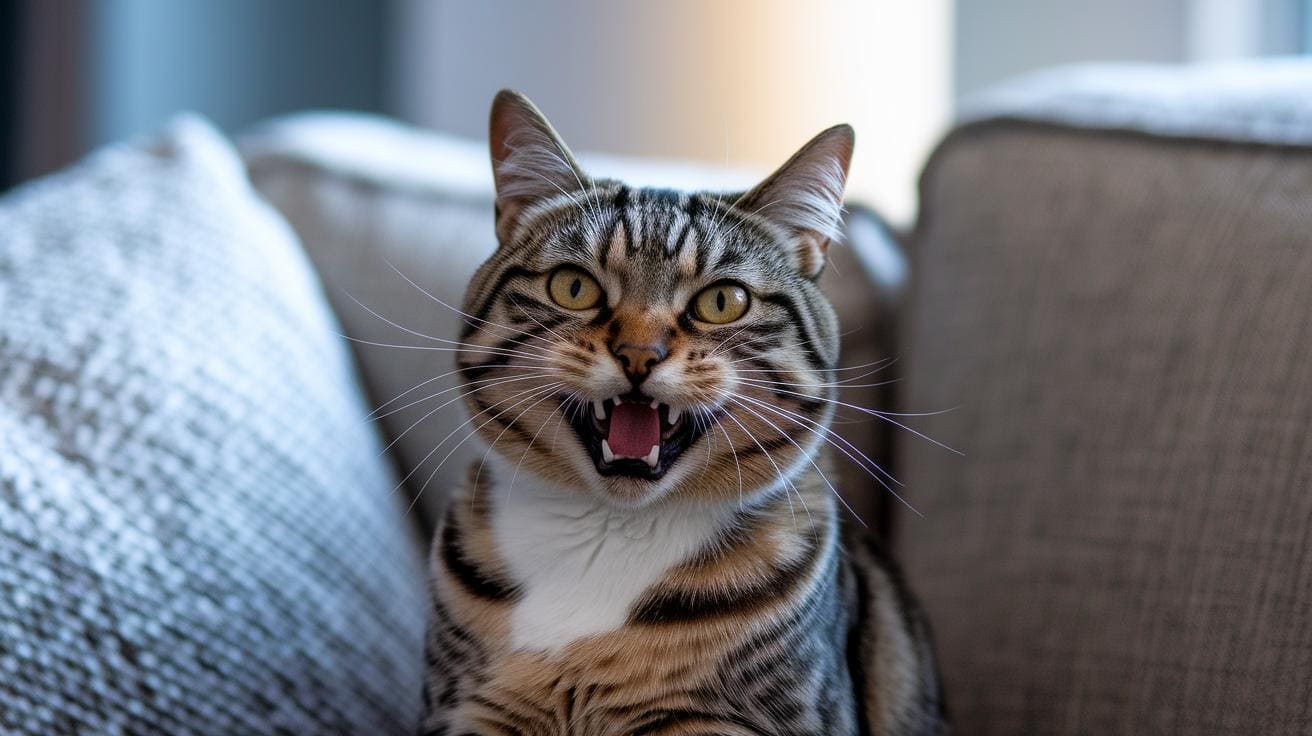
Ever jumped when your cat hisses like a tea kettle letting off steam?
That sharp spit isn’t random.
It’s your kitty’s secret signal.
They’re shouting “Give me some space!”
About one in four cats hisses to say “pause” every month.
Noticing this tiny warning gives you time to help your kitty relax.
Try spotting the whisker twitch or tail flick before the hiss.
It’s a little heads-up you can’t miss.
In this post, we’ll explore why cats hiss and share simple tips to turn fear into purrs.
Ready to end the hiss-teria and see your furball feel safe again?
Let’s get started!
Core Reasons Cats Hiss and What It Communicates
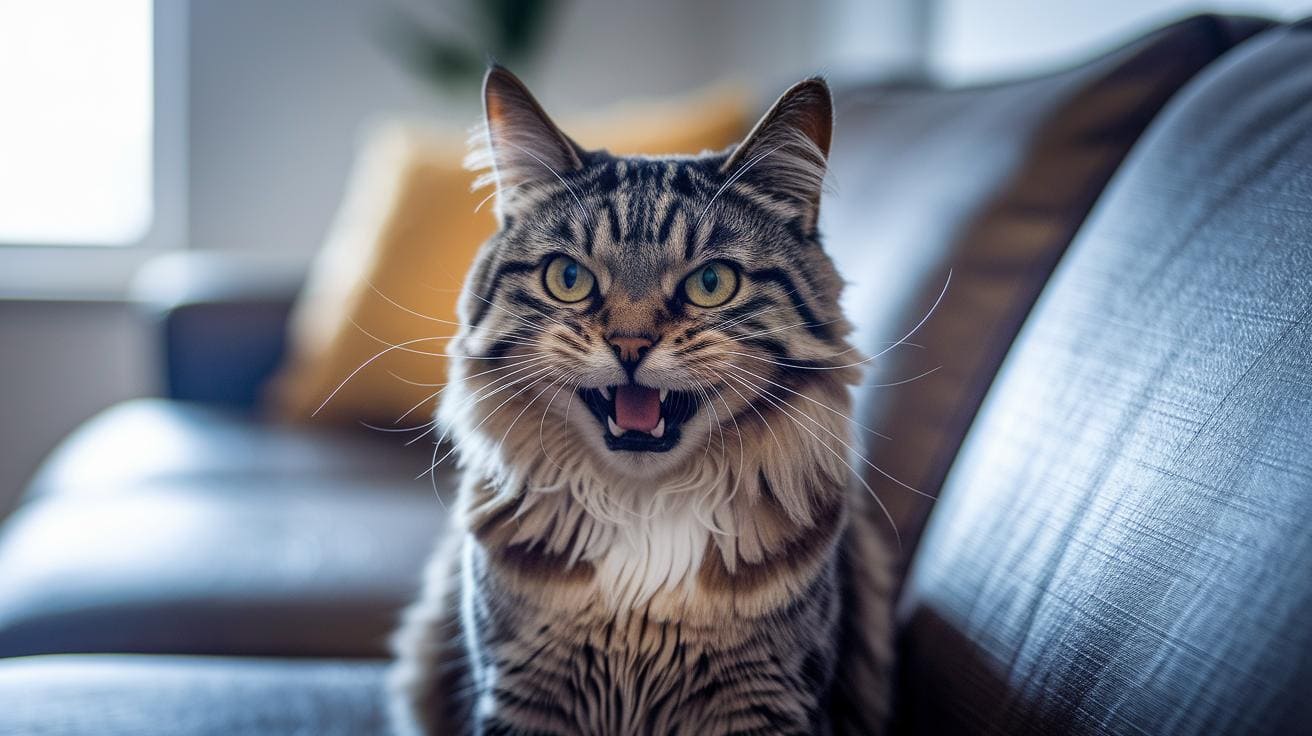
Ever heard your cat let out a hiss? That sharp, breathy snarl can startle you. But it’s really a built-in alarm telling you to back off. For a deeper explanation, check out cat hissing meaning.
Hissing is your kitty’s way of saying “I need my space.” It pops up when your cat feels scared, stressed (like on edge over new stuff), in pain (ouch!), or unsure about their spot in the social pecking order (um, who’s boss in a cat group). When that warning is ignored, the hiss can turn into a spit or even a growl. Catching it early helps everyone stay calm.
Remember, hissing is just your cat’s firm but honest “I need space.” It’s their way of setting a clear paw-some boundary!
Fear Response and Stress Triggers for Cat Hissing
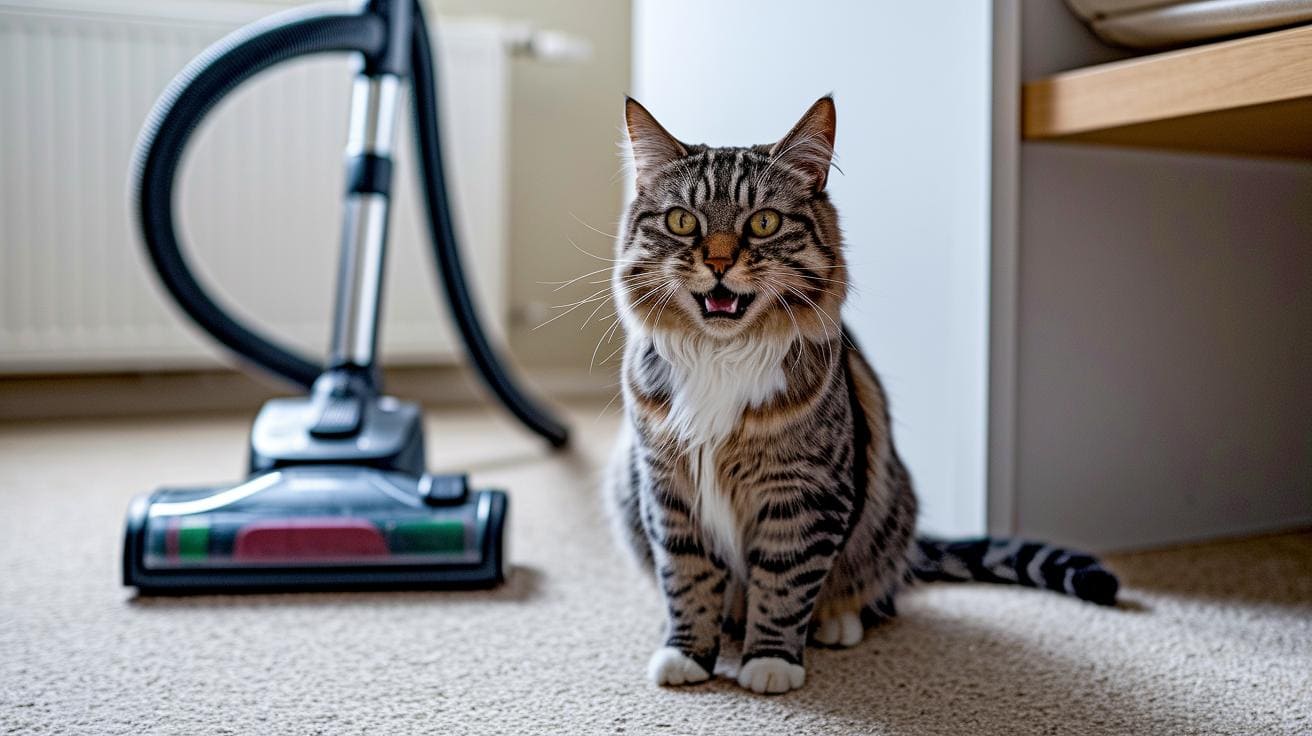
Ever watched your kitty’s eyes shoot wide when the doorbell rings? Or see them freeze at a thunder clap? A hiss often creeps in when something startles or spooks them. You might spot their back arching a bit before the hiss sneaks out. Their whiskers pull back tight, and ears flatten as they warn you to back off.
Common fear triggers and stress signals include:
- Unfamiliar people darting into the room, or a new cat sniffing around.
- Sudden movements like grabbing a towel for nail trims.
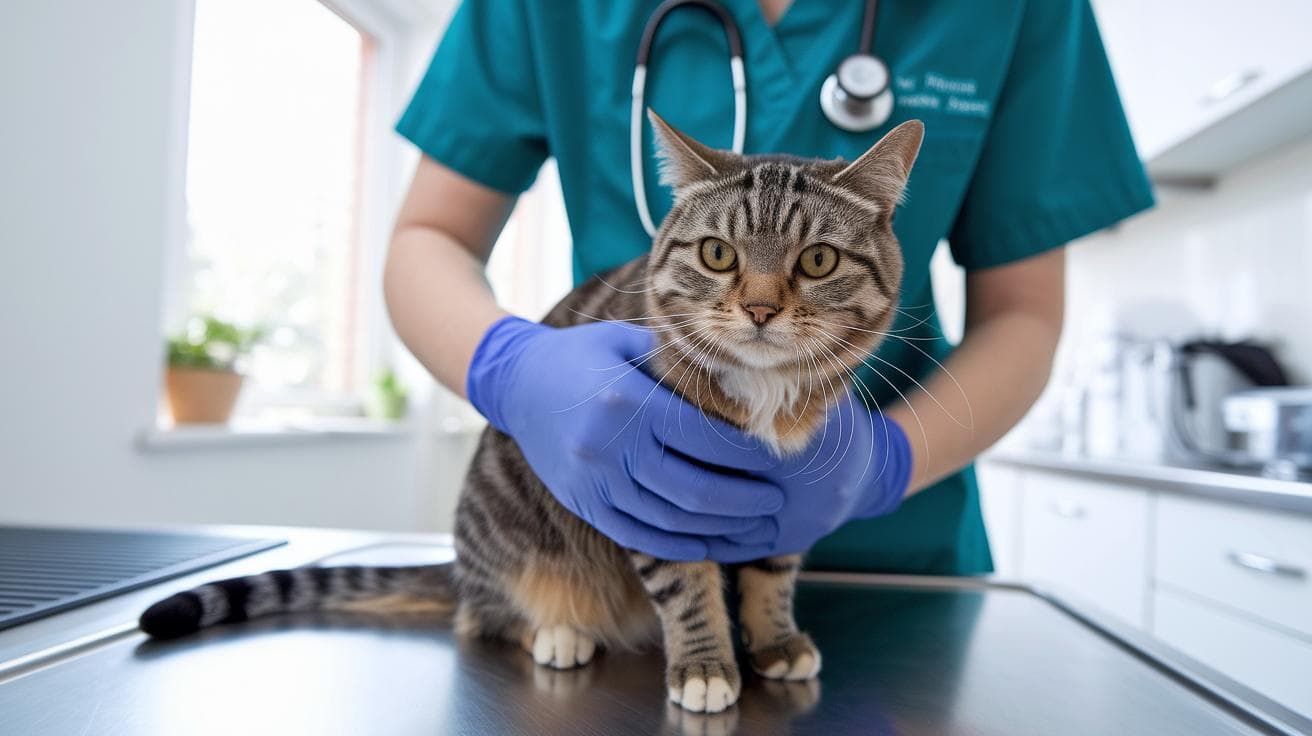
- Vet visits and grooming sessions, cold metal tables and gentle pokes in weird spots.
- Moving to a new home with odd smells or echoey hallways.
- Loud noises such as thunderstorms, vacuum cleaners, or dropping a glass.
- Overstimulation during petting, long strokes on the back or touching the belly, paws, or tail.
That happened last week when my cat Luna hissed at the blender, so fierce I almost laughed. Even the smell of that fancy candle or new furniture can send a hiss zipping through the room.
Next time you hear that hiss near the vacuum or a sudden clap, you’ll know it’s stress, not mischief.
Pain and Discomfort as Causes of Cat Hissing
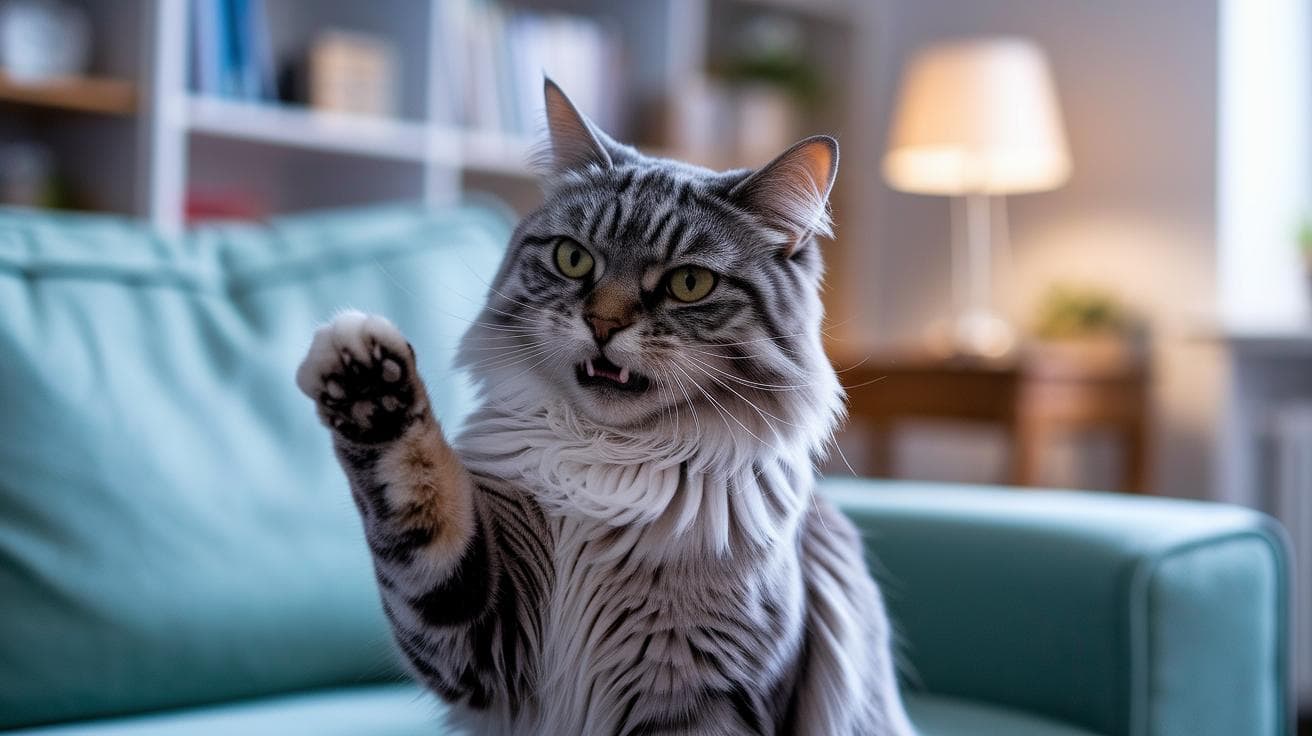
Ever felt your cat hiss when you lean in for a pet? That’s their way of saying “ouch.” If your kitty has arthritis (joint inflammation) or a hidden boo-boo, touching that sore spot can spark a hiss. Really.
You might see them limp or skip a favorite jump. Their breathing could speed up too. Uh, that’s a clue. Their whiskers might twitch when you set them on the couch.
Watch for less eating or extra hiding under blankets. A sudden yelp and a quick dash away is another tip. And if sluggish play or marathon naps come with that hiss, call your vet. Giving your cat space and a checkup helps keep them calm and pain-free.
Peace for your purring pal.
why do cats hiss: keep your cat calm
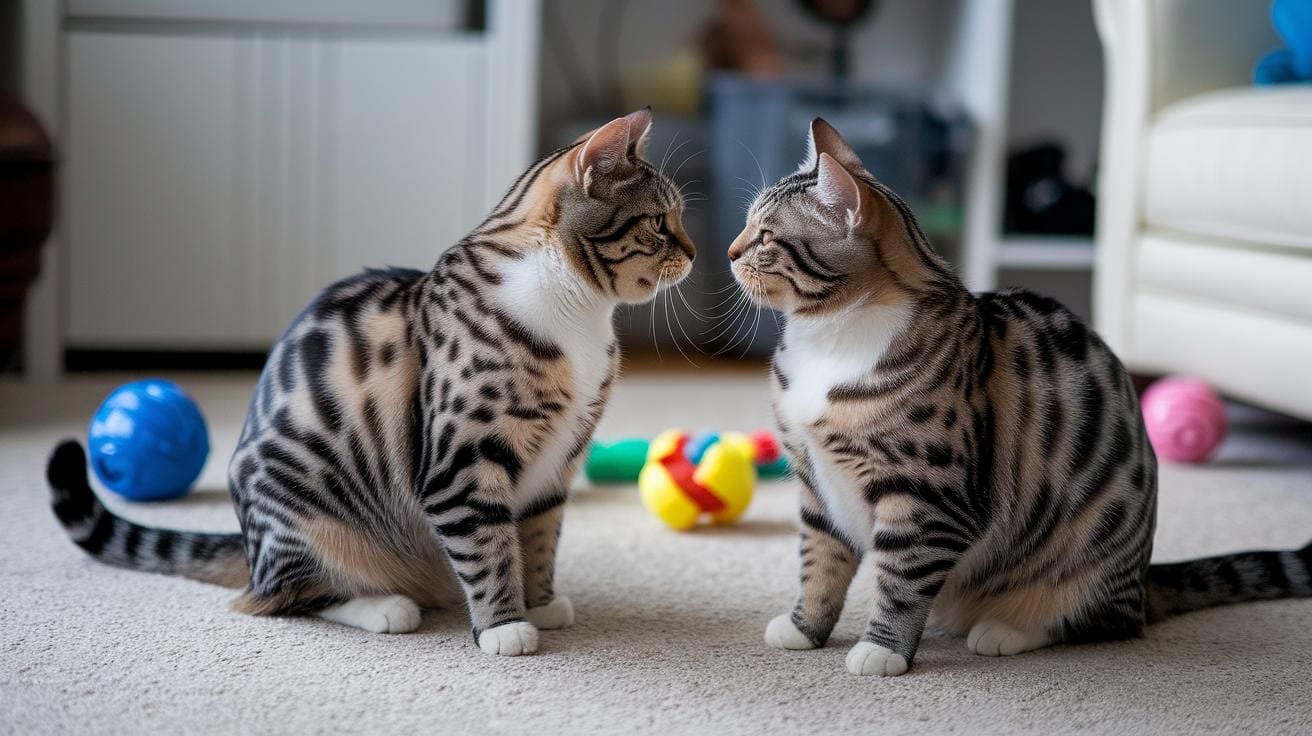
Peek through a window on a sunny afternoon and you might see your indoor cat freeze. Its tail twitches. Its ears flatten. Then a hiss bursts out when a bird or squirrel zooms past. That is territorial behavior (defending its home spot) in action, even if the biggest threat is just a backyard robin. It’s your kitty’s way of saying “back off” to the critter – and, um, to you too.
But wait – that snap-hiss moment isn’t only for feathered friends.
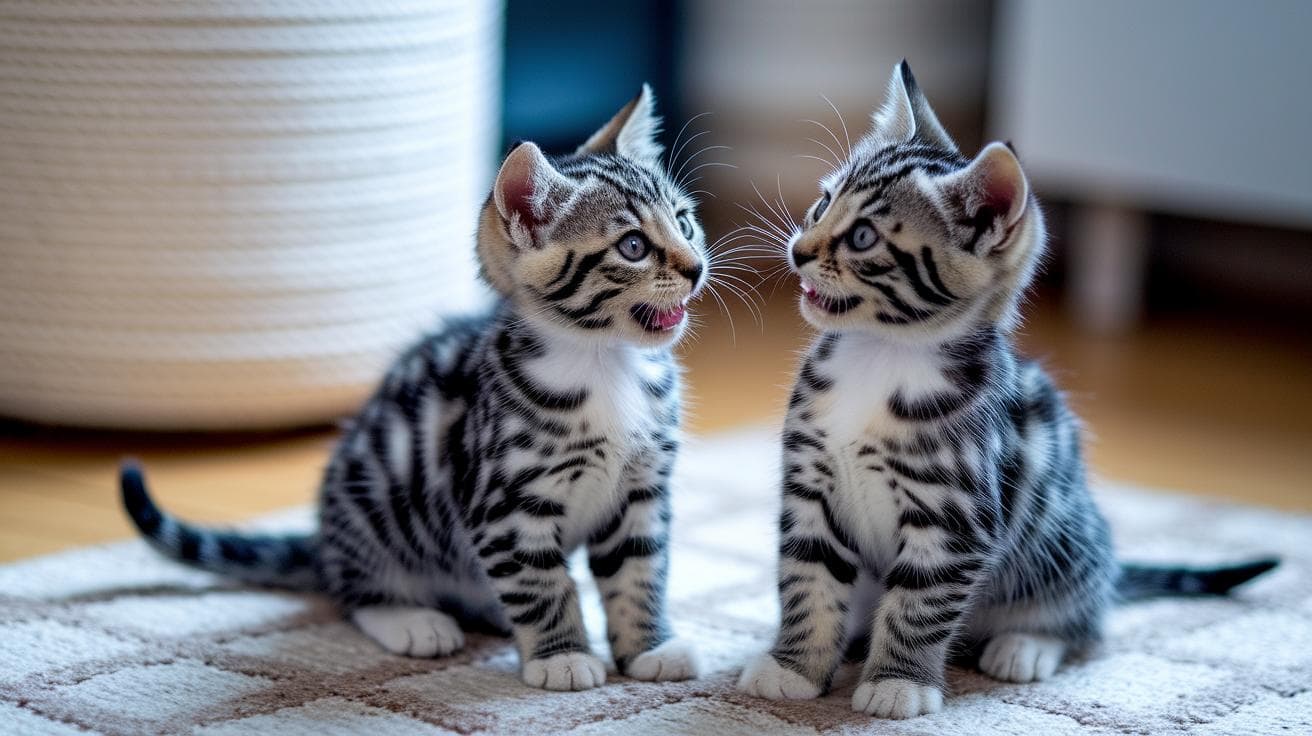
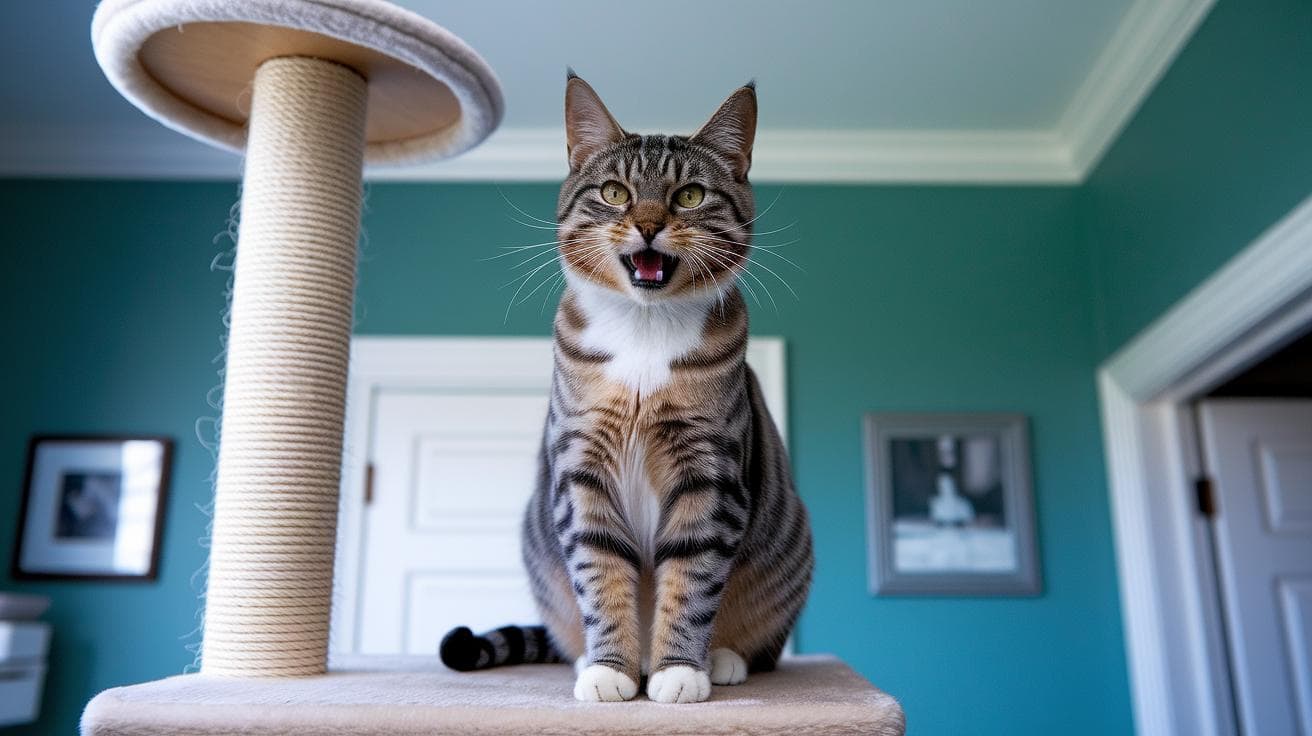
In a house with more than one cat, hissing usually comes down to social rank. Picture one cat circling another’s food bowl. A low growl rumbles. Then the classic hiss pops up to grab the best spot on the cat tree. Introducing a new feline friend can spark a chorus of hisses while everyone figures out who’s boss. Give each cat its own bed, litter box, and perch (a cozy lookout) so squabbles cool off faster. Actually, make that two go-to perches each.
Cat-dog meet-ups can spark the same defensive reaction. When an eager dog barrels in too fast, your cat might feel trapped and that hiss pops out like a red light. Start with the dog on a leash and let your cat choose the meeting spot. Reward calm behavior on both sides. Move slowly. Offer plenty of escape routes. Soon they’ll learn there’s enough turf for everyone – no hiss required.
Worth every paw-print.
Body Language Cues When Cats Hiss
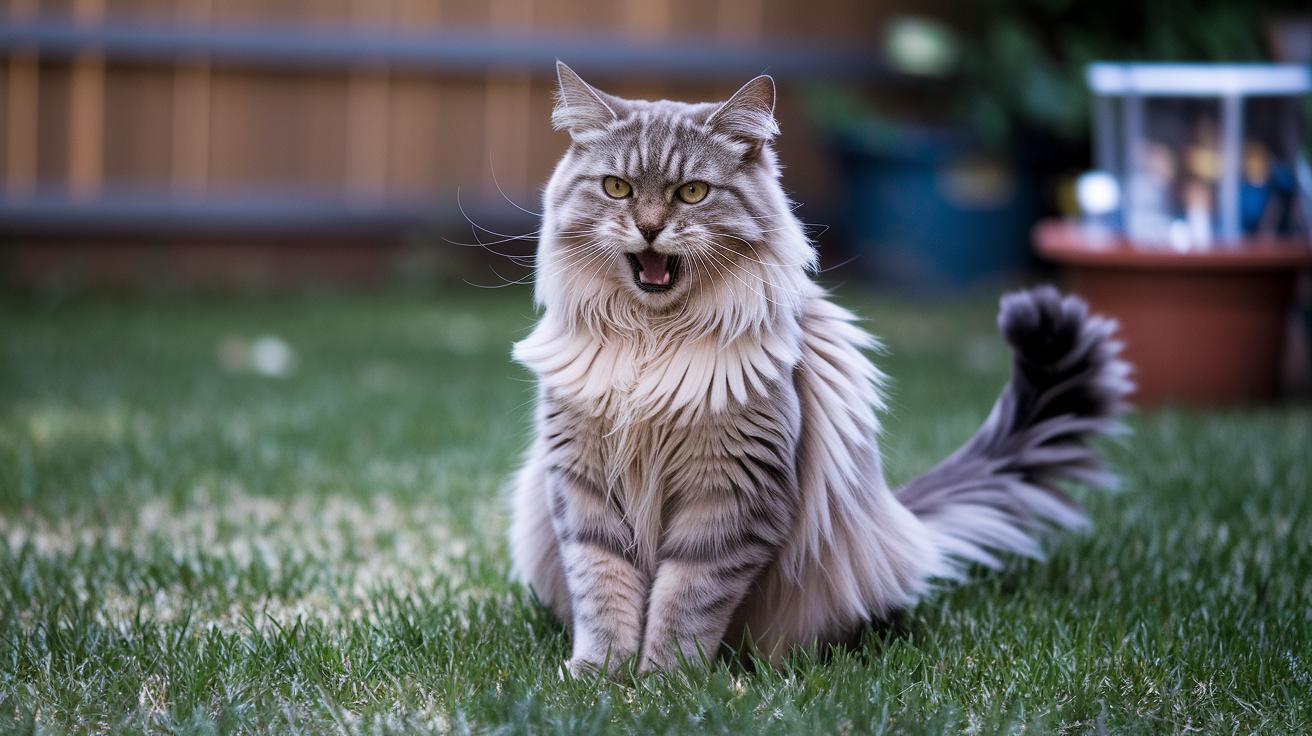
Ever notice your cat’s ears flattening against its head? Those folded sails mean “I’m on guard.” You’ll see the pupils balloon wide, too, like little black moons sharpening focus.
Next, peek at that back. Your kitty arches it into a tiny furry bridge. You might even spot raised fur (piloerection, when your cat’s hairs fluff up) along the spine, its “bigger is better” trick. And watch the tail, it could puff up like a miniature brush or whip back and forth in quick, fierce strokes.
Ever watch your kitty chase shadows? Now see the stance: a low crouch makes them feel grounded and ready. Muscles might twitch under the coat, and you could hear soft puffs of breath from the nose, signs that tension is building.
Notice the whiskers pressed flat against the cheeks? That’s “brace yourself.” When the ears flip to the side and whiskers pin back, your cat’s cranking urgency up a notch. Spot these cues early, then offer a quiet nook so they can decompress.