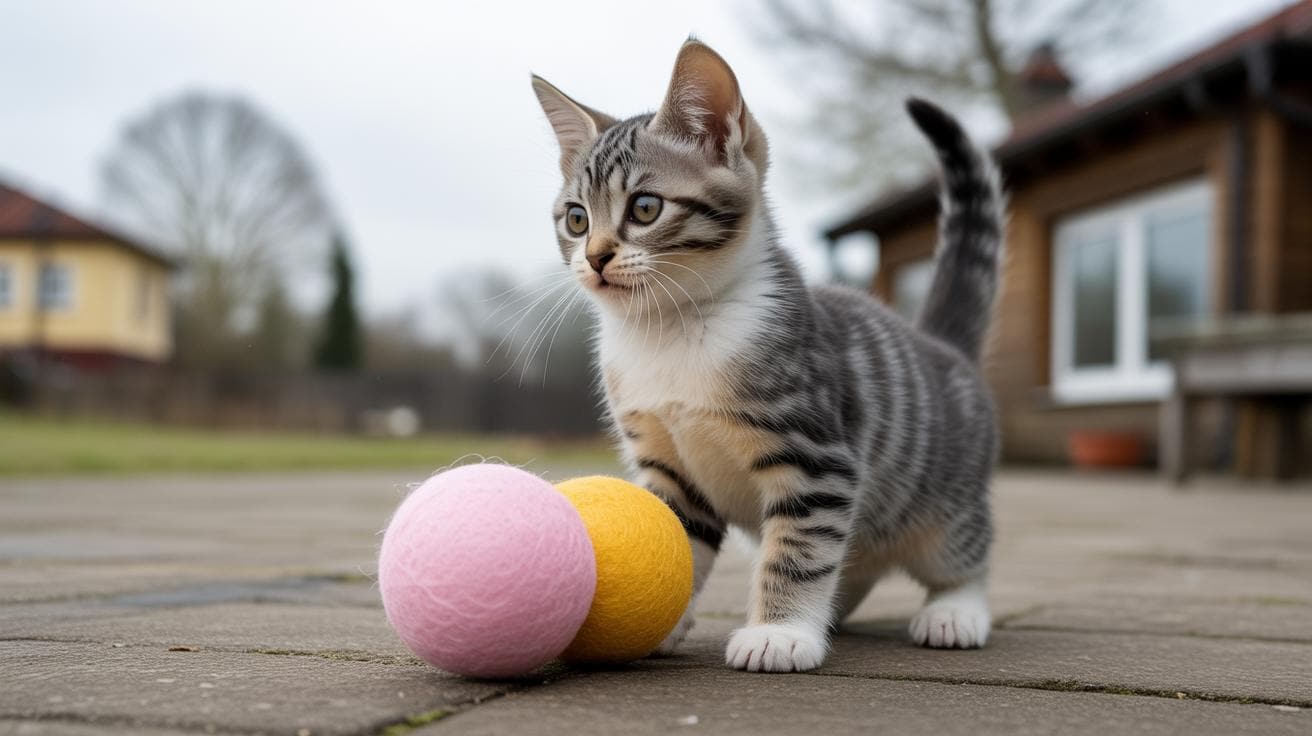
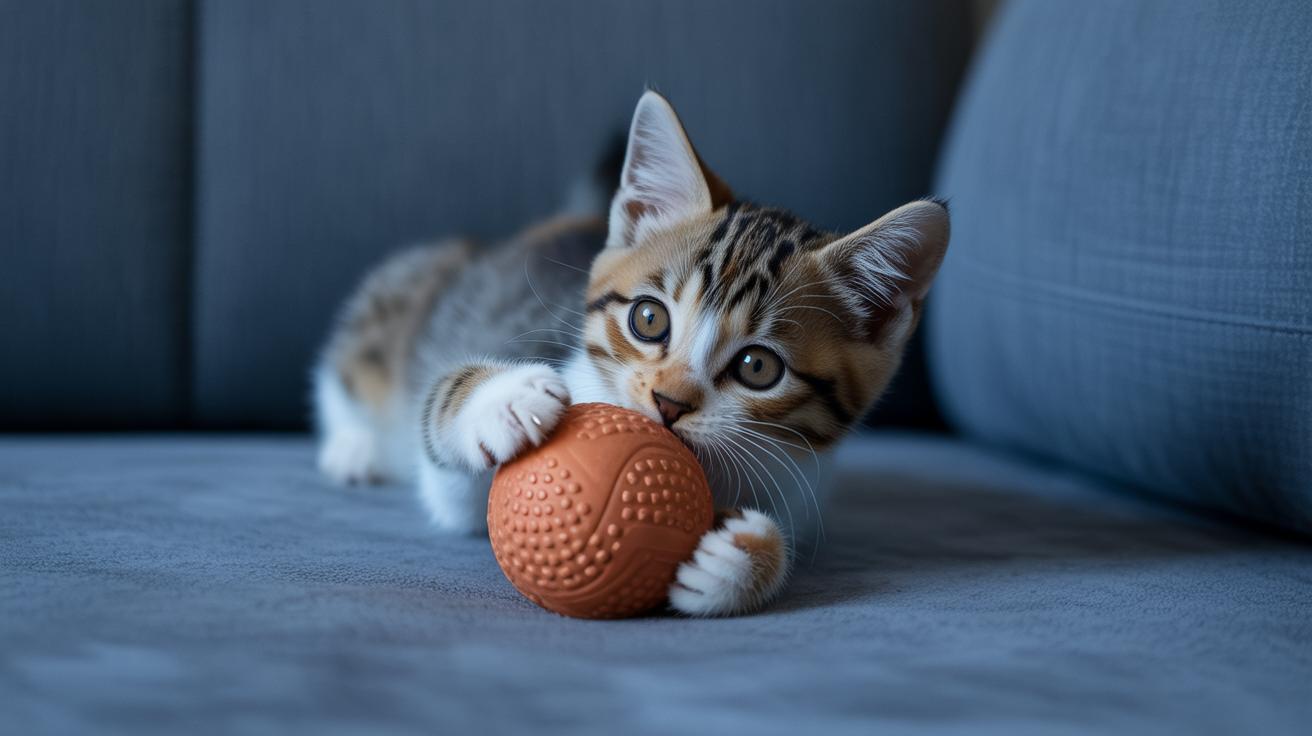
About those "unbreakable" cat balls , they’re not automatically safe for kittens. Labels are mostly marketing. So don’t skip the sniff test: size, materials, and how the inside is sealed matter more than the name on the box. Ever watched a kitten chew like it’s auditioning for a shredding contest? Yeah.
Pick materials that actually hold up. Food-grade silicone (safe for contact with food) or natural rubber (chewy and springy) are better than thin, brittle plastics. Look for low-toxicity materials (unlikely to poison if a little gets in their mouth) and chew-resistant construction (hard to shred into tiny pieces). You want something with a nice bounce and no flaky edges.
Size and sealed internals are deal-makers. The ball should be too big to swallow but comfy to bat around. Check that any seams are tightly sealed and there are no small parts that can pop out. And watch the first play sessions, supervise until you’re sure the toy won’t fall apart.
I learned this the hard way. My kitten turned a "tough" ball into confetti in minutes. Oops. So trust testing over the label, and give new toys a short, supervised trial run. Worth the few minutes for peace of mind.
Quick checklist:
- Right size: not a choking hazard.
- Good materials: food-grade silicone or natural rubber over brittle plastic.
- Sealed well: no loose bits or holes.
- Supervise early play: watch for chewing or breakage.
Are unbreakable cat balls safe for kittens
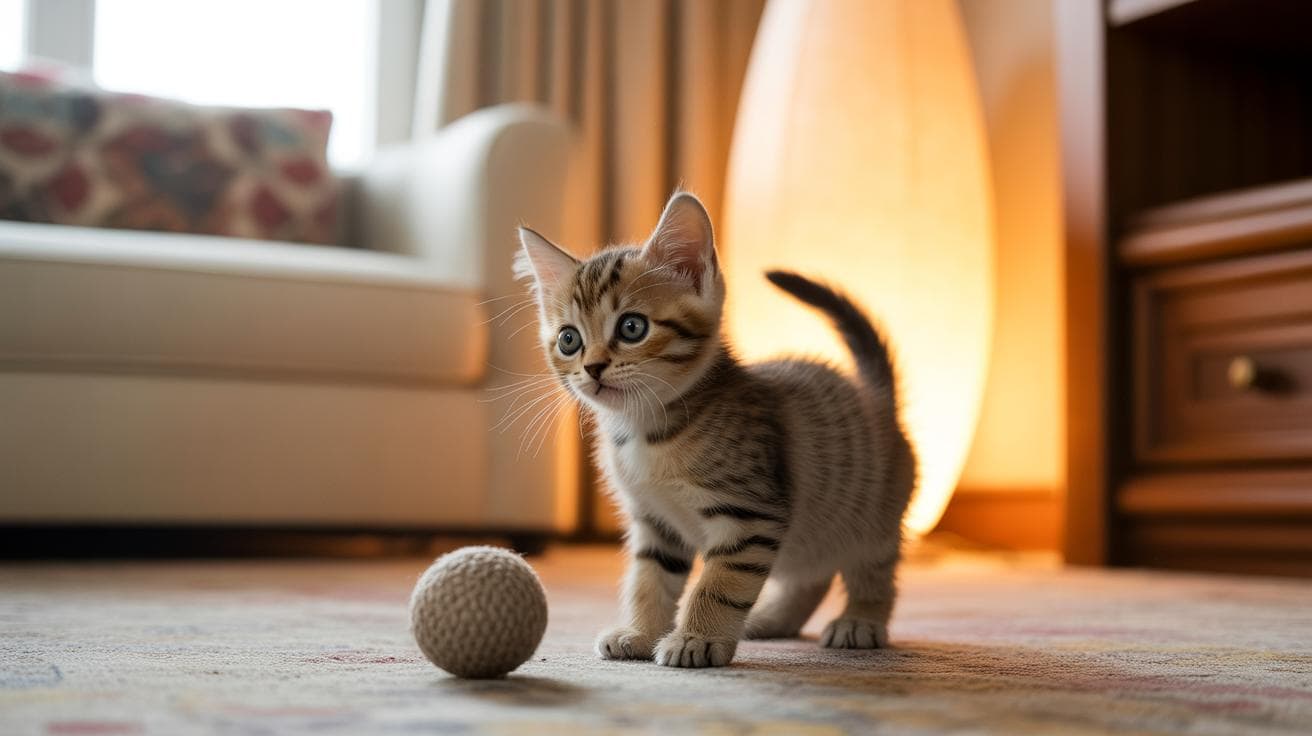
Short answer: not automatically. "Unbreakable" is a marketing word, and whether a ball is safe comes down to size, what it’s made of, how it’s built, and if you keep an eye on playtime.
- Size: about 1.25 to 2.0 in. in diameter for most kittens. Never use toys smaller than 1.0 in. or you risk choking.
- Materials: look for food-grade silicone (safe, non-toxic), natural rubber (chew-resilient), or BPA-free plastics (plastic without bisphenol A, a chemical you want to avoid). If you see thin, brittle plastic, pass.
- Age: most kittens can try small, sturdy balls around 8 weeks, but heavy chewers need extra caution.
- Supervision: watch the first few sessions. Toss it, watch the chase, listen for weird crunches, and pull the toy if you see cracking or tiny bits.
Before first use, inspect the toy closely and give it a sniff, odd smells can mean bad materials or chemicals. Toss it right away if it cracks, tears, or starts shedding pieces. Ask the maker for test reports or warranty info, and prefer toys with sealed internals rather than removable batteries or parts that can come loose. Also, check with your vet if you’re unsure about a specific material or if your kitten is a determined chewer.
My kitten once went full ninja on a supposedly unbreakable ball, um, lesson learned: supervision matters. Worth every paw-print.
Materials, testing, and verification methods
Calling a toy "unbreakable" is cute. It doesn't tell you much. The materials and real test data tell the real story.
Food-grade silicone (silicone safe for contact with food) and natural rubber (rubber from plants, chewy and springy) are the top picks for low toxicity and bite resistance. Silicone is usually firmer. Rubber is softer and may smell at first. TPE (thermoplastic elastomer, a soft plastic that behaves like rubber) and composite rubbers sit in the middle. Thin, brittle hard plastics can crack and send out sharp shards under repeated chewing, so skip those for heavy chewers. Ever watched your cat try to eat a plastic toy? Not pretty.
Surface coatings, paints, and glued seams are common weak spots. When they flake or wear off they can make sharp edges and add chemical risk. Internal bits like bells, LEDs, squeakers, and batteries bring extra ways to fail unless they are permanently encapsulated (fully sealed inside the toy). Battery housings are a special worry. Coin cells can be swallowed and cause chemical burns if punctured, so choose designs where batteries are not user-removable.
Ask for these tests and what they measure. Tensile or tear testing shows how easily material rips. Puncture resistance tells you how well a surface stands up to a bite. Fatigue or chew-cycle testing simulates repeated biting over time. Accelerated aging (UV and heat) mimics long-term wear. Chemical assays check for phthalates, lead, and BPA. Third-party lab reports are more trustworthy than a vendor label. Look for ASTM or CPSIA references (ASTM is a standards group; CPSIA is U.S. consumer product safety rules often cited for small parts and chemical limits) or CE-style marks where they apply. A clear warranty or replacement policy is a practical sign the maker trusts their product.
A quick checklist you can use when shopping or emailing a maker:
- Ask for named test reports and the lab that ran them. Request tensile, puncture, chew-cycle, and chemical assay results.
- Check product pages and packaging for ASTM, CPSIA, or CE marks and plain non-toxic pet toy labels.
- Search recall databases and user incident reports for the brand or model.
- Confirm internals are permanently sealed and battery housings are non-user-removable or child-proof.
- Prefer brands that offer an explicit warranty or replacement policy for early failure.
Worth every paw-print.
Design and age considerations: size, shape, teething, and hollow vs solid tradeoffs
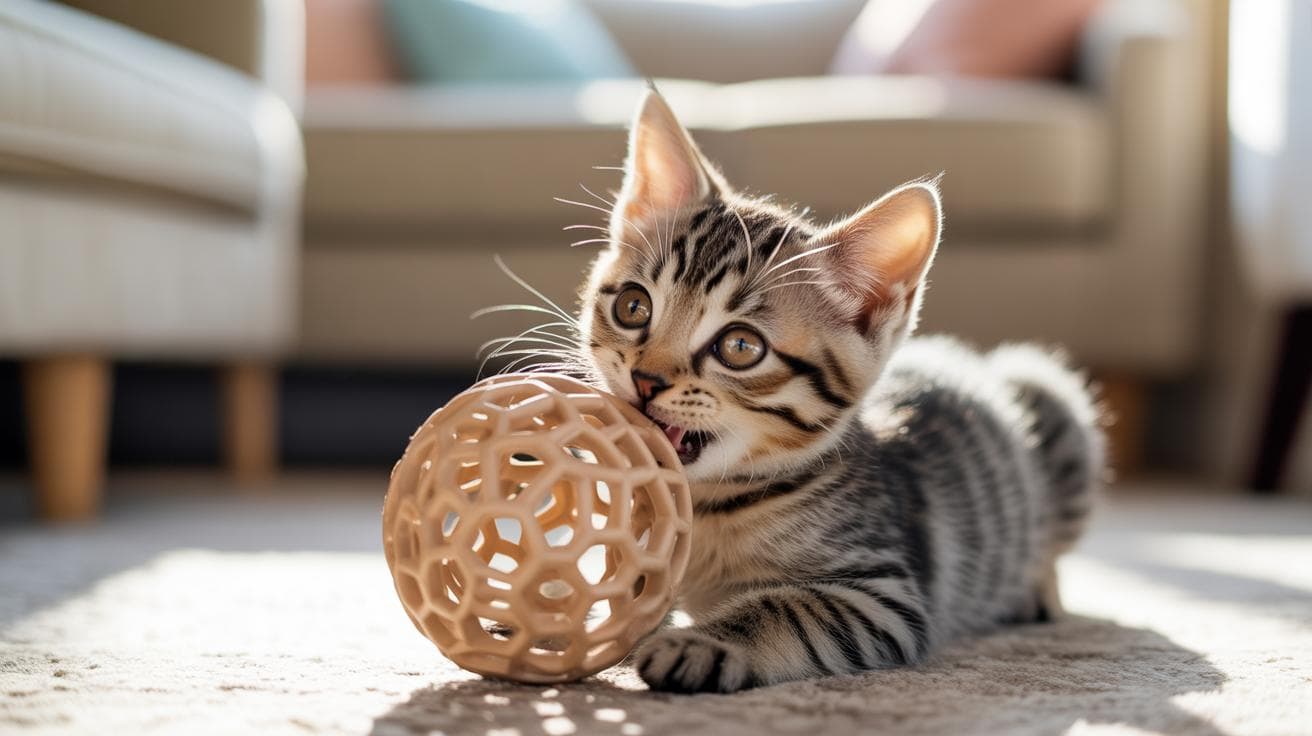
Pick a ball for the kitten’s mouth, not for a full-grown cat. The rule of thumb: if the ball can slip past the front teeth and move toward the throat, it’s the wrong size. You want a toy that’s easy to bat and pick up, but too big to swallow. Watch how your kitten carries a test toy in their mouth , that tells you more than any label ever will. Kittens get overexcited during mouthing and play, so size matters most then.
Holes and openings can actually help , they let water drain and air get through if the toy covers a muzzle, which lowers the risk of suffocating. But poorly sized holes can catch whiskers or a toe, so check shapes and edges first. Holes need smoothed edges and sensible spacing to avoid snagging whiskers or digits (toes). For hollow versus solid toys, it’s a tradeoff: hollow ones can collapse or shred, while solid ones won’t, but they might be heavier.
Teething kittens want softer, a little bouncy materials that give under a bite, like soft silicone (a rubbery, bendy material) or natural rubber (an elastic sap-based material). That eases pressure on new teeth and helps prevent splintering. Too hard and you risk dental stress. Too soft and bits can shear off. Thin-walled hollow balls feel light and fun, but they can crack, shred into strips, or lose internal parts. Thick-walled hollow designs resist collapse and stay lightweight. Solid balls don’t collapse, but they can be heavy and focus force on baby teeth during aggressive chewing.
Keep an eye out for warning signs: hairline cracks, tiny flakes, pin-prick holes, a sudden loss of weight (missing innards), or rough edges after chewing. If you spot any of those, pull the toy and replace it , kitten mouths heal fast, and we want them to stay healthy. Worth every paw-print.
| Feature | Rationale / Failure modes |
|---|---|
| Diameter | Fit-to-mouth and choking risk versus playability. Failure mode: toy small enough to be swallowed. |
| Openings/Holes | Allow airflow and drainage but can trap whiskers or digits (toes). Failure mode: entrapment or snagging. |
| Hollow vs Solid | Hollow can collapse or shred; solid avoids collapse but may strain jaws and teeth. |
| Surface/Texture | Smooth hard surfaces resist shredding; textured ones can trap saliva and need cleaning. Failure mode: abrasion, flaking, or buildup. |
Are unbreakable cat balls safe for kittens
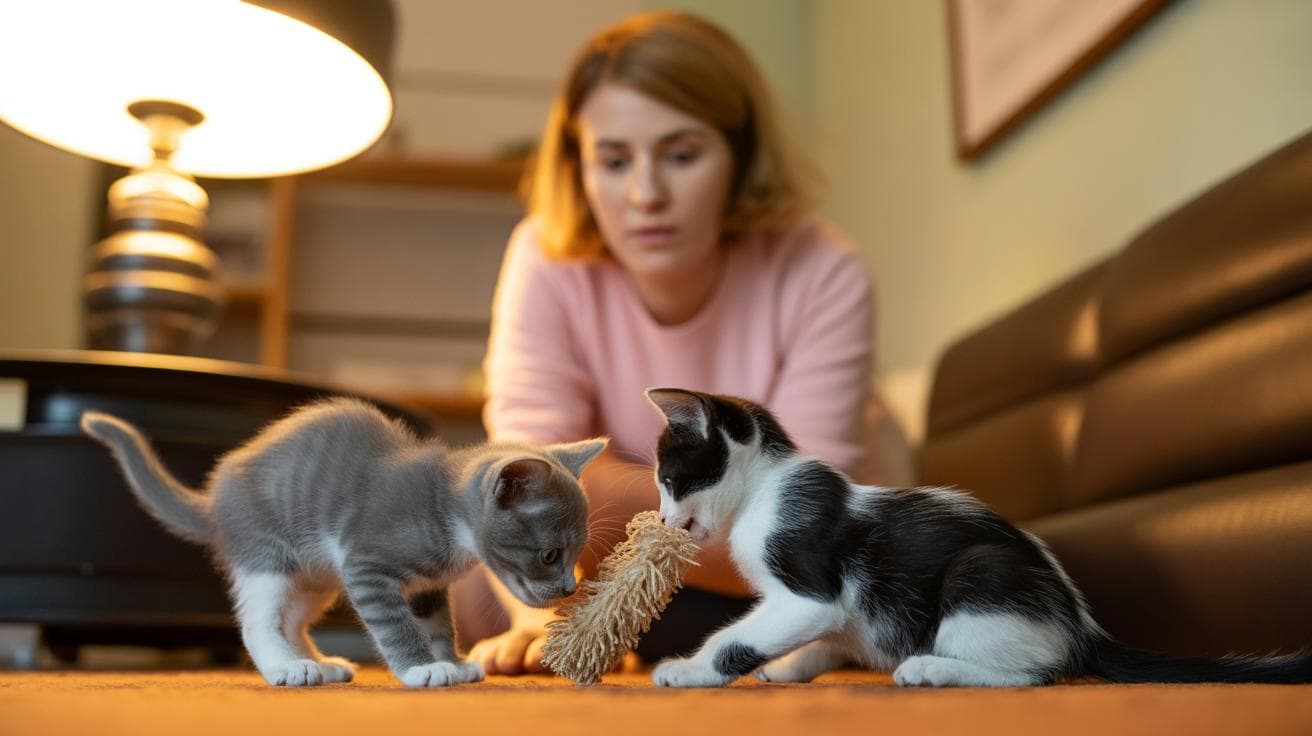
Start every new ball with a short, watched play session. The first 10 to 20 minutes are the most important. Watch your kitten chew and carry the ball so you can spot intense chewing or any loose bits fast. Ever watched your kitty try to swallow a toy? Yeah, better safe than sorry.
Only leave a ball out unsupervised if it’s clearly oversized and has no small, detachable parts (things a kitten could pull off and swallow). If a toy has a battery or small pieces, keep it for supervised play only.
Wash toys after heavy use, or at least once a week. Use warm water, mild dish soap, rinse well, and let the toy air dry completely before storing. If the maker says the toy is dishwasher-safe (safe to run in the dishwasher), follow those instructions. Store toys dry to help prevent mold and mildew.
Quick checklist , look over toys before and after play:
- Check for cracks in hard plastic (sturdy polymer material).
- Check for tears or soft spots in fabric.
- Check seams and glue lines for separation.
- Check for exposed internals (things inside the toy, like stuffing or motors).
- Check for sharp or rough edges that could scratch a paw.
- Check for odd chemical smells or strong odors.
- Confirm no missing parts.
- Confirm battery housings are intact and sealed (the place where batteries sit).
Rotate toys weekly to spread out wear and keep play interesting. That also slows how fast any single ball breaks down. Keep a dry bin out of direct sun for storage so heat and moisture don’t weaken materials. When you’re supervising, watch how your kitten carries and chews the ball , that tells you if the design is too easy to shred.
When to throw a toy away? Toss it right away if you see hairline cracks, sharp flakes, exposed stuffing, loose internals, or a strange chemical smell. Inspect toys before and after play; once you notice damage, don’t risk a small piece becoming a snack.
Worth every paw-print.