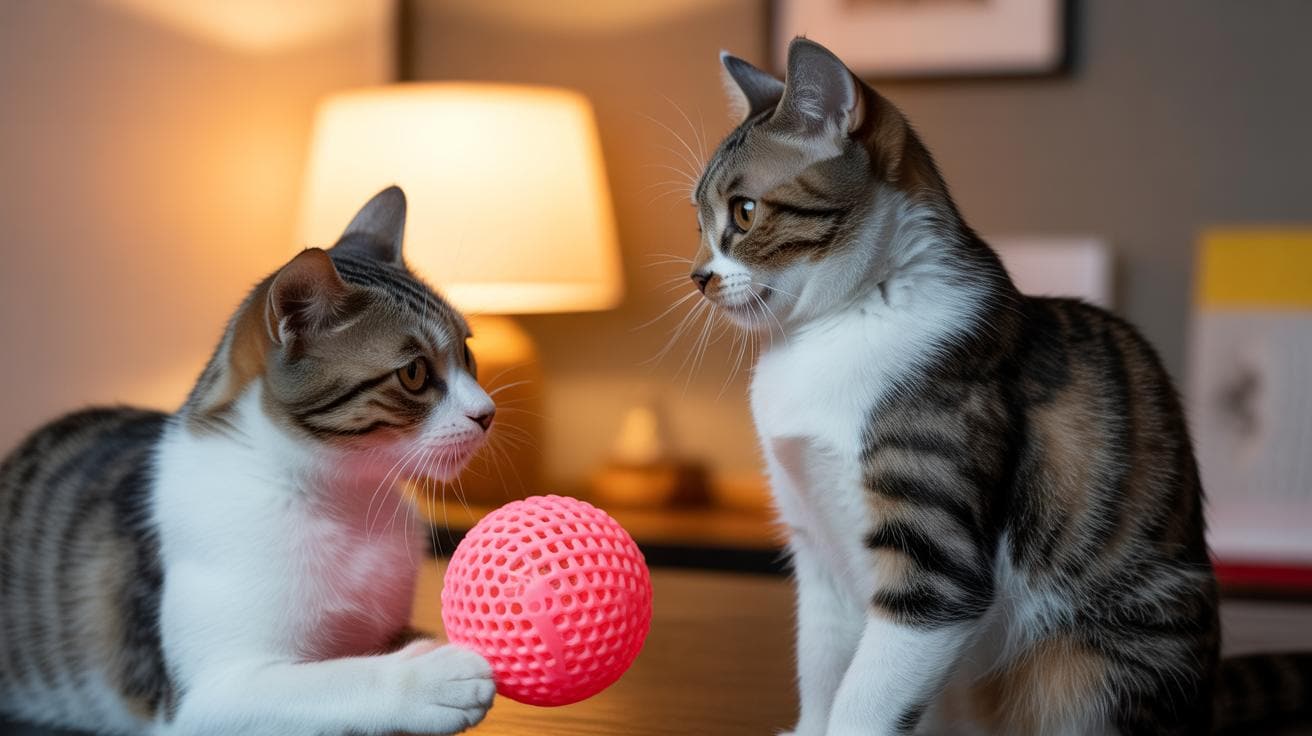
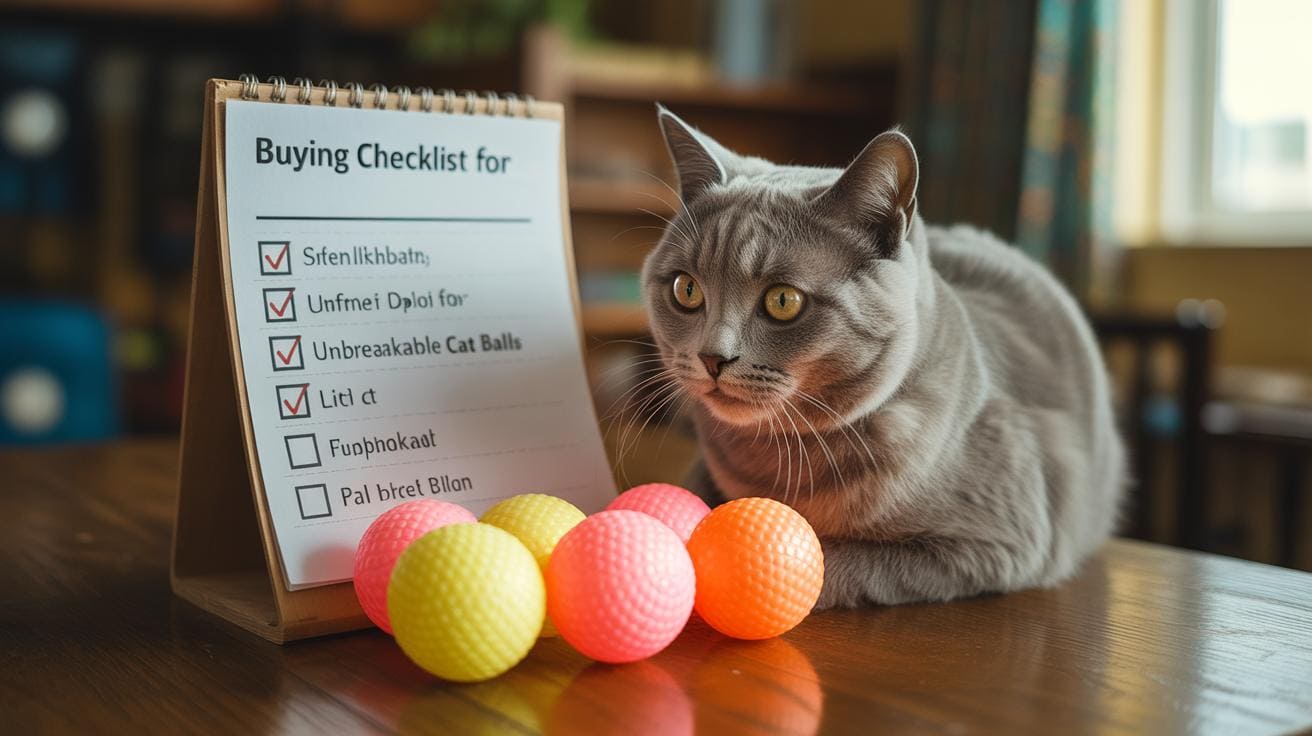
Thinking about buying an "unbreakable" cat ball? Ever watched your kitty pounce and your heart skip a beat when a toy falls apart? For many indoor cats, a well-made, tear-resistant ball can last months, keep them chasing, and save you from the toy graveyard.
But watch out. Small parts, glued seams, and cheap cores can turn that promise into a choking hazard or a shredded mess. Check for loose bits and anything that peels away before you bring it home.
My take: they’re worth it when the material is sturdy. Look for soft rubber (bouncy, tear-resistant, like a Kong toy) or high-impact plastic (hard, tough plastic that takes knocks). Make sure there are no tiny pieces, and that your cat actually chases it enough to pay for itself.
Worth every paw-print.
Are Unbreakable Cat Balls Worth It
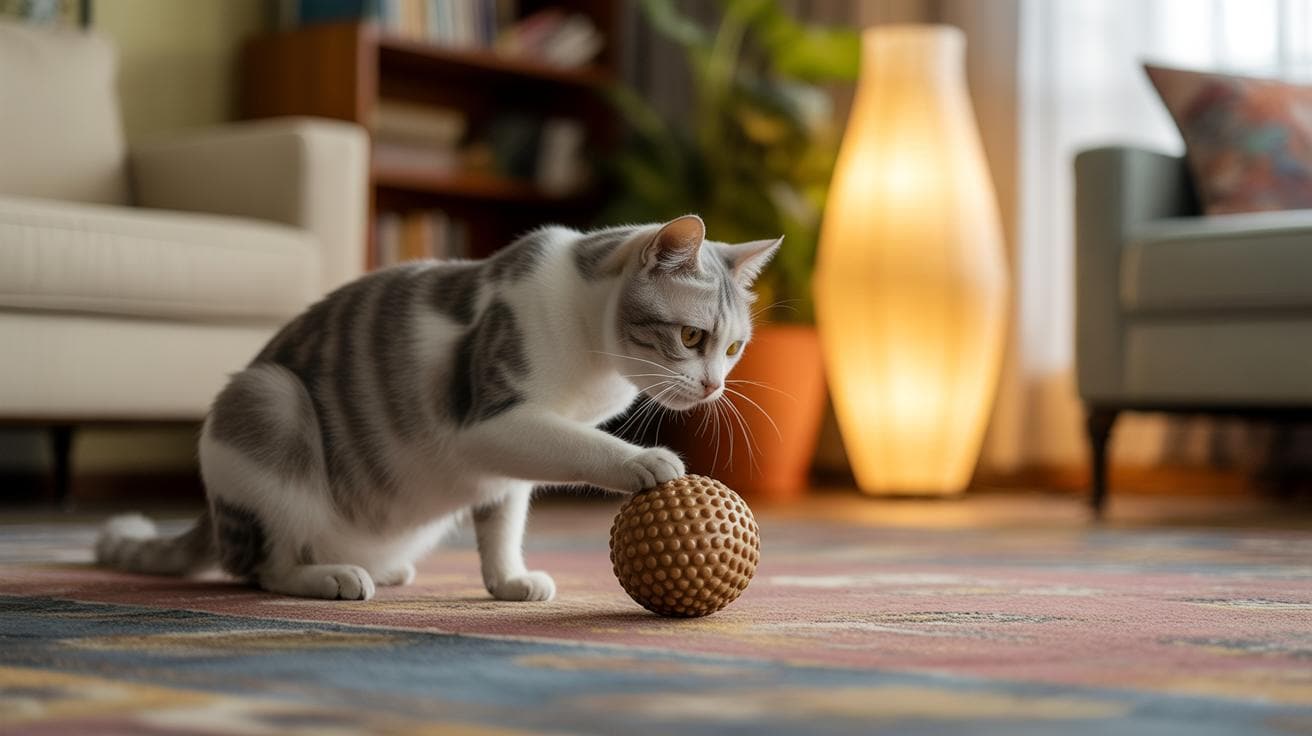
For a lot of indoor cats, a well-made "unbreakable" ball can be worth the money when it lasts longer, stays safe, and keeps your cat playing more than cheap throwaway toys. If it saves you from replacing shredded toys every week, that feels good, your furniture might even sigh in relief.
-
Durability: In owner tests, SlimCat-style dispensing balls (treat-dispensing toys that roll and drop kibble) survived repeated runs down stairs and actually got cats moving. Natural rubber (soft, bouncy rubber that resists tearing, think Kong) and high-impact plastics (hard plastic made to take knocks) tend to hold up best. Cardboard centers (paperboard cores) and thin stitched seams (narrow sewn joins) are the usual weak spots, so watch for those. Ever watched your cat chase a ball that makes a satisfying thud as it skids across the floor? Yeah, that’s the kind of play you want to last.
-
Safety caveats: Small parts like replaceable cardboard inserts, little tails, or loose caps can become choking hazards, so supervise play with those or remove the tiny bits. Many product pages don’t list toxicity or warranty details (toxic finishes meaning harmful chemicals), so inspect labels and photos carefully before buying. If something looks glued or has fragile seams, don’t assume it’s safe for unsupervised play.
-
Value: Some solid models sell for under $10 (SlimCat is one example), so they can be a bargain if the ball lasts for months. Powered or rechargeable units (battery-powered toys with tiny motors) can boost your cat’s interest, but they cost more and add a risk of mechanical failure, so their long-term value depends on how often your cat actually uses them. For busy days, a simple, unbreakable ball can buy you ten minutes of safe play before you head out.
If you’re asking, "Are unbreakable cat balls worth it?" read on for deeper looks at materials and real-world durability, a vet-style safety checklist, and a cost breakdown to help you pick the right toy for your cat.
Materials, design, and real-world durability

Durability mostly comes down to three things: how tough the materials are, how secure the seams and attachments stay, and how a toy holds up to repeated impacts and chewing. Think of it like this: a toy can survive a few tumbles, but if the stitch pops or the core crumbles, playtime ends fast. Ever watched your cat make a toy disappear one paw at a time? Yeah.
Natural rubber (dense, bouncy rubber like what Kong uses) handles heavy chewers well. It bends, bounces, and takes bites without tearing easily, so Kong-style toys often last longer in owner tests. High-impact plastic (a hard polymer made to take knocks) is great for toys that get dropped or slammed , it resists cracking and splintering. Silicone (a soft, rubbery polymer) is flexible and nice in the mouth, though persistent teeth can eventually cut it. Reinforced fabric , nylon or polyester backed with a cotton twill shell (cotton twill is tightly woven cotton fabric) , stands up to claw abrasion when seams are sealed to stop fraying. Cardboard centers and thin-paper inserts (thin paper cores) are the cheap parts; they shred and leave tiny bits, which owners complain about most.
What people report in real-world break tests matches those material notes. SlimCat-style dispensing balls shrugged off stair-roll tests and kept working as meal-dispensers, which shows how a sturdy plastic shell and simple mechanics can outlast fancy features. Kong-style rubbers survived heavy chewing and rough play. Powered rolling balls and rechargeable toys often work fine until the batteries or gears wear out , the motor or internal gears usually fail before the outer shell does. The first things to give are almost always replaceable cardboard inserts and thin stitched sections.
Match common failure modes back to design choices and a pattern appears. Cardboard wear usually means a paper core was used. Seam fray points to thin fabric or exposed stitches. Lost tails or attachments often come from glued or weak fastenings. Battery and gear failures show up when designers skip serviceable compartments. Thin plastic walls crack after repeated impacts. When you’re shopping, look for thick walls, sealed seams, and screw-secured compartments , those features cut down the usual failure routes and buy you more playtime. Worth every paw-print.
| Failure Mode | Typical Material/Design Cause | How to Spot It |
|---|---|---|
| Cardboard wear/fragmentation | Paperboard cores or thin cardboard inserts (thin paper cores) | Loose paper bits, dusty residue, frayed cardboard edges |
| Seam/fray on stitched fabric | Thin fabric panels with exposed stitches (nylon or polyester with poor stitching) | Pulling threads, unraveling seams, visible stitch gaps |
| Attachment/tail loss | Glued or weakly fastened accents | Wobbly tails, loose glue lines, missing pieces |
| Battery/gear failure on powered units | Non-serviceable motors or cheap internal gears | Stops mid-run, strange noises, short runtime before failure |
| Plastic wall cracking | Thin, low-impact plastic shells (thin hard polymer) | Hairline cracks, sharp edges, sudden split after impact |
Safety, choking hazards, and toxicity concerns (safety evaluation & vet checklist)
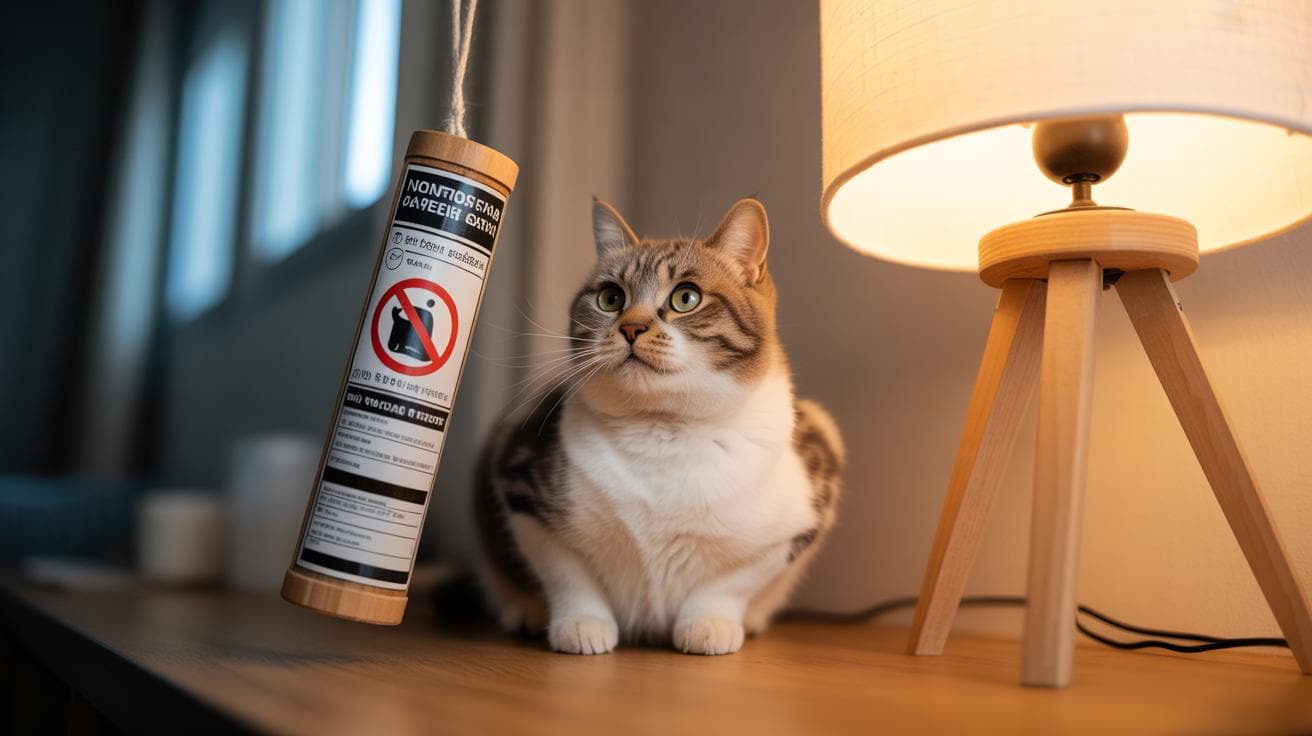
Think of this as a quick safety sweep before you hand a toy to your cat. Check the labels for toxicity, look for choking risks, and give the toy a good once-over for weak spots. Look for words like non-toxic, BPA-free (bisphenol A, a plastic chemical), phthalate-free (phthalates are plastic-softening chemicals that can leach), and latex-free (latex is natural rubber that can cause reactions in some pets). Vets like clear manufacturer labels so they can size up materials fast.
Small parts are usually the troublemakers – replaceable cardboard inserts, feather or tail attachments, tiny bells, or removable caps can work loose over time. Cardboard cores often shred, glued accents can wobble, and stitched joins sometimes come undone. Run your thumb along seams and edges to feel for loose glue or raised stitching. A vet checking a toy will look for smooth edges, plastics that aren’t brittle (so they won’t splinter), secure seams, and fastenings that stay put when tugged.
Quick note about cleaning: that “dishwasher-safe” claim still needs a label check before you toss a toy in the machine. Some plastics warp or leach when heated. Also, supervise play with toys that have small bits or replaceable inserts until you know those parts survive your cat’s particular energy level. And on powered toys, a secure battery compartment with a screw closure keeps curious paws and mouths away from button cells (small, very dangerous batteries).
Ever watched a cat pop a bell off in seconds? Yep. So it’s worth being extra cautious.
Vet-style safety checklist
- Smooth edges and no brittle plastic that could splinter.
- No small detachable parts – or attachments secured with strong stitching or screws.
- Replaceable inserts lock firmly in place (no loose paper, crumbs, or bits).
- Clear toxicity labeling: non-toxic, BPA-free (bisphenol A), phthalate-free, and latex-free where needed.
- Secure battery compartment with a screw closure on powered toys (prevents access to button cell batteries).
- Size and age suitability labeled for kittens, adults, or multi-cat homes.
Worth every paw-print.
Cost analysis: pricing, expected lifespan, and warranty signals
We removed this standalone section and folded its key points into other parts of the guide to keep things simpler and easier to use. Think of it as tidying the toy box so you can find what you need faster.
- The quick lifespan formula now appears as a short "Quick estimate" callout inside the Durability or Value subsection. Handy when you wonder how long a rubber ball will survive your cat's zoomies.
- Price tiers and notes about replaceable parts (parts you can swap out, like batteries or covers) are merged into the Value paragraph where SlimCat and powered-toy costs are discussed. Fewer repeats, clearer price context.
- Warranty and return tips moved into Safety and the Final buying checklist so you see care and coverage together. We also dropped the repeated "see Final buying checklist" line.
- The previous cost-factor bullet list is now part of the Final buying checklist, so you get one compact decision list instead of hunting through the doc.
Quick estimate callout
Expected lifespan estimate = baseline material durability factor (how long a material typically lasts) times play frequency factor (how often the toy gets used) divided by number of cats.
Example: rubber ball baseline 12 months times daily moderate play (1.0) divided by 2 cats = about 6 months.
Worth every paw-print.