Russian Blue cat traits, temperament, and care

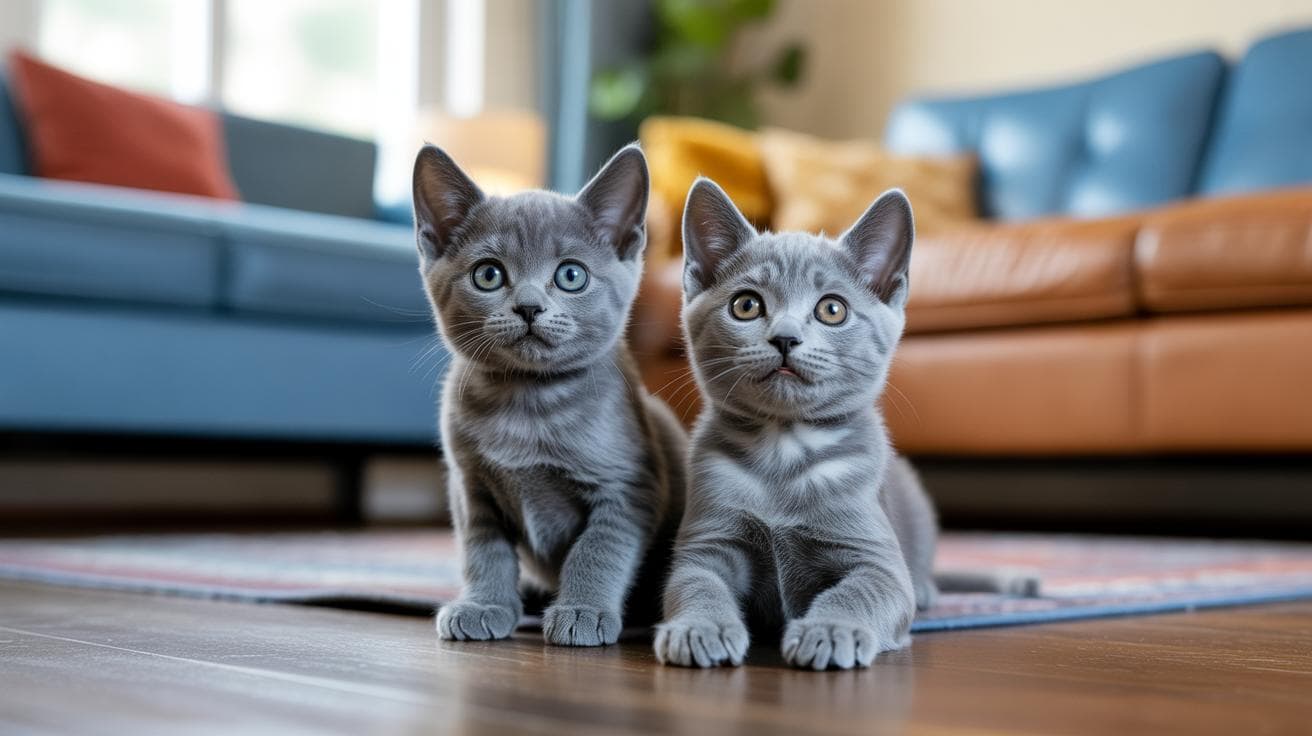
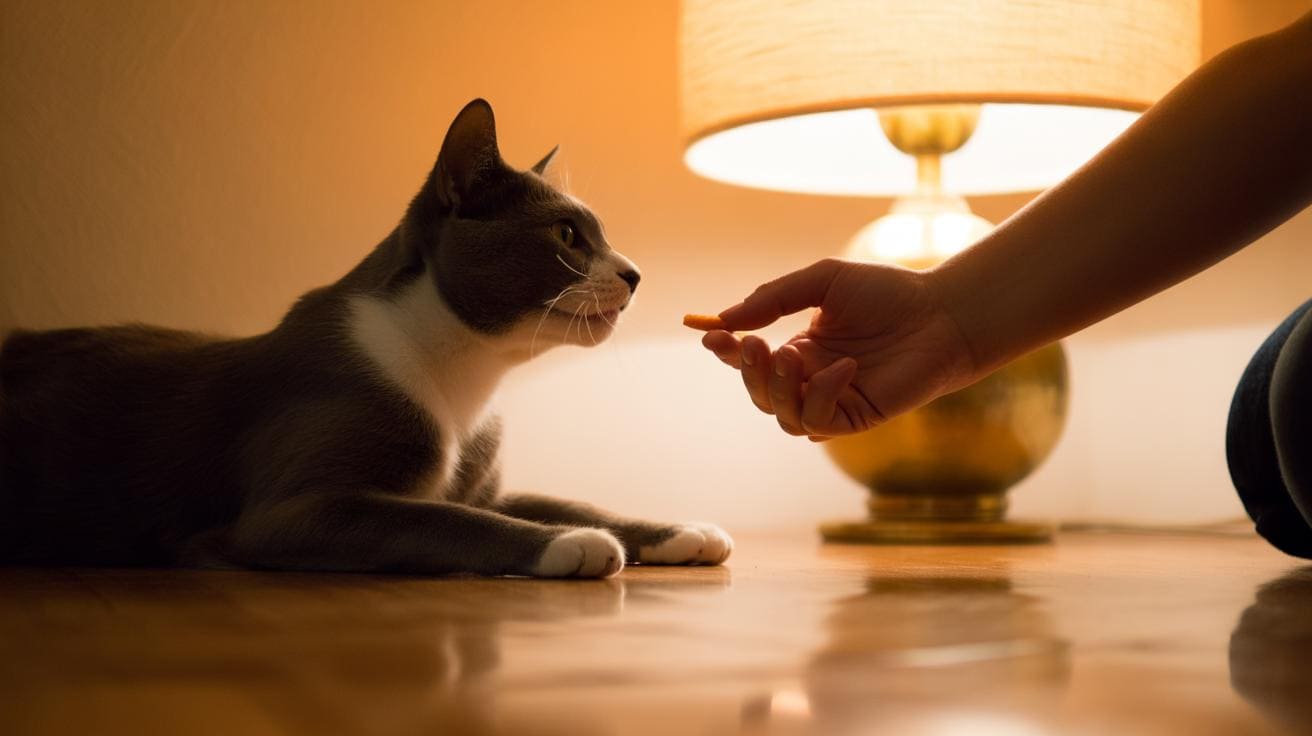
Think a cat has to be loud to show love? Meet the Russian Blue, a quiet companion with a plush steel-blue double coat (two layers of fur: a soft insulating undercoat and a smooth outercoat) and gemlike green eyes that watch more than demand. Their fur feels like velvet under your hand, and those eyes follow you with a curious calm.

They’re quietly clever and they bond deeply to a few people. They like routine and predictability, so they do great with busy owners who want calm company but still enjoy playful pounces. Ever watched a Russian Blue stalk a toy and then spring with perfect timing? It’s oddly satisfying.

Here’s what this intro covers: the breed’s key traits, its mellow temperament, and simple care tips to help you choose. Think short daily play sessions, a little brushing now and then, and steady routines for feeding and sleep, easy stuff that keeps them happy. Worth every paw-print.

Quick facts every Russian Blue owner needs
- Quick facts every Russian Blue owner needs.jpg

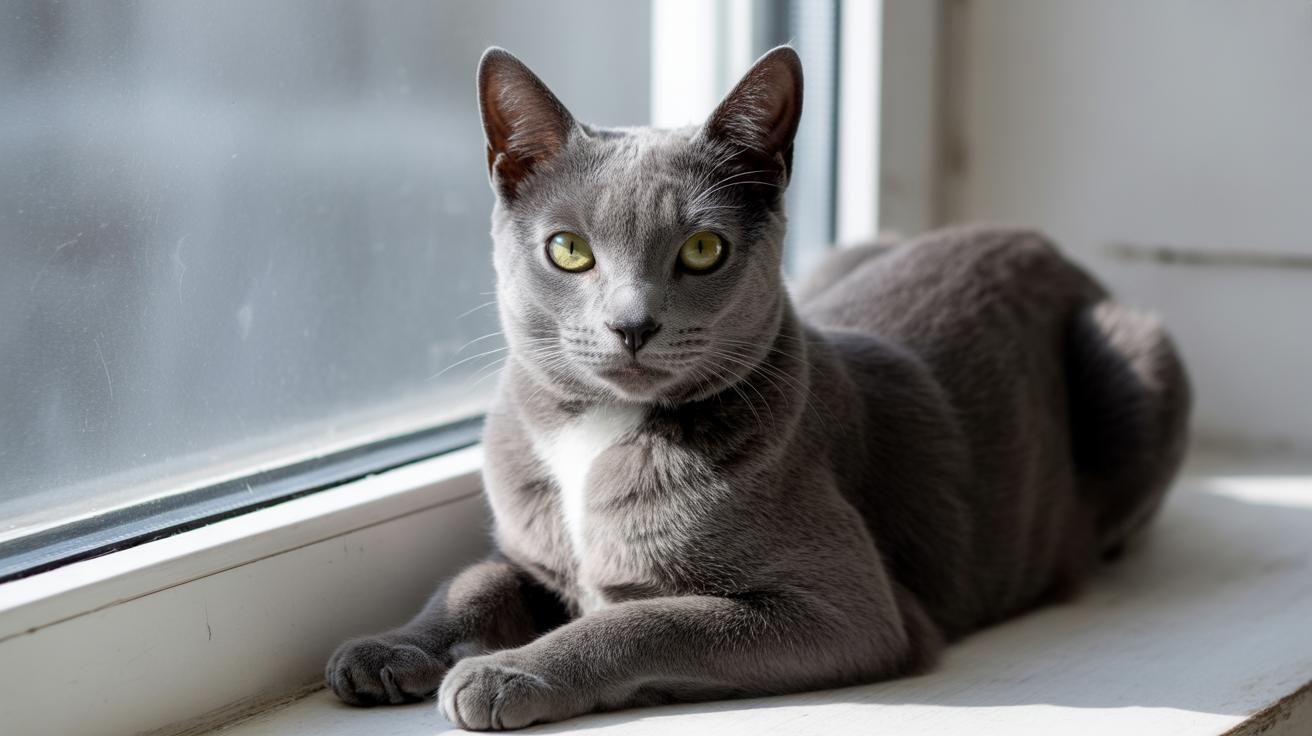
Russian Blues are medium-sized cats with a short, dense steel-blue double coat (two layers of fur: a soft underlayer for warmth and a smooth outer layer) and bright green eyes that look a bit like gems. Adults usually weigh 7-12 lbs, so they’re solid but not heavy, easy to scoop up for a cuddle.

They’re quiet, clever, and affectionate in a low-key way. Most bond closely with one or a few people and prefer soft conversations to loud attention. Lifespan is typically 12-20 years, so you’re in it for the long game with these calm conversationalists. Ever watched one follow your hand like it’s the most fascinating thing on earth?

Their coat sheds less than many breeds (low-shedding means they lose less loose fur), so weekly brushing usually does the trick. A lot of allergy-sensitive folks find they tolerate Russian Blues better, though individual reactions vary, see Appearance, Health, and Grooming for full measurements, coat detail, common conditions to watch, and care routines.

  • Adult weight: 7-12 lbs
  • Typical lifespan: 12-20 years
  • Coat: dense (lots of closely packed fur), plush steel-blue with silver tipping (see Appearance for full coat detail)
  • Temperament snapshot: quiet, bonds to one or a few people, playful but routine-oriented

When you meet a Russian Blue, take a few quick checks: is the coat smooth and even, are the eyes bright and clear, and does the body feel a healthy weight? Watch behavior too, are they alert but calm, curious about your voice, and not hiding or hissing? If anything feels off, consider a vet check or ask for more details from the breeder or shelter, Appearance, Health, and Grooming has detailed checklists and routines to help.

Appearance: coat, eyes, body and measurements
- Appearance coat, eyes, body and measurements.jpg

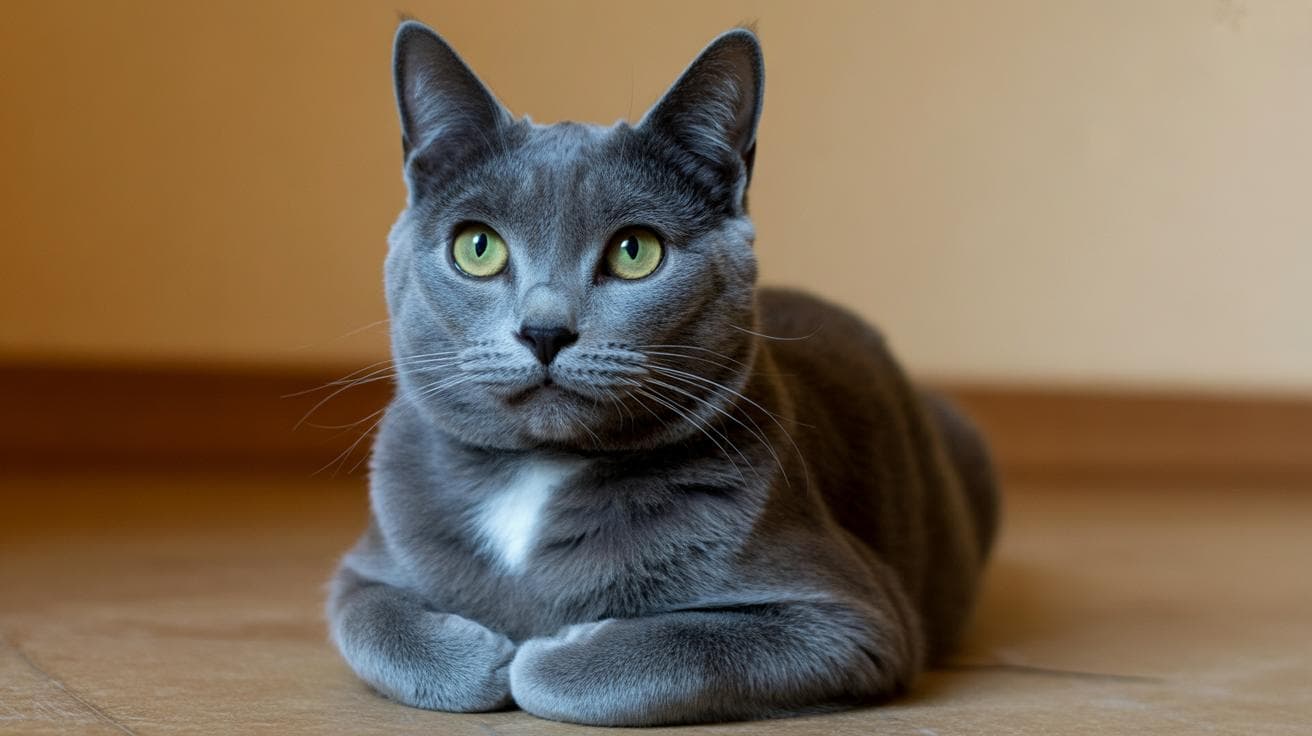
Think sleek and ready: a wedge-shaped head, big wide-set eyes, and a fine-boned but muscular body that moves with quiet confidence. The silhouette is elegant without feeling fragile, lean, athletic, and perfectly balanced. Ready to pounce. Or to curl into your lap.

The coat is short and dense, a plush double coat (two layers: a soft undercoat for warmth and a smooth outer layer of guard hairs). Each hair often has a silvery tip, so the fur seems to glow when light hits it, giving that signature steel-blue shimmer. Shedding is low compared with many breeds, and the tight coat lies close to the body, easy to keep neat, though it can feel sensitive during molting seasons.

Eyes are a little drama to watch: kittens may start out pale yellowish or bluish and then shift to bright emerald green by about four months, which is a true hallmark of the breed. The face has a delicate muzzle and a slightly angular jaw that frames those wide-set eyes. Even the paw pads have personality, a soft pinkish-lavender that looks lovely against the blue-gray coat. Ever watched a whisker twitch as a toy rolls by? That’s the look.

Feature Details
Coat type short, dense double coat (undercoat + guard hairs); silver-tipped steel-blue hairs
Color description steel-blue with a shimmering sheen
Eye color yellow/blue at birth → emerald green by about 4 months
Size / weight adult weight 7–12 lbs; length about 24 in; height about 10 in; mature by ~1 year
Head / face wedge-shaped head; large, wide-set eyes; delicate muzzle
Paw pads pinkish-lavender hue

Personality: social bonding, communication style, and household fit

- Personality social bonding, communication style, and household fit.jpg

Russian Blues are calm and thoughtful cats who like a gentle pace. They value their independence, so they won't be glued to your ankles, but they'll show a quiet devotion when they pick you. Picture soft whiskers brushing your hand and a steady, sweet-tempered companion who prefers company on their terms.

They usually pick one or two people as their favorites and then stick close to those humans for comfort and play. Around new guests they tend to hang back and watch from a safe spot, sizing things up before getting curious. Ever watched a kitty observe from a windowsill? That patient, polite interest is classic Russian Blue behavior.

Talk with them and you’ll hear mostly soft mews, tiny chirps, or short replies instead of loud yowls. They respond to tone, so a calm voice gets more attention than yelling, and you might get a little answer back that feels like a polite cat chat. It’s sweet, subtle communication, kind of like hushed conversation at a cozy café.

They do best in calm, steady homes: quiet kids, mellow dogs, or a single-person household with predictable routines. They can live with other cats if introductions are slow and there’s plenty of space, but busy, loud places and nonstop visitors can make them shy or withdrawn. For busy days, toss an unbreakable ball before you head out, that’s ten minutes of safe play and a happy kitty.

Worth every paw-print.

  • Selective bonding (prefers one or two caregivers)
  • Shy with strangers / reserved at first
  • Likes routine and predictable schedules
  • Playful with a hunting streak (loves chasing toys like feathers or laser dots)
  • Independent and not clingy
  • Quiet, soft-spoken vocal style (soft mews and chirps)
  • Sensitive to loud or chaotic environments
  • Adapts well to calm dogs and gentle children after proper introductions

For a step-by-step introduction protocol to kids and other pets, see the "Introducing Russian Blues…" section; for play-style ideas and enrichment that match this temperament, see Activity & Enrichment.

Activity & Enrichment: play needs, toys, and daily routines
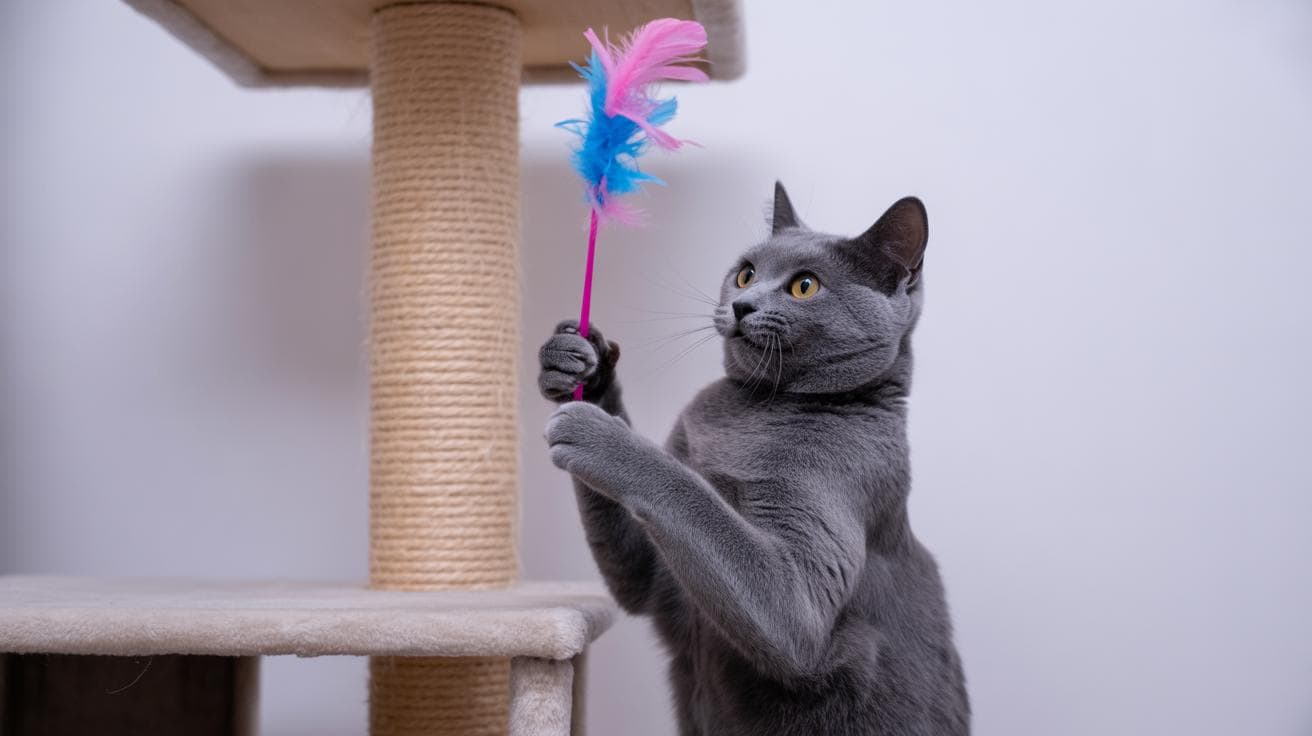
- Activity  Enrichment play needs, toys, and daily routines.jpg

If you live with a Russian Blue, you already know they are lively, curious, and part-time hunters. Their whiskers twitch at the slightest movement and they love to stalk, pounce, and explore. Skip the daily hunt-and-play mix and they might invent mischief for you to find (chewed curtains, anyone?).

Pick toys that pretend to be prey. Feather wands feel like a fluttering bird. Small plush mice and crinkly balls bring out the pounce. Add motorized chasers that dash like a fleeing bug for that surprise sprint. Puzzle feeders (food-dispensing toys that make cats work a bit for meals) keep their brains busy and slow down gulpers. Give them vertical territory – a tall cat tree or wall shelves – and a sunny window perch for bird-watching; those high spots make indoor life feel like a big adventure.

Use your hands when you can. A short session with a feather wand is priceless for bonding and hunting practice. But also leave an interactive toy for solo play when you are out. Rotate toys every few days so each one feels new again. Vary the play: stealthy stalking one time, full-force pouncing the next. Ever watched your cat freeze, then explode into motion? Yeah, that.

Short bursts beat one long marathon. Aim for two interactive sessions a day, 10 to 20 minutes each, morning and evening to match natural rhythms. Toss in a puzzle feeder for part of the day so they have something to do while you work. Indoor life suits Russian Blues well when you meet these needs – a simple toy plan plus vertical space keeps them fit, curious, and delightfully entertained. Worth every paw-print.

  1. Two daily interactive play sessions (10 to 20 minutes each)
  2. Puzzle feeder for one meal (food-dispensing toy that works mind and body)
  3. Vertical space – cat tree or shelves for climbing and naps
  4. Window perch for bird-watching and sun naps
  5. Rotating toy stash to keep novelty fresh
  6. Predictable play schedule tied to feeding times

Grooming: routine tasks, dental maintenance, ears and nails
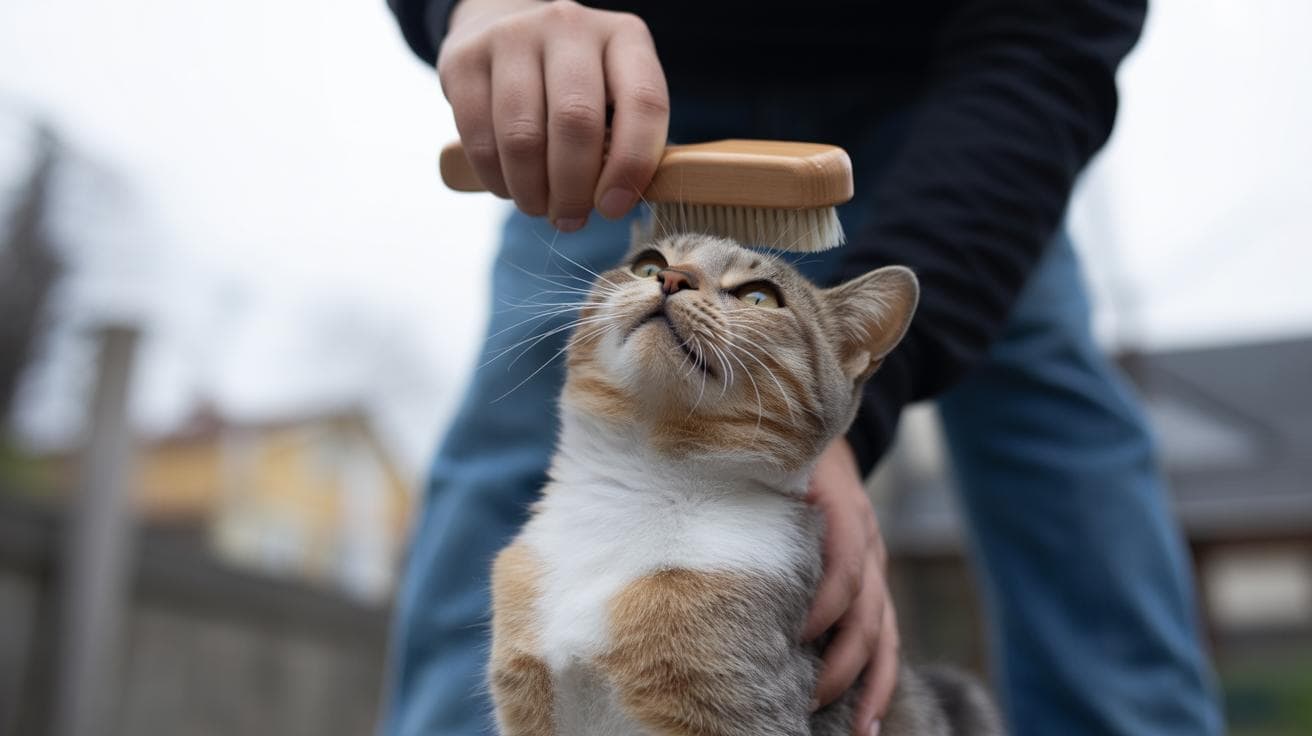
- Grooming routine tasks, dental maintenance, ears and nails.jpg

Russian Blues have a dense, low-shedding coat that feels soft like velvet under your hand. It looks like more work than it is. A quick weekly brush usually keeps the loose hairs from turning into tumbleweed fur, and many cats only need a bath if they get truly soiled. Ever watched your cat purr through a brushing session? That’s the good stuff.

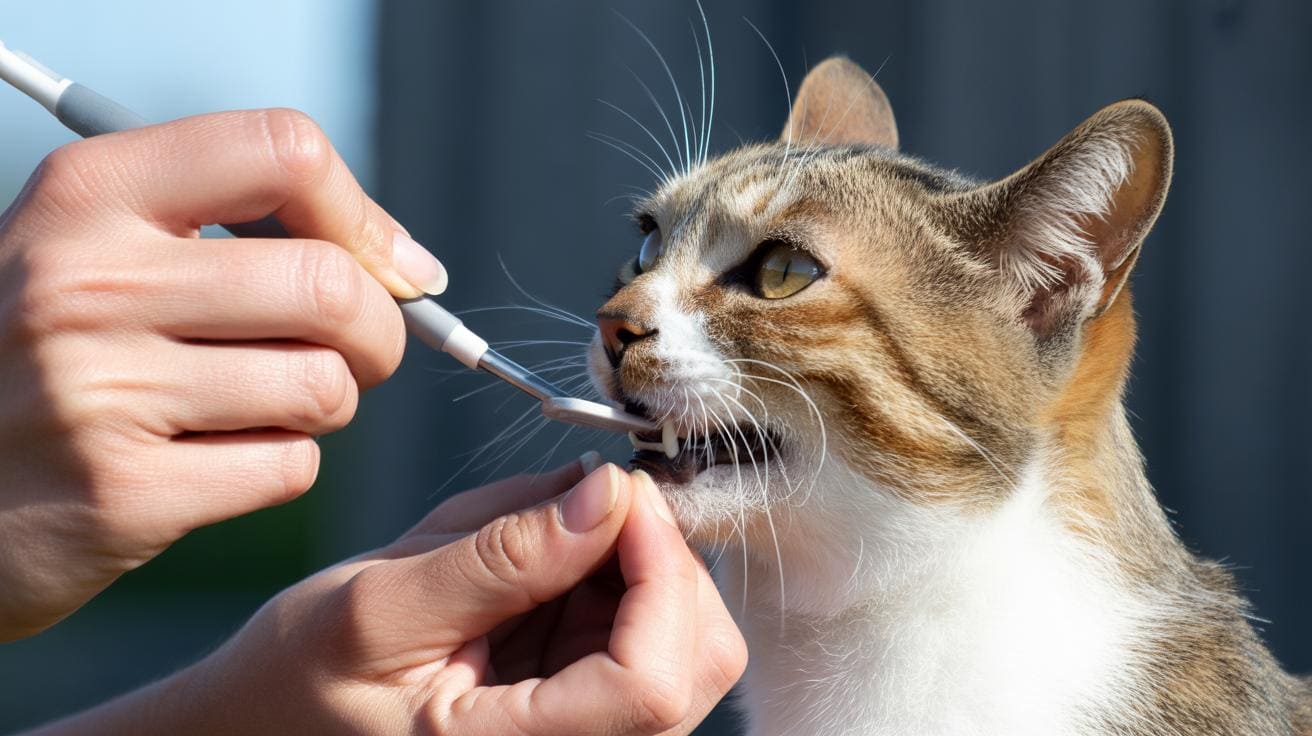
Keep a calm, steady routine for nails, ears, and teeth so grooming feels safe and predictable. Trim nails about once a month or when you hear little clicks on hardwood floors. Check ears each week and only clean with a pet-safe ear cleaner (vet-approved solution for removing wax and dirt) if you see wax, smell something off, or notice redness. Brush teeth often with cat toothpaste (toothpaste made for cats, not humans) and a soft brush (gentle bristles for small mouths) to help prevent gum disease.

  • Weekly brushing and quick coat check , use a soft-bristle brush (brush with gentle bristles) or a rubber brush (soft rubber pad that lifts loose hair)
  • Weekly ear check; clean only if you see wax, smell odor, or notice redness, using a pet-safe ear cleaner (vet-approved)
  • Monthly nail trim or as-needed; clip just the tip of the quick (the blood vessel inside the nail)
  • Daily or several-times-weekly tooth brushing with cat toothpaste and a soft brush; on busy days use dental chews (short sessions to keep your cat calm)
  • Baths only if soiled; use cat-safe shampoo (formulated for cats' skin) and warm water

Keep sessions short and relaxed so your cat learns to trust grooming. I once had a cat who would flop like a pancake for two minutes of brushing and then bolt, cute, but true. See Health for dental disease signs and clinical prevention; see Appearance for coat-detail measures.
Health: lifespan, signs to watch, screening and prevention

- Health lifespan, signs to watch, screening and prevention.jpg

Russian Blues can live a long, happy life. Most sources say 12–15 years is common, lots make it to 15–20, and a few even reach their mid-20s. These cats are generally sturdy when they get regular care and attention, worth every paw-print.

Plan on yearly wellness exams and basic bloodwork (simple blood tests) when your cat is young. Once they hit senior age, often around 7 to 10 years, ask your vet about more frequent checkups and blood/urine screens (blood and urine tests) so small problems get caught early. Ever caught a subtle change and thought, huh, good thing we checked?

Keep an eye out for a few conditions that show up more often. Chronic kidney disease (long-term loss of kidney function) usually starts with more drinking and peeing, plus slow weight loss. Dental disease shows as bad breath, drooling, or trouble chewing. Obesity looks like steady weight gain and moving less, and it raises the chance of diabetes and joint pain. Thyroid problems flip appetite and weight around. Urinary tract issues mean straining, more trips to the litter box, or blood in the urine.

There are some inherited concerns to know about too. PRA (progressive retinal atrophy, slow loss of vision) and PKD (polycystic kidney disease, fluid-filled cysts in the kidneys) can occur in some lines. Asking a breeder for health clearances and genetic test results before you commit really helps lower the odds of bringing home an affected kitten.

Preventive care is simple and practical. Follow a standard vaccination schedule (age-appropriate vaccines) for kittens and boosters as your vet advises, and keep parasite prevention up to date (flea, tick, and worm protection). Hydration matters a lot for kidney and urinary health, fresh water and a cat fountain can make a big difference. Fight obesity with measured meals and a daily activity plan; see Nutrition for feeding tips and Activity & Enrichment for exercise ideas. For dental health, daily or regular brushing and occasional professional cleanings cut disease risk, see Grooming for how-to steps. Finally, plan on baseline blood and urine screening soon after adoption so you start from a clear health picture.

Condition Signs to Watch Prevention/Notes
Chronic kidney disease More drinking and peeing, slow weight loss Keep them hydrated, regular blood and urine tests for early detection
Dental disease Bad breath, drooling, trouble eating Daily or regular brushing and professional dental cleanings (see Grooming)
Obesity Weight gain, less mobility Measured feeding, daily activity plan (see Nutrition & Activity)
Urinary tract issues Straining, bloody urine, frequent urination Prompt vet exam, good hydration, diet management
Thyroid disease Changes in appetite and weight Diagnosis with blood tests and veterinary treatment
PRA / PKD (possible) Vision loss / kidney-related signs Ask breeders for screening and genetic tests before adopting

Nutrition, feeding schedule and weight management

- Nutrition, feeding schedule and weight management.jpg

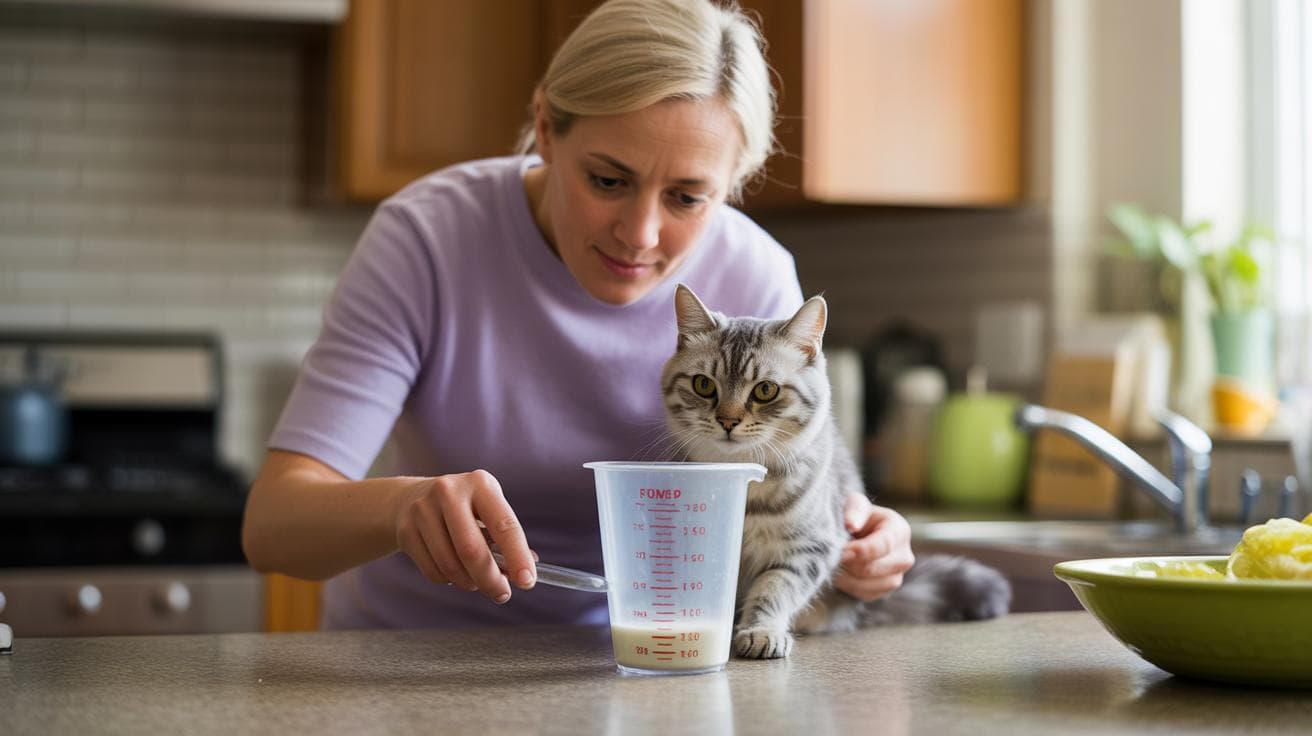
Start with a meat-first, high-quality diet. Cats are obligate carnivores (they need meat to get certain nutrients), and Russian Blues do best when meat is the main ingredient. Wet food with lots of protein is a good pick , it gives protein and extra moisture, which helps them feel full and supports urinary tract health (kidneys and bladder). These kitties love to eat, so keep an eye on calories or they’ll quietly pack on pounds.

Kittens need food made for growth until about one year old. Kitten-formulated food has more calories and nutrients for developing bones and brains. For adults, stick to measured meals two to three times a day so intake stays predictable and obesity risk drops. Free-feeding dry kibble usually means extra weight; measured portions plus a puzzle feeder (a toy that makes them work for food) turns mealtime into play.

Always have fresh water available to support kidneys and reduce urinary stress. Some cats prefer running water, so a cat fountain can help. Weigh your cat or do a simple body condition check every month , look and feel for ribs, waist, and tummy (body condition scoring is a quick visual and touch check). If appetite or weight changes, talk with your vet about calorie targets and possible tests.

Ever watched your cat stare at an empty bowl and still beg? Try a little enrichment before you leave , toss an unbreakable ball or set up a puzzle feeder for ten minutes of safe activity. It helps burn calories and keeps them happy. Worth every paw-print.

  • Choose a high-protein, meat-first diet (animal protein = meat)
  • Measure portions to hit ideal body condition
  • Feed kittens kitten-formulated food until about 1 year (more calories for growth)
  • Offer two to three measured meals daily
  • Provide fresh water at all times; consider a water fountain if they like running water
  • Weigh or condition-check monthly and consult your veterinarian for adjustments

See Health for kidney/urinary monitoring and see Activity & Enrichment for exercise-based weight control.

Introducing Russian Blues to children, dogs and other cats (stepwise introductions)

- Introducing Russian Blues to children, dogs and other cats (stepwise introductions).jpg

Russian Blues are sensitive to noise and quick change, so go slow when bringing one into a home with kids, dogs, or other cats. Quiet, calm meetings let the cat watch and choose, which cuts down on stress and surprise hissing. Ever watched a Russian Blue study a new person like they’re solving a mystery? Patience wins.

Watch for stress signals: flattened ears, wide pupils (very dilated eyes), a tucked tail, frantic hiding, hissing, or overgrooming. If you see any of those, pause the meeting and step back to an easier phase for at least a day. Little breaks build trust.

Expect this to take a few days to several weeks, depending on the cat and the other household members. Keep early sessions short and supervised, have children sit quietly, and let the cat set the pace. Reward calm behavior with treats or gentle praise to speed trust-building.

  1. Prepare a separate safe space. Set up a quiet room with a litter box, food, water, a comfy bed, and a hiding spot so the cat can retreat when it wants.
  2. Swap scents over several days. Rub a soft cloth on the cat’s cheeks and swap it with bedding or a blanket from the other pet so they learn each other’s smell.
  3. Do short, supervised visual introductions with barriers , baby gate (tall mesh or wood barrier) or crate (small ventilated carrier). Let them see and sniff without touching. Keep these first views calm and very brief.
  4. Reward calm behavior from everyone with treats or soft praise, and keep sessions short. Teach kids to be quiet and still; that helps a curious cat feel safe.
  5. Gradually increase supervised interaction time as the cat shows comfort, play a little, offer treats, let them approach on their own. Think of it like dialing up the volume slowly.
  6. Watch stress signals and, if they show up, regress to the previous step and wait. Don’t rush; some cats need extra time and that’s okay.

Worth repeating: take it slow, celebrate tiny wins, and let your Russian Blue lead when it can. See Personality for household fit guidance and Activity & Enrichment for play-based introductions.

Russian Blue kittens: adoption vs breeder, costs and early care

- Russian Blue kittens adoption vs breeder, costs and early care.jpg

Kittens grow fast. Most Russian Blues are close to adult size by about one year, and you’ll notice it day by day , tiny paws turn into long legs, whiskers twitching as they pounce on a toy. It’s a sprint, not a marathon, so your care in those first months matters.

Feed kitten-formulated food (higher calories and specific nutrients for growth). Socialize often with short handling sessions, play, and gentle exposure to people and other pets so they become confident adults. Ever watched a kitten chase a sunbeam? That curiosity is built with patience and play.

Picking between a breeder and a rescue is mostly a trade-off. Breeders usually give pedigree papers, socialized litters, and health clearances so temperament and looks are more predictable. Rescue kittens cost less and bring tons of love, though they might need a few extra vet visits or more social time to catch up , totally worth it.

Prices vary a lot. Typical breeder ranges run about $400-$3,000 depending on reputation, lineage or show lines, your region, and whether parents were health-tested. Adoption fees are usually lower and often include initial vaccinations and spay/neuter basics (surgical sterilization).

Right after you bring your kitten home, book a vet wellness check to review vaccines (shots to prevent disease) and deworming (treatment to remove intestinal worms), verify microchip info (a tiny ID device placed under the skin), and set a spay/neuter plan. Get any vaccination records, feeding notes, and socialization history from the breeder or shelter so you can keep routines steady during those first nervous nights.

Choosing a healthy Russian Blue kitten:

  1. Request vaccination and deworming records
  2. Ask for breeder health clearances or genetic screening results (if available)
  3. Verify microchip and get a vet health certificate
  4. Watch the kitten’s behavior and social skills , curious, playful, not overly fearful
  5. Inspect living areas for cleanliness and enrichment (toys, safe hiding spots)
  6. Ask about the parents’ health and medical history
  7. Confirm spay/neuter timing and vaccination schedule with your vet
  8. Get a written sales or adoption agreement that spells out health terms

Worth every paw-print. See Health for recommended screening tests and see Grooming for daily care routines.

Training techniques and troubleshooting (litter, scratching, harness, and problem solving)

- Training techniques and troubleshooting (litter, scratching, harness, and problem solving).jpg

Start with positive reinforcement. Short, frequent training sessions work best for Russian Blues, think 3 to 5 minute bursts so they don’t get bored. Use tasty treats or a favorite toy as praise, keep the cue and reward the same every time, and celebrate tiny wins. Clicker training (clicker: a small handheld noisemaker) gives a clear sound that tells your cat exactly what you like, and fast learners catch on quickly.

Litter box success is mostly about setup and routine. For kittens, try a low-sided box so they can step in easily; adults usually prefer a larger box, covered or uncovered depending on the cat. Use unscented clumping litter (forms clumps when wet for easy scooping) and scoop daily so the box stays inviting. Put boxes in quiet, easy-to-reach spots away from noisy machines, your cat’s whiskers twitch at strange sounds, you know? If a cat avoids the box, try a different litter, move the box, increase scooping, and check with your vet to rule out medical causes.

Handle scratching by redirecting, not punishing. Offer multiple scratching posts (scratching post: tall post wrapped in sisal, a rough rope-like fiber) in the places your cat naps and where furniture gets attacked. Make the post fun, rub a little catnip on it, reward use with treats, and play right after a good scratching session so the habit sticks. To protect problem surfaces, temporarily cover them with cardboard or a safe deterrent until your cat learns the new spot is better.

Harness work and new tricks need tiny steps and patience. Let the cat sniff the harness, then put it on for a minute or two indoors and slowly increase the time. Attach a leash (leash: a strap that clips to the harness) only after your cat accepts the harness. Mark small steps with a clicker and a treat, sit, touch a hand, or step into a carrier (carrier: sturdy box for trips to the vet), and build up to walks or tricks over days or weeks. Celebrate each small step. Really.

Quick troubleshooting tips:

  • Increase interactive play to cut down on boredom-driven mischief; the satisfying thud of a chasing toy can save your sofa.
  • Re-evaluate litter type or box location if your cat shows aversion.
  • Add vertical and hiding spaces so your cat feels safer and less stressed.
  • See your vet or a certified behaviorist if changes are sudden or don’t improve with consistent training.

FAQ
Q: How do I stop furniture scratching?
A: Give tempting scratching surfaces, reward the cat for using them, and temporarily block or cover the furniture until the new habit takes hold.

Q: My cat avoids the litter box, what now?
A: Try a different litter, move the box to a quiet spot, scoop daily, and check with your vet for any health problems.

Q: How long does harness training take?
A: It varies, anywhere from days to weeks. Expect short, gentle sessions and celebrate tiny wins along the way.

Q: When should I call a professional?
A: If behavior changes suddenly, or training hasn’t helped after steady effort, consult your vet or a behaviorist.

See Activity & Enrichment for play-based prevention strategies and Grooming for routine tasks that affect behavior (dental discomfort signs discussed in Health).

Final Words

You’ve got a tight run-through of what matters: appearance, personality, play needs, grooming, health checks, feeding, introductions, kitten buying tips, and training fixes.

Quick takeaways: spot the plush steel-blue coat and green eyes, keep up daily short play sessions, follow weekly grooming and dental habits, and watch weight and hydration.

Keep Russian Blue cat traits in mind when picking toys and routines, these smart, soft-spoken kitties thrive on predictable play. Happy, active cats make calmer homes.

FAQ

What is a Russian Blue cat’s personality (female and male traits)?

The Russian Blue cat’s personality is sweet-tempered, intelligent, and often quietly affectionate, bonding to one or a few people; males and females share these traits with individual variation in shyness and playfulness.

Are Russian Blue cats aggressive or why is my Russian Blue cat so mean?

Russian Blue cats are not aggressive by nature. Mean or hostile behavior usually comes from fear, pain, poor socialization, or stress; get a veterinary check and use slow, positive training to help.

How does a Russian Blue cat get along with other cats?

Russian Blue cats get along with other cats when introductions are slow and calm; they prefer stable routines and may bond with one companion, enjoying predictable play and quiet company.

Do Russian Blue cats like to be held?

Russian Blue cats like gentle, brief holding for many individuals; they value control and often prefer sitting beside you or on a lap rather than long cuddles, so watch their body language.

What are the downsides to Russian Blue cats and what health problems do they have?

Downsides include sensitivity to noisy homes, shyness, and boredom without enrichment. Health concerns to watch: kidney disease, dental disease, obesity, thyroid and urinary issues; ask breeders about PRA (vision loss) and PKD (kidney cysts).

Why are Russian Blue cats special?

Russian Blue cats are special for their dense, silky steel-blue double coat (two-layered fur), vivid green eyes, graceful build, intelligence, and quiet, loyal nature that bonds closely with people.

How do I tell if my cat is a Russian Blue?

You can tell a Russian Blue by a short, dense steel-blue coat with silver tipping, emerald green eyes by about four months, a fine-boned muscular body, pinkish-lavender paw pads, and weight around 7–12 pounds.

What does a Russian Blue kitten cost?

A Russian Blue kitten’s price ranges roughly $400–$3,000 from breeders, based on lineage and location; rescue or shelter adoptions are usually cheaper and still yield healthy, loving companions.

Related Articles

Author

  • Isabella Tiu

    Isabella Tiu is a transcriptionist from Calhoun, Florida, known for her sharp attention to detail and her commitment to providing accurate and efficient transcription services. With a passion for language and communication, she thrives on transforming spoken words into clear, readable content for her clients.

    When she's not working, Isabella enjoys hiking and camping, finding peace and inspiration in the beauty of the outdoors. She often says, “The best lessons are often learned in nature,” a philosophy she embraces both in her work and personal life.

    Isabella’s love for both her craft and the natural world reflects her belief in continuous learning and exploration.

    View all posts

Similar Posts