Ever think your cat drinks enough? Most don’t. Many sip too little, and that can raise their chance of urinary problems.
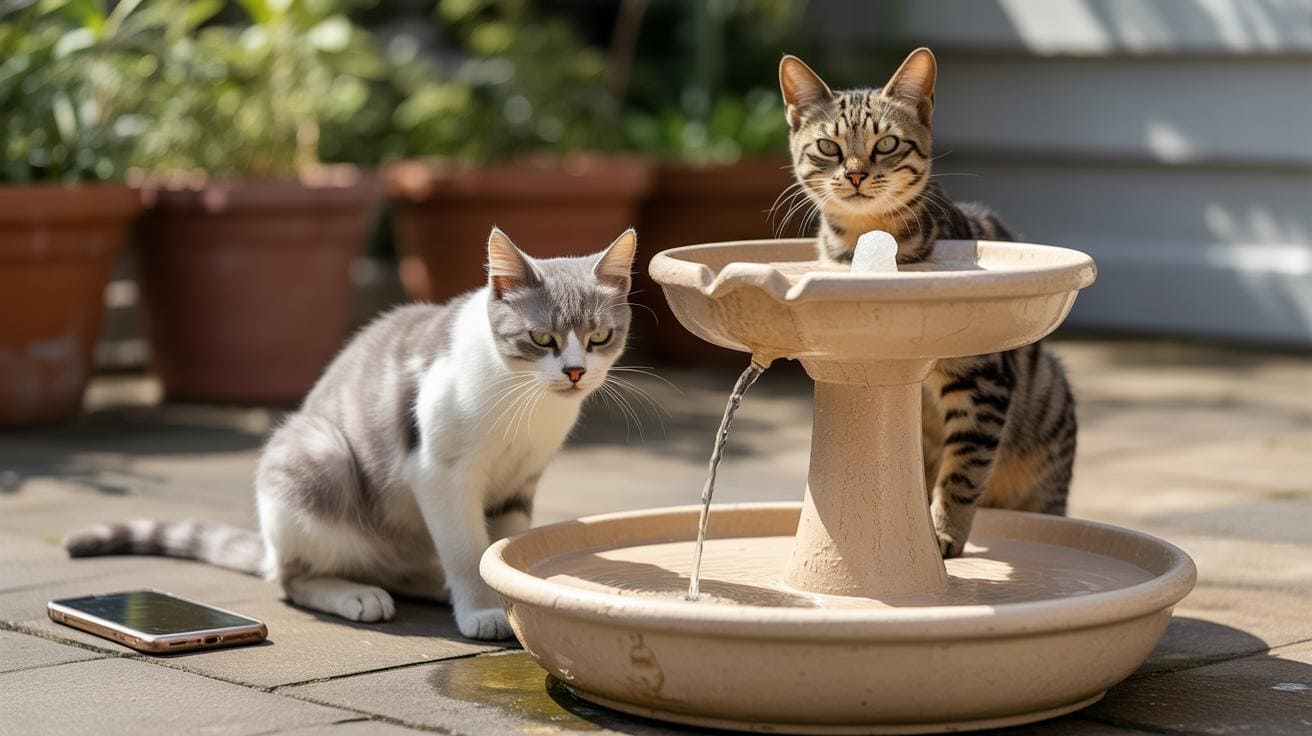
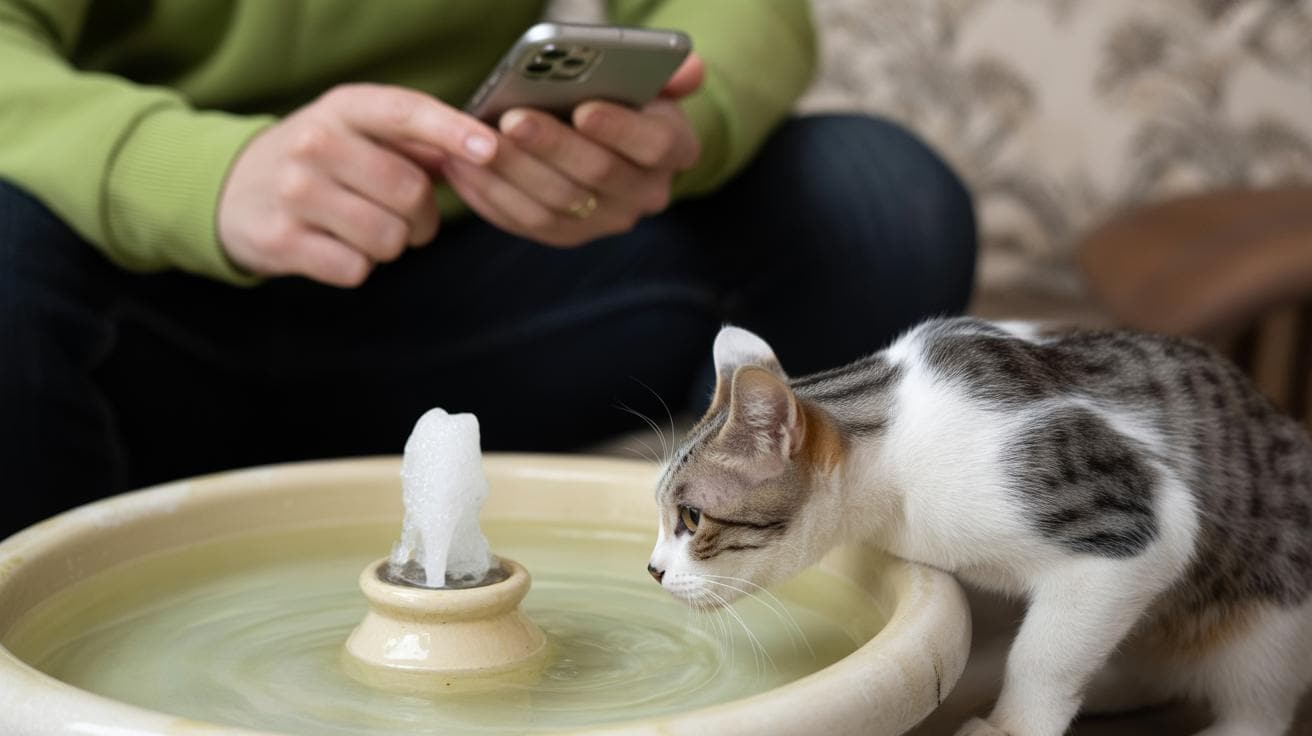
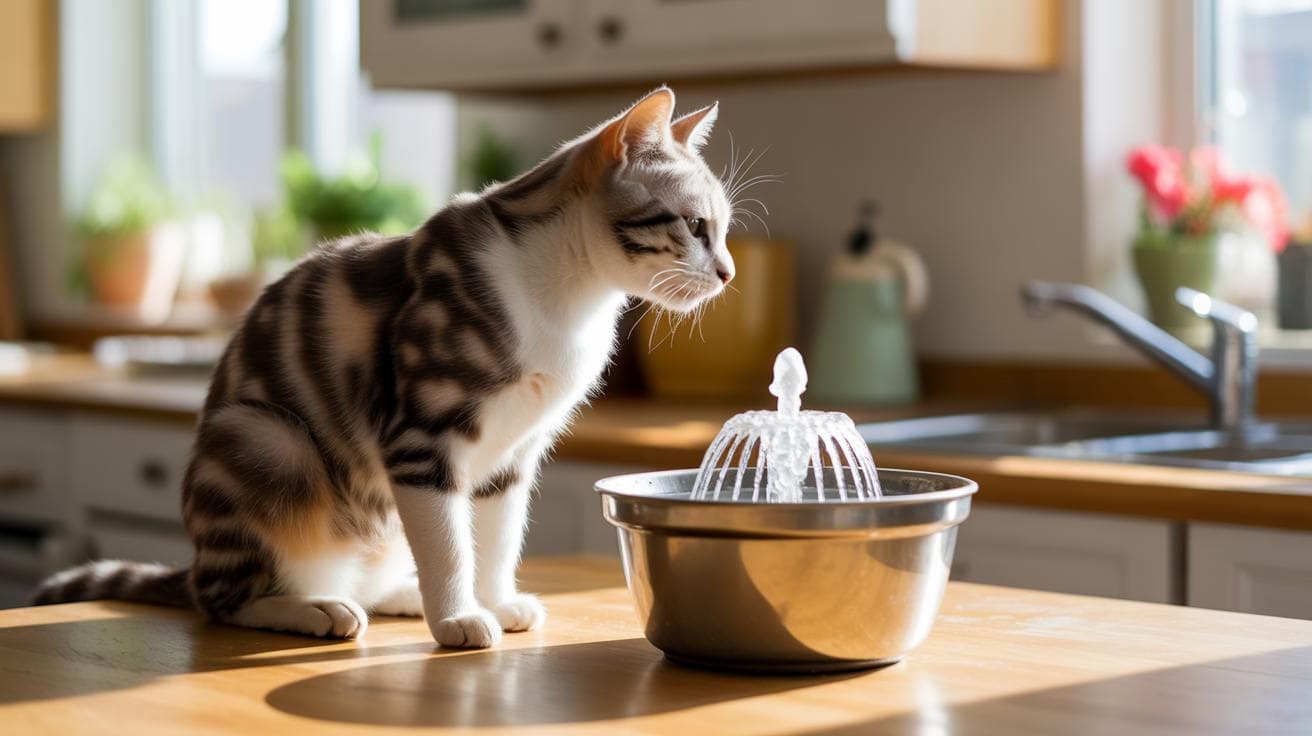
The best fountains get cats drinking by offering moving, fresh-smelling water. The gentle gurgle and tiny ripples make whiskers twitch and invite a sip. Ever watched your kitty perk up at a dancing surface? It’s adorable.
Good fountains pair shallow, wide bowls (so whiskers don’t brush the sides) with quiet pumps (small electric motor that moves the water) and filtration (filters out hair and gunk). Look for safe materials too, like stainless steel (rust-proof metal) or BPA-free plastic (plastic made without BPA).
We tested top fountains for quietness, materials (what they’re made of), filtration (how well they clean the water), capacity (how much water they hold), and cleanability (how easy they are to take apart and wash). Then we picked the ones that did the best job.
We’ll share our top picks and simple setup tricks to get even picky cats drinking more. Worth every paw-print.
How the best cat water fountains for encouraging hydration actually increase drinking
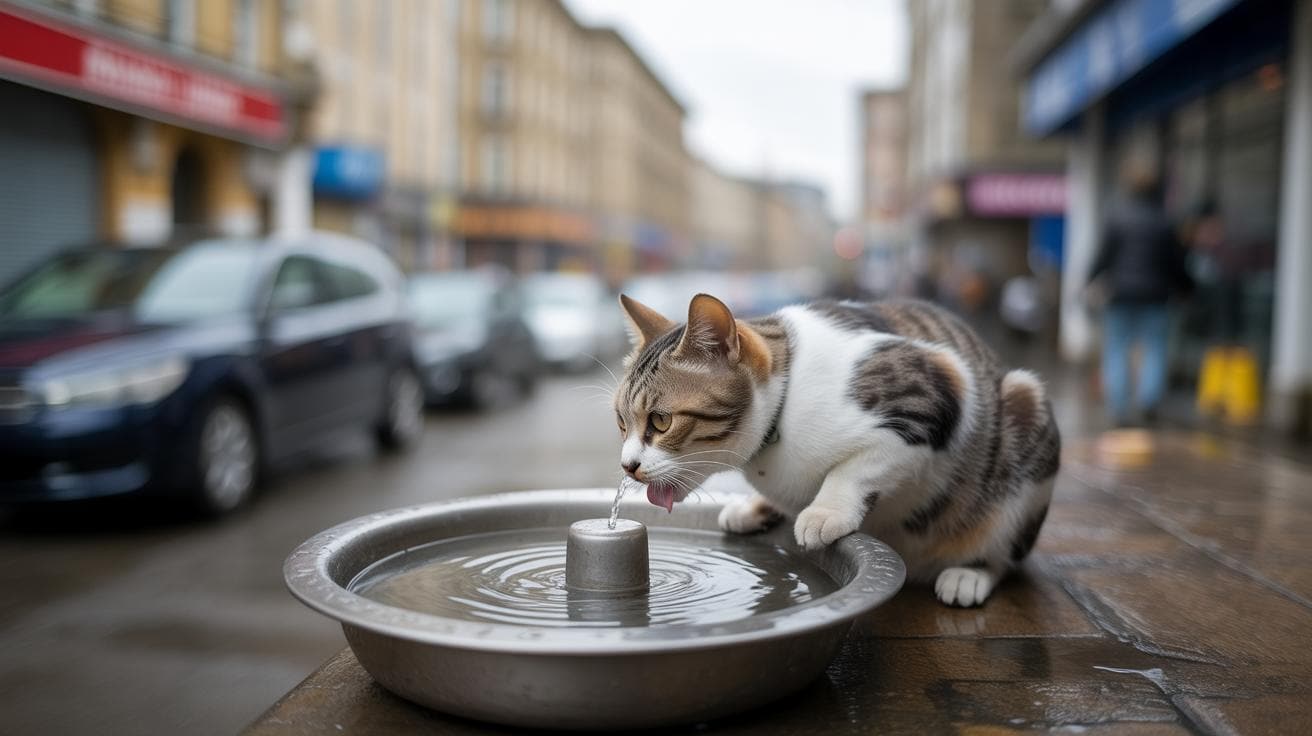
The best cat water fountains work because lots of cats prefer running water. The gentle gurgle and moving surface smell fresher to them, so they’re more likely to sip. More sipping can lower urinary risks that come from drinking too little. If your cat looks dehydrated, call your vet. Watch for less drinking, lethargy, or a drop in litter-box output.
Cats tune in to a few simple things: motion, cleanliness, and comfort. A bubbling stream or soft flow looks and sounds fresh, and that grabs their attention. Moving water hides stale smells and slows bacterial growth (bacteria multiply faster in still water). Wide, shallow bowls cut down on whisker fatigue (that annoying rubbing of whiskers against bowl sides), so your cat won’t pull back mid-sip. Think of a fountain like a tiny stream your cat can nudge with a paw – sensory play plus hydration. Ever watched your kitty bat at the spout?
Quick wins when you’re picking or setting up a fountain:
- quiet pump (low noise so you don’t scare them)
- shallow, wide bowl for whisker comfort
- robust filtration (removes hair and debris)
- multiple stations so shy or lower-rank cats can drink without competition
- easy-to-clean parts
Practical tips: put more than one fountain or bowl around the house, and keep a non-electric backup water bowl for outages. Routine cleaning makes the fountain inviting , rinse and top off daily, deep-clean weekly, and change filters as the maker suggests. Try swapping materials if your cat avoids plastic: stainless steel (durable metal) or ceramic (baked clay) often win picky noses. Small habits like these make it a lot easier to encourage your cat to drink more with fountain solutions.
Worth every paw-print.
Best Cat Water Fountains for Encouraging Hydration
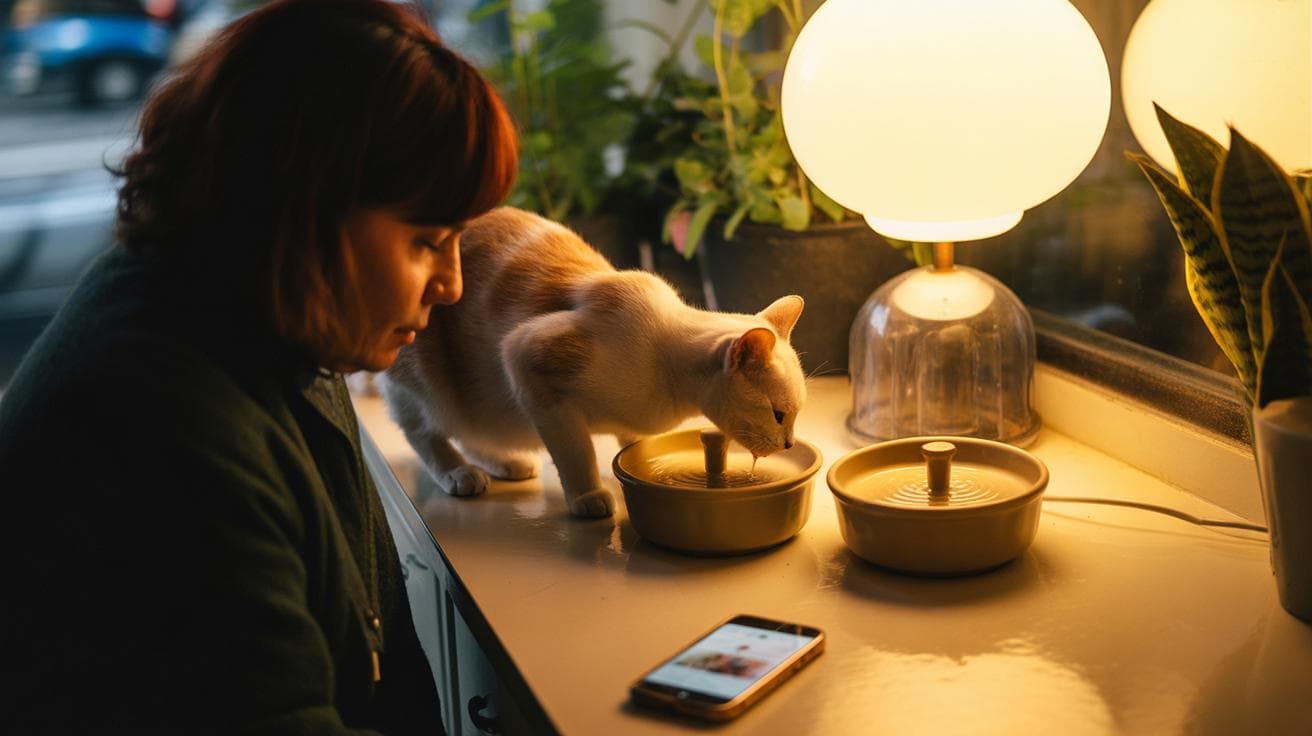
We compared top cat water fountains for quietness, materials, filtration, capacity, how easy they are to clean, and price so you can pick the right one fast. We tested real models, including the Petlibro Dockstream and a few Petkit fountain styles, to see how cats actually react. Capacity numbers are in the table below and maintenance/service details are in Maintenance → Consolidated maintenance numbers.
Petlibro Dockstream (Top overall)
Petlibro Dockstream, 84 oz , a near-silent wireless pump (rechargeable battery) and helpful app features (drink tracking and alerts). Great if you want a smart, quiet fountain that doesn’t bother you or your cat. Check Maintenance → Consolidated maintenance numbers for service cadence.
Uahpet Smart Pet Fountain (Runner-up)
Uahpet Smart Pet Fountain, 71 oz , cordless design with a stainless-steel bowl option (rust-resistant metal) that’s dishwasher-safe and simple to clean. Solid pick for picky kitties who turn their nose up at plastic.
Felaqua Connect by Sure Petcare (Hi-tech)
Felaqua Connect, 34 oz , uses microchip access control (lets only registered pets drink) and offers optional app monitoring. Perfect for multi-cat homes where you want to track who’s drinking and when.
Drinkwell Pagoda (Style and ceramic)
Drinkwell Pagoda, 70 oz , ceramic bowl (smooth, breakable) with a two-tier flow that cats often find irresistible. Looks nice on a counter and gives your cat a little waterfall to chase.
Veken 2.8 L (Best budget)
Veken 2.8 L, 94 oz , huge capacity for the price and simple filtration (charcoal filter). Quiet enough for most rooms and means fewer refills on busy days.
PetSafe Drinkwell 360 (Best for multi-pet homes)
PetSafe Drinkwell 360, 128 oz , 360-degree access with multiple spouts so several pets can drink at once without crowding. Great for households with more than one thirsty friend.
Raindrop Fountain (Quiet pick)
Raindrop Fountain, 60 oz , designed to be ultra-quiet with an available stainless bowl option (rust-resistant metal) and easy, cat-friendly flow styles. Pick this if silence is your priority.
PawsPik SS-01 (Best stainless steel)
PawsPik SS-01, 108 oz , food-grade stainless steel construction (safe, easy to sanitize) and dishwasher-safe parts. Top choice if hygiene or metal bowls are important to you.
Petcube Fountain (UV-C / high hygiene)
Petcube Fountain, 45 oz , includes UV-C purification (short-wavelength light that reduces microbes) and offers ceramic or stainless drinking basins. Good for owners who want extra germ control.
Catit Flower & Cat Mate (Compact / budget mentions)
Catit Flower and Cat Mate, about 70–100 oz , compact, affordable starters that are simple to set up and keep clean. A friendly intro fountain for first-timers or small spaces.
| Model | Capacity (oz / L) | Key feature(s) | Best for | Price range |
|---|---|---|---|---|
| Petlibro Dockstream | 84 oz / 2.5 L | Quiet wireless pump (rechargeable), app features (drink tracking) | Smart, quiet homes | $60–$90 |
| Uahpet Smart Pet Fountain | 71 oz / 2.1 L | Dishwasher-safe stainless option (rust-resistant metal) | Stainless-steel preference | $50–$80 |
| Felaqua Connect | 34 oz / 1.0 L | Microchip access, app monitoring (per-pet tracking) | Multi-cat tracking | $120–$180 |
| Drinkwell Pagoda | 70 oz / 2.0 L | Ceramic two-tier design (smooth, breakable) | Style-forward homes | $40–$70 |
| Veken 2.8 L | 94 oz / 2.8 L | High capacity, budget price, charcoal filtration | Value seekers | $25–$40 |
| PetSafe Drinkwell 360 | 128 oz / 3.8 L | 360° access, multiple spouts | Multi-pet homes | $50–$90 |
| Raindrop Fountain | 60 oz / 1.8 L | Nearly silent, stainless option (rust-resistant metal) | Quiet cat households | $40–$80 |
| PawsPik SS-01 | 108 oz / 3.2 L | Food-grade stainless steel (safe, easy to sanitize) | Hygiene-focused homes | $80–$140 |
| Petcube Fountain | 45 oz / 1.35 L | UV-C purification (reduces microbes), ceramic option | High-hygiene preference | $120–$200 |
| Catit Flower & Cat Mate | ~70–100 oz / ~2–3 L | Compact, easy setup | Starters, small spaces | $20–$40 |
Best Cat Water Fountains for Encouraging Hydration
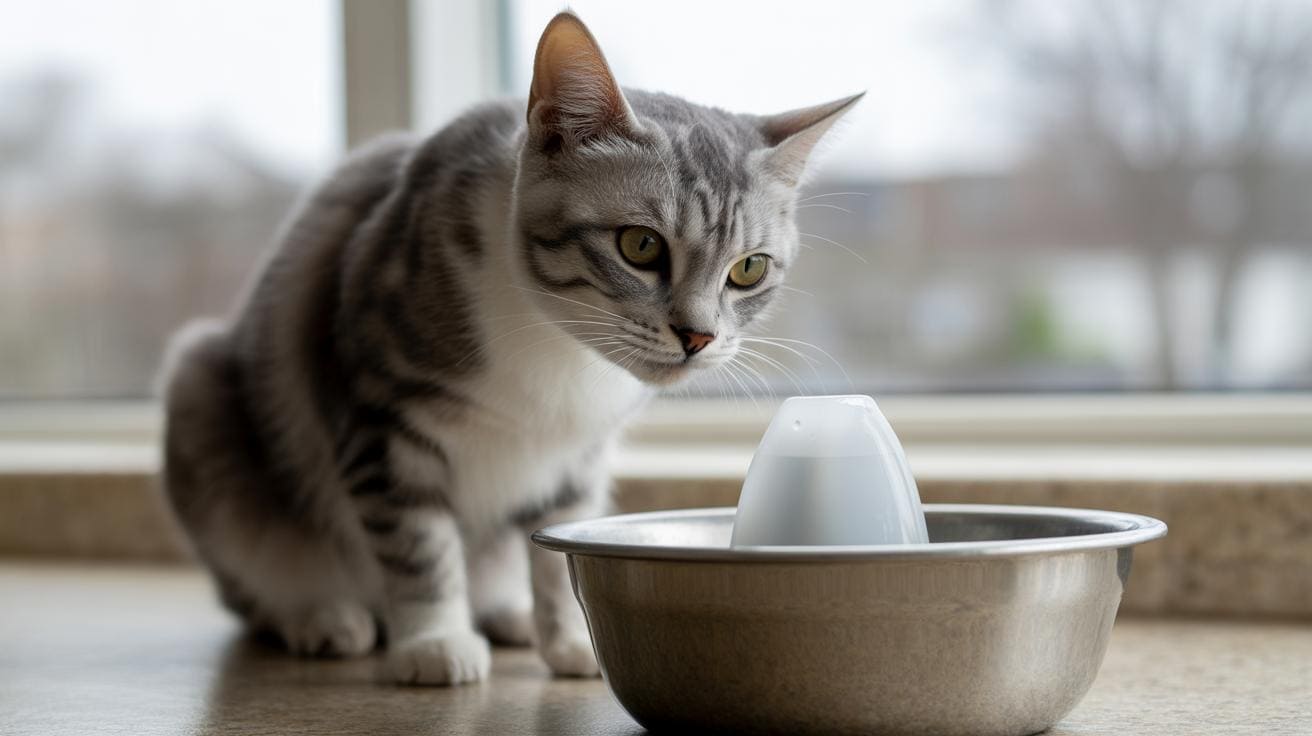
Capacity numbers are in the Top Picks table and lifecycle figures live in Maintenance → Consolidated maintenance numbers. Just a heads-up so you know where to look for the nitty gritty.
Go with stainless steel (food-grade metal, won’t leach and easy to clean) or ceramic (baked clay, heavy and often dishwasher-safe) for the basin. Those surfaces fight bacteria better than plastic and usually hold up after lots of cleanings. Your cat’s whiskers will thank you.
Aim for two-stage filtration: a prefilter (a coarse net that catches hair) plus activated carbon (a charcoal-like layer that reduces odors and odd tastes). Swap filters on the schedule the maker suggests, or your fountain starts to smell like a forgotten bowl. Nobody wants that.
Pick power and pump style for your home. Battery models give you placement freedom; plug-in units skip battery fuss and tend to run quieter. Pumps are either gravity-fed (no motor, uses simple water flow) or submerged (an underwater pump with adjustable flow). For shy drinkers, choose a quiet, low-flow setup. My shy tabby started sipping once I switched to a quiet stainless steel fountain with low flow , soft trickle, not a gurgle, and she finally relaxed.
Quick tips: match capacity to how many cats you have and how often you’ll clean. Look for adjustable flow and a replaceable filter. And if your cat likes to flip things, heavier ceramic can help. Worth every paw-print.
Filtration, flow rate, and materials in the best cat water fountains for encouraging hydration
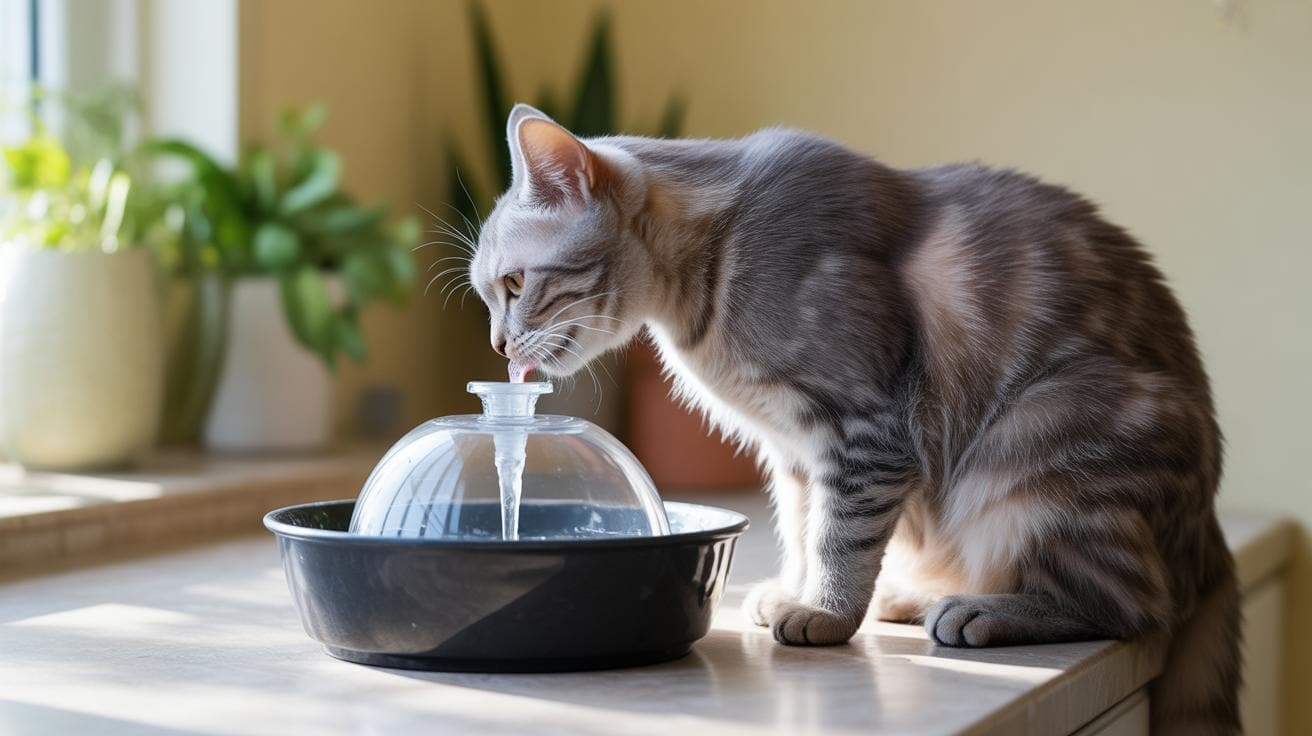
Good filtration and the right flow keep water tasting fresh and cut down on how often the pump needs service. See Maintenance → Consolidated maintenance numbers for exact filter-replacement cadence and pump-life estimates.
Many fountain filter stacks have 2–5 stages. Common setup: a foam or mesh prefilter (a coarse screen that stops fur and grit), an activated carbon filter (charcoal-like material that soaks up odors and weird tastes), and mineral-trap layers (tiny nets that catch hard-water buildup). Some fancier models add UV-C sterilization (short-wavelength light that reduces microbes) for extra peace of mind.
Strong filtration plus the correct flow rate means less debris in the basin and less strain on the pump, so the motor usually lasts longer. It also keeps your cat more interested , fresh, moving water smells and tastes better to most kitties.
Model-specific notes about noise, height, and materials live with each product blurb and in the Picks table, so you won’t see the same cleaning and material advice repeated here. Quiet designs aim to hum less; taller spouts can make a gentle trickle that some cats prefer, while others like a steady stream.
Think layers: foam, carbon, mineral traps. Each stage catches a different kind of yuck, and together they keep the water nicer for your furball. Worth every paw-print.
Maintenance schedule for the best cat water fountains for encouraging hydration (cleaning, filters, pumps)
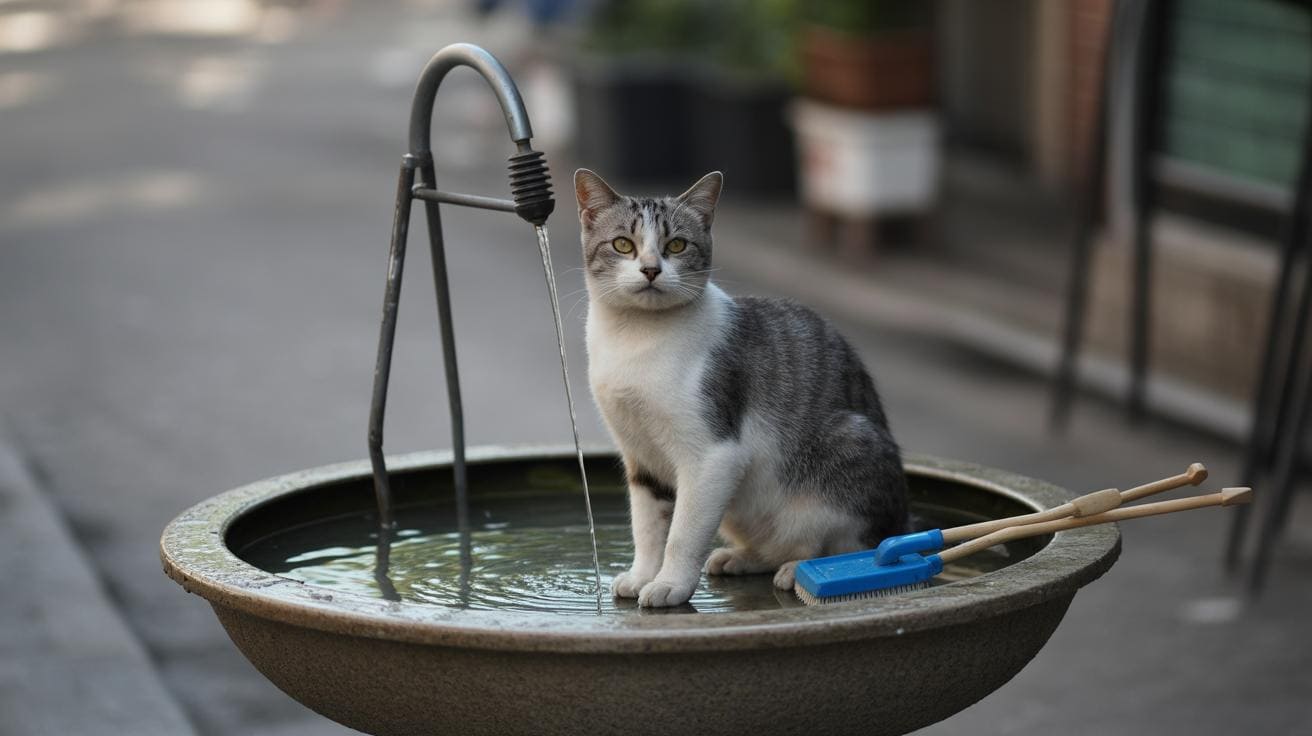
Keeping a cat fountain clean is one of the easiest ways to keep your cat drinking. Fresh-tasting water cuts down on bacteria, keeps the pump happy, and means more sips for better urinary health. Plus, watching your cat take that first crisp sip is oddly satisfying.
Think of maintenance as a tiny ritual: quick daily checks, a weekly scrub, and a monthly deep clean. Do those and your fountain will hum along, your cat will stay hydrated, and you’ll avoid surprise clogs and funky smells.
Weekly and monthly routine you can actually stick to
Once a week, take the fountain apart, wash the parts, and swap or rinse any prefilter (a foam or mesh filter that catches hair and debris). Every month, do a deeper clean: soak plastic (hard plastic) or ceramic (porcelain-like) pieces in a mild vinegar solution if you see mineral buildup, scrub tight spots, and replace a carbon-style filter (charcoal filter that removes tastes and odors) according to the maker’s instructions. If you have hard water or more than one cat, change carbon filters closer to every two weeks.
Quick checklist , weekly cleaning steps
- Disassemble all removable parts.
- Wash bowl, lid, and spouts with mild dish soap and warm water.
- Soak parts with white vinegar and water at about 1:3 if you see scale, then rinse very well.
- Clean the impeller (small rotor inside the pump) and pump housing (pump = motorized unit that moves the water).
- Replace or rinse the prefilter (foam or mesh). Install a fresh carbon filter when it’s due.
- Dry everything, reassemble, and top off the reservoir (the water tank).
Pump care, battery notes, and annual tasks
Open the pump at least once a month to clear hair and gunk from the impeller and its housing so the motor runs smoothly. For cordless fountains, follow the maker’s battery schedule; for example, Dockstream runs about 30 days per full charge and Petcube models can run up to about three weeks on battery power, but check the product page for exact specs. Expect to replace a stock pump about every 1 to 1.5 years if you notice reduced flow, louder noise, or frequent clogging. Keep a spare pump and a few extra filters on hand so downtime is short and your cat never loses moving water.
Worth every paw-print.
Consolidated maintenance numbers
A quick reference so you can set calendar reminders and plan for replacement costs.
- Pump life: typical stock pump lifespan about 1 to 1.5 years with routine cleaning.
- Filter replacement: roughly every two weeks up to monthly depending on water quality and how many cats you have.
- Battery runtimes (examples): Dockstream about 30 days per full charge; Petcube up to about three weeks. Check model pages for exact numbers.
- Cleaning cadence: weekly quick clean; monthly deep clean and descale as needed.
| Metric | Representative Range/Example |
|---|---|
| Pump life | ~1 to 1.5 years (with routine cleaning) |
| Filter cadence | ~2 weeks to monthly (depends on use and water quality) |
| Battery runtime examples | Dockstream ~30 days / Petcube up to ~3 weeks (model-dependent) |
| Typical deep-clean cadence | Weekly quick clean; monthly deep clean and descale as needed |