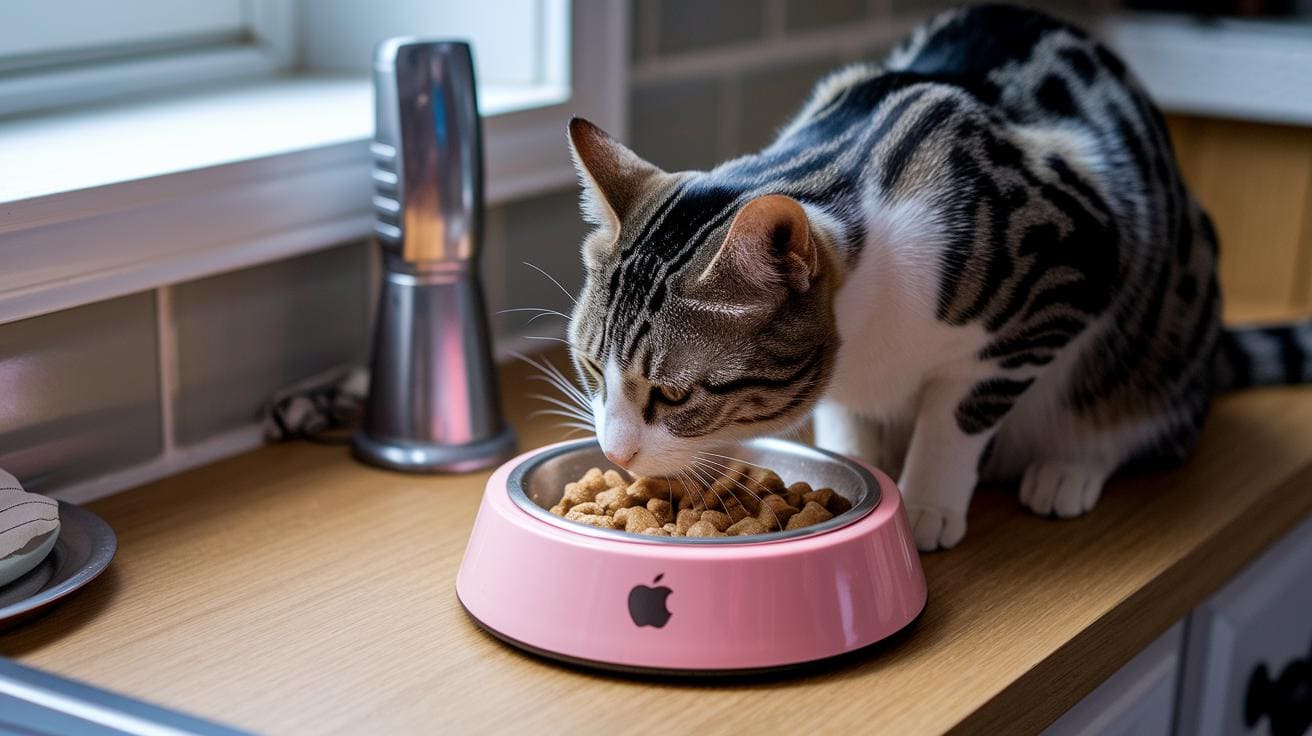
best food for cats with feline leukemia vitality

Ever pop a can of tuna and watch your FeLV kitty spin in circles at the smell? Me too.
Feline leukemia (a virus that weakens the immune system) can leave them wiped out, but the right meals help keep their bodies in top shape.
Cats with FeLV burn energy faster than usual, so they need food that fights back.

Forget boring kibble.
Choose wet foods that clink in the can and glide into the bowl.
Oops, did I say clink? I mean a gentle pop.
They’re loaded with muscle-building protein (it helps bulk up strong paws), plus extra calories for quick fuel and antioxidants (tiny cell cleaners).

They also pack built-in moisture so your kitty gulps down water with every bite, and they skip the junk fillers.
Your fur baby will stay cozy, strong, and purring longer.

Ready to boost your kitty’s vitality?

Core Nutrition Needs for Cats with Feline Leukemia
- Core Nutrition Needs for Cats with Feline Leukemia.jpg

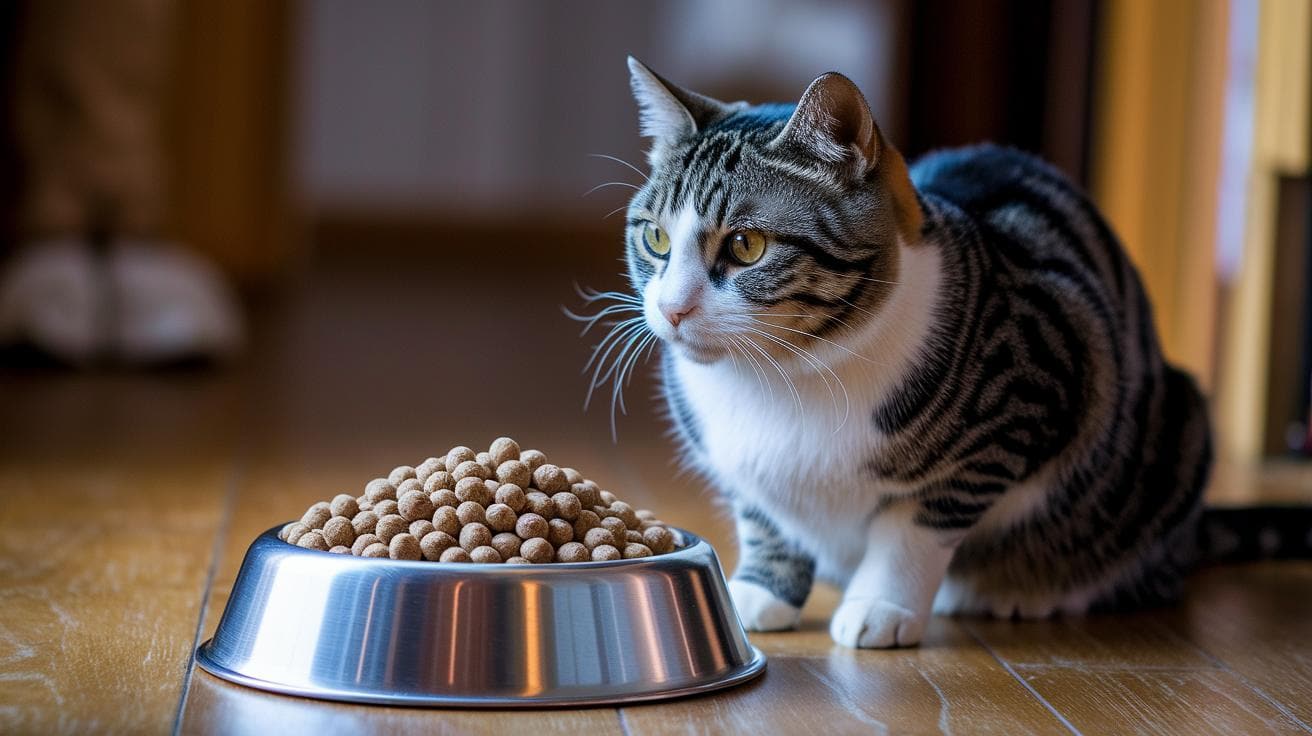
Cats with FeLV need a serious protein boost, at least 40% protein (dry matter basis) to keep muscles strong. They also need extra calories so they don’t burn through energy like a kitten on catnip. High-protein, high-calorie diets counter that catabolic state (when the body starts eating its own tissues).

Antioxidants, vitamins A, C, and E, help mop up cellular damage, and omega-3 fatty acids calm inflammation. Think of these as tiny superheroes patrolling your cat’s cells. Moisture-rich meals (gravy or canned food) protect kidneys from dehydration (they’re easy to dry out). Toss in bone broth for electrolytes and collagen (the stuff that keeps tendons springy), no extra prep needed.

Choose foods low in phosphorus and watch iron levels, too much iron can overwork organs. Skip fillers like BHA, BHT, or artificial colors to avoid skin flare-ups or clotting troubles. A palliative feeding plan for leukemia kitties means easy-to-digest, nutrient-dense bites that support an immunosuppressed cat.

No meal can cure FeLV, but the right diet keeps body condition steady and boosts clinical response. Mix in immune helpers like beta-glucans or brewer’s yeast (for B vitamins and prebiotics) to lend a paw. When vets map out treatment for feline leukemia virus, diet often steals the show. Small, frequent meals and easy-lapped broths keep whiskers twitching and purrs rolling longer.

Commercial Diet Recommendations for FeLV-Positive Cats
- Commercial Diet Recommendations for FeLV-Positive Cats.jpg

Smalls Fresh Cat Food is a top pick for cats with FeLV (feline leukemia virus). It’s packed with real turkey, chicken, fish, or beef and zero preservatives or fake colors. You get it frozen in a smooth paté (think meat mash) or chunky stew. Just move a package to the fridge a day ahead so it thaws. Easy peasy. Picky kitties usually gobble it up. But hey, you’ll need enough freezer space and a thaw plan.

IAMS Proactive Health Adult Dry Cat Food has natural fiber for happy tummies and prebiotics (good gut bugs). It also brings calcium and potassium plus omega fatty acids (skin & coat helpers) to fend off inflammation. No artificial colors or preservatives here. Some cats might need a week or two to adjust, hang in there.

Purina Pro Plan Weight Management comes in dry and wet versions with 43% protein, live probiotics (gut buddies), taurine (heart helper), and vitamin A for strong muscles and immune cells. It’s like a little bodyguard for your cat. But watch out. The kibble is super hard. Older cats or ones with tender teeth might struggle.

CRAVE Grain Free High Protein Dry Cat Food delivers 40% chicken protein, skips grains, and drops chemical preservatives. You get handy 2-pound bags that don’t break the bank. Some say the bag seal flops at keeping food fresh, and taste is a toss-up. Ever seen your cat sniff and walk away?

For a vet-approved boost, try Hill’s Prescription Immunity or Royal Canin FeLV Support. These diets pack extra antioxidants (cell defenders) and keep phosphorus low so your kitty’s immune team gets the right fuel. They run about $30 to $60 for a 5-pound bag or a dozen cans. And yep, you’ll need a vet’s prescription.

Product Protein Key Nutrients Pros Cons Storage & Cost
Smalls Fresh ~45% Real meat, no fake colors Super tasty, two textures Needs freezer space, thaw time Frozen, subscription
IAMS Proactive 30%+ Fiber, prebiotics Wallet-friendly, coat support Takes time to settle in Dry, grocery shelf
Pro Plan Vet 43% Probiotics, taurine, vitamin A Muscle & immunity boost Hard kibble Dry & wet, vet-only
CRAVE Grain Free 40% Chicken protein No grains, small bags Poor bag seal, hit-or-miss taste Dry, pet store
Hill’s & Royal Canin 30–40% Antioxidants, low phosphorus Vet-formulated, immune support Higher price Dry & canned, prescription

Mixing wet food’s juicy perks with kibble crunch gives FeLV cats balanced nutrition. Rotate textures and flavors so mealtime stays exciting. Always check ingredient labels and skip BHA, BHT, or fake colors. Your kitty will keep licking and purring, claw-tastic!

Homemade Meal Plans for Cats with Feline Leukemia
- Homemade Meal Plans for Cats with Feline Leukemia.jpg

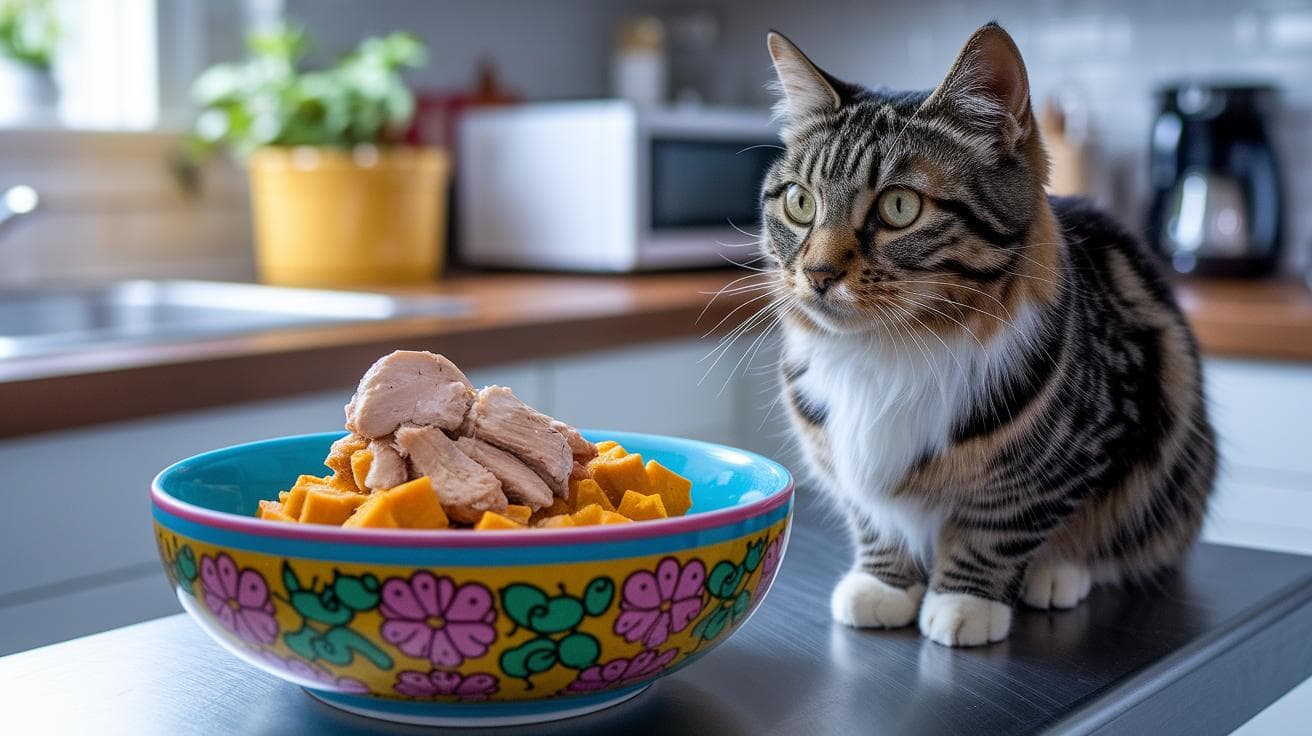
Thinking about homemade meals for a kitty with feline leukemia? Grab some chicken (all lean protein) or turkey, gentle on tiny tummies. Then add soft, cooked veggies like carrots (for B vitamins) and green beans for extra fiber.

Add a spoonful of pumpkin puree (fiber-rich soothes upset stomachs) for a digestion boost. It’s like a mini spa day for your cat’s gut.

Bake your meat at 350°F for 10 to 15 minutes to zap any stray bacteria. Save that cooking juice, it’s flavor gold and keeps meals moist. And don’t forget to trim fat and skip organ meats to keep phosphorus levels low.

Now, let’s talk bone broth: simmer chicken bones in water for about eight hours. You’ll get electrolytes and collagen, so it’s a hydration hero. After it cools, skim off the fat. Then stir in a spoonful with each meal, your cat will lap it up.

For a raw twist without the risk, sprinkle in some freeze-dried raw bits (tiny vitamin- and enzyme-packed nuggets). Rotate these toppers twice a week to keep meals fresh and your kitty curious.

Sprinkle on a pinch of nutritional yeast for B-complex vitamins and a dash of prebiotic fiber. Feed four to six small meals a day, and mix textures, pâté, meaty chunks, a little gravy. Once a week, play dinner detective: see which bowl disappears first, then give them more of that flavor.

Batch-cook on weekends and portion into single-serve trays you can freeze for up to two weeks. Thaw trays overnight in the fridge, label them with dates, and forget last-minute meal prep stress.

Worth every paw-print.
Essential Supplements for Cats with Feline Leukemia Diets

- Essential Supplements for Cats with Feline Leukemia Diets.jpg

Got a kitty with feline leukemia? Check out these diet power-ups for extra belly and immune support.

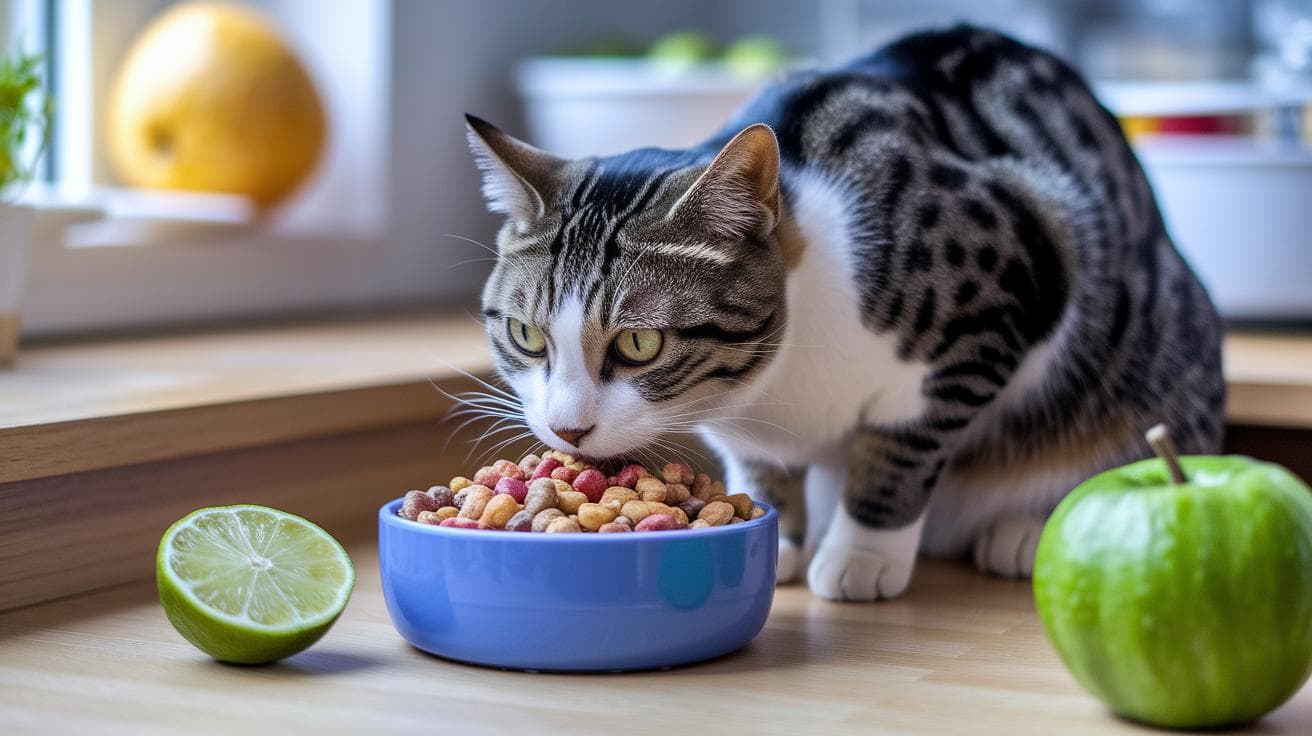
Live probiotics (good bacteria) and prebiotic blends (food for those bugs) help your cat’s belly stay happy. They can calm upset stomachs, ease diarrhea or help with constipation. Aim for 1–2 billion CFU (colony-forming units) once a day. Just sprinkle it on their food. Then watch the poop (consistency is key) and tweak with your vet’s advice.

Fish oil (omega-3 fatty acids) is like a gentle hug for an immune system under stress. Aim for about 20 mg of EPA/DHA per pound of cat to cut down on inflammation. Tag in vitamin E (10 IU) as an antioxidant sidekick that clears up cell damage. And a tiny pinch (1/8 teaspoon) of turmeric (anti-inflam spice) adds another boost. Just keep an eye out for any tummy grumbles.

L-carnitine (an amino acid that helps burn fat) at 50 mg a day can keep lean muscles strong. Arginine (another amino acid) at 250 mg helps power up immune cells. Glutamine (a gut-soothing nutrient) 100–200 mg can help repair the lining of a damaged intestine. Then add digestive enzymes (follow the label) to make sure those nutrients soak right in.

Brewer’s yeast (rich in B vitamins and prebiotic fiber) at ½ teaspoon per 5 pounds gives an extra gut boost. My Luna can’t resist the nutty smell. Really.

Some FeLV cats need iron supplements if their red blood cells dip low. Always under your vet’s watch. And um, keep kidney health in mind when you pick your dose. Safety first, always.

Mix these immune-boosting extras into a vet-approved diet for cats with feline leukemia. You’ll help shore up digestion, immunity, and overall quality of life. Worth every paw-print.

Feeding Strategies and Guidelines for Cats with FeLV

- Feeding Strategies and Guidelines for Cats with FeLV.jpg

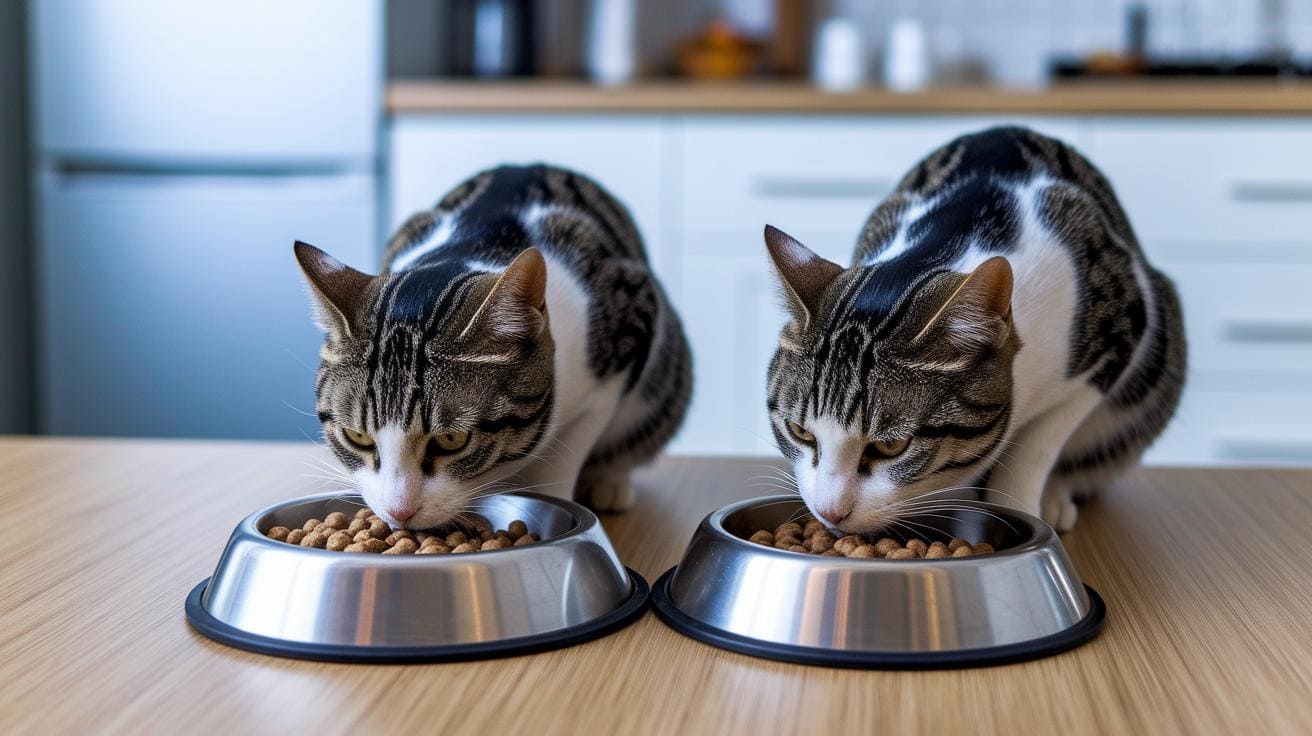
If your cat has FeLV, serving small meals all day really helps. Four to six mini meals keep blood sugar stable and help prevent muscle loss. Wet pate (a soft, moisture-rich meat blend) or gravy-based recipes work wonders.

Adding bone broth (nutrient-rich broth from simmered bones) gives an extra hydration boost and supports kidney health. Your kitty’s tummy will thank you.

But skip dry kibble. Its low moisture can worsen dental issues and dehydration. Stick with wet food to protect teeth and boost fluid intake. Warm each dish to about 100 to 105°F so the aroma jumps out.

Pop meals into easy-grip trays on raised stations to ease neck strain and make mealtime comfy. Ever watched your kitty tilt its head at a slow-feeder bowl? Those bowls (shallow dishes with hidden grooves) help diners slow down, cut choking risks, and encourage mindful munching.

If your kitty’s appetite dips, try syringe feeding tasty broth or pureed chicken stew. You might feel a bit awkward, but it’s a lifesaver on rough days. A dab of tuna-flavored appetite gel can also re-ignite interest in food. It’s great to keep a few tricks up your sleeve.

Rotate feeding spots and keep things quiet to reduce stress. Offer tiny tastes of homemade goodies (shredded chicken or pumpkin mash) to break up the routine. Watch which bowls vanish first, and you’ll spot your cat’s favorites.

Quality of life diet tips center on fun, frequent bites in a calm setting. That’s the secret to helping a kitty with FeLV stay purring, eating, and feeling paw-sitive every day. Worth every paw-print.

Adjusting Diet Based on Health Monitoring in Cats with Feline Leukemia

- Adjusting Diet Based on Health Monitoring in Cats with Feline Leukemia.jpg

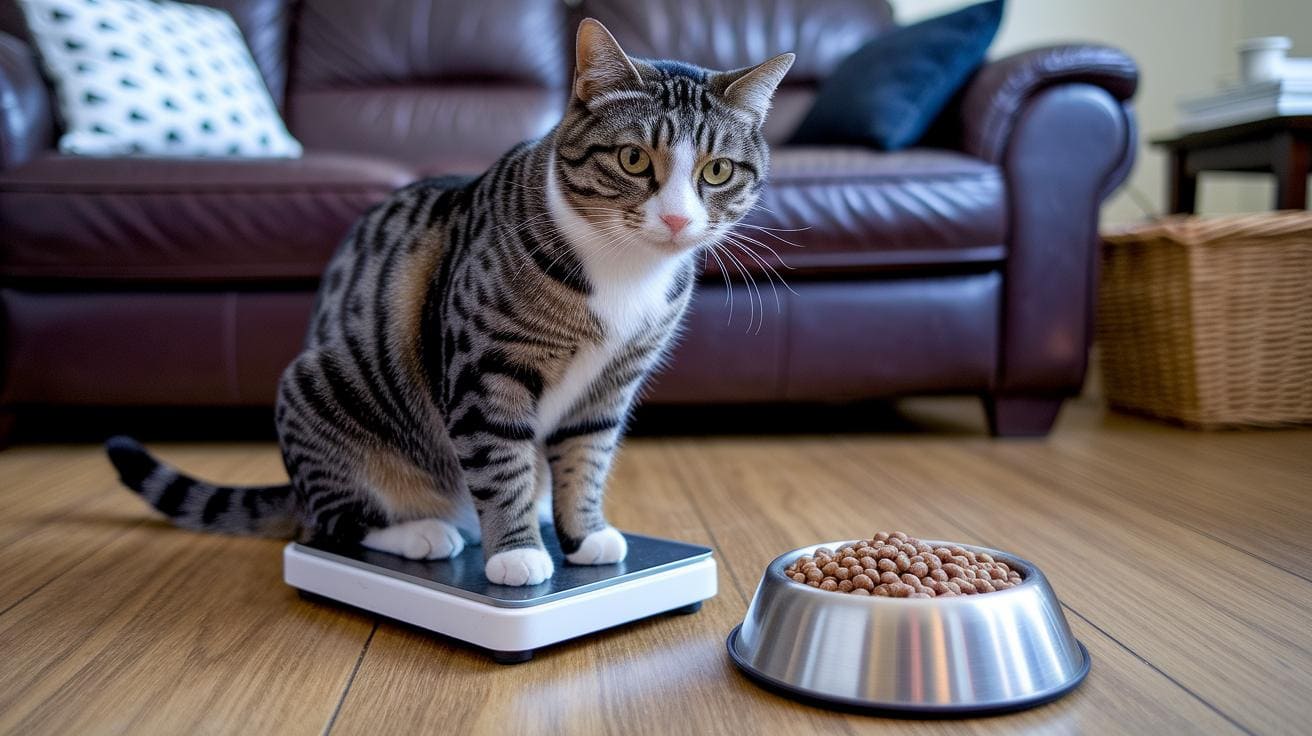
Weigh your cat once a week and jot down the numbers. Give a body condition score from 1 to 9 (1 is too thin, 9 is too chubby) so you can catch muscle loss early. It’s like tracking your own fitness, spot changes fast and tweak calories so every meal stays energy-packed.

After your routine feline leukemia testing, check the lab results for protein, phosphorus, and kidney markers (blood tests that show how hard the kidneys are working). If phosphorus is high, pick a low-phosphorus recipe. If protein is low, boost it with a renal-friendly plan. Then retest with ELISA (a blood test that finds viruses) or IFA (another virus check) as your vet suggests to fine-tune the diet.

When you switch foods, go slow. Over 7 to 10 days, mix 25% new food with 75% old food, then 50/50, then flip it. Watch which bowl your cat licks clean, that tells you what she loves. And if you need to hide pills, stir them into a smooth pâté (a soft meat blend) so she gobbles them up without a fuss.

Summer calls for cool wet food or a splash of bone broth (warm meaty water) to keep her hydrated. In winter, heat meals to about 100°F and add a few extra calories for cozy days. Your cat’s whiskers will twitch as the bowl warms her nose, so claw-tastic.

Read ingredient labels carefully to skip fillers like BHA or BHT (preservatives you don’t need). Do the math on cost per serving, commercial diets vs homemade menus recommended by your vet. It’s like comparing breakfast cereals: some cost more but last longer.

Keep meal times calm and stress-free, your kitty needs a routine she trusts. And remember, thyroid issues can speed up or slow down her appetite, so watch for sudden munchies or skipped bites. Worth every paw-print of effort, right?

Final Words

From high-protein, moisture-rich recipes to vet-approved commercial menus, we’ve mapped out a diet that fuels cats with FeLV and keeps muscle wasting at bay.

You’ve got homemade meal guides and top pick brands with pros, cons, and storage tips. Toss in bone broth hydration and smart supplements, and you’ll give immune health a serious boost.

Feeding strategies, small meals, heated dishes, stress-free stations, and practical monitoring keep every bite on point.

With this plan in paw, finding the best food for cats with feline leukemia is simpler, and you’re all set for more joyful, energetic pounces.

FAQ

What is the best food for cats with feline leukemia?

The best food for cats with feline leukemia blends high-quality animal proteins, moisture-rich wet foods, antioxidants and calories to support immunity, muscle mass and hydration.

What is the best food to give a cat with FIV?

The best food to give a cat with FIV emphasizes high protein, calories and hydration, similar to FeLV diets, using wet foods, antioxidants and vet-approved formulas.

What are the first signs of feline leukemia and how does the disease progress?

The first signs of feline leukemia include lethargy, weight loss and reduced appetite, progressing over months to fever, anemia, infections and eventually severe immunosuppression in late stages.

Can a cat with feline leukemia live with other cats?

Cats with feline leukemia can live with other cats if strict hygiene, separate feeding stations and vaccinations are in place to prevent virus transmission and reduce stress.

How is feline leukemia treated and is it curable?

Feline leukemia is treated with supportive care like antiviral drugs, immune boosters and palliative nutrition; while not curable, treatment can extend quality life and manage symptoms.

What are the final stages of feline leukemia?

The final stages of feline leukemia feature severe anemia, chronic infections, organ failure, decreased mobility and appetite loss, requiring hospice care focused on comfort and symptom relief.

Can kittens born with feline leukemia survive and how should they be cared for?

Kittens born with feline leukemia may clear the virus if they receive early vet care, strict isolation, supportive nutrition and regular testing to monitor infection status.

How do cats get feline leukemia?

Cats get feline leukemia through saliva, grooming, bite wounds, shared food bowls or from mother to kitten, making infection control and testing crucial.

What is the typical lifespan for a cat with feline leukemia?

Cats with feline leukemia typically live one to three years after diagnosis, though some reach five years with excellent care, nutrition and regular vet visits.

How can I help my cat with feline leukemia?

You can help a cat with feline leukemia by providing high-protein wet meals, stress-free routines, immunological supplements, regular vet check-ups and hospice-style comfort care.

Related Articles

Author

  • Isabella Tiu

    Isabella Tiu is a transcriptionist from Calhoun, Florida, known for her sharp attention to detail and her commitment to providing accurate and efficient transcription services. With a passion for language and communication, she thrives on transforming spoken words into clear, readable content for her clients.

    When she's not working, Isabella enjoys hiking and camping, finding peace and inspiration in the beauty of the outdoors. She often says, “The best lessons are often learned in nature,” a philosophy she embraces both in her work and personal life.

    Isabella’s love for both her craft and the natural world reflects her belief in continuous learning and exploration.

    View all posts

Similar Posts