
Notice your kitty doing a funny two-step around her litter box? Paws hanging off the edge, back curved like she’s trying to fit into a dollhouse? Ever watched her swivel and meow, as if saying, “Hey, this box is too tiny!”
It’s not just adorable. It’s her way of telling you she feels squished. A pan (litter box tray) just a few inches too small can turn her daily dig into a litter-ally frustrating workout. She might even leave half-buried surprises outside the box.
Oops, let’s fix that. First, measure her from the tip of her nose to the base of her tail (nose-to-tail length). Then choose a box at least 1.5 times that number in length (so she can stretch out on her toes). And make sure the width gives her room to spin, no poking paws on the sides.
Give her space to scratch, spin, and cover litter with ease. Then sit back and enjoy that satisfying little thud. Pure kitty bliss.
How to Determine the Ideal Litter Box Size for Cats
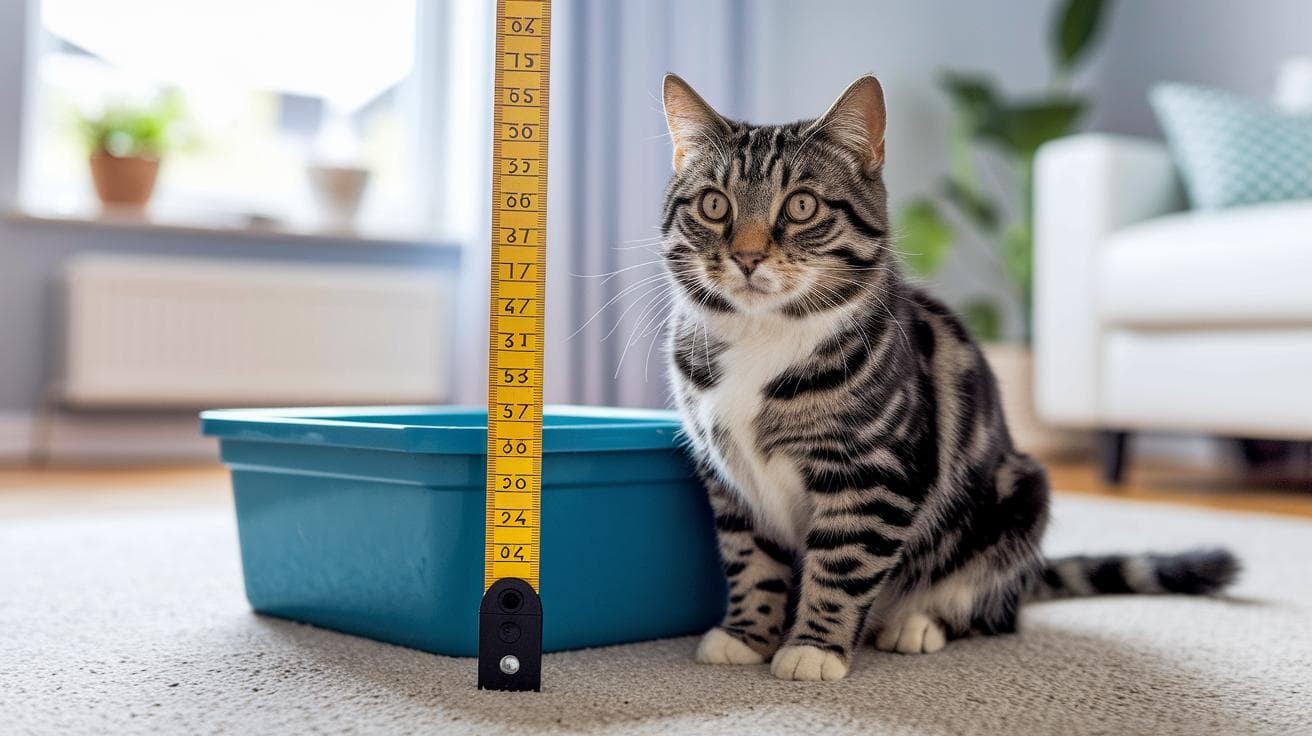
Getting your cat’s bathroom just right is easier than you think. Grab a tape measure (like a flexible ruler) and lay it from her nose to the base of her tail. Multiply that number by 1.5. That gives you the minimum length your kitty needs to stretch out before digging.
Here’s how to nail the perfect dimensions:
-
Measure your cat
Lay the tape from nose to tail base. Multiply by 1.5 for the minimum box length. -
Check the width
Make sure she can spin around without brushing the sides. Match her length or add a couple extra inches. -
Compare common sizes
Most pans are about 16×10 inches. Jumbo pans run around 22×18 inches. If that feels snug, try oversized tubs, think 27×20 inches or larger, to give her wiggle room. -
Set the litter depth
Pour in 2–3 inches of litter so she can dig and cover properly. Any more and you risk tracking; any less and she might slip.
Medium cats usually do fine in a jumbo pan. But big breeds like Maine Coons need extra real estate. If your Maine Coon tips the scales over 20 pounds, consider a roomy tub around 36×24 inches so there’s zero chance of outside-the-box accidents.
Ever hear that little thud when kitty digs? That’s pure contentment. When your cat has space to stretch, turn, and scratch, she’ll use her box every time. Worth every paw-print.
Litter Box Size Recommendations by Breed and Cat Size
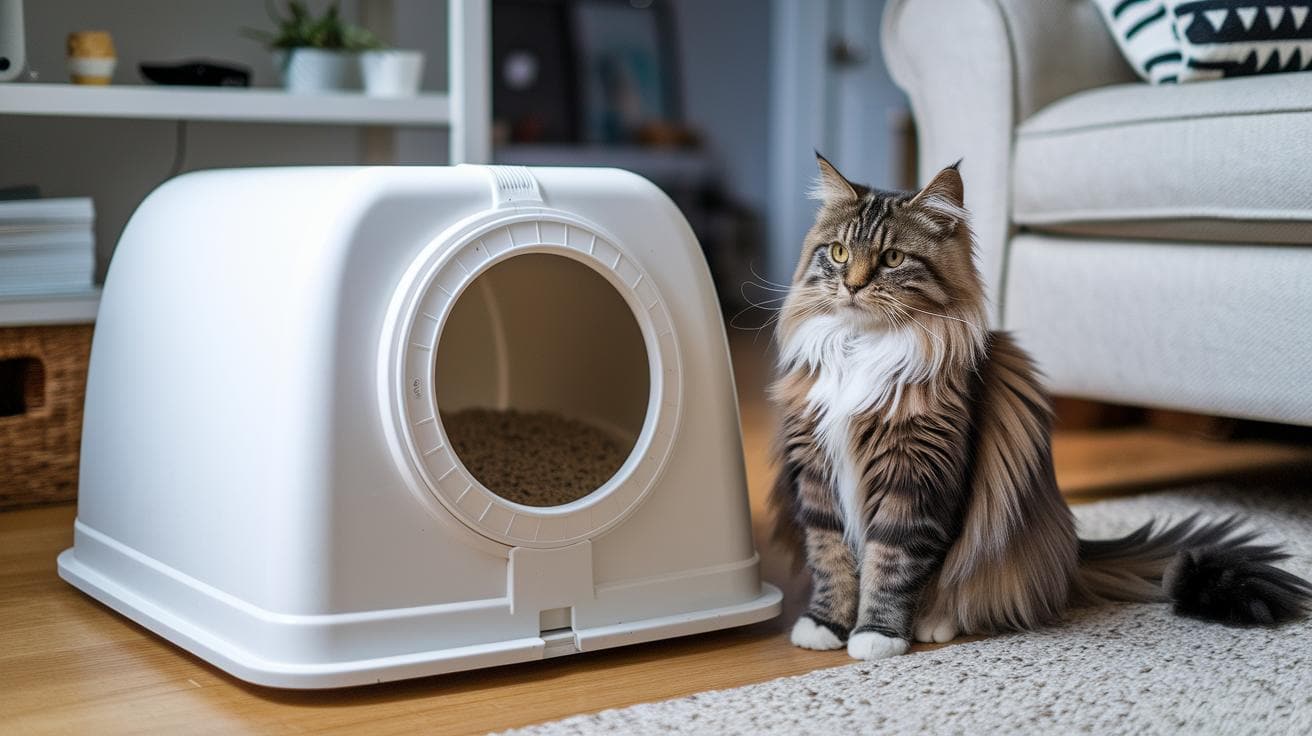
Big breeds really love having space to roam when they go, you know. Ever seen your kitty do a little two-step in the litter? Most big cats fit nicely in a 27 x 20 inch plastic trough (roughly 2 feet 3 inches by 1 foot 8 inches). It’s roomy enough for adults to dig and scratch without feeling cramped.
But if you have a true gentle giant like a Maine Coon, go bigger. Aim for a 36 x 24 inch pan (about 3 feet by 2 feet) so they can stretch out fully and dig deep without bumping their whiskers on the sides.
Midweight fluffballs like Ragdolls need a box around 30 x 18 inches. It’s just the right size for a few big turns and a good scratch. For active window-watcher Bengals, a 24 x 14 inch box gives them enough room to spin and pounce.
You can even repurpose an under-bed storage tote (about 32 x 15 inches) to slide under low furniture. Just sand or trim any rough edges so paws stay happy.
| Breed | Average Cat Length (in) | Recommended Box Dimensions (in) |
|---|---|---|
| Maine Coon | 20 – 25 | 36 x 24 |
| Ragdoll | 15 – 18 | 30 x 18 |
| Bengal | 12 – 15 | 24 x 14 |
| Average Adult | 10 – 14 | 27 x 20 |
Less mess. More purrs.
Entry Height and Wall Styles for Kittens, Seniors, and Messy Cats
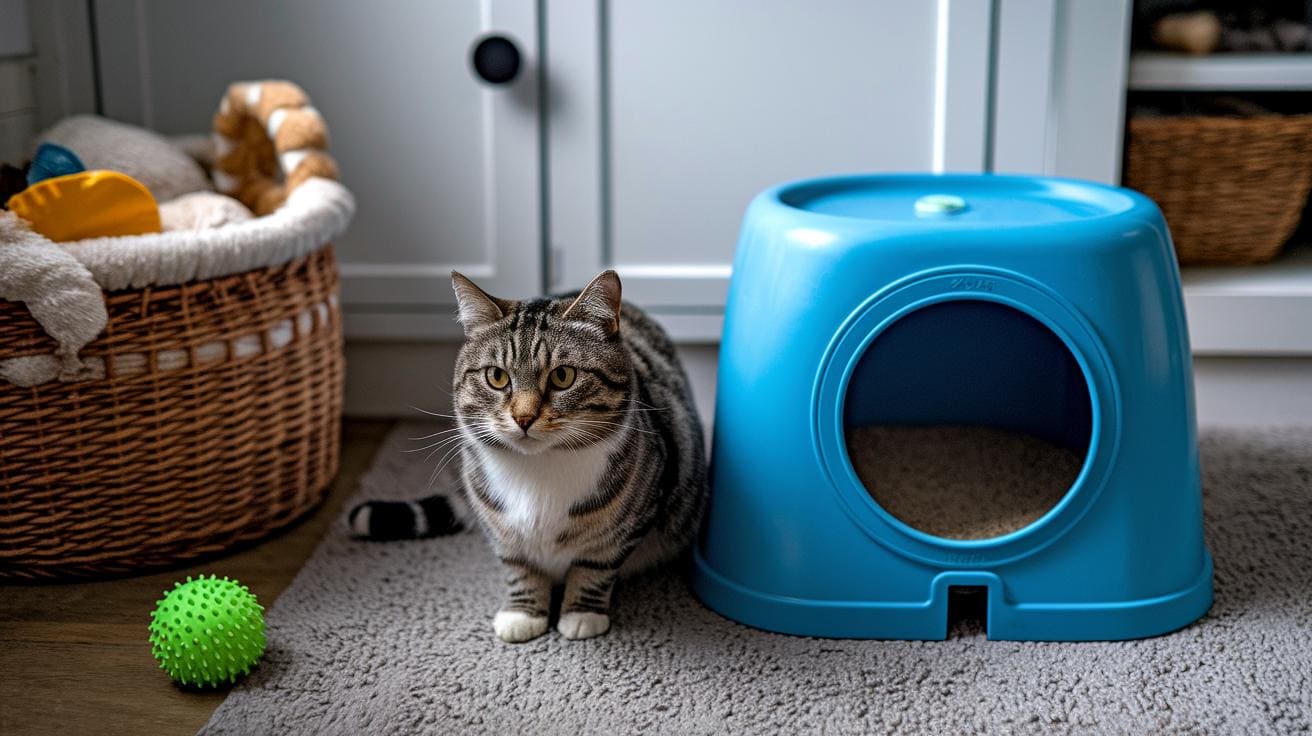
When your kitten is learning or your older cat has stiff joints, a box with low sides can make all the difference. Using a shallow litter pan (tray for kitty waste) means no-hop entry. Aim for a front wall about 2.5 to 3.5 inches high. That way little paws or achy elbows slip in without drama.
Ever watch your kitten stand on tiptoes trying to climb a tall side? Oops. And feel that soft pop when a senior lands? That low front saves them an awkward thud. Same goes for cats with arthritis, you want gentle entries, not painful jumps.
Here is what works for most cats:
- Kittens & seniors: front wall about 2.5 to 3.5 inches high lets them step in smoothly.
- Diggers & sprayers: three sides with walls 6 to 8 inches tall catch scatter and stop sprays.
- Top-entry boxes: round openings 10 to 12 inches wide plus a gentle ramp (like a small slide) prevent slips and wild tumbles.
Good wall heights do more than block a mess. They let your cat settle, relax, and focus on business. If you see litter scattered across the floor, taller sides will save your carpet from a sandstorm. And if your shy senior still hops out empty-pawed, try a lower front, you might just hear a happy purr.
DIY and Alternative Oversized Litter Pan Solutions
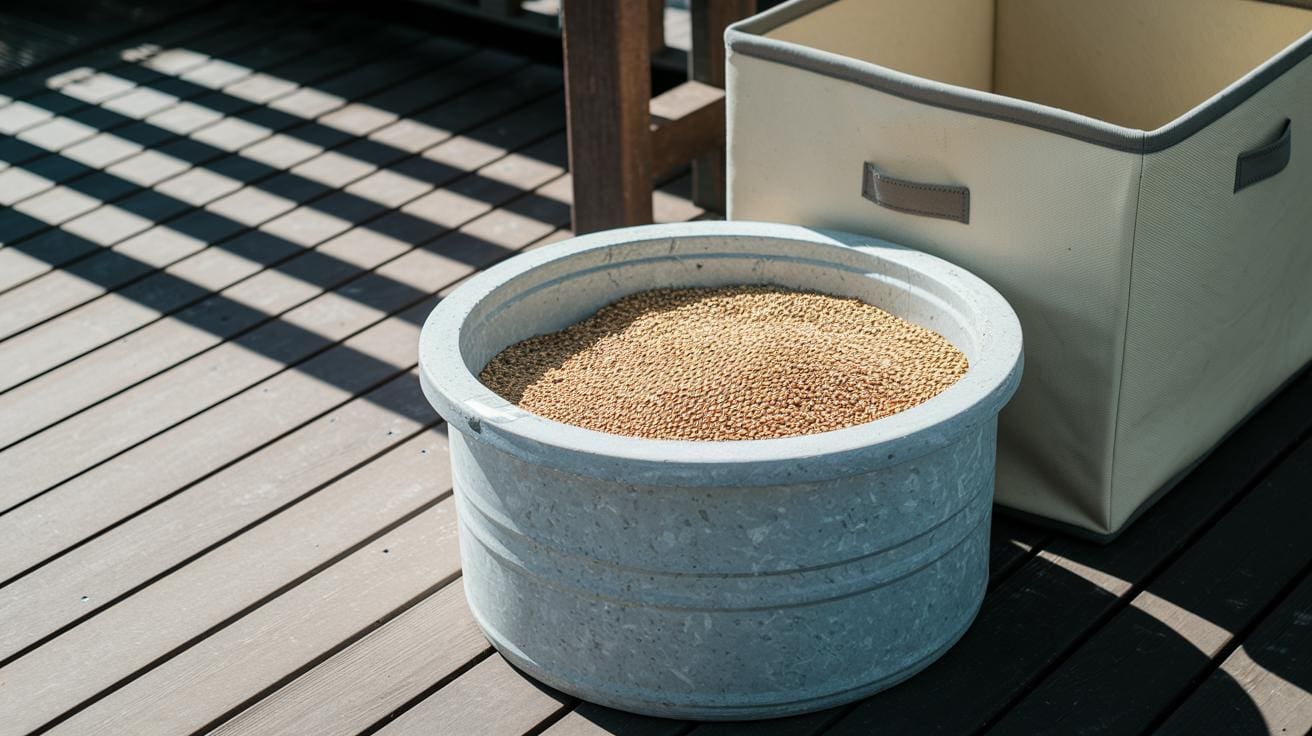
Ever stepped in sandy footprints across the floor? Your cats could use a bigger sandbox. A cement mixing tub (a sturdy plastic tray for stirring concrete) measuring about 27×20 inches costs less than $15. Its smooth, flat bottom feels stable under their paws. Rounded edges make clawing safe, and scooping is a breeze.
Got a giant furball or two sharing the tub? Upgrade to a 36×24 inch size. No more litter spats. Everyone has space to stretch and scratch.
Under-bed storage totes (around 32×15 inches) are another winner. Clip one side down for a low entry. Then sand the rough edges so no fur gets caught. Tuck the tote under a bed or behind the couch for a sneaky litter station.
Travel days? Meet the collapsible silicone pan (folded to about 17×11 inches). Silicone (a bendy, fold-flat polymer) means no clunky bin in your luggage. Pop it open, pour in litter, then fold and stash when the job’s done. Super simple.
Think beyond pet-store trays. These DIY pans save you money and give your kitties all the room they need to dig, scratch, and cover in total comfort.
Make stray litter a thing of the past.
Space and Placement Guidelines for Litter Boxes
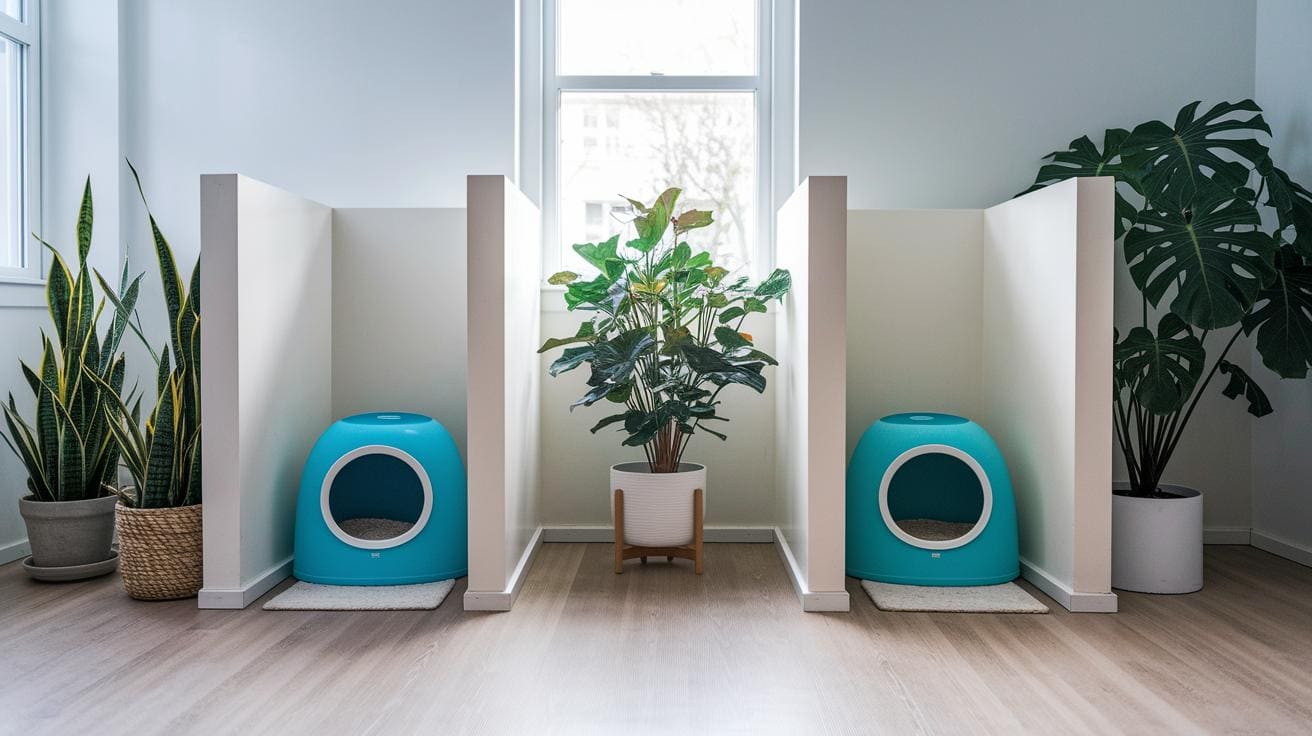
Ever watched your kitty do that sneaky waddle before finding the litter spot? Picking the perfect nook makes all the difference. Find a quiet corner where paws don’t echo down hallways. Cats crave privacy, nobody wants an audience when doing business.
Give each box about 1.5 times your cat’s length of space (so they can sneak in, spin, and dash out without feeling trapped). It’s simple but oh-so effective. Your cat will thank you with extra purrs.
In a home with more than one kitty, you might wonder how many litter boxes do I need for cats. A good rule is one box per cat plus one extra. Then spread them across floors or rooms to avoid mine-mine drama. This lets shy felines slip in unnoticed and confident ones keep their cool.
Keep food and water dishes away from the litter station. Imagine nibbling dinner right next to a sandbox, no thanks. This simple move cuts stress and helps keep things fresh.
Here’s the quick checklist:
- Choose calm, low-traffic corners
- Leave about 1.5 times your cat’s length of clearance around each box
- Spread boxes across rooms or floors in multi-cat homes
- Keep food and water dishes a comfy distance away
Worth every paw-print.
Maintaining Litter Depth, Cleanliness, and Hygiene
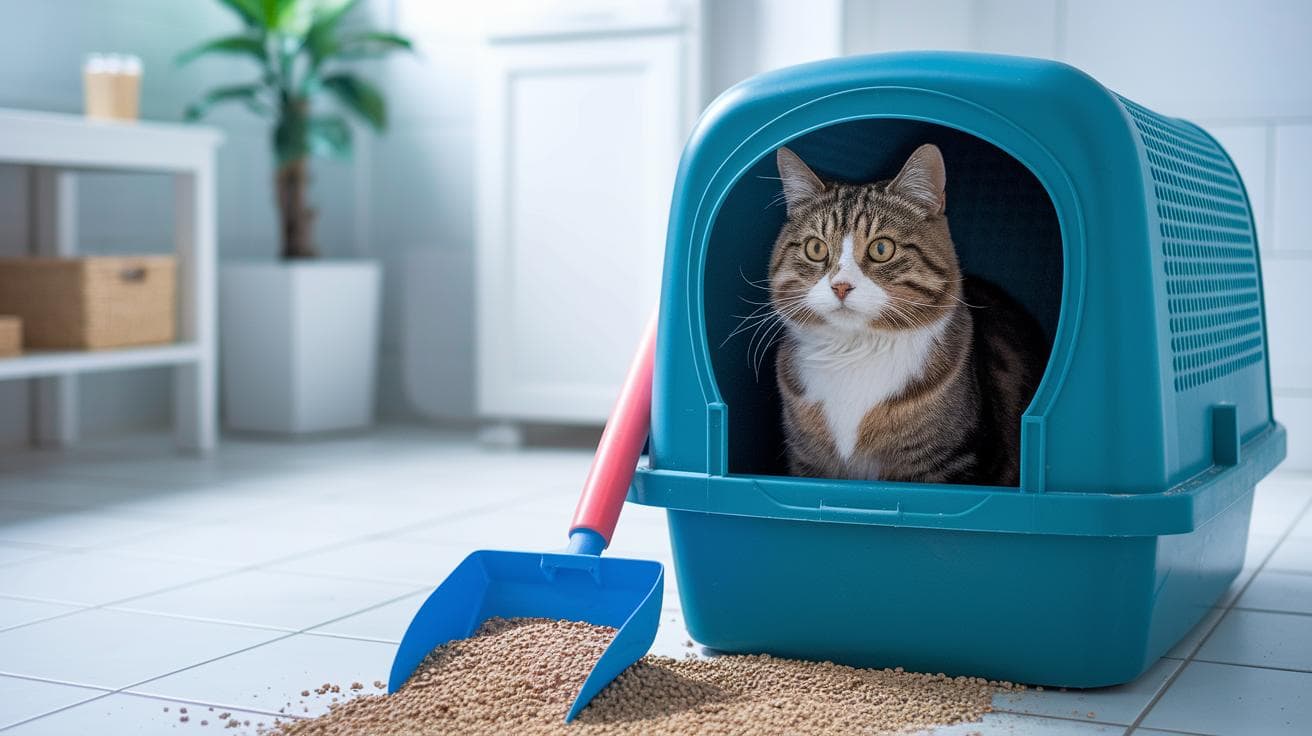
Keep your litter at about 2-3 inches (5-7 cm). That’s like a mini sandy bed (it’s absorbent sandy material) – deep enough for epic digs, but not so deep that your kitty’s paws fling clumps everywhere. Give it a poke with your fingertip. It should give way and crumble when you lift. If you pile it above 3 inches, you’ll spot sandy paw prints all over your floor.
Scoop your box once a day – morning or night, whatever fits your groove. Pulling out those clumps lets air flow and keeps odors at bay. Plus, your cat always steps into a fresh surface, and you’ll catch surprises (those sneaky hairballs) before they turn into stink bombs. Really.
One time I skipped a day and walked in to a hallway that smelled… yikes. Ever had that “oh no” moment? Let’s never do that again. A quick five-minute scoop saves you from an all-day scrub later.
Once a week, toss all the old litter and give the box a good wash. Grab mild soap, warm water, and a soft brush. Rinse thoroughly, let it air dry (sunshine helps), then refill with fresh litter. Don’t use ammonia or harsh cleaners – they leave residues that send cats racing for the door.
If you use non-clumping litter (it soaks up moisture but doesn’t form tight clumps), change it out weekly, too. Otherwise it turns soggy – and stinky – super fast. Fresh litter means happier whiskers and fewer nose wrinkles.
| Maintenance Task | How Often | Notes |
|---|---|---|
| Litter depth check | Daily | Keep 2-3 inches; avoid over 3 inches |
| Daily scooping | Once a day | Use a slotted scoop to catch clumps |
| Box wash & litter swap | Weekly | Clean with mild soap, warm water; air dry |
| Non-clumping litter swap | Weekly | Replace all to keep it fresh |
A clean box = more purrs and fewer floor messes.