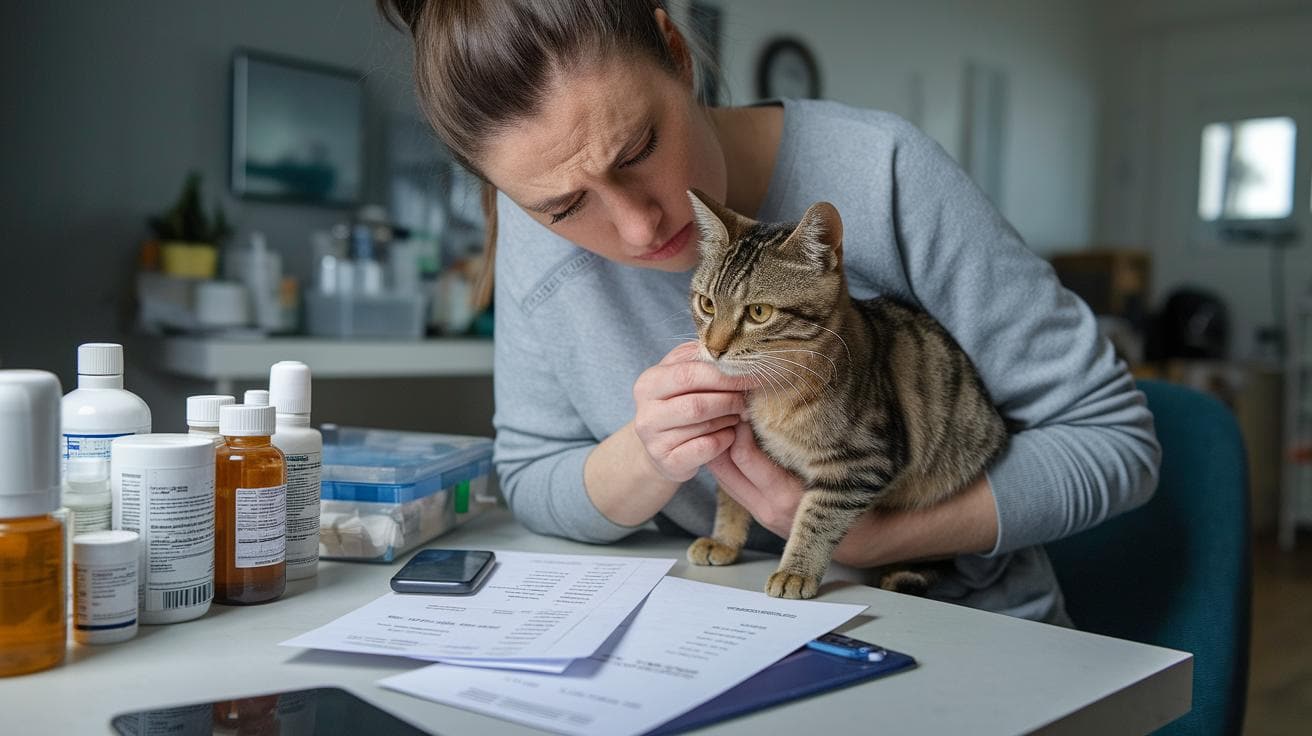
Ever thought a tiny whisper of a virus could decide your cat’s fate?
FeLV (feline leukemia virus, a bug that attacks blood cells) used to mean a short, sad life.
But wait, science and care can flip the script.
With antiretroviral meds (drugs that slow the virus), immune-boost tricks (easy ways to help your kitty’s natural defenses), and nutrient-packed meals, more cats are outliving expectations.
Picture your furball batting a soft toy as their whiskers twitch and their tail swishes in delight.
Studies show treated cats often live past two years, sometimes much longer.
So why does adding interferon alpha (protein therapy) and palliative care basics (cozy, comfort-focused treatments) make such a splash?
Protein therapy helps rally immune cells.
Palliative care keeps your cat feeling happy and comfy each day.
I once watched Luna leap six feet for her favorite feather toy after starting this combo, talk about a second chance at playtime.
Worth every purr.
What You Need to Know Right Now
Let’s dive into feline leukemia virus (FeLV), a virus that messes with your cat’s blood cells.
There’s no cure for it right now, I know.
But we do have antiretroviral medications (drugs that slow down the virus) like interferon alpha (a protein therapy) and immune-boost hacks (simple ways to help the body fight back).
Those together can really help control the virus. [Antiviral & Immune-Modulating Therapies]
Keeping your cat strong means great food and strict infection control (ways to stop germs).
We’re talking high-quality nutrition (protein-rich meals with the right vitamins) and careful cleaning routines (like sanitizing bowls and toys).
These palliative care basics (comfort-focused treatments) help stop extra health issues and keep your kitty feeling their best. [Supportive Care Strategies]
After an FeLV diagnosis, most cats live about two to three years.
I know it can be hard to think about.
But every kitty is unique.
Things like age, how many virus particles are running around (viral load), and other health hiccups all play a role. [Prognosis and Life Expectancy]
Antiviral and Immune-Modulating Therapies for Feline Leukemia Virus
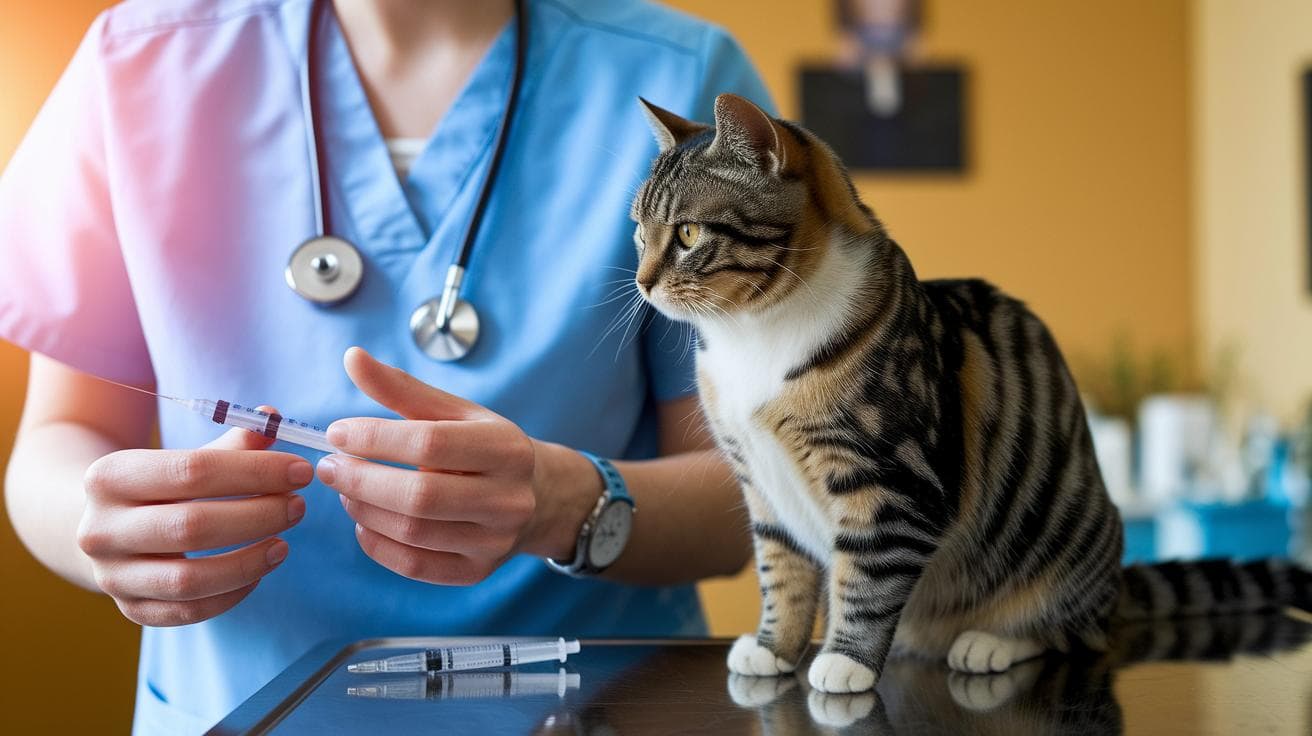
So your cat has feline leukemia virus and you want to help her fight back. We use two big helpers: interferon alpha and immunoglobulin infusions. Both try to slow the virus from making more copies and rally your cat’s immune troops, but they’re not one-and-done solutions.
Interferon alpha feels like a jump-start for your cat’s white blood cells (the body’s virus fighters). Your vet gives it as shots under the skin (subcutaneous injections) two to three times a week for about four to six weeks. Some cats end up with lower virus levels after the full course. But each cat is different. You might get a wow result or just a small win.
Immunoglobulin infusions offer passive immunity (borrowed antibodies when your cat needs extra backup). These come as drips through a vein (intravenous infusions). We don’t have big studies on long-term benefits, but in a sudden flare-up they can help scoop up extra viral particles while your cat’s own defenses kick in.
L-lysine is an amino acid (a tiny protein building block) you can add to your cat’s food. You usually give 250 to 500 mg once a day in wet food or a treat. It helps strengthen the nose and throat lining (mucosal immunity) so those sneezes don’t snowball into bigger problems. It’s not a cure, just a trusty sidekick. My Luna actually got excited when I mixed it in her tuna pouch.
Keep an eye out for mild tummy trouble, loose stools or a bit of vomiting, plus small swelling where your cat got a shot. A low-grade fever that lasts a day or two can pop up, too. You know how worried you feel when she won’t eat? That’s your cue to check her appetite and water intake. If she seems off, uh, a quick call to your vet can help rule out nasty complications.
Supportive Care Strategies for Cats with Feline Leukemia Virus
-
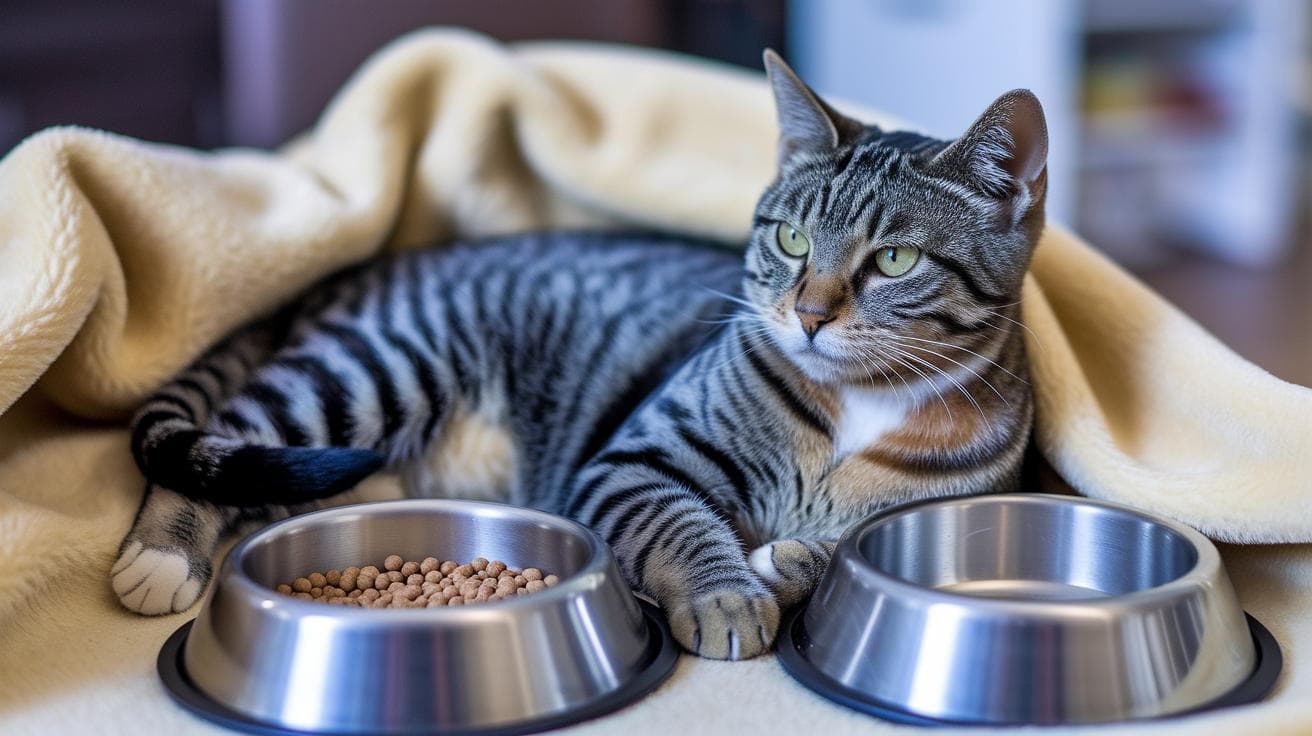
Start with tasty, protein-packed meals. Mix canned tuna with Omega-3 oil (fish oil that fights swelling) for extra calories. Your kitty’s whiskers will twitch the moment you set down the bowl. It’s a simple way to keep weight on their bones.
-
Give subcutaneous fluids (just under the skin) of about 50 to 100 mL per kilogram each week using a tiny syringe. This hydration therapy helps stave off dehydration and keeps their energy up. Ever tried that gentle pinch on the scruff? It’s over in seconds.
-
Keep an eye out for sneezes, coughs or cuts that won’t heal, those little signs could mean a secondary infection. Talk to your vet and only use antibiotics when a culture/sensitivity test (lab test to find the right antibiotic) gives you the green light. That way you dodge antibiotic resistance and fewer frantic trips to the clinic.
-
Clean everything, the food bowl, water dish, litter pan and bedding, with a bleach solution (1 part bleach to 32 parts water) every single day. This strict whole-home hygiene cuts down on stray virus particles. Wondering if feline leukemia is contagious? This step is a game-changer.
-
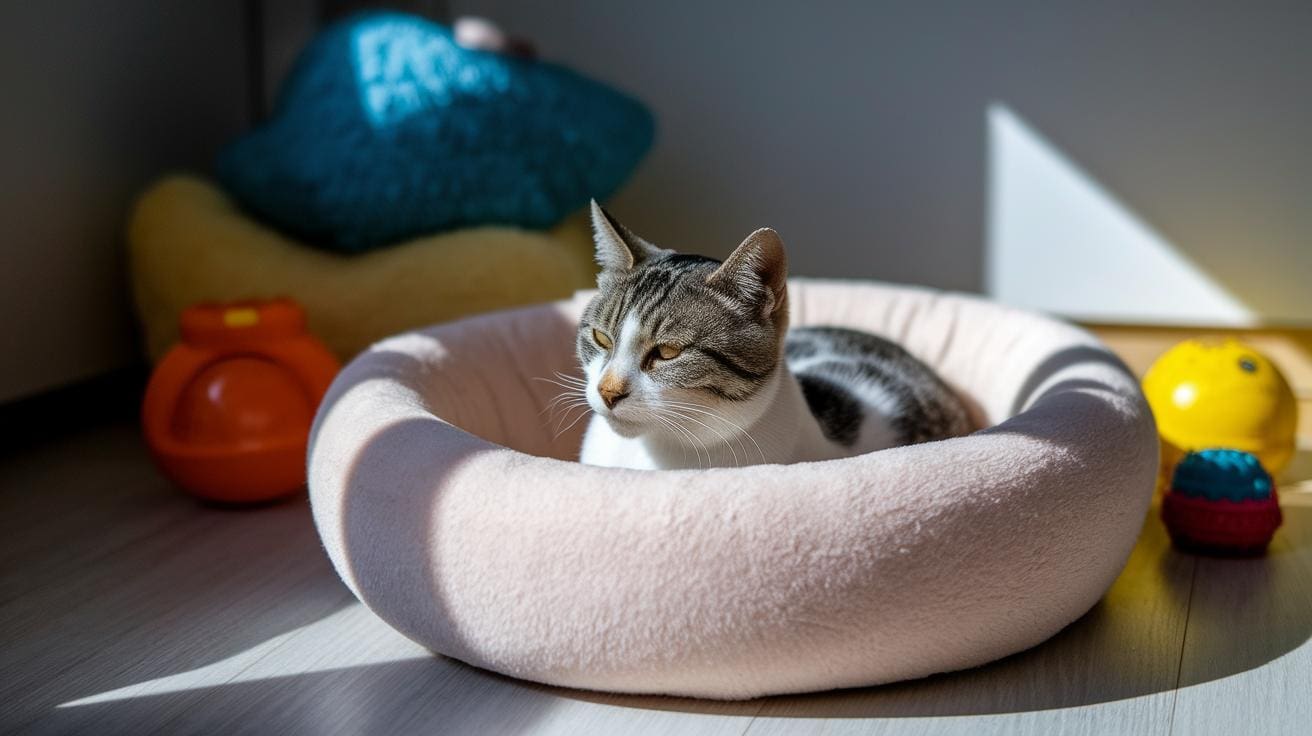
Set up a cozy isolation room just for your FeLV-positive friend. Think a quiet corner with plush blankets and a few claw-tastic toys to swipe at. Keeping the door shut or using a baby gate gives them a stress-free safe zone. Less stress means less chance of spread and calmer kitty vibes.
-
In homes with multiple cats, serve your FeLV cat in its own dish and use a dedicated scoop. Give each cat its own litter box, one per cat plus one extra, and separate scoops for each. These little household rules help stop cross-contamination and keep every cat purring in peace.
-
Scoop that litter box at least twice a day and do a weekly deep clean with the same bleach mix. Fresh litter pan hygiene means you’ll spot any odd changes in urine or stool fast. Plus, a clean box makes for happy paws and curious noses.
-
Help your cat chill with soft music, a pheromone diffuser and short teaser wand play sessions. These stress-busting tricks work wonders for anxious kitties. Before you know it, you’ll have a relaxed, bouncy ball of fur ready for fun.
Prognosis and Life Expectancy in Feline Leukemia Virus Cases
Cats with FeLV can go through four stages.
Abortive (about 70 percent of adult cats clear the virus).
Regressive (virus retreats but might sneak back later).
Latent (virus hides out in bone marrow).
Progressive (virus stays active with persistent antigenemia (virus floating in the blood)).
Ever seen a cat shrug off a bug? Some do, most get through abortive, but others end up in progressive.
Adult cats in the progressive phase live around 2.4 years on average. And about 85 percent of them pass within three to five years. Kittens under one year have a tougher road: fewer than 10 percent make it past their first birthday. It’s hard, but knowing the numbers helps us plan care.
Your vet pieces together your cat’s picture using clinical staging criteria. They’ll run a complete blood count (simple test to check red and white blood cells) and do a physical exam (hands-on check-up). Age and viral load (how much virus is in the blood) matter, too, along with any anemia (low red blood cells) or extra infections. It’s like a puzzle, um, and every piece counts.
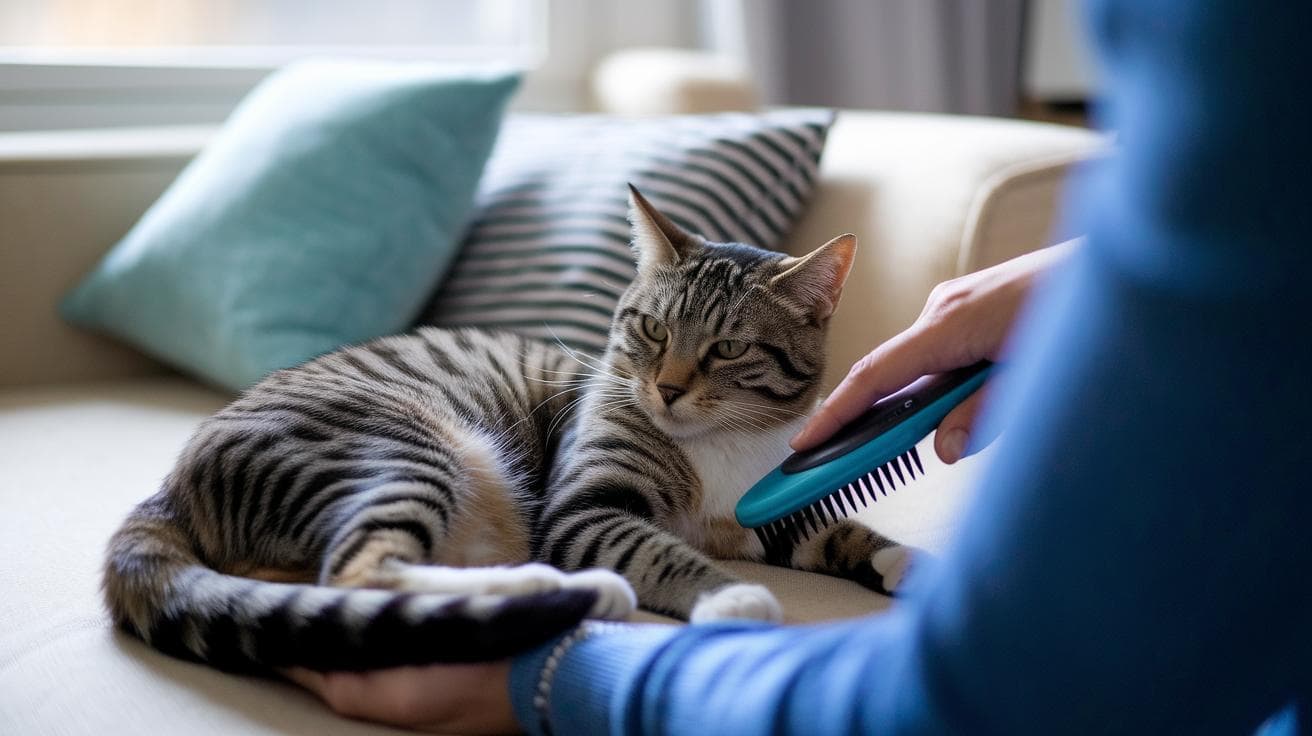
Quality of life checks happen every three to six months. We look at appetite, playtime energy, coat condition, and comfort level.
• Appetite: Is your kitty eating?
• Playtime energy: Any zoomies or pounces?
• Coat condition: Soft, shiny fur or rough patches?
• Comfort level: Any signs of pain or fussiness?
These simple metrics tell us if your cat’s still feline fine. If a check flags, we tweak food, meds, or toy time, whatever brings back those happy whisker twitches.
| Check | What to Watch For | Why It Matters |
|---|---|---|
| Appetite | Finishing meals or sniffing the bowl | Shows energy and overall health |
| Playtime Energy | Pouncing, chasing, zoomies | Reflects strength and joy |
| Coat Condition | Soft, shiny fur vs. rough or patchy spots | Indicates grooming habits and well-being |
| Comfort Level | Wincing, hiding, or relaxed lounging | Guides pain management and comfort |
Worth every paw-print.