
Is serving your cat cold food from the fridge doing them any favors? While it's generally safe, the real question lies in what your feline friend prefers. Cats often favor their grub at a warmer temperature, not just for flavor but due to their inherent instincts.
Much like how fresh-caught prey would be warm, serving food at 'mouse temperature' – about 100-102°F – can make meals more enticing for your cat. Understanding this nuance could be the key to enhancing your cat's meal times and ensuring they savor every bite.
Is Cold Food Safe for Cats and Optimal Temperature for Cat Meals?
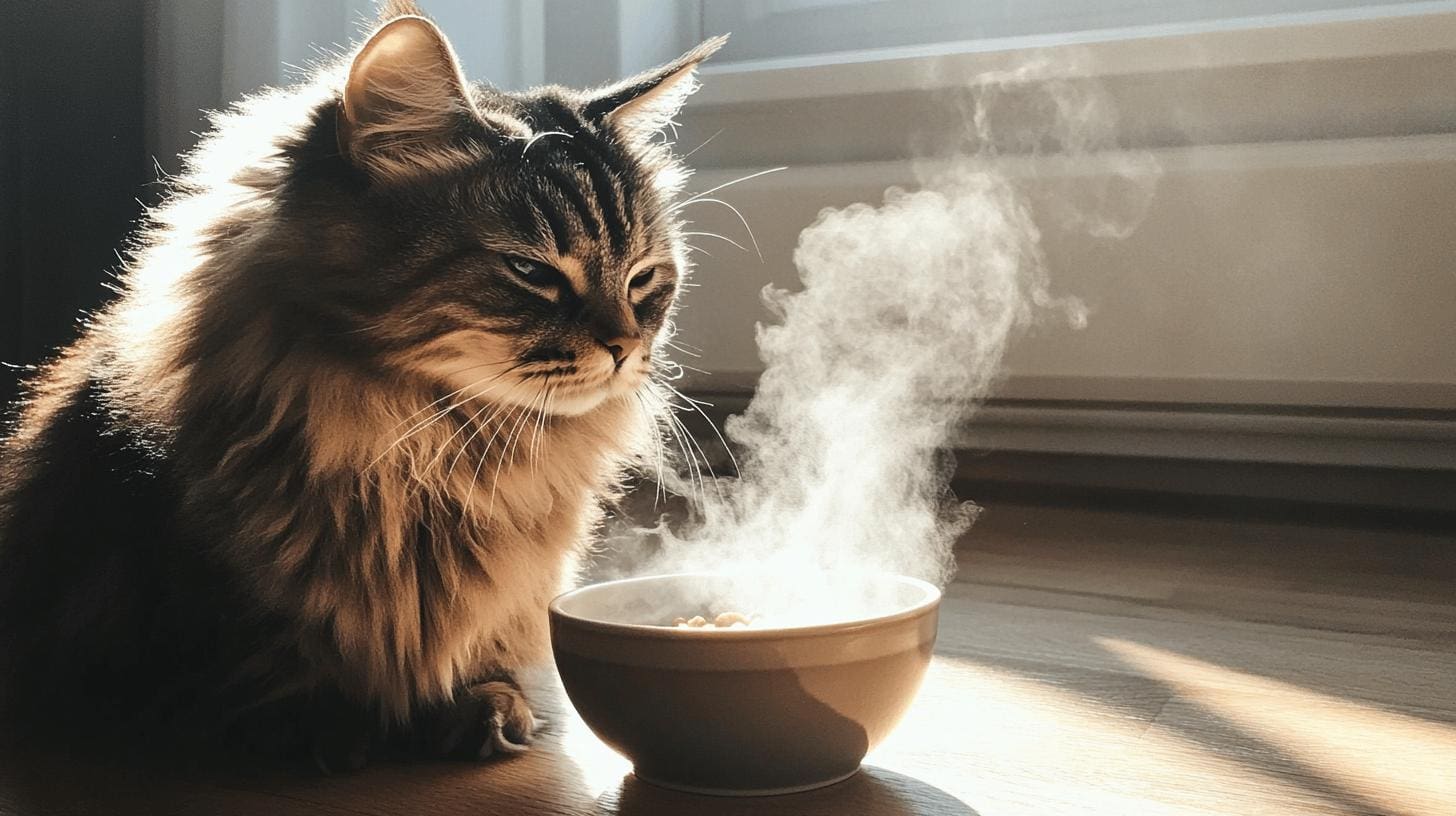
Feeding cats cold food from the fridge is generally safe. There are no specific health risks directly associated with it. However, cats often prefer their meals to be at a warmer temperature. This preference is not just about taste but also relates to their natural instincts.
Warmer food mimics the body temperature of freshly caught prey, which is typically around 100-102°F. This temperature is often referred to as 'mouse temperature.' Serving food at this warmth can make meals more appealing to cats.
While eating cold food is not harmful, it may simply be less enticing for them. Cats are obligate carnivores, and their natural diet would involve eating freshly caught animals, which are naturally warm. Therefore, serving food at room temperature or slightly warmer can encourage more enthusiastic eating behavior.
The optimal temperature for cat meals is crucial for their enjoyment and willingness to eat. Cats are picky eaters, and the temperature of their food plays a significant role. Warm food releases more aroma, which can be a big motivator for cats to eat.
If a meal is too cold, it may not give off enough scent to attract them. By warming food to about 100-102°F, you're aligning with what a cat would naturally seek out in the wild. This not only satisfies their taste preferences but also contributes to their overall eating satisfaction.
To achieve the optimal temperature for cat meals, consider warming their food slightly before serving. You can do this by letting the food sit at room temperature for a short while or gently warming it in the microwave for a few seconds.
Be cautious not to overheat, as food that is too hot can harm your cat's mouth. Stir the food well to ensure even warmth and always test it before serving. This small effort can make a big difference in your cat's dining experience, encouraging them to eat more readily.
How to Warm Up Cat Food Safely
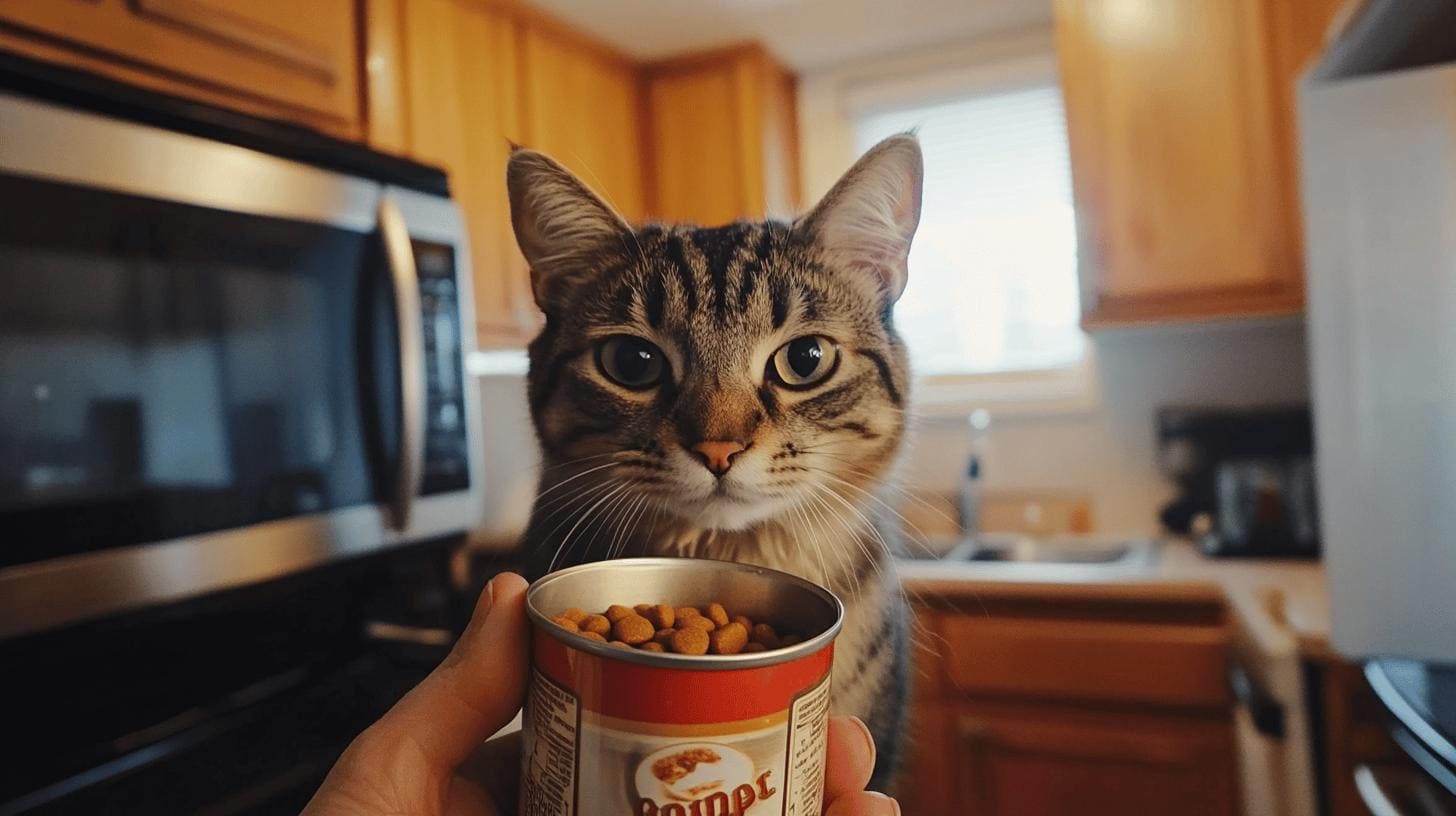
Warming cat food is not just about making it more appetizing for your feline friend. It also ensures that the food is at a safe temperature for eating. Cats generally prefer their food slightly warm, as it mimics the natural warmth of fresh prey. This makes warming up refrigerated cat food a practical step in enhancing their dining experience.
Safe Warming Methods
One of the most common methods for warming cat food is using a microwave. When microwaving, it's important to use a microwave-safe dish and heat the food for a few seconds at a time. Stir the food thoroughly to distribute the heat evenly and test the temperature before serving to ensure it isn't too hot. This prevents overheating, which could burn your cat's mouth.
Another safe method involves using a pet food warmer. These devices are specifically designed to warm pet food gently and evenly. The advantage of using a pet food warmer is that it minimizes the risk of overheating, providing a consistent temperature that is often ideal for cats.
Improper warming can pose several risks. Overheated food can cause burns, while uneven heating might leave some parts too cold, which can still be unappealing to cats. Additionally, leaving wet food out for too long during the warming process can lead to bacterial growth. It's crucial to warm the food right before serving and not let it sit out for extended periods.
Maintaining safety while warming cat food involves monitoring the time and temperature closely. Always test the food's warmth before giving it to your cat. If using a microwave, avoid using metal or foil containers, and regularly check the food's texture and smell for freshness. By following these best practices, you ensure that your cat enjoys their meal safely and comfortably.
Storage Tips for Wet Cat Food
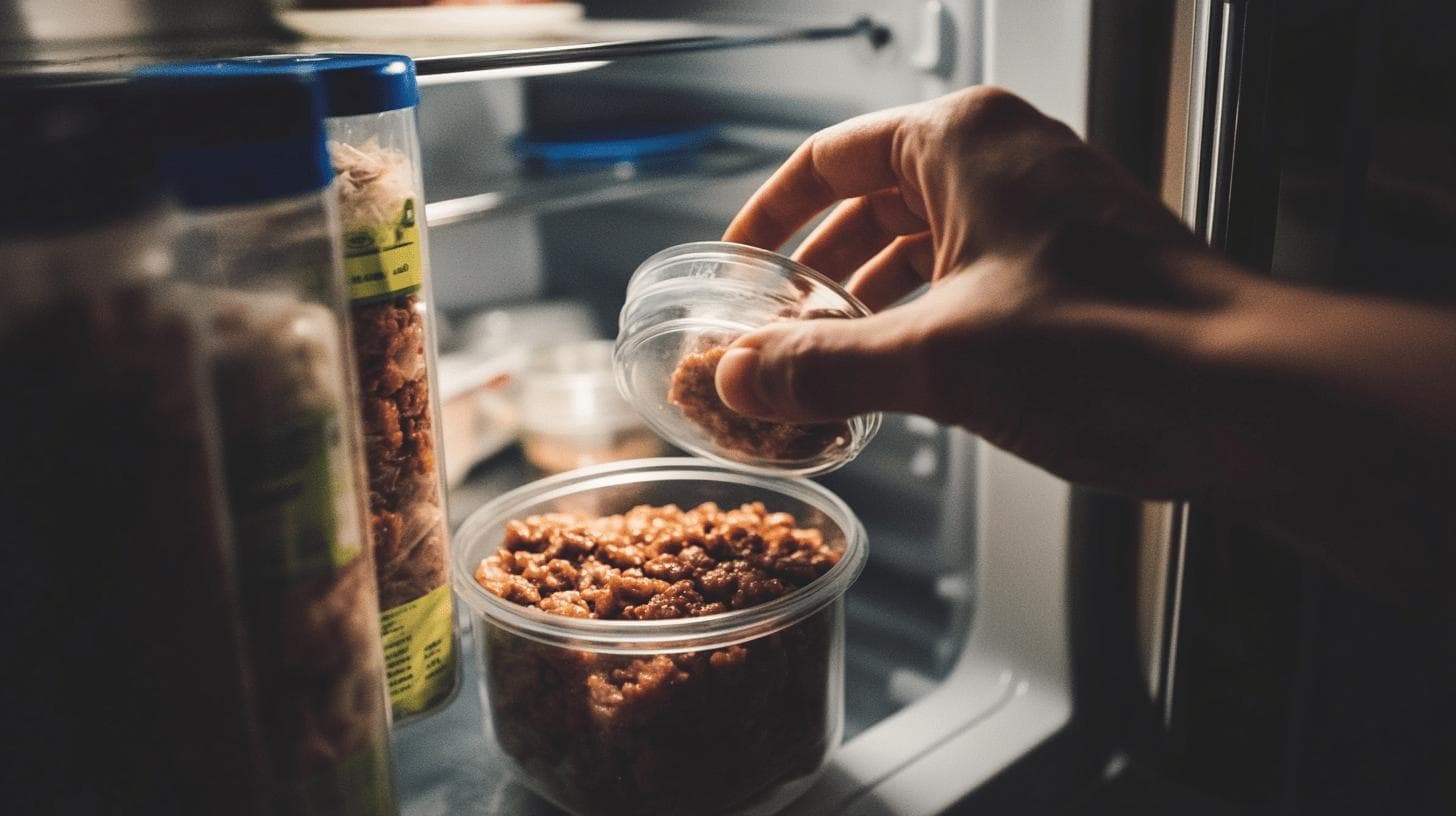
Proper storage of wet cat food is essential for maintaining its freshness and ensuring the health of your feline friend. Once a can or pouch of wet cat food is opened, it becomes vulnerable to bacterial growth, which can pose a risk to your pet if not handled correctly.
Leaving wet food out for more than 1-2 hours can allow bacteria to multiply, leading to potential health issues. Therefore, it is critical to store opened wet cat food safely to prevent spoilage and protect your cat from any digestive problems.
The best way to store wet cat food after opening is by transferring it into an airtight container and refrigerating it. This method helps retain the food's moisture and flavor while keeping bacteria at bay. Wet cat food can be safely stored in the fridge for 2-3 days.
It's important to avoid leaving the food in the opened can, as this can lead to contamination and loss of taste. Using a lid or a resealable bag can also help if you don't have an airtight container readily available.
| Tips | Details |
|---|---|
| Refrigerate Promptly | Store in an airtight container immediately after opening. |
| Limit Room Exposure | Do not leave out for more than 1-2 hours. |
| Check for Freshness | Use within 2-3 days to ensure quality and safety. |
Maintaining the freshness of wet cat food is vital not only for your cat's pleasure but for its health as well. Fresh food reduces the risk of spoilage and keeps your cat's diet nutritious and appealing. By following these storage tips, you ensure that your cat receives the safest and most enjoyable meals possible.
