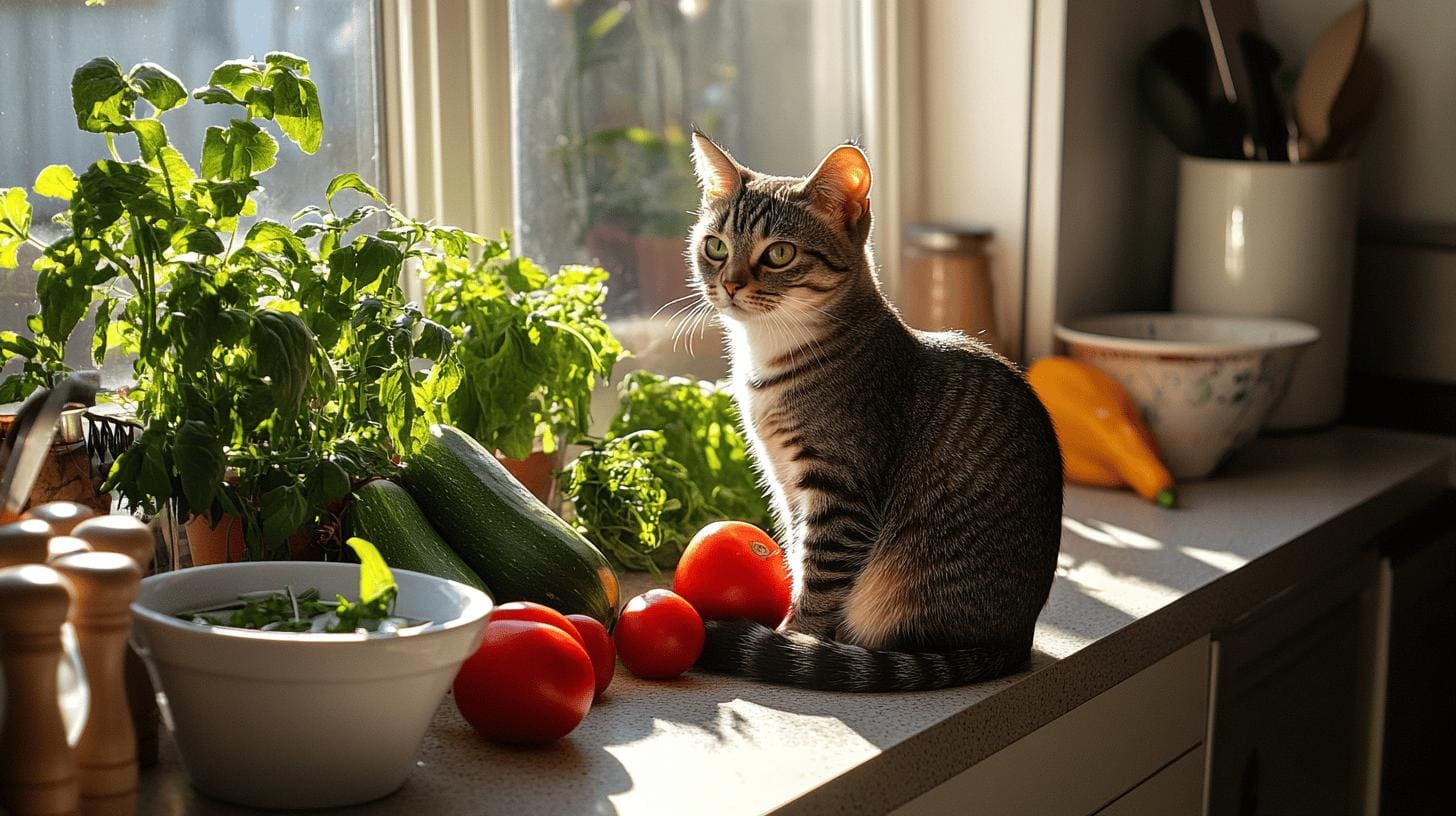
Have you ever wondered if your curious cat can safely munch on corn on the cob? It might seem like a harmless nibble, but there are hidden dangers that could make this common table food a feline foe.
The cob could become a choking hazard or even cause a serious blockage in your cat’s tiny digestive tract. In this article, I’ll dive into the risks and clarify whether corn should ever be part of your cat’s snack repertoire. Understanding these risks can keep your furry friend safe and healthy.
Can Cats Safely Eat Corn on the Cob?
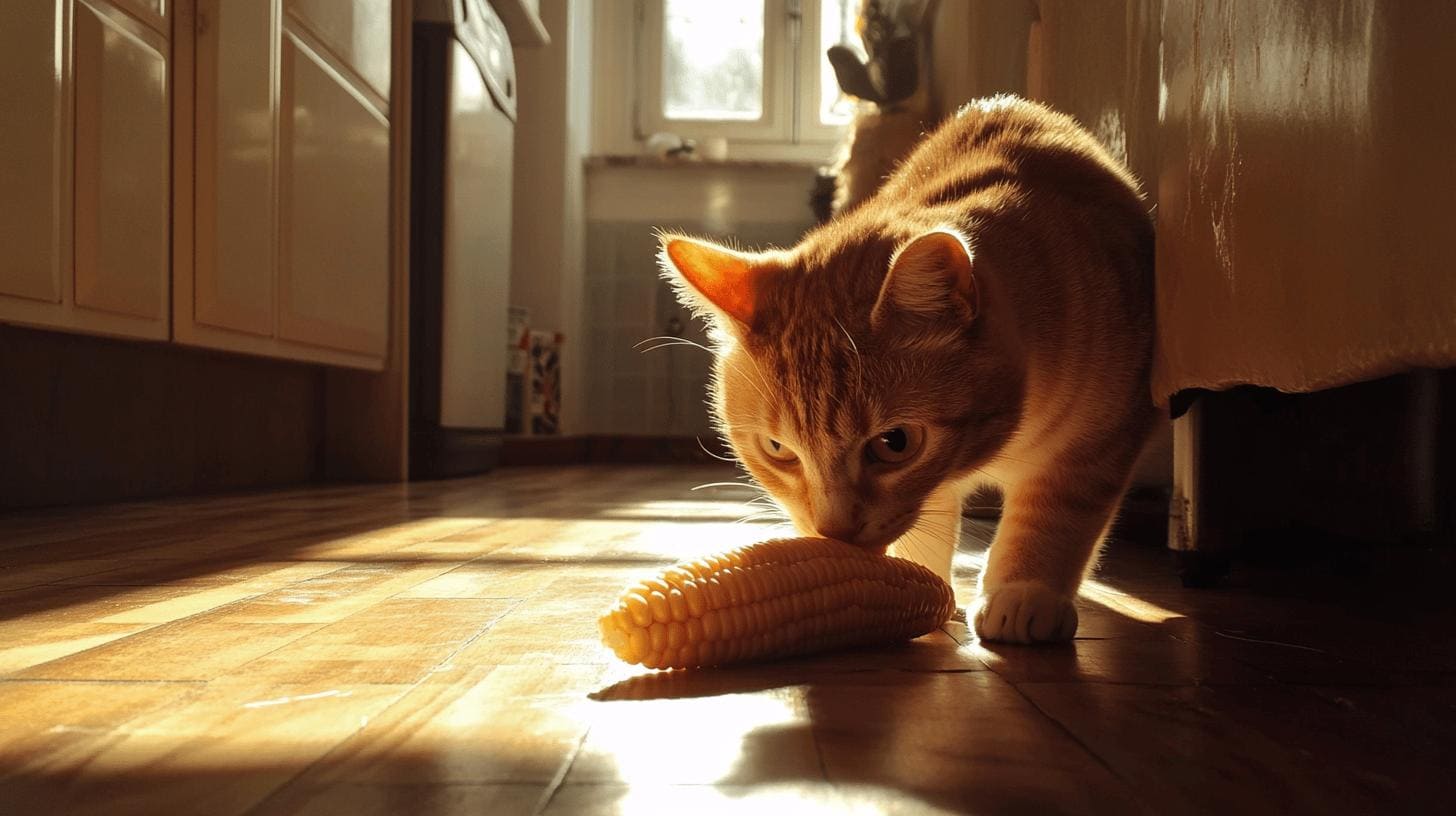
Corn is generally not toxic to cats, but corn on the cob poses several potential dangers. The cob itself can become a serious choking hazard. Cats have small throats, and the cob can easily get lodged, leading to emergency situations. Moreover, if a cat swallows chunks of the cob, it could cause gastrointestinal blockages.
Such blockages can lead to severe health issues requiring immediate veterinary attention. Indigestion is another concern, as the cob is not digestible by cats, potentially leading to discomfort and other digestive troubles.
- Choking hazard due to the cob's size
- Risk of gastrointestinal blockages from swallowing cob pieces
- Indigestion issues from undigestible cob material
- Potential emergency situations requiring veterinary intervention
- Lack of nutritional benefit from corn for cats
Veterinarian Eddie Lo advises that while small amounts of corn might not harm cats, it should not be a regular part of their diet. Cats are obligate carnivores, which means their dietary needs are predominantly met through meat.
Corn lacks the necessary nutrients that cats require, so it does not contribute to their nutritional well-being. Dr. Lo emphasizes the importance of avoiding the cob itself due to its potential to cause serious health issues.
In summary, while corn itself may not be harmful in very small amounts, corn on the cob presents significant risks to cats. The risk of choking, indigestion, and intestinal obstruction makes it advisable to keep corn on the cob out of reach.
Instead, ensuring your feline friend has a diet primarily composed of meat-based foods is crucial for their health and happiness. Always consult with a veterinarian before introducing any new foods into your cat's diet to ensure their safety.
Understanding the Nutritional Value of Corn for Cats
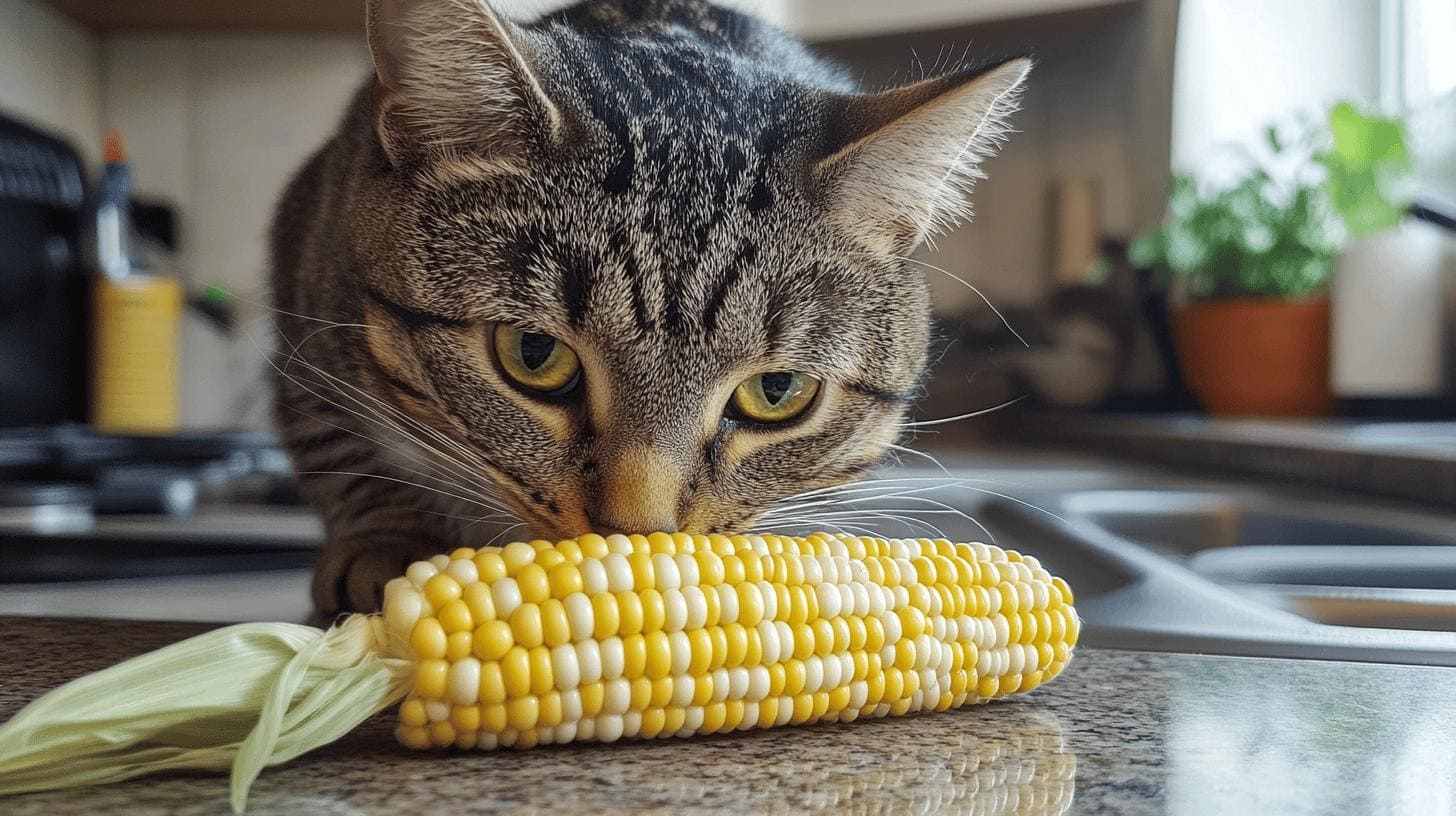
Cats are obligate carnivores, meaning their diet needs to be primarily meat-based. Corn, while not toxic, doesn't provide the essential nutrients that cats need to thrive. Cats require proteins and specific amino acids found predominantly in meat.
Corn lacks these critical components, making it an inadequate primary food source for our feline friends. While corn can be included in small amounts in some cat foods, it's not beneficial as it doesn't fulfill their dietary needs.
| Nutrient | Benefit for Cats |
|---|---|
| Carbohydrates | Limited energy source; not essential for cats |
| Fiber | Minor digestive aid but not crucial |
| Vitamins (e.g., B vitamins) | Minimal benefit; better obtained from animal sources |
| Protein | Insufficient quality compared to meat sources |
Despite its limited nutritional value, corn is often found in commercial cat foods. This is primarily because it's an inexpensive filler that helps bulk up the product. While it doesn't harm cats in small quantities, it should not be a staple in their diet.
Manufacturers use it to keep costs down, but it doesn't contribute significantly to a cat's nutritional health. Cats thrive on diets rich in high-quality animal proteins, so focus on those to meet their dietary needs.
Potential Risks of Feeding Corn to Cats
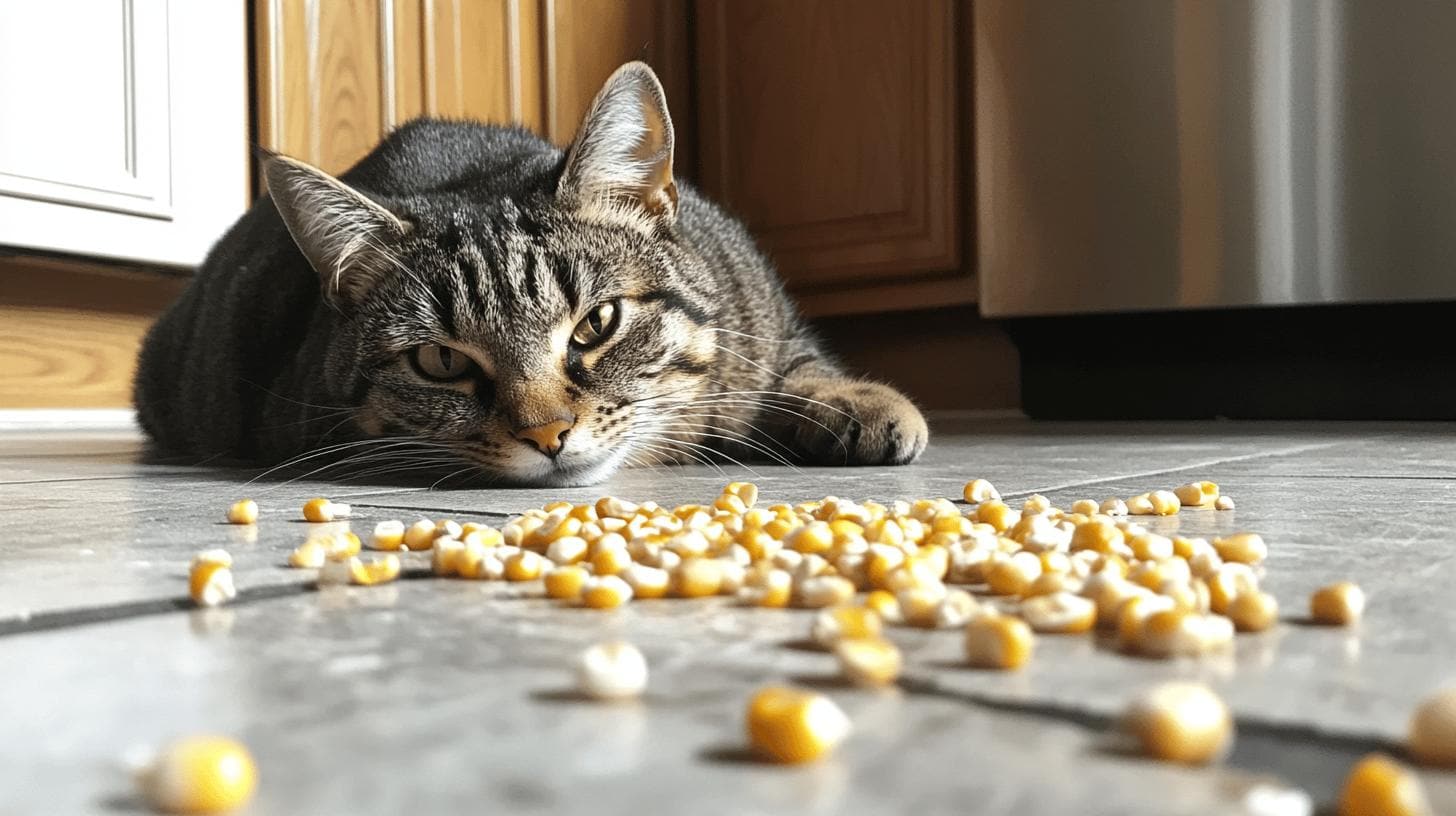
Feeding corn to cats can result in a variety of digestive issues. Cats' digestive systems are not designed to process large amounts of plant material, which can lead to problems. When cats consume corn, they might experience gastrointestinal disturbances.
Symptoms such as diarrhea, vomiting, and a decrease in appetite are common indicators that corn isn't agreeing with their stomachs. Additionally, corn husks pose a specific hazard as they can cause blockages in a cat's digestive tract. These blockages can result in severe discomfort and may require veterinary intervention.
- Diarrhea
- Vomiting
- Reduced appetite
- Bloating or gas
- Constipation
- Lethargy
Corn allergies, while less common, are another concern. Allergic reactions in cats can manifest in various ways, including skin irritations and respiratory issues. If a cat is allergic to corn, you might notice symptoms such as excessive itching, redness, or swelling on the skin. Respiratory signs like sneezing or coughing could also be present.
It’s crucial to observe your cat closely when introducing any corn products into their diet for the first time. Immediate veterinary attention may be necessary if any of these symptoms appear, to prevent the allergy from worsening and to ensure your cat's health and comfort.