
Ever caught your cat eyeing your plate of crackers and wondered if sharing is caring? Before you let your furry friend nibble on that crunchy snack, think again. Crackers might seem harmless, but they're not an ideal treat for your feline companion. Cats thrive on a protein-rich diet, while crackers are mostly carbohydrates that offer little nutritional value to them. In this article, we'll explore why crackers can be risky and introduce some safe alternatives to help you keep your cat healthy and happy.
Can Cats Eat Crackers Safely?
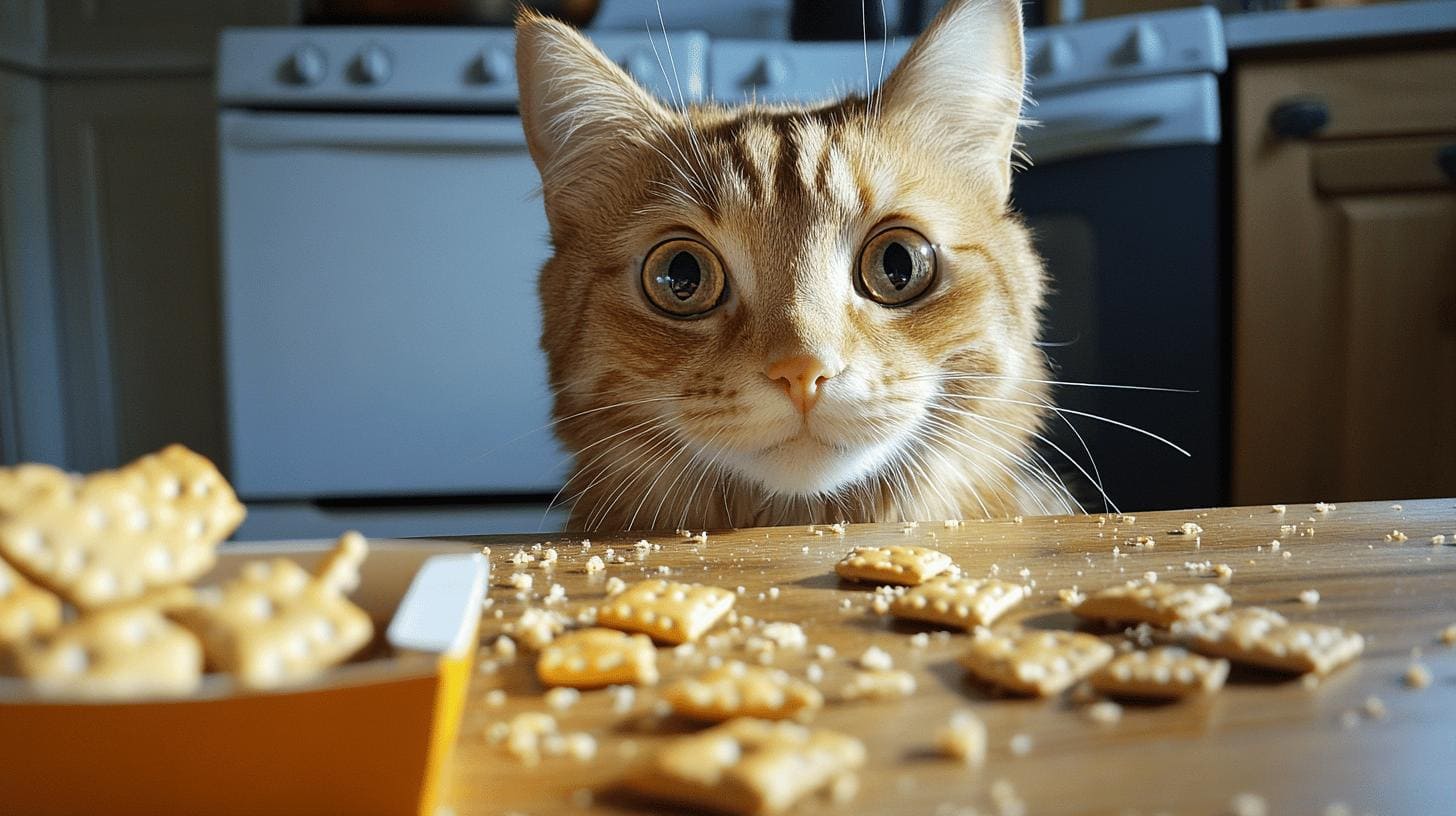
Cats can technically eat crackers, but they're not the best choice for a feline diet. Crackers offer little nutritional value since cats thrive on a carnivorous diet rich in proteins and fats. Crackers are primarily made up of carbohydrates, which aren't necessary for cats and can lead to weight gain if eaten often. While a small piece of cracker might not harm your cat immediately, it shouldn't become a regular treat.
Many crackers contain ingredients that are not suitable for cats. Salt, sugar, and artificial additives are commonly found in crackers and can pose health risks if consumed in large quantities. Some crackers might also include garlic or onion powder, both of which are toxic to cats. These ingredients can lead to a variety of health issues over time, making them an unsafe snack option for our feline friends.
When cats consume crackers, they might experience adverse reactions. Vomiting and diarrhea are common symptoms if the ingredients don't agree with their digestive systems. Cats have delicate stomachs and can react negatively to unfamiliar foods. If you notice your cat showing signs of discomfort after eating a cracker, it’s best to avoid giving them any more.
One of the major concerns with crackers is their high salt content. Consuming too much salt can lead to sodium ion poisoning in cats. Symptoms of this condition include vomiting, diarrhea, lethargy, and even seizures in severe cases. To keep your cat safe and healthy, it’s wise to steer clear of offering crackers as a treat. Instead, consider snacks that are specifically formulated for cats' dietary needs.
Nutritional Implications of Crackers for Cats
Crackers are high in carbohydrates, which are not suitable for a cat's carnivorous diet. Cats require proteins and fats from meat-based sources, and carbohydrates offer little nutritional value. Regular consumption can lead to weight gain and other health issues due to their inability to efficiently process carbs.
Here's a list of common ingredients in crackers that are unsuitable for cats:
- Carbohydrates
- Gluten
- Artificial additives
- Salt
- Sugar
These ingredients pose various health risks. Gluten can cause digestive issues in sensitive cats. Artificial additives and excessive salt may lead to high blood pressure or sodium ion poisoning. Sugar adds empty calories, increasing the risk of obesity. To protect your cat's health, it's best to avoid crackers and choose more suitable treats.
Healthier Alternatives to Crackers for Cats
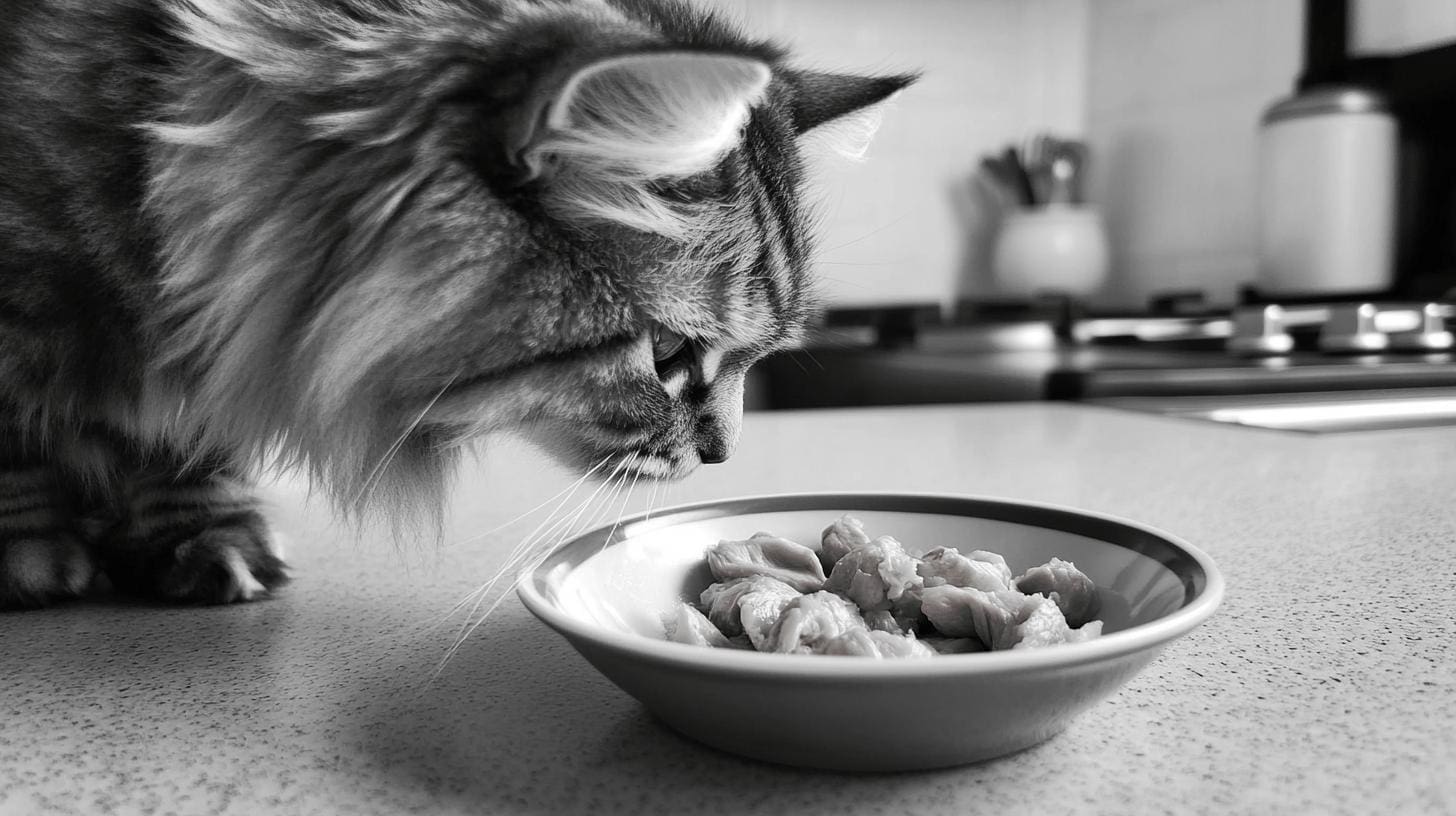
Choosing the right snacks for our feline friends is crucial for their health and well-being. Cats have specific dietary needs, primarily requiring meat-based proteins and fats. Snacks that align with these needs can support their health and prevent unnecessary weight gain or digestive issues. Offering inappropriate snacks, like crackers, can lead to health problems, so it's essential to select treats that are both enjoyable and nutritious for cats.
Instead of crackers, consider healthier alternatives that are more suitable for cats. Small pieces of cooked meat, such as chicken or turkey, can be excellent treats. These options are not only high in protein but also free from harmful additives commonly found in human foods. Additionally, commercial cat treats are designed to meet feline dietary requirements and provide a safe and tasty snack option. These treats are formulated with the nutritional needs of cats in mind, making them a reliable choice for pet owners.
| Snack Option | Nutritional Benefit |
|---|---|
| Cooked Chicken | High in protein |
| Cooked Turkey | Lean protein source |
| Commercial Cat Treats | Formulated for cats |
| Freeze-Dried Fish | Rich in omega-3 fatty acids |
Monitoring your cat when introducing new snacks is vital to ensure they don't have any adverse reactions. Even healthy alternatives can cause digestive upset if your cat is sensitive or allergic to specific ingredients. Start with small amounts and observe how your cat reacts before making any new treat a regular part of their diet. This careful approach helps maintain your cat's health and ensures their snacks are both safe and enjoyable.
