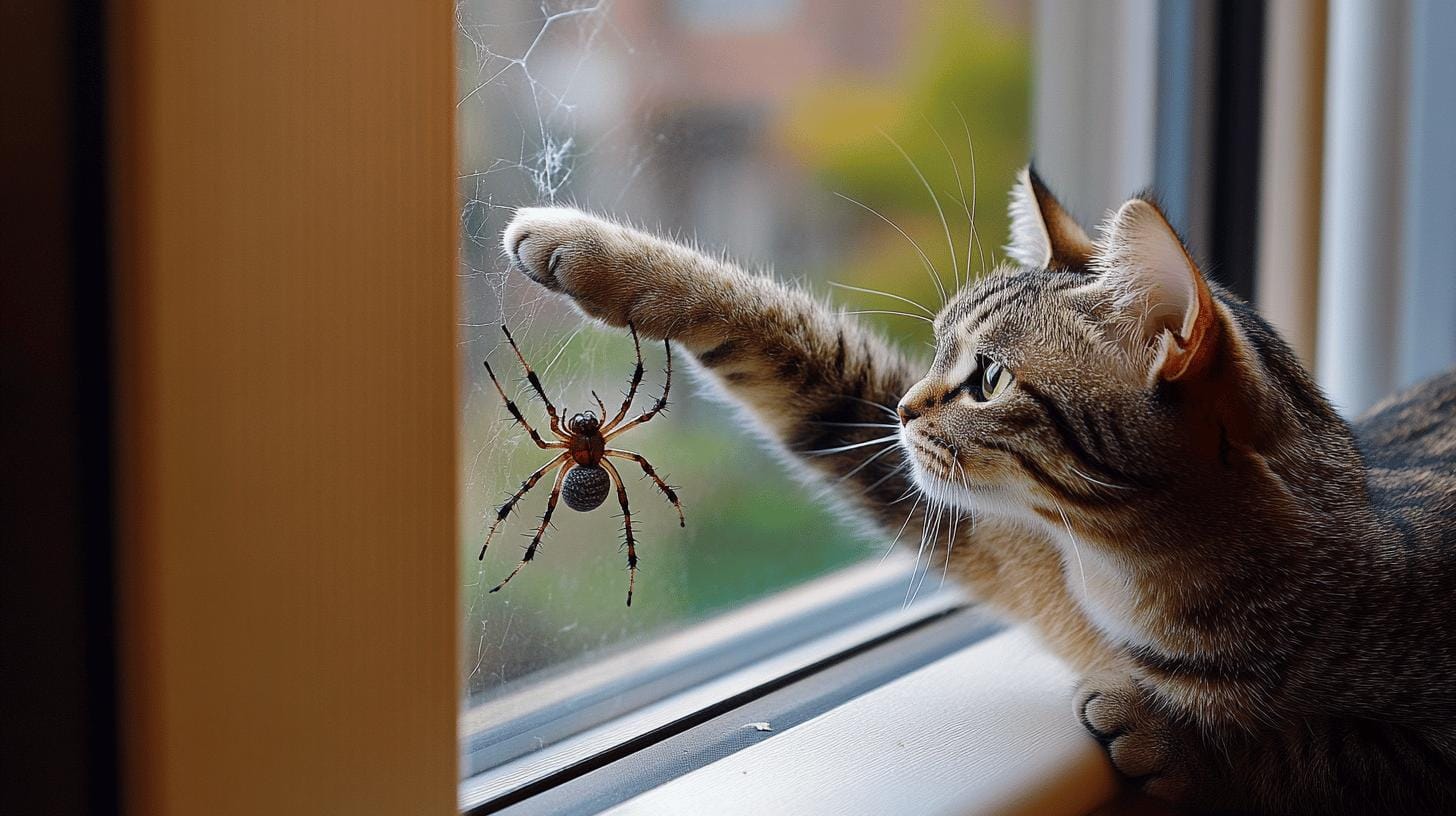
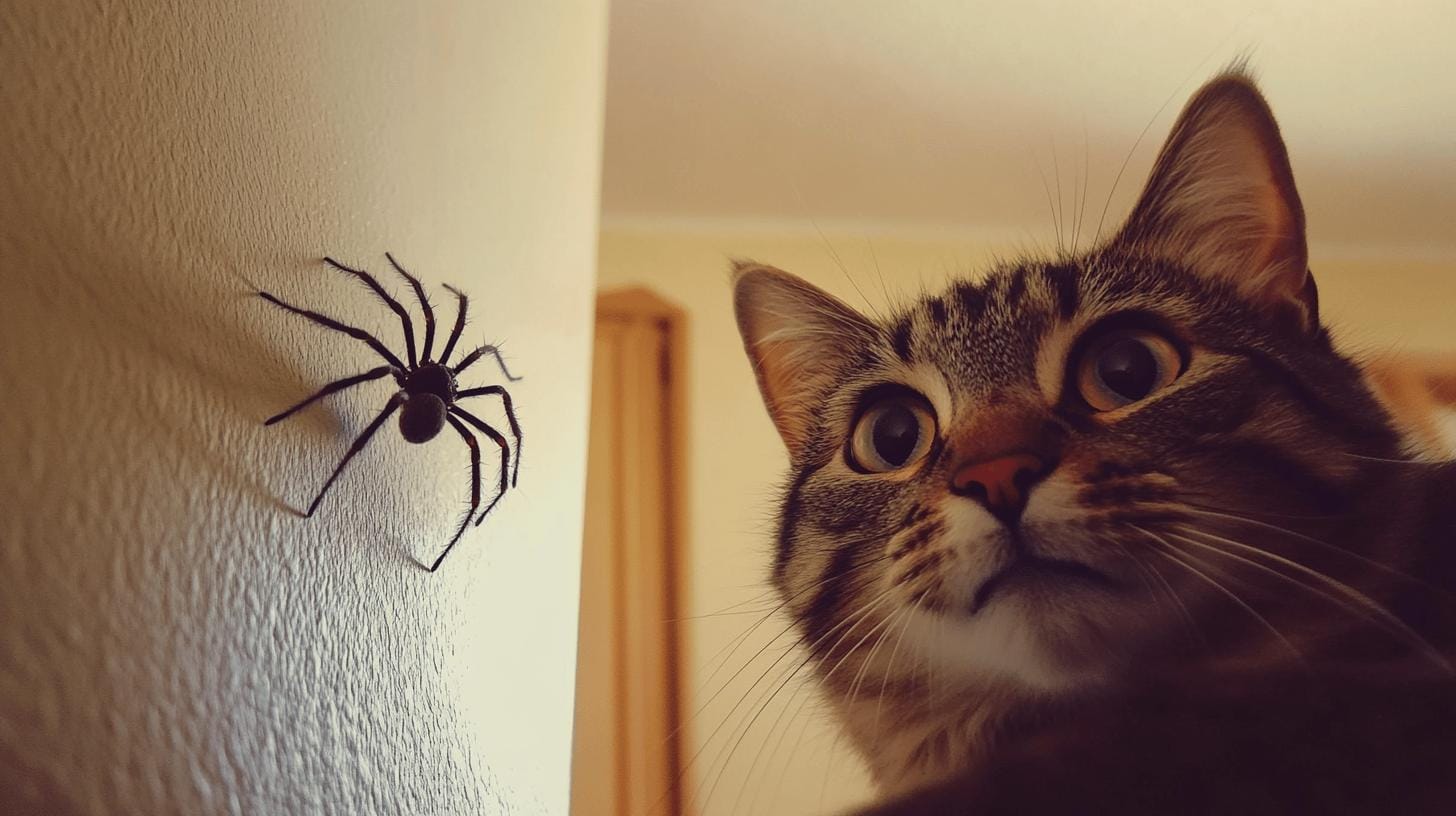
Ever caught your cat munching on a spider and panicked? The idea of our furry friends' diet including creepy crawlies might feel unsettling. But before you worry, understand this: most spiders aren’t harmful to cats. Your pet's playful nature makes chasing them inevitable. The usual cat stomach acid is an effective defense, neutralizing spider venom. While this sounds like a relief, recognizing signs of spider bites and knowing when to act can spare your cat discomfort. Let's uncover the full story behind cats and their eight-legged snacks.
Can Cats Safely Eat Spiders?
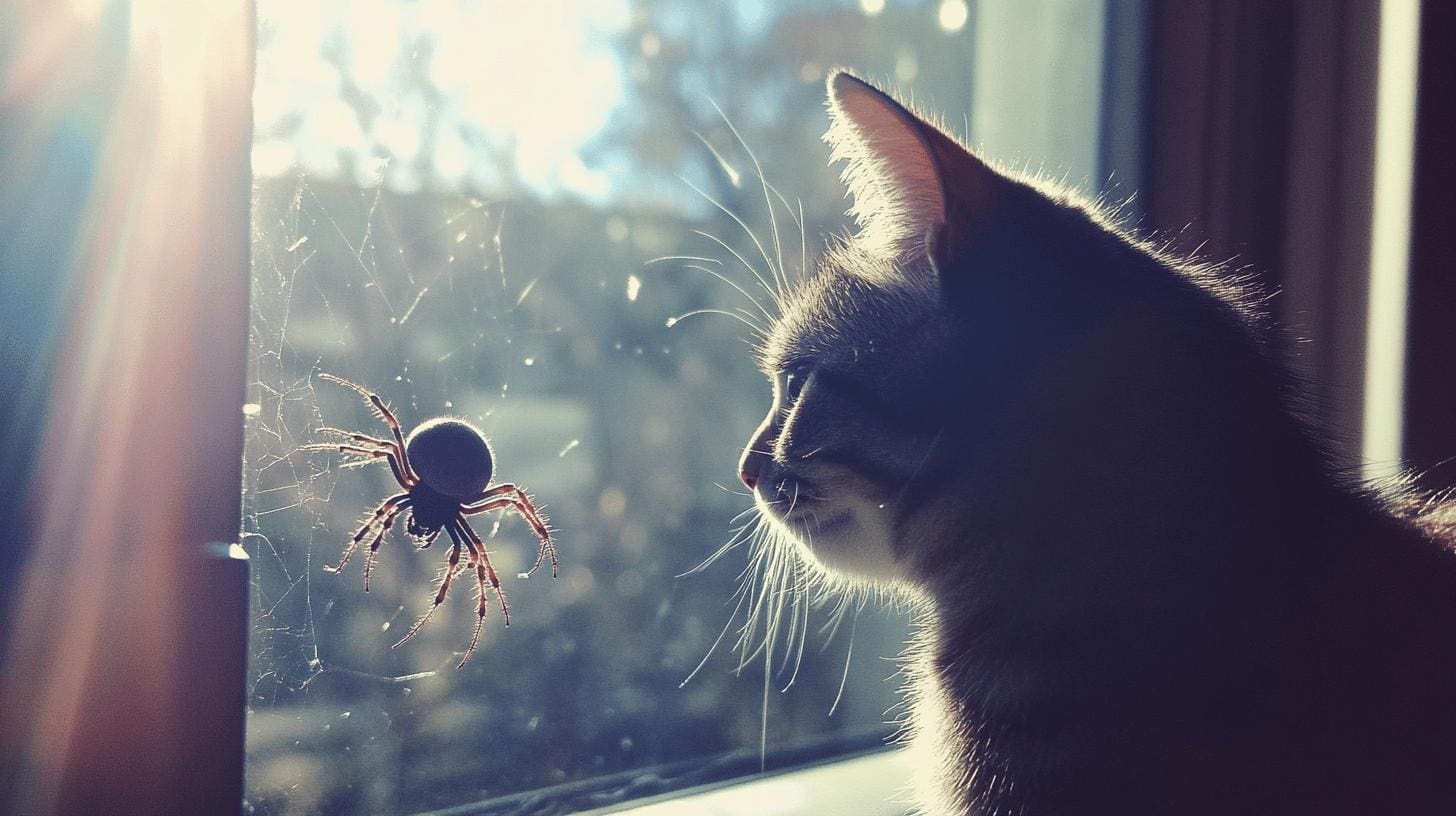
Most spiders are safe for cats to eat, which might surprise some pet owners. Cats are natural hunters, and their curiosity often leads them to catch small creatures like spiders. The good news is that the majority of spiders are not venomous enough to pose a threat to our feline friends. When consumed, the acid in a cat’s stomach is typically strong enough to neutralize any spider venom that might be present. This means that when a cat eats a spider, it's usually not a cause for concern.
- Cats’ stomach acid neutralizes spider venom effectively.
- Most spiders are not venomous enough to harm cats.
- Eating spiders is a part of cats' natural predatory behavior.
While eating spiders is generally safe, there are some potential risks to keep in mind. The primary concern is the possibility of bacterial infections from spider bites. If a spider manages to bite your cat before being eaten, the bite could lead to an infection. It's always a good idea to keep an eye on your cat after it has encountered a spider, just to be on the safe side.
Health Risks and Symptoms of Spider Bites in Cats
Cats are curious creatures, and their encounters with spiders can sometimes lead to bites. While most spider bites are not dangerous, there are certain health risks involved. Spider bites can cause various symptoms in cats, ranging from mild to severe. Common signs of a spider bite include swelling, redness, and noticeable pain at the bite site. These symptoms can be uncomfortable for cats and may require attention to prevent further complications. Some spiders, like the black widow, have venom potent enough to cause more severe reactions in cats, which can be alarming for any pet owner.
| Symptom | Severity |
|---|---|
| Swelling | Mild to Moderate |
| Redness | Mild |
| Pain at Bite Site | Moderate |
| Severe Swelling | Severe |
In more severe cases, a cat might experience symptoms like collapse, difficulty breathing, or widespread swelling. These reactions indicate a serious health risk and require immediate veterinary attention. Venomous spiders, such as the black widow, can cause life-threatening symptoms, although such encounters are rare. It's crucial for cat owners to be vigilant and monitor their pets for any unusual behaviors or signs following a spider bite. Prompt action can help mitigate risks and ensure the well-being of your feline companion.
What to Do if Your Cat Eats or Is Bitten by a Spider
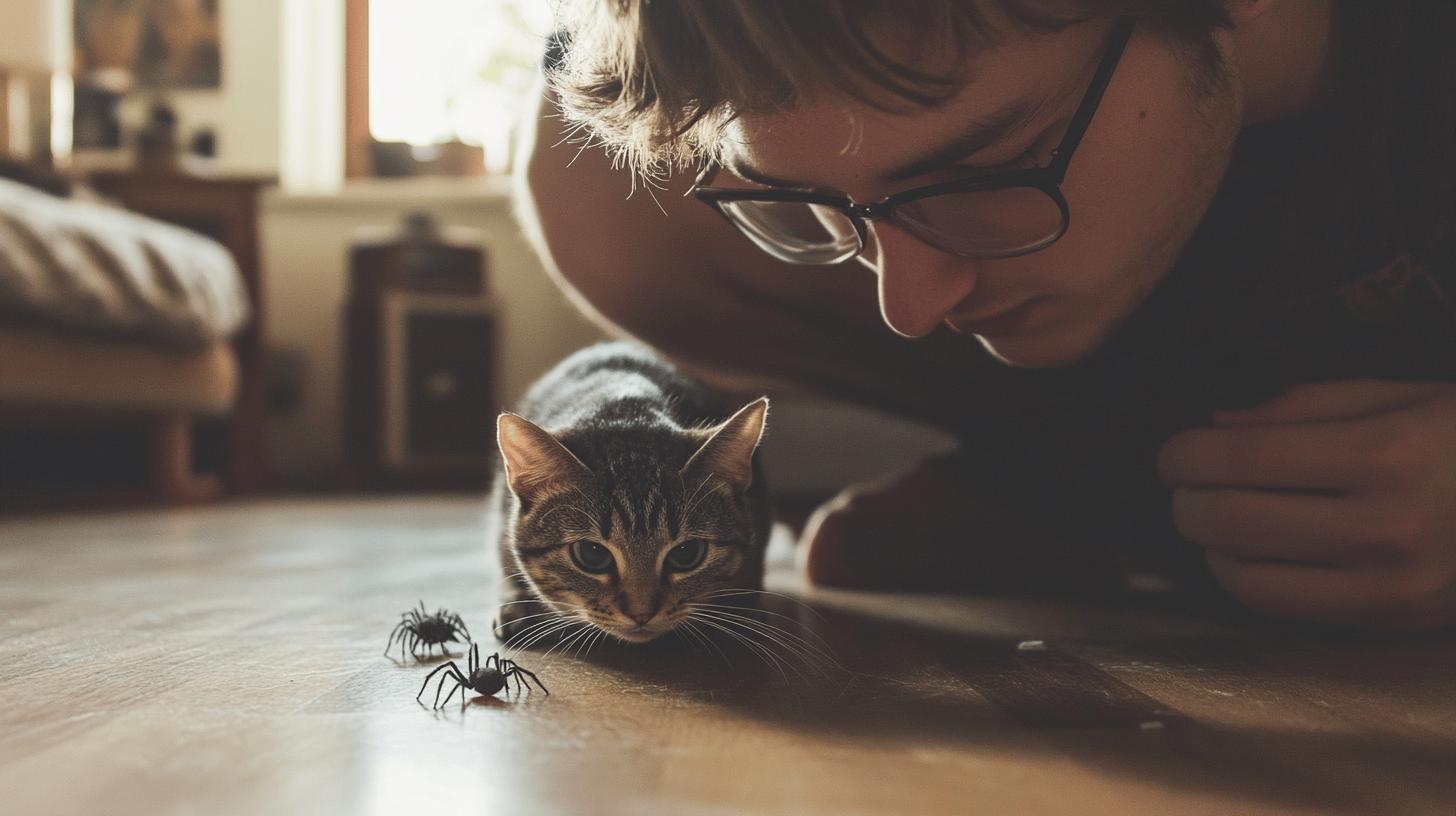
Monitoring your cat's health after an encounter with a spider is crucial. Cats are naturally curious and may not show immediate signs of distress. However, keeping a close eye on them can help detect any unusual behavior or symptoms early. If your cat has eaten a spider, they will likely be fine, but remaining vigilant is wise. This is especially true if you suspect the spider was venomous or if your cat has been bitten. Watching for changes in behavior or health can make all the difference in ensuring your cat's well-being.
- Observe your cat for any changes in behavior or health.
- Check for signs of swelling or redness at potential bite sites.
- Keep an eye on your cat's breathing and overall activity level.
- Ensure your cat has access to water and rest.
- Contact a veterinarian at the first sign of distress or severe symptoms.
In cases where your cat shows signs of distress, consulting a veterinarian promptly is essential. Veterinary advice is vital when dealing with potential spider bites, as the treatment depends on the symptoms and the type of spider involved. Quick action can help mitigate risks and ensure your pet receives the care they need.