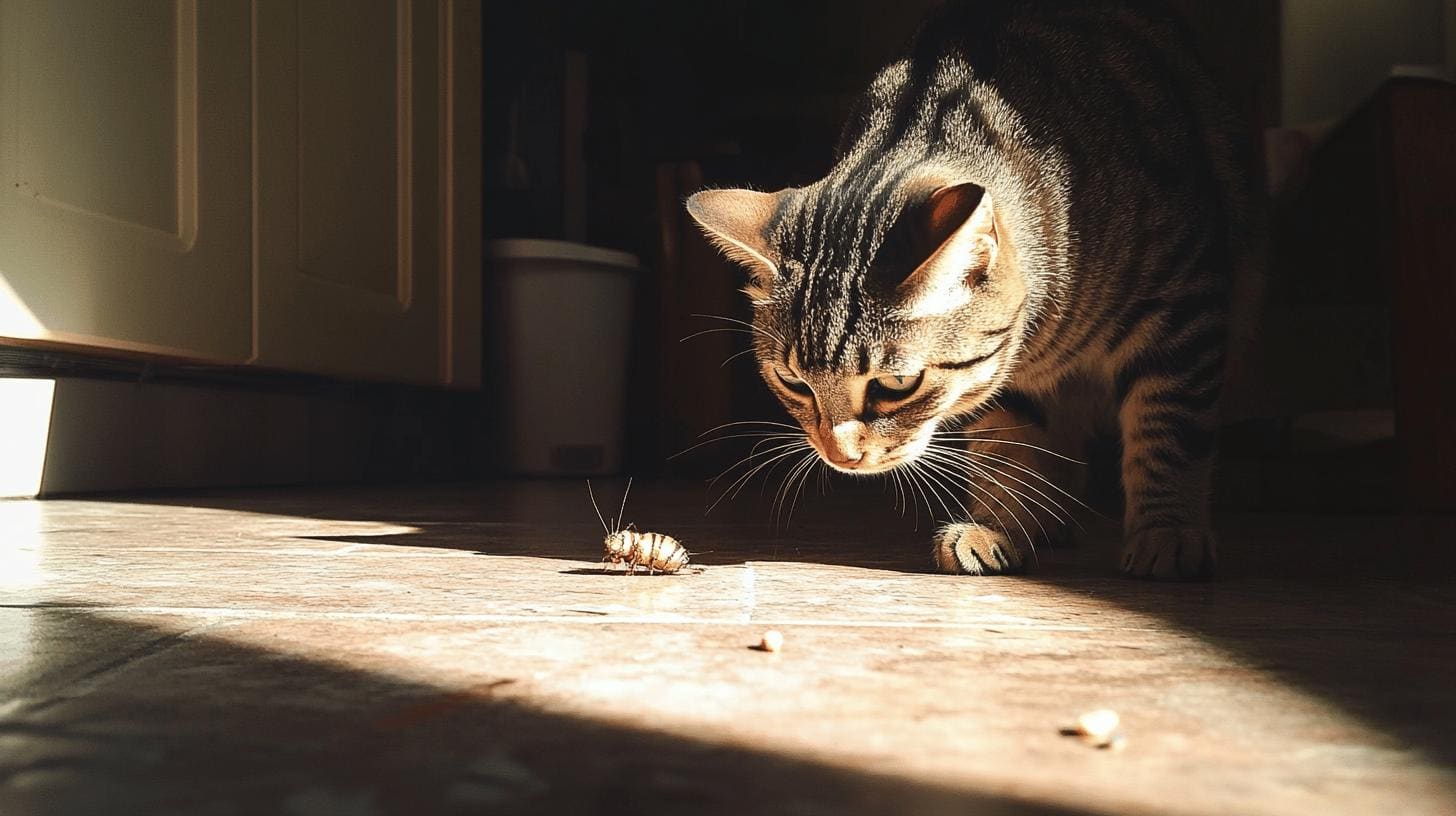
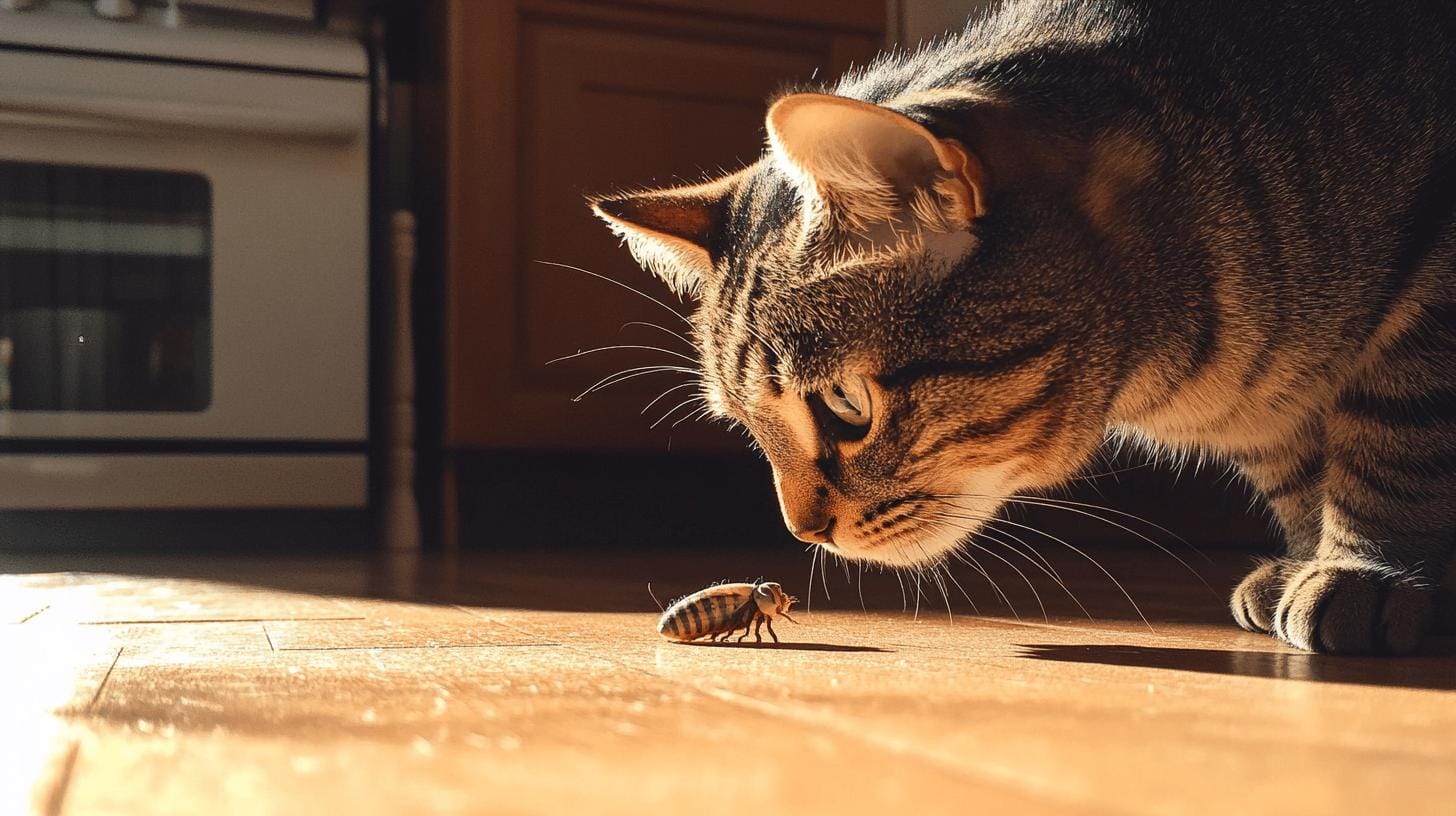
Have you ever wondered if the random cricket your cat chases could actually be dinner? Surprisingly, crickets aren't just wild playthings; they can be a safe and healthy snack.
Packed with protein, calcium, and iron, crickets might even rival beef in some nutritional areas! But are there any hidden drawbacks to feeding them to your feline friend? In this blog post, we'll explore whether crickets are a cat's next superfood or a snack to skip, keeping your cat's safety and health in mind.
Can Cats Safely Eat Crickets?
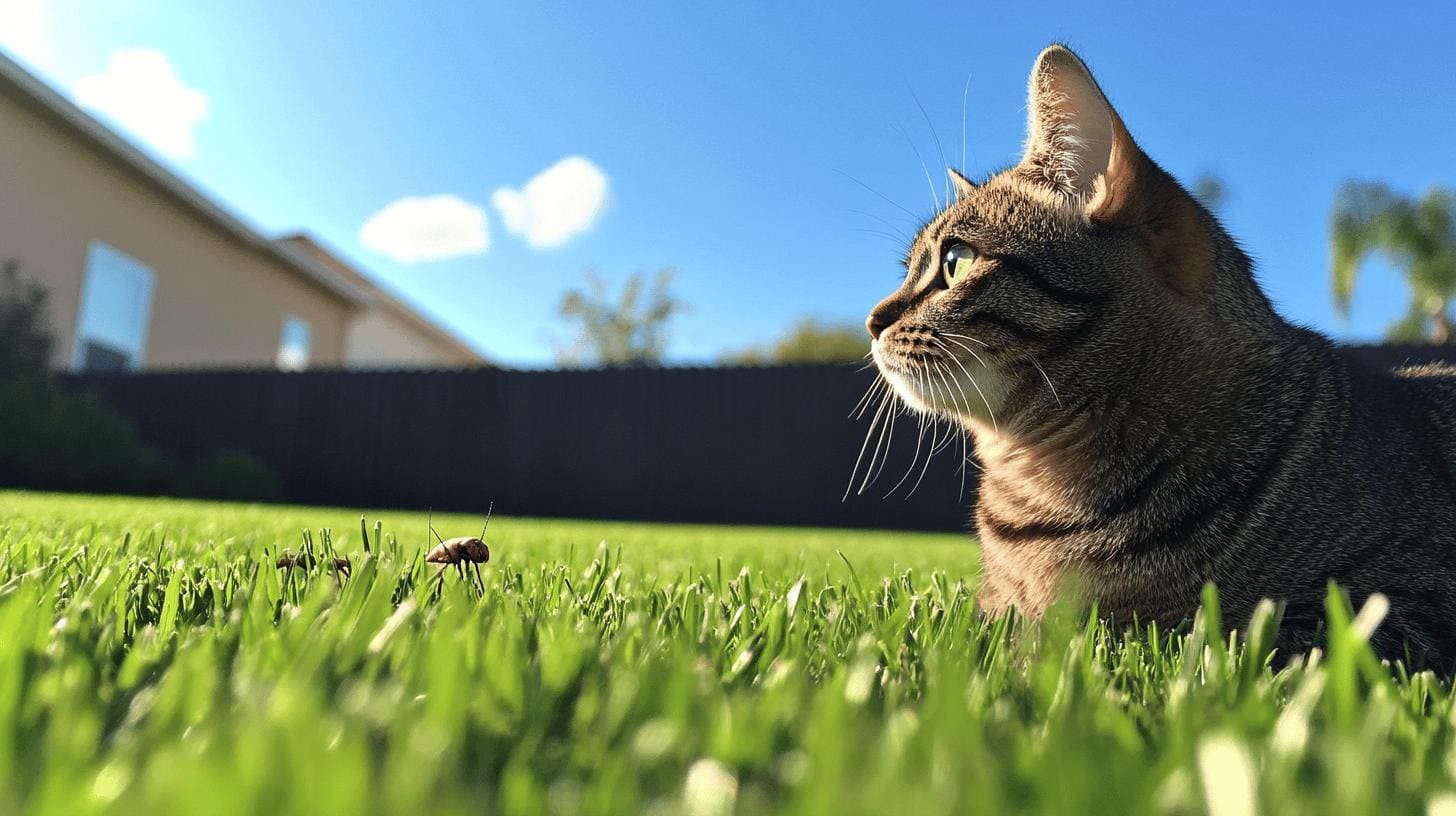
Yes, cats can safely eat crickets, and these insects can provide some nutritional benefits as well. Crickets are high in protein, and they offer essential nutrients like calcium and iron, surpassing even beef in some nutritional aspects. Despite their small size, crickets can be a valuable protein source for cats. However, cats would need to consume a significant amount to gain substantial nutritional benefits.
While crickets are non-toxic and non-venomous, there are some risks associated with feeding them to cats. Their hard exoskeleton can cause gastrointestinal upset, especially in cats with sensitive stomachs.
Additionally, crickets can carry internal parasites, posing a low risk to healthy cats but potentially more concerning for those with compromised immune systems. There's also a chance of chemical toxicity if crickets have been exposed to insecticides.
It's important to monitor your cat's health when introducing crickets or any new food to their diet. Watch for any signs of allergic reactions or digestive issues, such as vomiting or diarrhea. If any concerning symptoms arise, consult with your veterinarian to ensure your cat's well-being.
Nutritional Benefits of Crickets for Cats
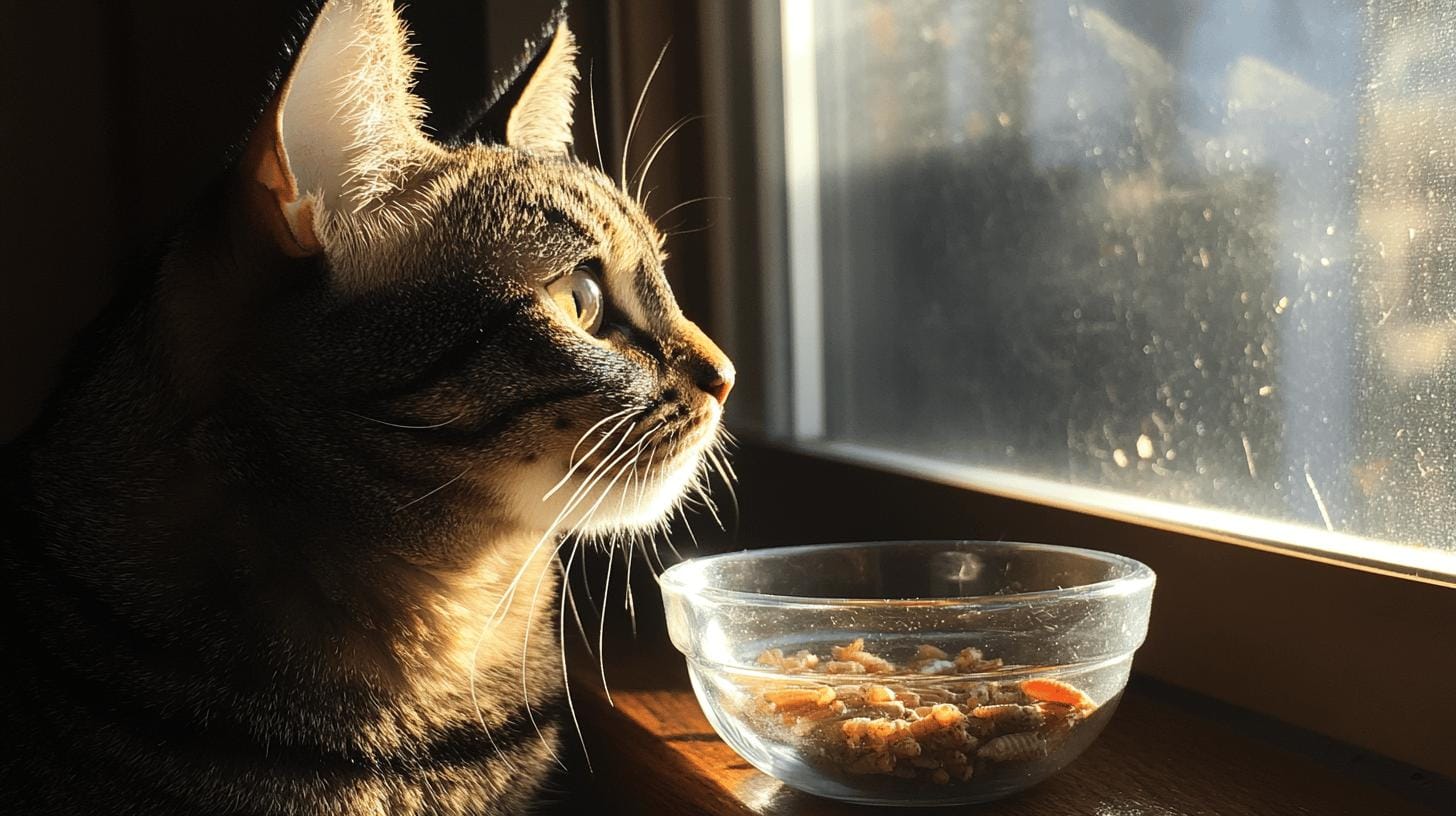
Crickets offer a sustainable protein source with a lower environmental impact compared to traditional meats. They require less land, water, and energy, making them an eco-friendly option. Crickets can be easily incorporated into a cat's diet as a nutritious supplement to their regular food.
| Nutrient | Benefit |
|---|---|
| Protein | Essential for muscle growth and repair |
| Calcium | Supports strong bones and teeth |
| Iron | Vital for oxygen transport in the blood |
| Taurine | Crucial for heart and eye health |
Taurine is specifically vital for cats, as they cannot produce enough of it on their own. It supports heart health and vision, making it a crucial addition to their diet. When you compare crickets to other protein sources like chicken or fish, crickets offer a compact nutritional profile that includes these essential nutrients. Integrating crickets into your cat's diet can provide variety and enhance their overall nutrient intake without replacing their main protein sources.
Understanding Cats' Instinctual Behavior Towards Crickets
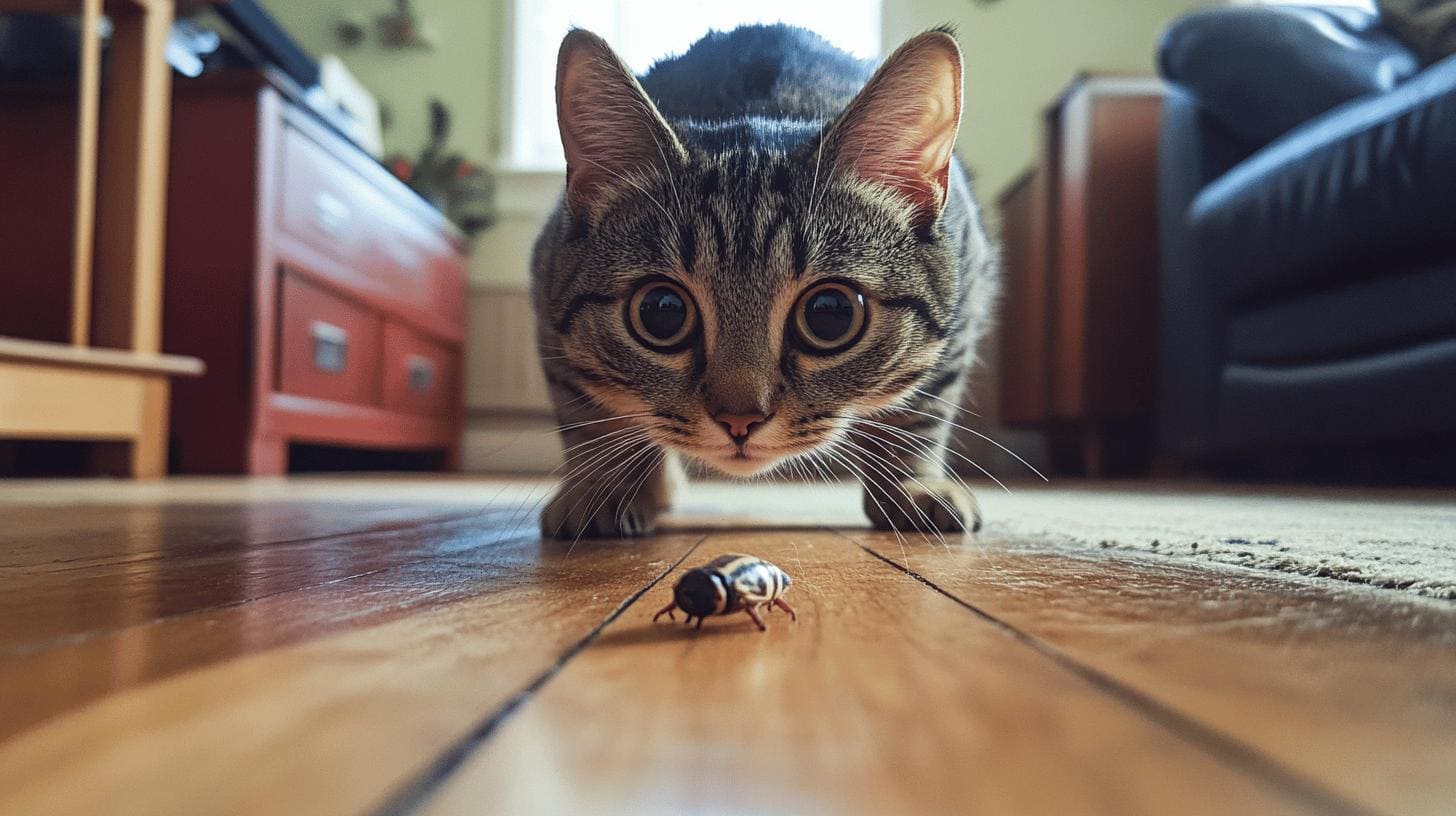
Cats are natural hunters, and their instinctual behavior often drives them to chase and eat bugs, including crickets. This behavior is not necessarily due to a nutritional need, but rather a response to the quick and unpredictable movements of crickets that trigger a cat's hunting instincts. Watching a cricket hop and dart around can be an irresistible invitation for a cat to pounce, swat, and even munch on the insect.
Here are some other insects that cats commonly hunt:
- Moths: Their fluttery movements are enticing to cats.
- Flies: Quick and erratic, these are often targets for playful cats.
- Beetles: Their slow crawl makes them an easy catch for curious cats.
Engaging in these hunting behaviors can be quite beneficial for a cat's mental stimulation. The thrill of the chase helps satisfy their natural predatory instincts, which is essential for their mental well-being.
It also provides a physical outlet, keeping them active and entertained. While it's essential to monitor what they catch, allowing cats to explore these instincts can contribute positively to their overall health and happiness.