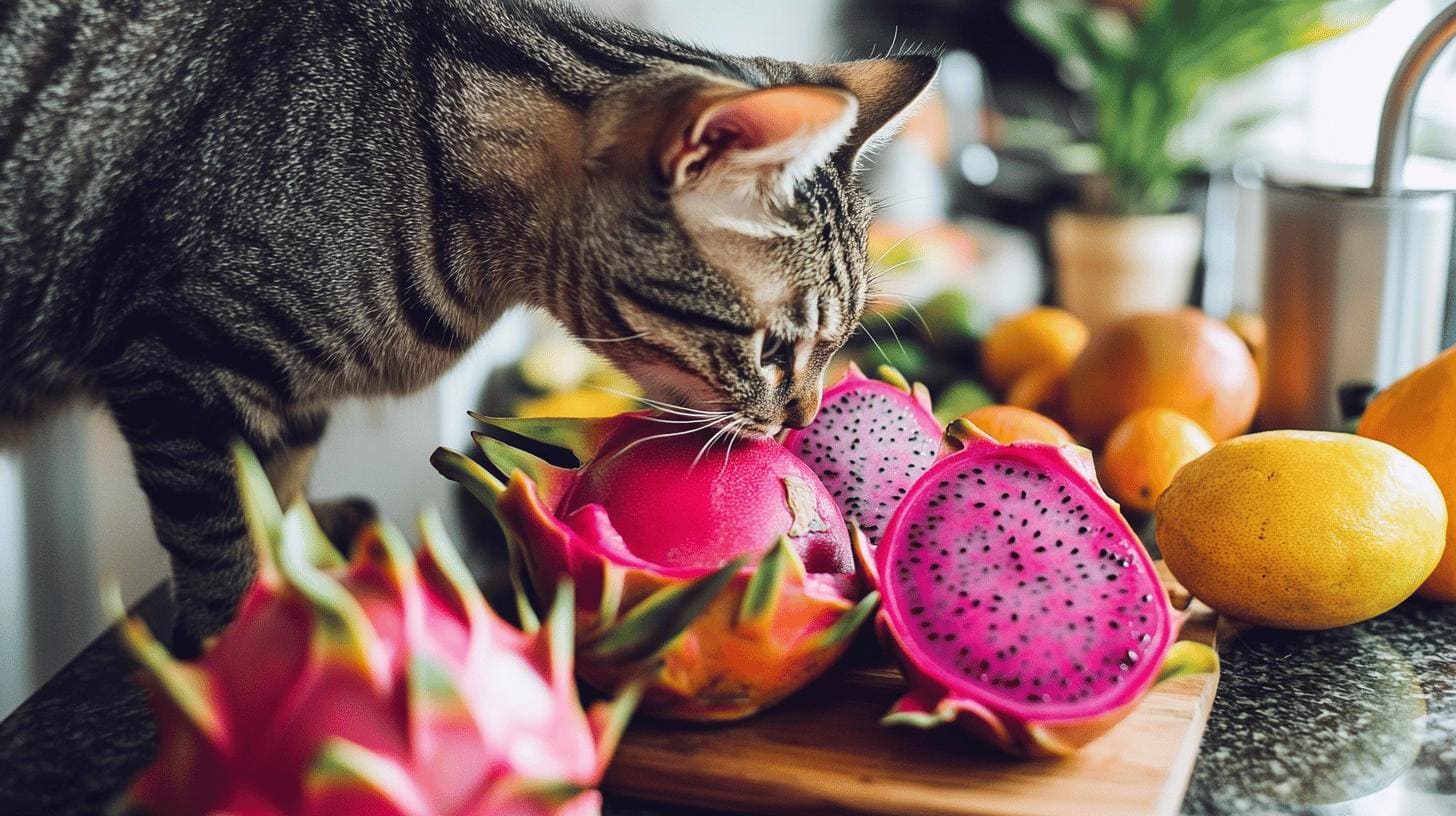
Ever wondered if your cat could munch on dragon fruit without a hitch? It's a question many cat lovers ponder. Dragon fruit is vibrant and tempting, but is it safe for your feline friend? The good news is that cats can safely nibble on dragon fruit. According to experts, this exotic fruit is non-toxic, but moderation is vital. It’s not a replacement for their meaty meals. Before you let your cat sample this tropical treat, explore the benefits and potential risks to ensure a safe taste test.
Can Cats Eat Dragon Fruit?
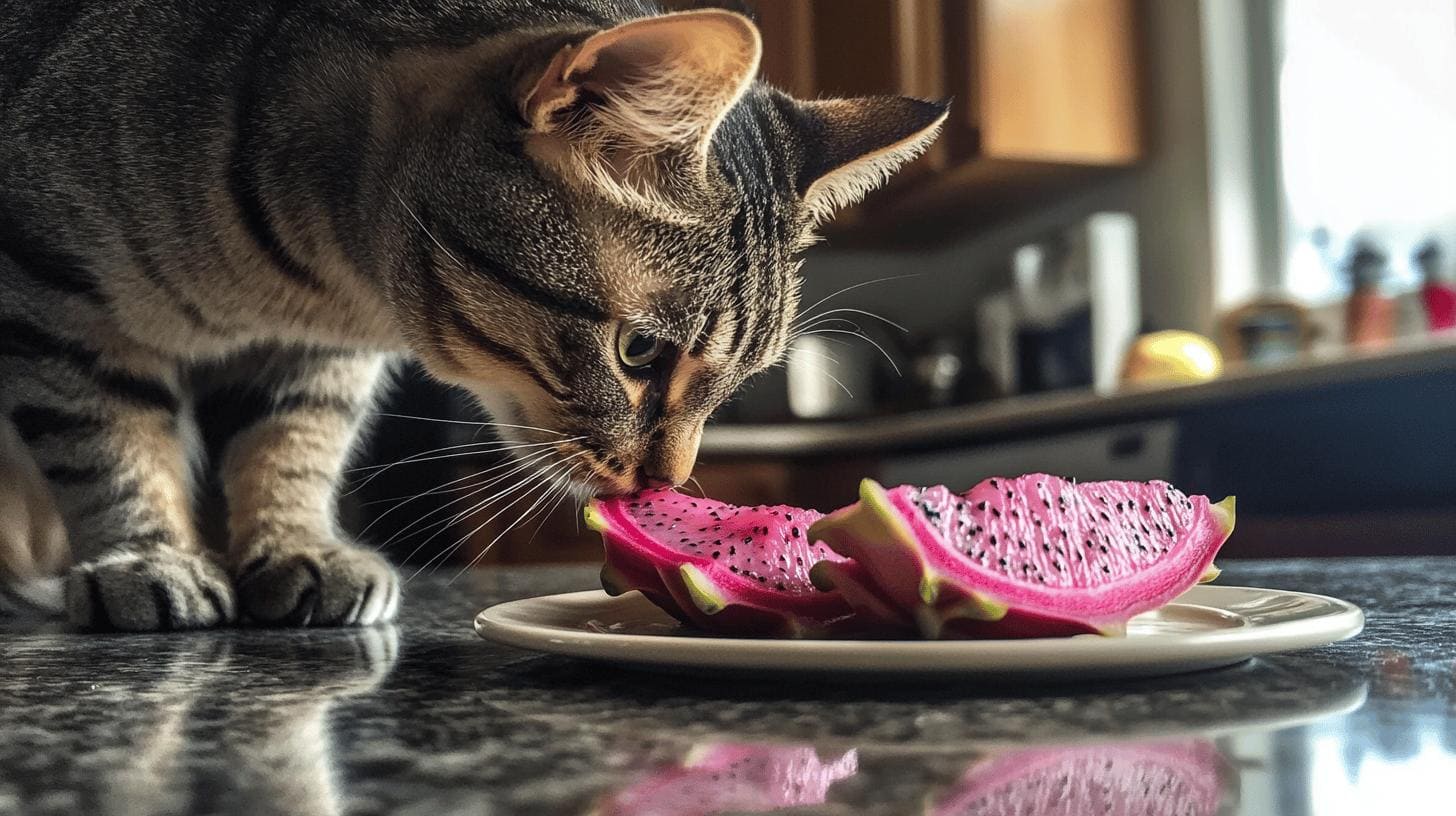
Yes, cats can eat dragon fruit safely. According to the ASPCA, dragon fruit is non-toxic to cats, including both the plant and its fruit. It doesn't contain any harmful compounds that might jeopardize a cat's health. However, like with any treat outside their regular diet, moderation is key. A few bites of dragon fruit can be a fun, occasional treat, but it should never replace the animal proteins that are essential to their diet.
Even though dragon fruit is safe, cats might not find it particularly appealing. The flesh of dragon fruit is low in calories and sweet, but sweetness isn't something cats detect. Cats lack taste receptors for sweetness, making it unlikely they will crave or show interest in eating dragon fruit. This means that while offering a small piece won't harm them, you might find your feline friend uninterested in this exotic fruit.
Health Benefits and Risks of Dragon Fruit for Cats
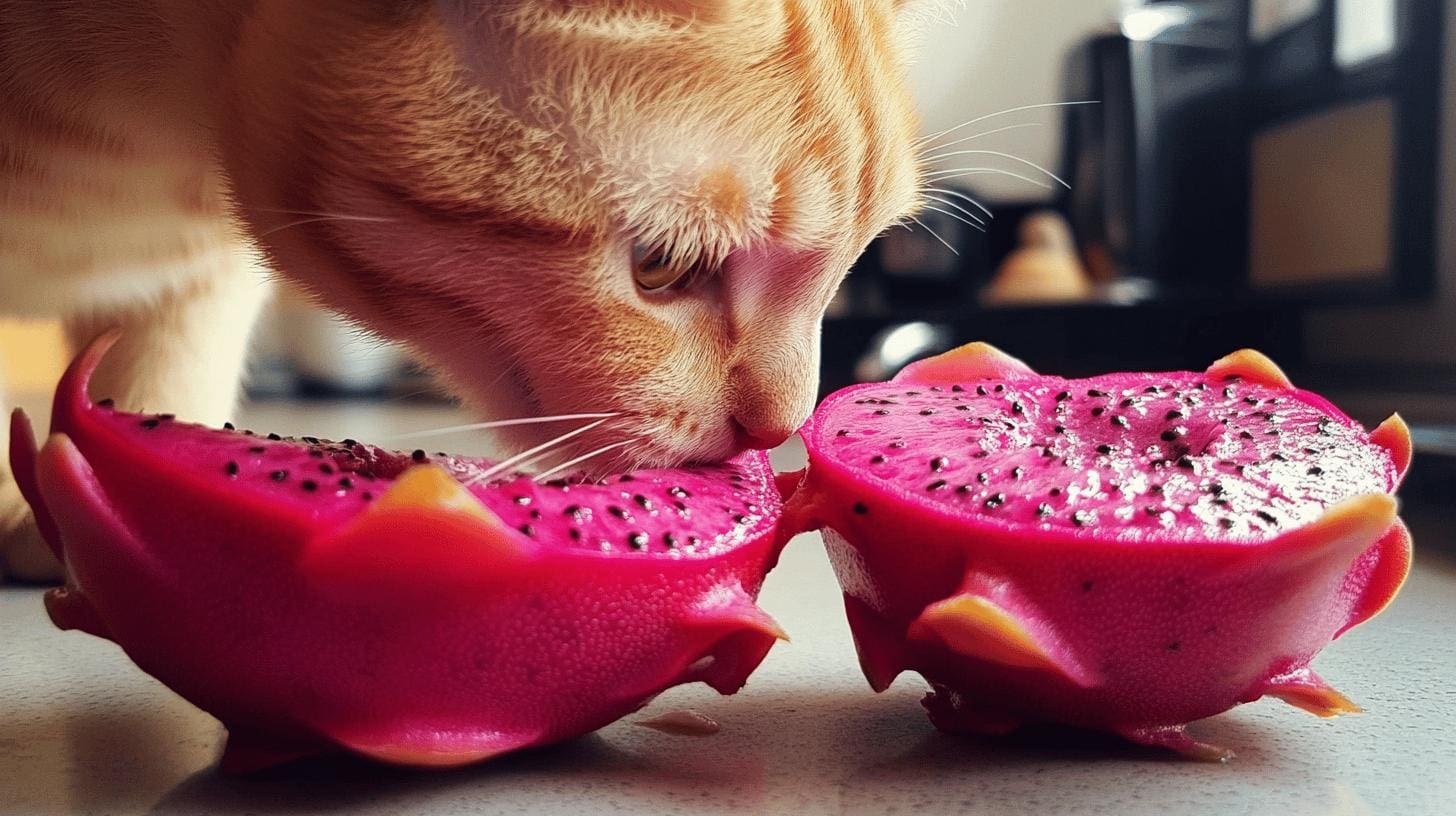
Dragon fruit is packed with nutrients like vitamin C, fiber, and antioxidants, which can offer some health benefits for cats. Vitamin C supports the immune system, fiber aids digestion, and antioxidants help minimize free radical damage. While these nutrients are beneficial, remember that cats need animal proteins as their primary nutrition since they are obligate carnivores.
Feeding your cat too much dragon fruit can pose potential risks:
- Digestive issues: High fiber can lead to constipation or diarrhea.
- Nutritional imbalance: Overconsumption can cause a lack of essential nutrients.
- Choking hazards: Improperly prepared pieces might be a choking risk.
- Allergic reactions: Though rare, gradual introduction is recommended.
- Vitamin imbalances: Excessive fruit intake could disrupt vitamin levels.
Moderation is key when offering dragon fruit to your cat. A small amount can be an occasional treat, but it should not replace the meat-based diet crucial for their health. Keep animal proteins at the core of their meals to ensure they receive all necessary nutrients, maintaining their well-being and happiness.
Guidelines for Feeding Dragon Fruit to Cats

When serving dragon fruit to your cat, proper preparation is crucial. Start by removing the seeds, as they might pose a choking hazard or lead to digestive issues. The skin of the dragon fruit is tough and not easily digestible, so peel it off and only offer the soft inner flesh. This way, you ensure your cat gets to taste a bit of this exotic treat without facing any unnecessary risks.
Here are some safe feeding practices to follow:
- Offer only small amounts at a time.
- Gradually introduce dragon fruit to monitor any reactions.
- Ensure all seeds are removed.
- Remove the skin before serving.
- Serve as an occasional treat, not a meal replacement.
- Observe the cat for any signs of distress after eating.
| Feeding Practice | Description |
|---|---|
| Offer Small Amounts | Give just a few bites to avoid digestive overload. |
| Introduce Gradually | Start with a tiny piece to check for tolerance. |
| Remove Seeds | Ensure all seeds are taken out before serving. |
| Peel Skin | Only the inner flesh should be given to cats. |
| Treat, Not a Meal | Use dragon fruit as a rare treat, not a diet staple. |
| Monitor Reaction | Watch for any adverse effects post-consumption. |
For practical tips, chop the fruit into bite-sized pieces to make it easier for your cat to eat. Doing so reduces the risk of choking and ensures that your cat can handle the texture. Always keep a close eye on your feline friend while they explore this new snack, and be ready to consult your vet if you notice any unusual behavior or digestive upset.