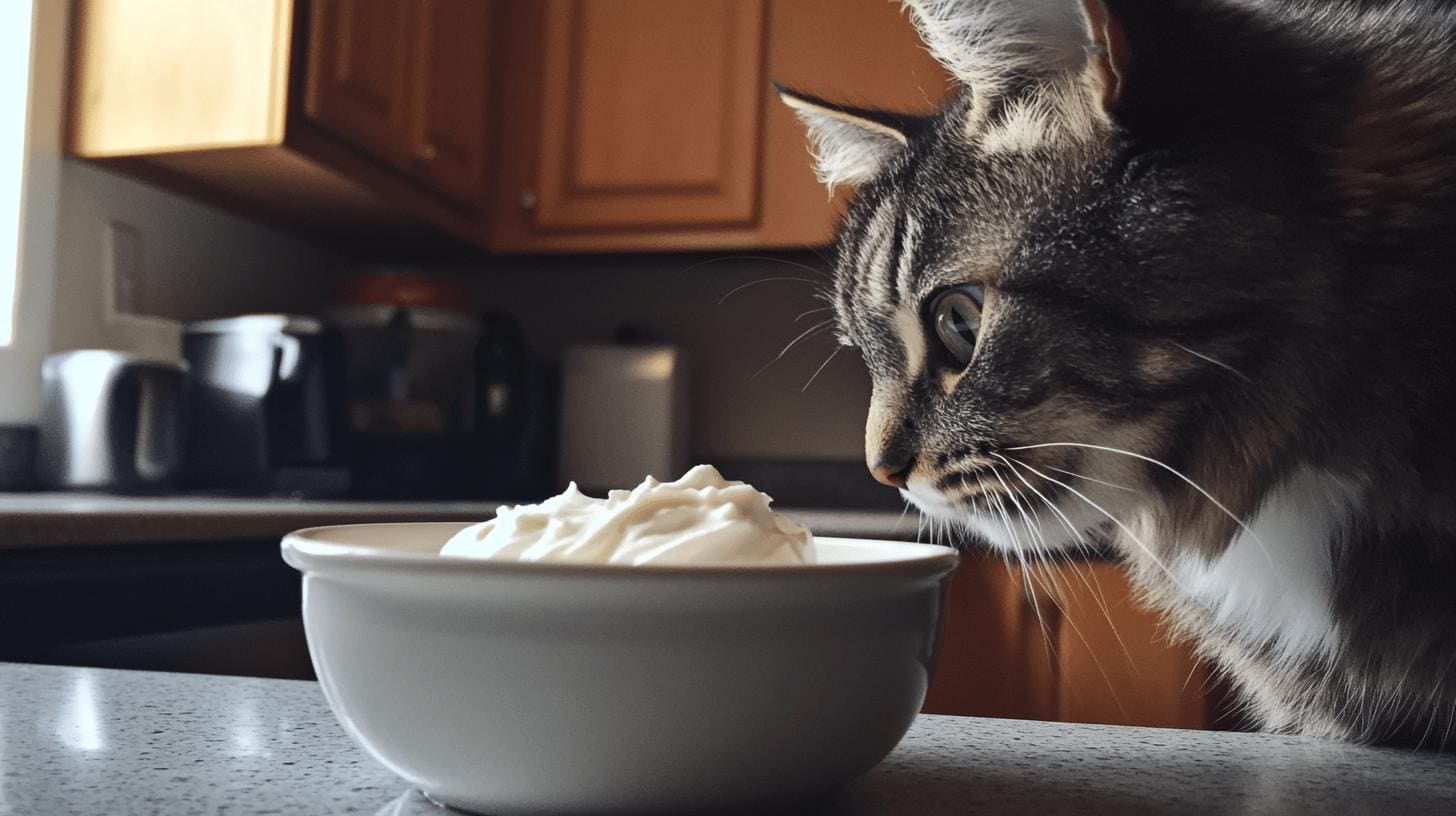
Ever wondered if whipped cream is a safe treat for your cat? It might seem harmless, but the reality is more complex. While not toxic, whipped cream's high lactose content can upset your cat's stomach, and the sugar and fat make it an unhealthy option. Many adult cats are lactose intolerant, which means indulging in whipped cream could lead to digestive problems. Before sharing this sweet treat with your furry friend, consider the potential health risks and learn why moderation is key. Let's explore the truth about cats and whipped cream.
Can Cats Eat Whipped Cream?
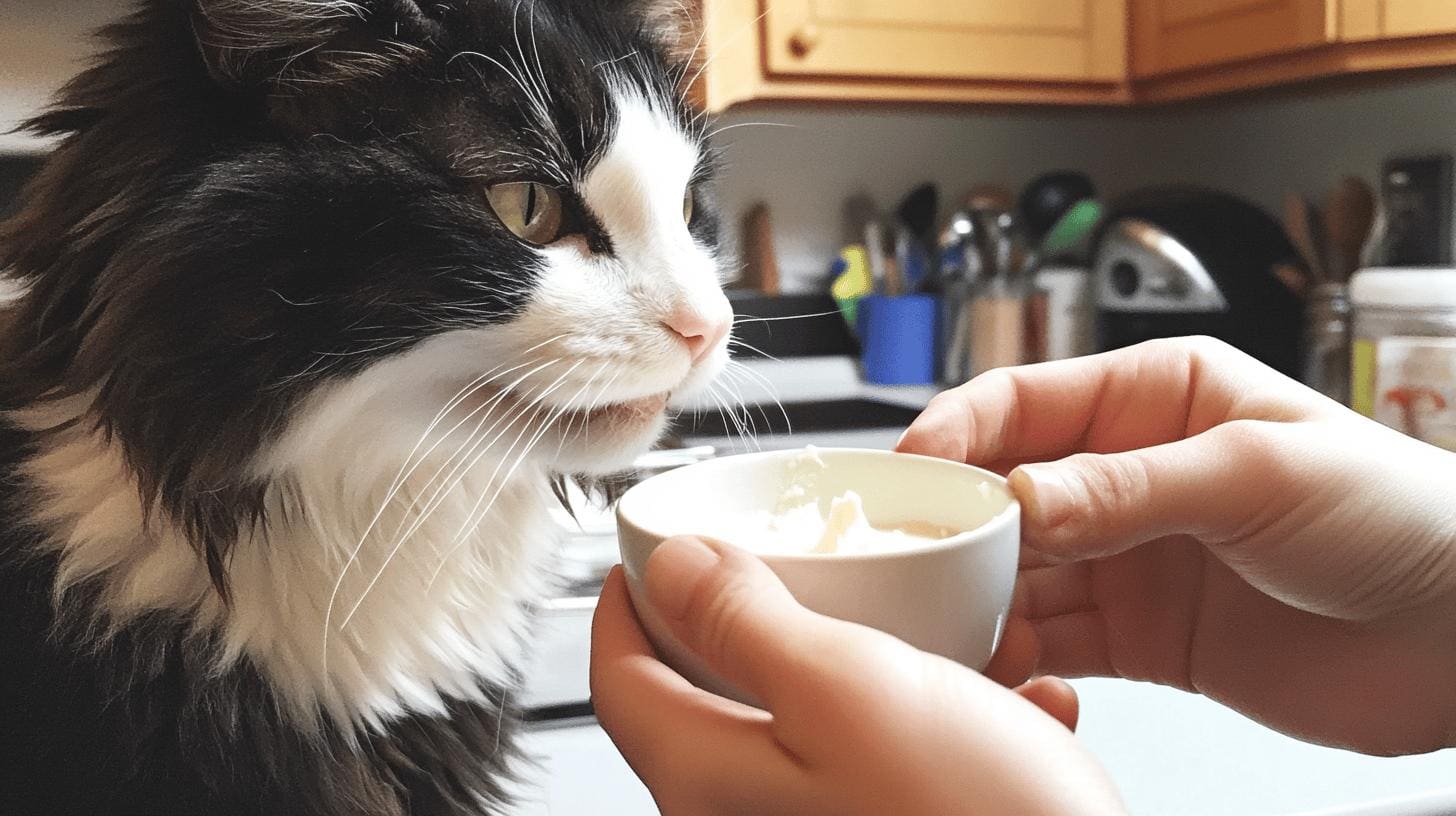
Whipped cream may seem like a tempting treat to share with your feline friend, but it's important to consider whether it’s truly safe for them. While whipped cream is non-toxic for cats, it isn't an ideal treat due to its lactose content, which many adult cats struggle to digest. This can lead to lactose intolerance, causing various digestive issues. The combination of sugar and fat also makes it unsuitable as a regular part of their diet. While the occasional small taste might not harm your cat, it's crucial to monitor them for any adverse reactions that may follow.
- Lactose intolerance in cats
- Occasional small tastes recommended
- Potential digestive upset
- Non-toxic but not ideal
- Monitor for adverse reactions
Potential Health Risks of Whipped Cream for Cats
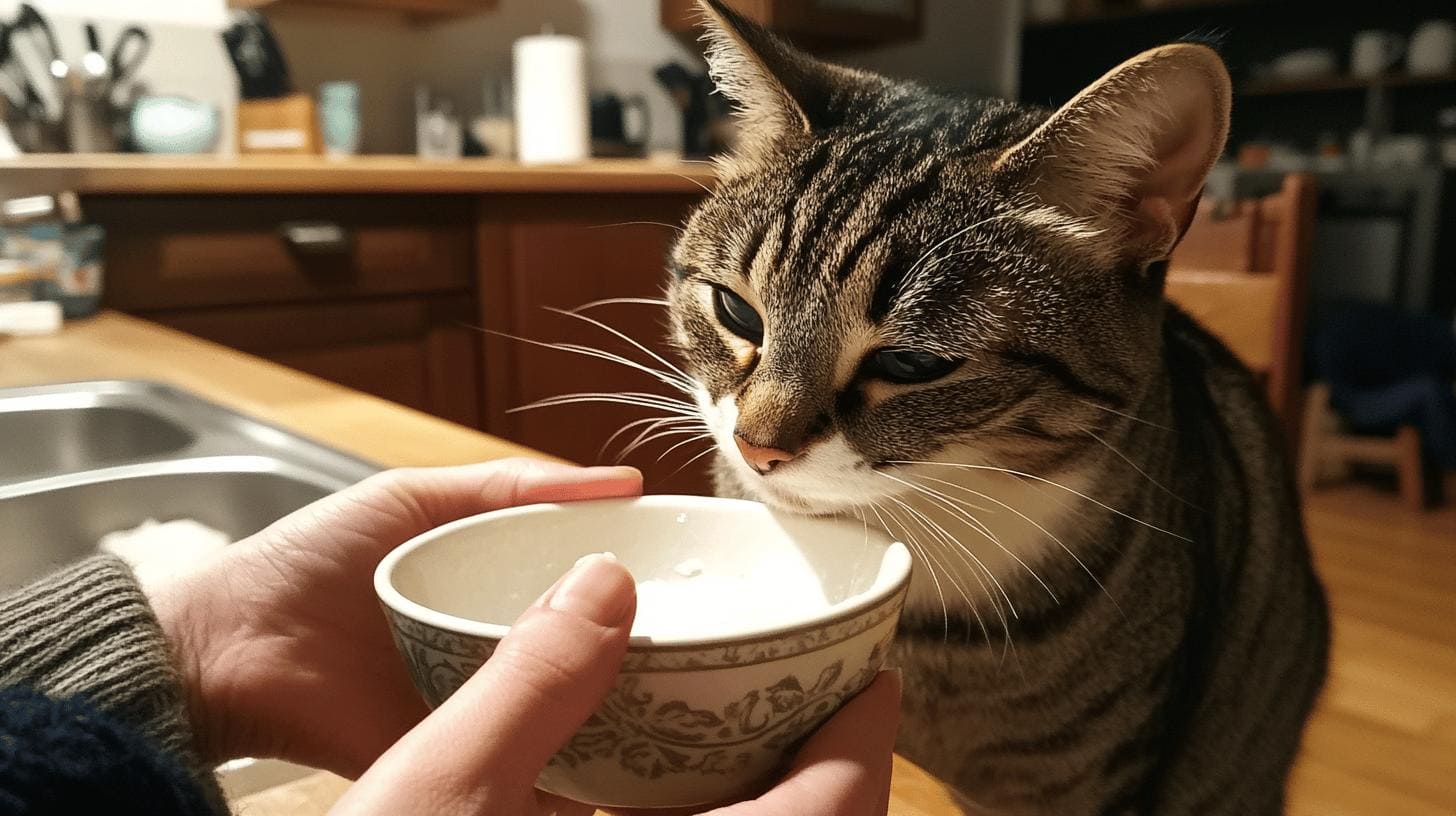
When considering the potential dangers of whipped cream for cats, the presence of added sugars and additives is a significant concern. These ingredients, often included to enhance flavor and texture, can be detrimental to a cat's health. Cats are obligate carnivores, meaning their bodies are not designed to process high sugar content. Consuming these sugars can lead to an increased risk of developing obesity and diabetes over time. Additionally, some whipped creams may contain artificial sweeteners like xylitol, which is toxic to cats and can cause severe reactions.
Another health effect of whipped cream on cats is the potential for weight gain. Whipped cream is high in fat, which can contribute to obesity if consumed regularly. An overweight cat is at risk for numerous health issues, including joint problems, heart disease, and a reduced lifespan. The nutritional risks of whipped cream for cats are clear when considering the high-calorie content combined with minimal nutritional benefits. This can lead to an imbalance in their diet, further exacerbating weight-related concerns.
Feeding whipped cream to cats can result in empty calorie intake, which is unsuitable for their dietary needs. Cats require a diet rich in meat-based protein and specific nutrients, none of which are provided by whipped cream. When cats consume foods like whipped cream that offer no real nutritional value, it can lead to deficiencies in essential nutrients. This lack of proper nutrition can impact their overall health, leading to a variety of health problems. It's crucial to stick to cat-friendly foods that support their well-being rather than indulging them in human treats like whipped cream.
Alternatives to Whipped Cream for Cats
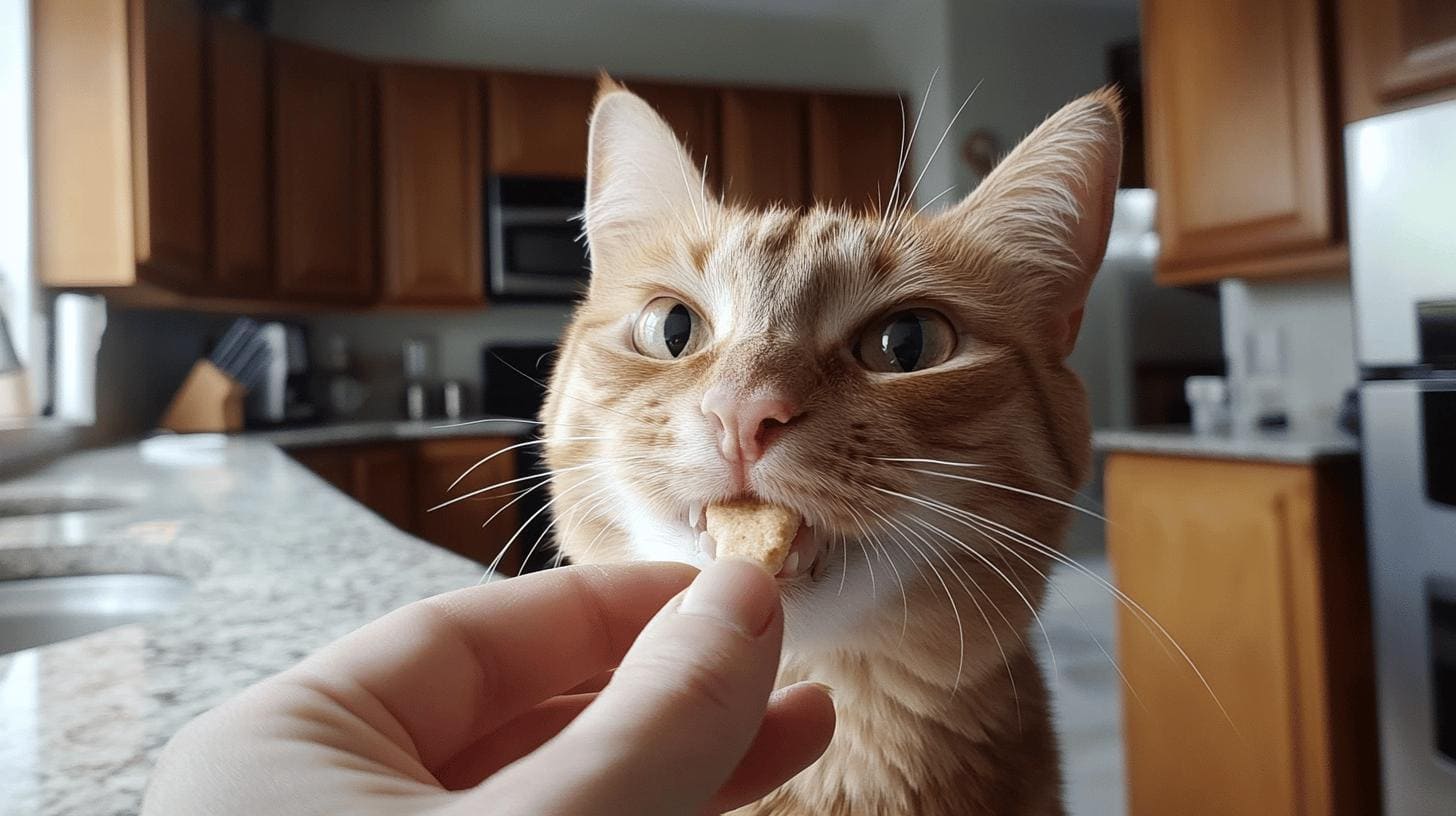
Cats might gaze longingly at your whipped cream-topped dessert, but there are safer alternatives that cater specifically to their dietary needs. Human foods like whipped cream can lead to digestive issues and long-term health risks due to their lactose and sugar content. Instead of indulging your furry friend with whipped cream, consider alternative treats that provide nutritional value without compromising their health. By selecting treats designed for cats, you can ensure that they enjoy a tasty snack while maintaining their well-being.
Lactose-free dairy products offer a cat-friendly option without the digestive troubles associated with regular dairy. These products are less likely to cause upset stomachs and are more in tune with a cat’s dietary requirements. Additionally, cat-specific treats are formulated to support feline health, providing essential nutrients and flavors that cats love. Natural snacks, like freeze-dried meats or fish, are another excellent choice. They align with a cat's carnivorous nature and deliver a satisfying crunch without unnecessary additives.
| Alternative | Description |
|---|---|
| Lactose-free dairy | Less likely to cause digestive issues |
| Cat-specific treats | Formulated for feline health |
| Natural snacks | Healthy and safe options |