Ever wondered if your cat can safely munch on dry fish? It’s a tempting treat that brings benefits like maintaining healthy skin and a shiny coat. Dry fish is packed with protein and omega-3 acids, which are great for their joints too.
But hold up! Before you treat your furry friend, be wary of hidden dangers like high sodium and preservatives lurking in some dried fish products. Let’s explore how you can serve this snack safely and in moderation to keep your cat happy and healthy.
Can Cats Eat Dry Fish Safely?
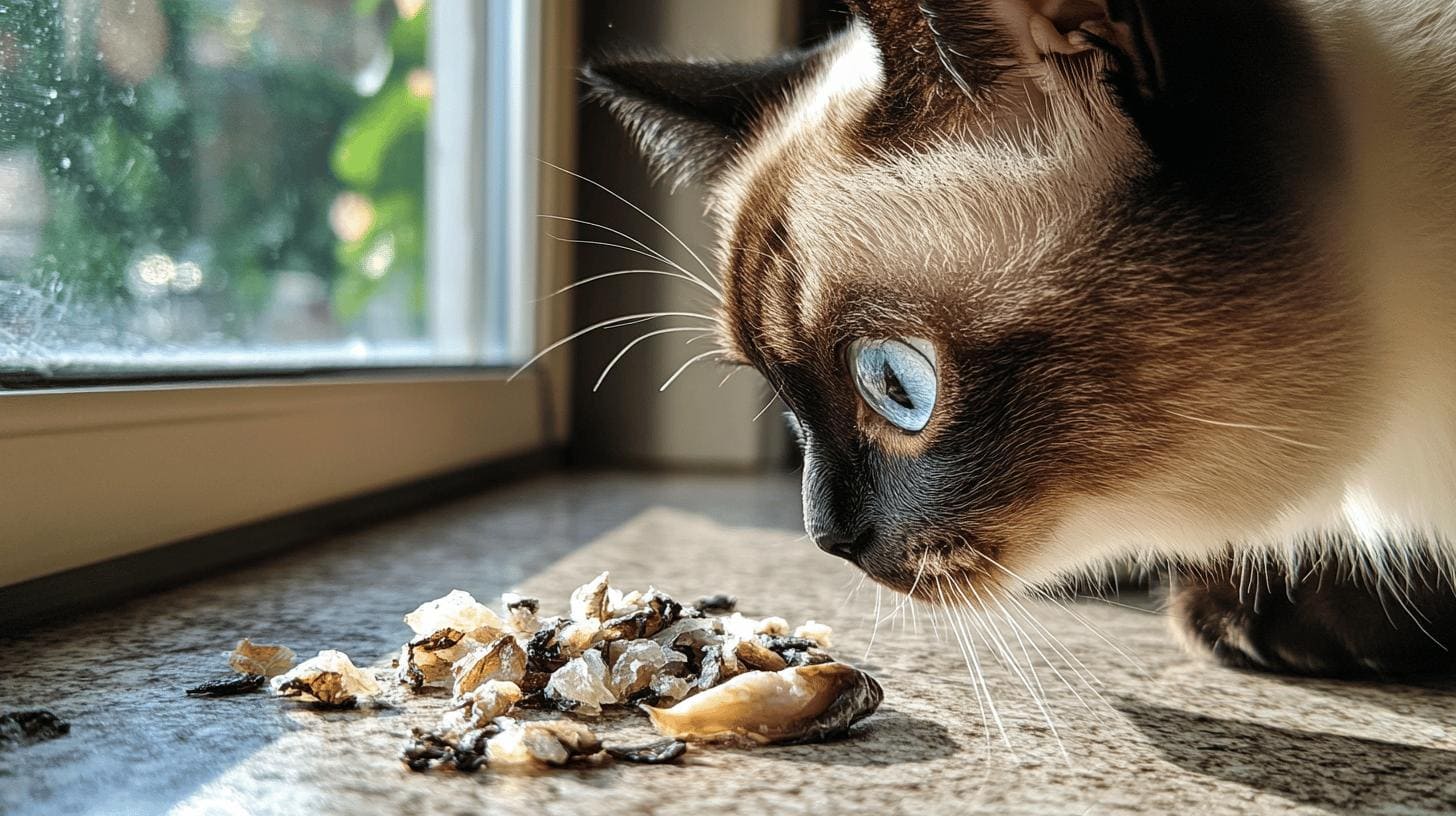
Cats can eat dry fish, but caution is key. Dry fish offers nutritional benefits like protein and omega-3 fatty acids, which contribute to healthy skin and shiny coats. These nutrients can support joint health, making dry fish an appealing treat for your feline friend.
However, it’s crucial to be aware of potential harmful substances that might be present in some dry fish products:
- High sodium content
- Preservatives
- Artificial flavors
- Additives
- Contaminants like heavy metals
Moderation is essential when feeding dry fish to cats. Too much can lead to nutritional imbalances, particularly because dry fish lacks some essential nutrients needed in a complete cat diet.
Overfeeding could also increase the risk of health issues such as hypertension due to high sodium levels. Always ensure that the dry fish you provide is free from harmful substances.
When considering portion sizes, it’s important to remember that treats like dried fish should not exceed 10% of your cat’s total diet. This helps maintain a balanced nutritional intake.
You can incorporate dried fish as an occasional treat by sprinkling small amounts over their regular food or offering it as a reward. Always monitor your cat’s response to the new treat and consult with a veterinarian to ensure it aligns with their dietary needs and health conditions.
Nutritional Benefits of Dried Fish for Cats
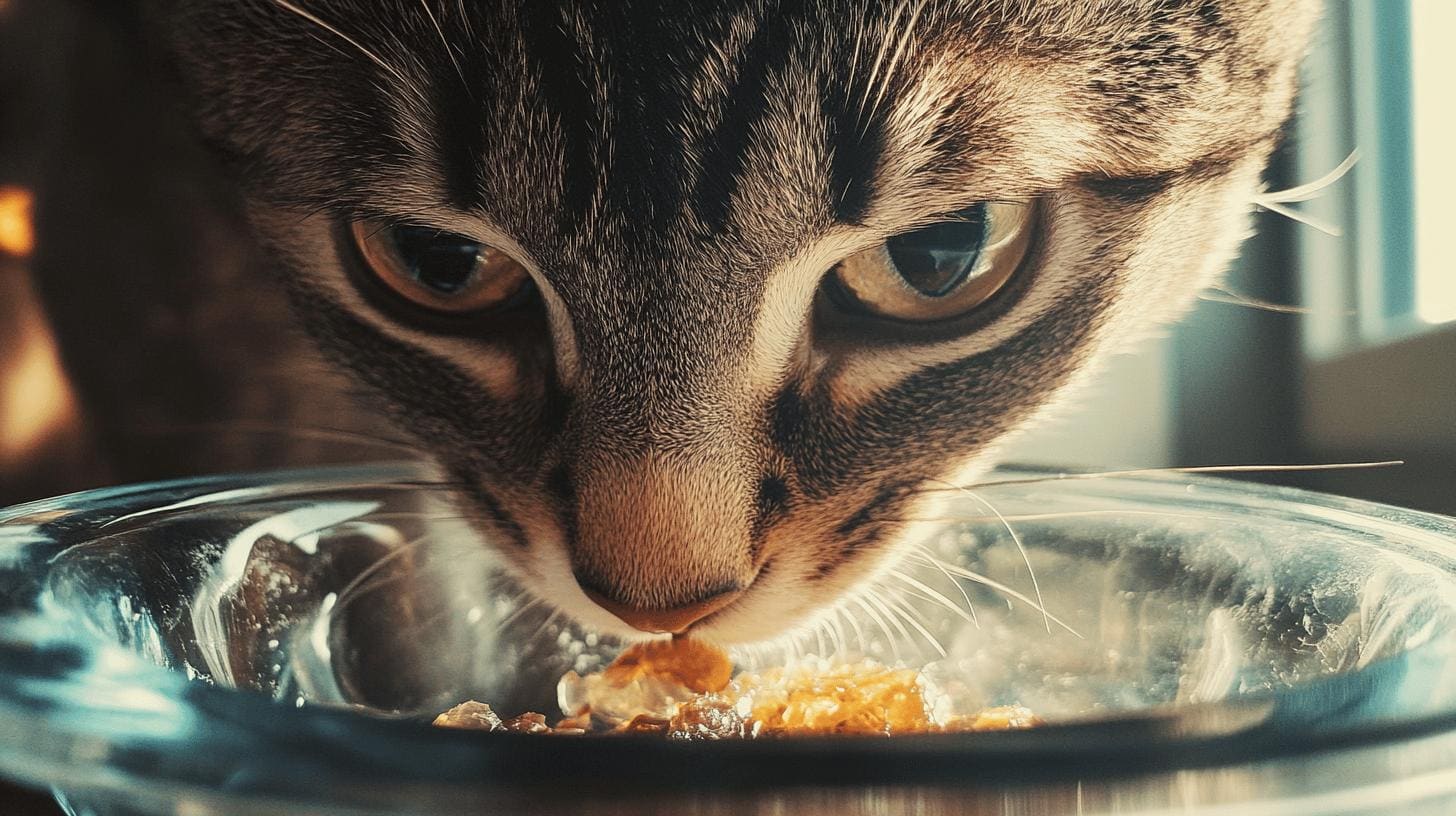
Sardines and anchovies are particularly beneficial for cats due to their high protein and omega-3 content. To safely incorporate dried fish into a cat’s diet, start by introducing small amounts to prevent any digestive upset. Gradually increase the portion size, ensuring it complements the cat’s existing diet.
Choosing High-Quality Dried Fish
When selecting dried fish, opt for products that are free from additives and preservatives. Check for sourcing information to ensure the fish is caught sustainably and is low in contaminants. Look for packaging that indicates minimal processing to preserve the fish’s nutritional value.
Preparation Methods
Air-drying is a preferred method as it retains most nutrients. Avoid dried fish that has been heavily smoked or salted, as excessive sodium can be harmful. If possible, prepare the dried fish at home using a dehydrator to control the ingredients and maintain quality.
Potential Risks
While dried fish is nutritious, be aware of potential risks such as contaminants like mercury. Choose smaller fish like sardines and anchovies, which have lower mercury levels. Always supervise your cat when introducing new foods to monitor any adverse reactions.
By focusing on quality and safe preparation, you can enhance your cat’s diet with dried fish while minimizing risks.
Health Concerns and Risks with Dried Fish
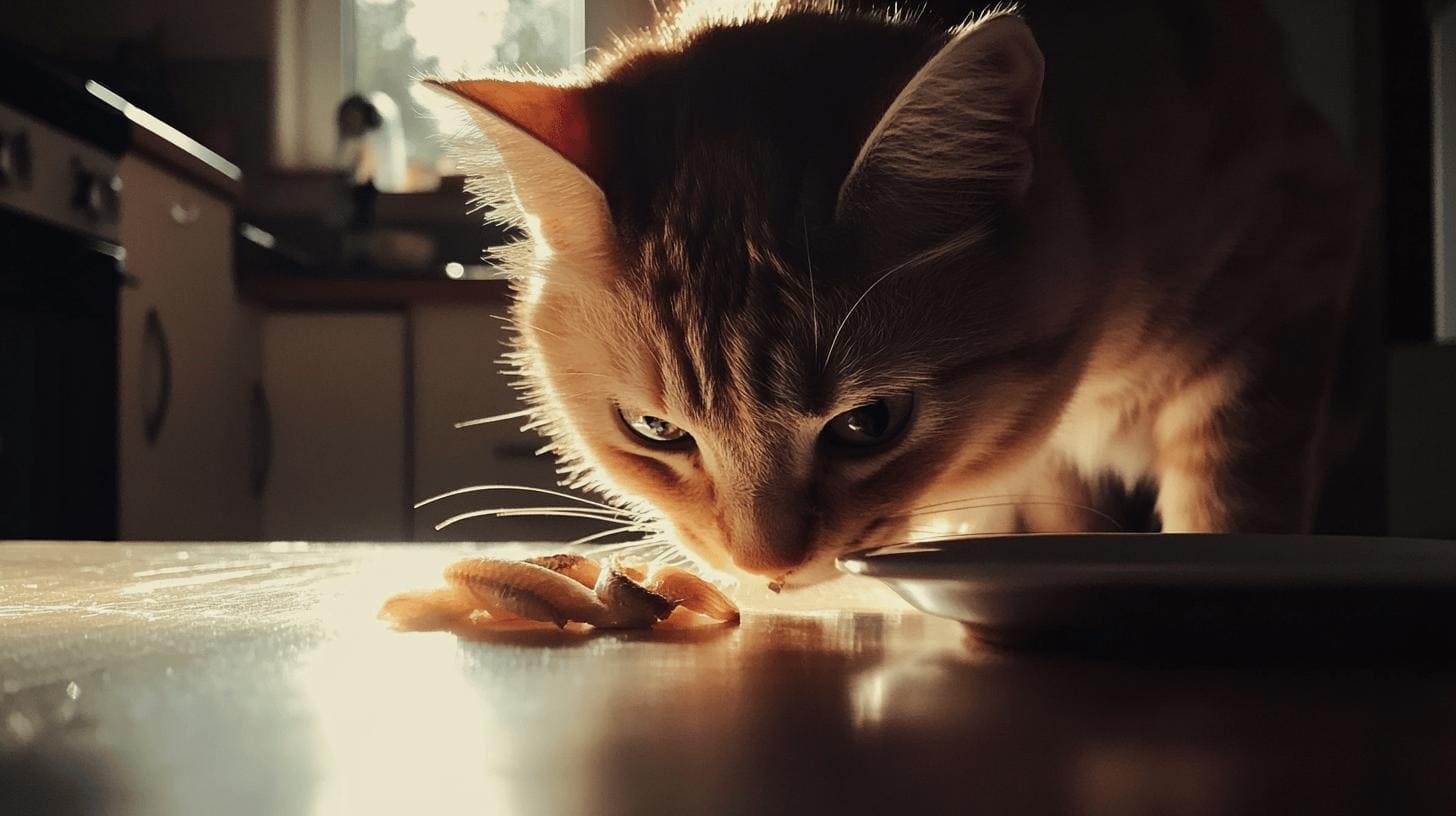
Feeding your cat dried fish can come with health concerns. While the high sodium content is already discussed, it’s vital to highlight other risks such as allergies and choking hazards specific to dried fish.
Here are some specific risks to consider:
- High salt content: Can cause excessive thirst and urination.
- Allergies: May lead to symptoms like itching, vomiting, or diarrhea.
- Contaminants: Such as heavy metals or toxins that might be present.
- Choking hazards: Bones or small parts can pose a risk.
When introducing dried fish, it’s crucial to monitor your cat for allergic reactions. Look for signs like itching, vomiting, or diarrhea. If any symptoms appear, stop feeding the dried fish and consult a vet. Regular vet check-ups are essential to ensure new foods align with your cat’s health needs, helping to manage risks while offering new treats.