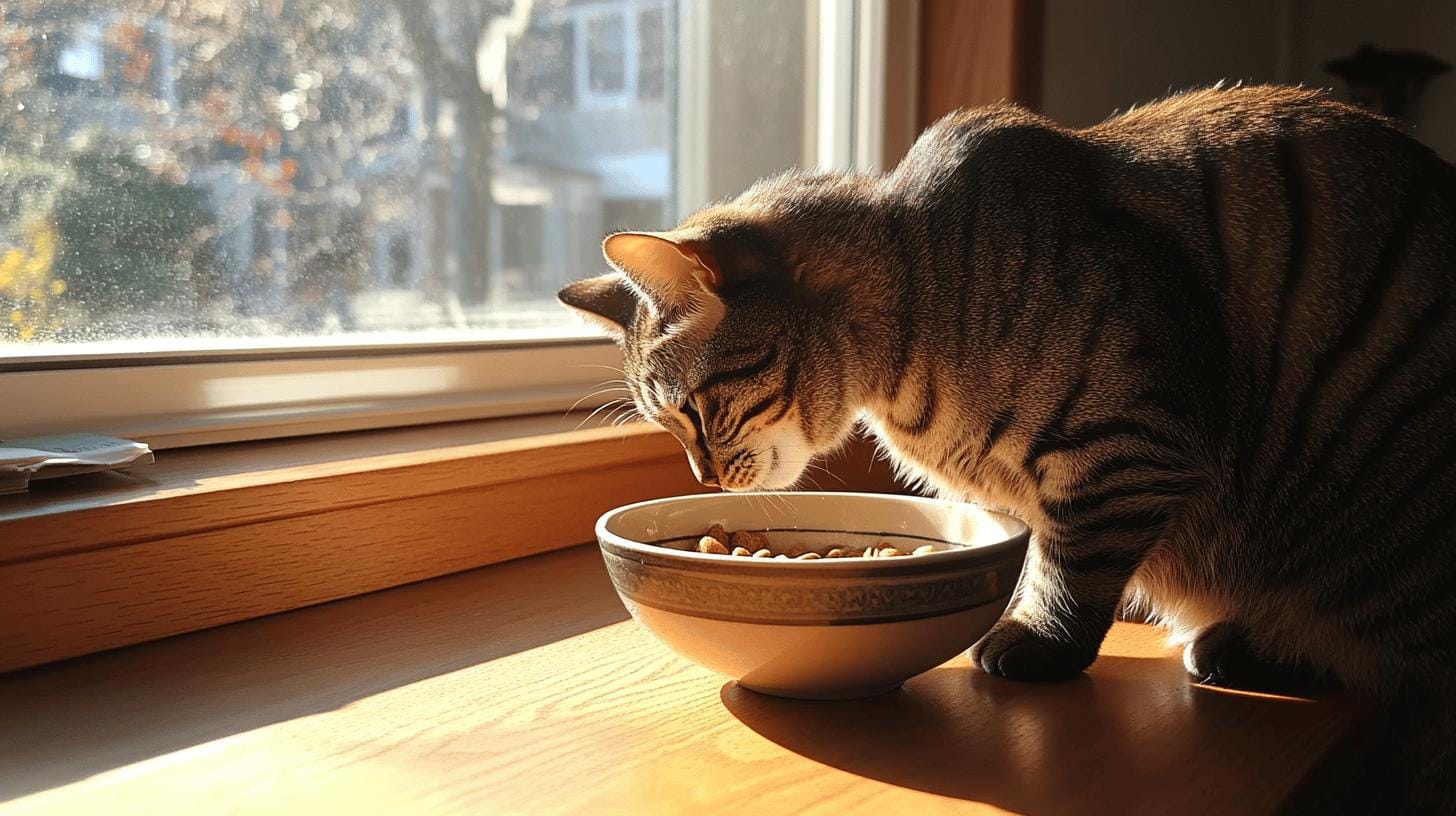
Ever wondered if treating your cat to a classic fish and milk combo is a good idea? While it may seem like a tasty treat, this pairing could spell trouble for your feline friend. Fish packs a nutritional punch, with benefits like omega-3s for a shiny coat and healthy joints. But milk? Not so much – adult cats struggle with the lactose in milk, often leading to tummy troubles. Before serving up this duo, think again. It's safer to keep them separate for a purr-fectly happy and healthy cat!
Understanding if Cats Can Eat Fish and Milk Together
Fish is a great source of nutrition for cats, offering essential nutrients like omega-3 fatty acids and protein. Omega-3s are particularly beneficial for cats' neurological health and have anti-inflammatory properties that can support joint health. These fatty acids also promote a shiny coat and healthy skin. Including fish in your cat's diet can be a smart choice, but it’s important to ensure the fish is cooked properly to eliminate parasites and to remove any bones to prevent choking hazards.
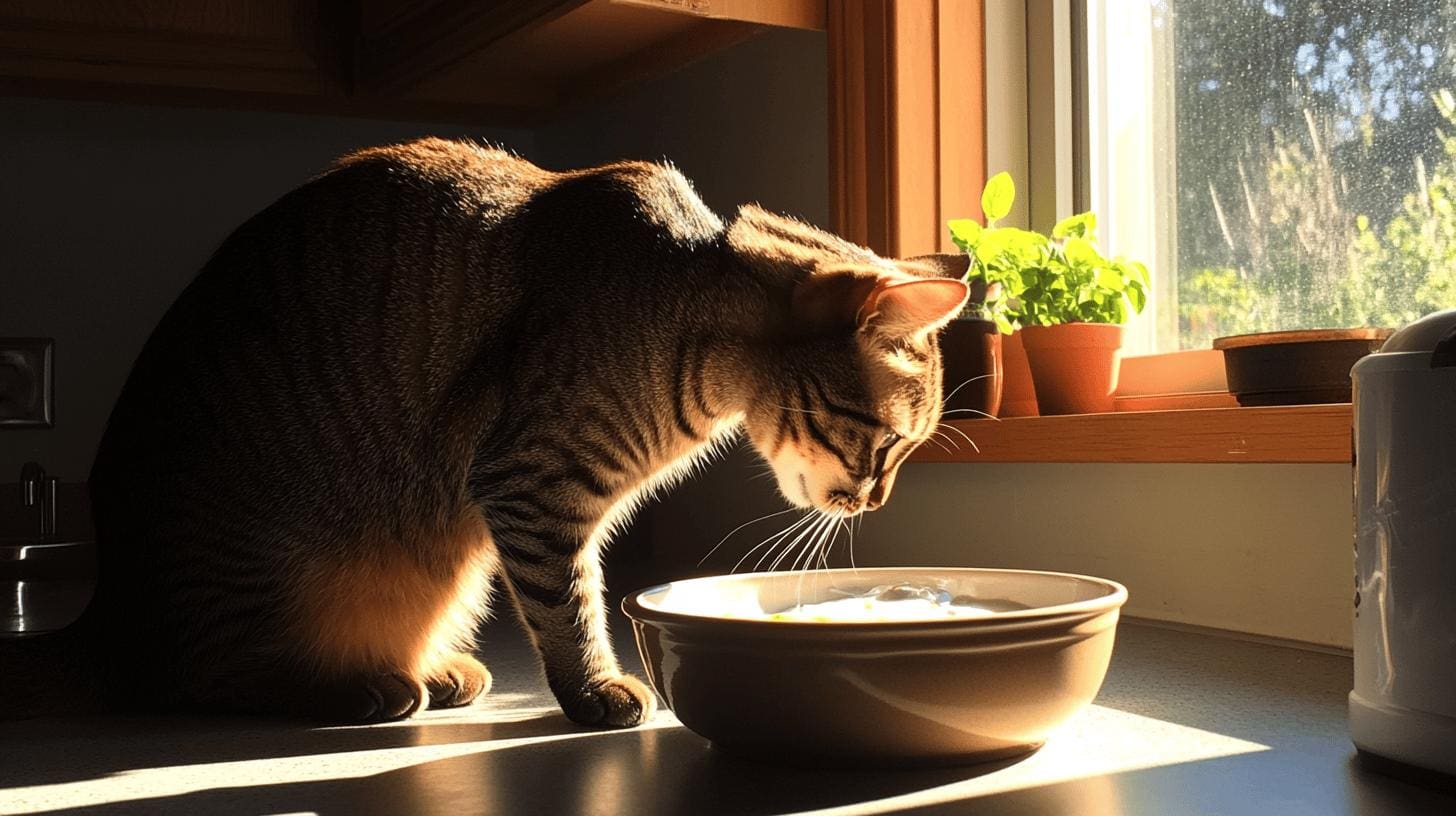
Milk, on the other hand, poses significant risks for adult cats due to lactose intolerance. Most adult cats are unable to digest lactose effectively because they lack the enzyme lactase. This can lead to various digestive issues when too much lactose is consumed. A typical 4 kg cat can only tolerate about 8 grams of lactose, which is found in approximately 40-50 ml of milk. Consuming more than this amount can upset their stomach and cause discomfort.
Potential digestive issues from milk include:
- Diarrhea
- Flatulence
- Stomach ache
- Vomiting
- Bloating
Combining fish and milk in a cat's diet can lead to digestive problems without providing any additional nutritional benefits. While fish is nutritious, the addition of milk can result in a negative reaction due to the lactose content, potentially causing the issues listed above. There's no compelling reason to feed these together, as the milk could overshadow the benefits of the fish.
For the health and well-being of your feline friend, it's best to avoid combining fish and milk. Instead, focus on feeding fish in moderation and ensure it is prepared safely. If you’re looking for a liquid supplement, consider adding a small amount of fish broth without salt or seasoning, which can be both tasty and safe for cats. Always prioritize fresh water as the primary liquid in their diet, and consult with a veterinarian if you have any questions about your cat's nutrition or dietary needs.
Nutritional Insights: Fish for Cats
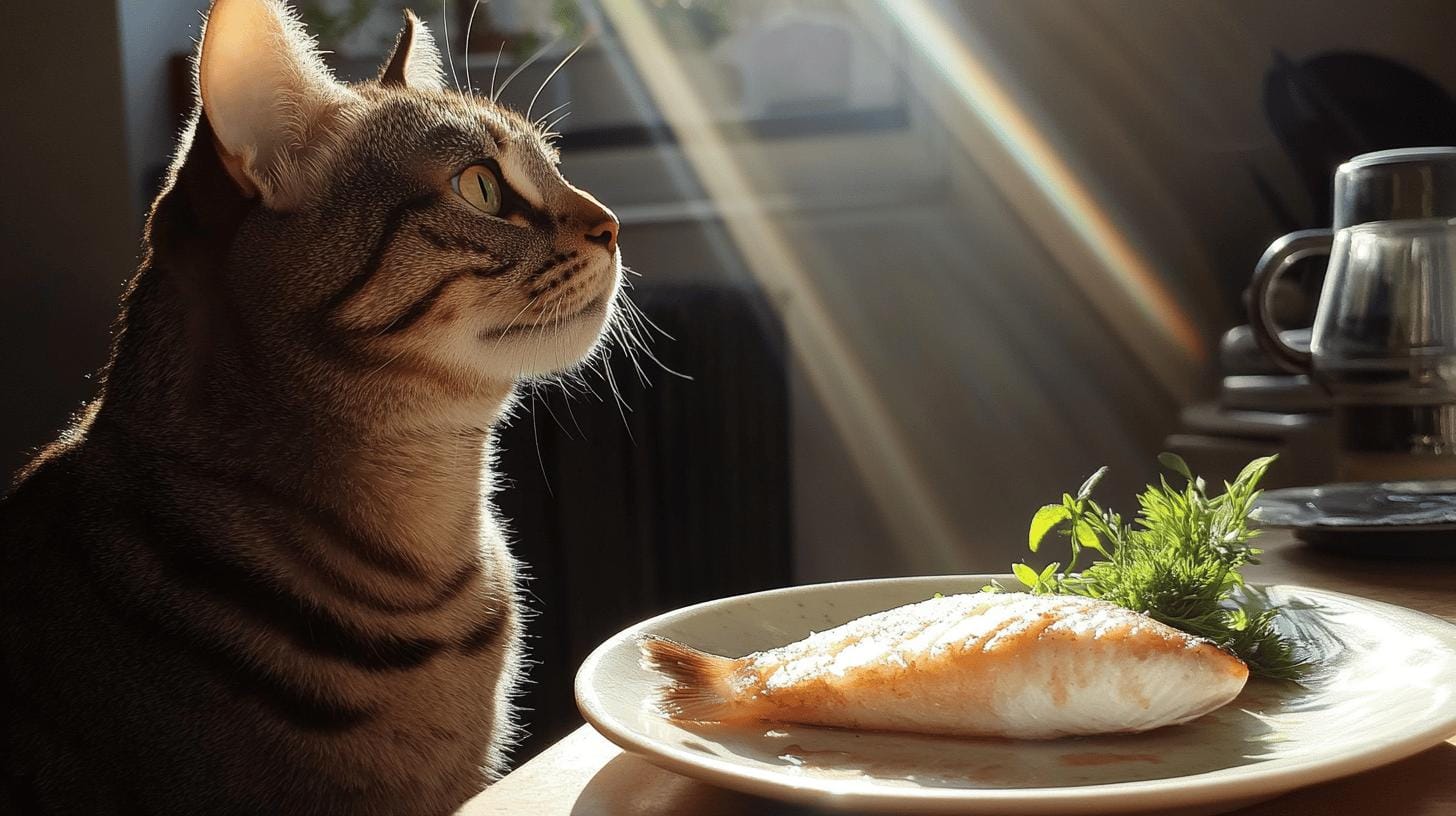
Fish can be a great addition to your cat's diet, thanks to its nutritional benefits. Omega-3 fatty acids found in fish support your cat's brain function and reduce inflammation, which helps with joint health. They also promote a healthy, shiny coat.
| Fish Type | Nutritional Benefit |
|---|---|
| Salmon | Rich in omega-3s for brain and heart health |
| Tuna | High protein content for muscle maintenance |
| Sardines | High in calcium and vitamin D for bone health |
Prepare fish safely to include it in your cat's diet. Cooking fish kills parasites and makes it safe for your cat. Steaming or boiling helps keep the nutritional value intact. Remove all bones to prevent choking hazards. These steps ensure your cat enjoys the health benefits of fish while staying safe.
The Risks of Feeding Milk to Cats
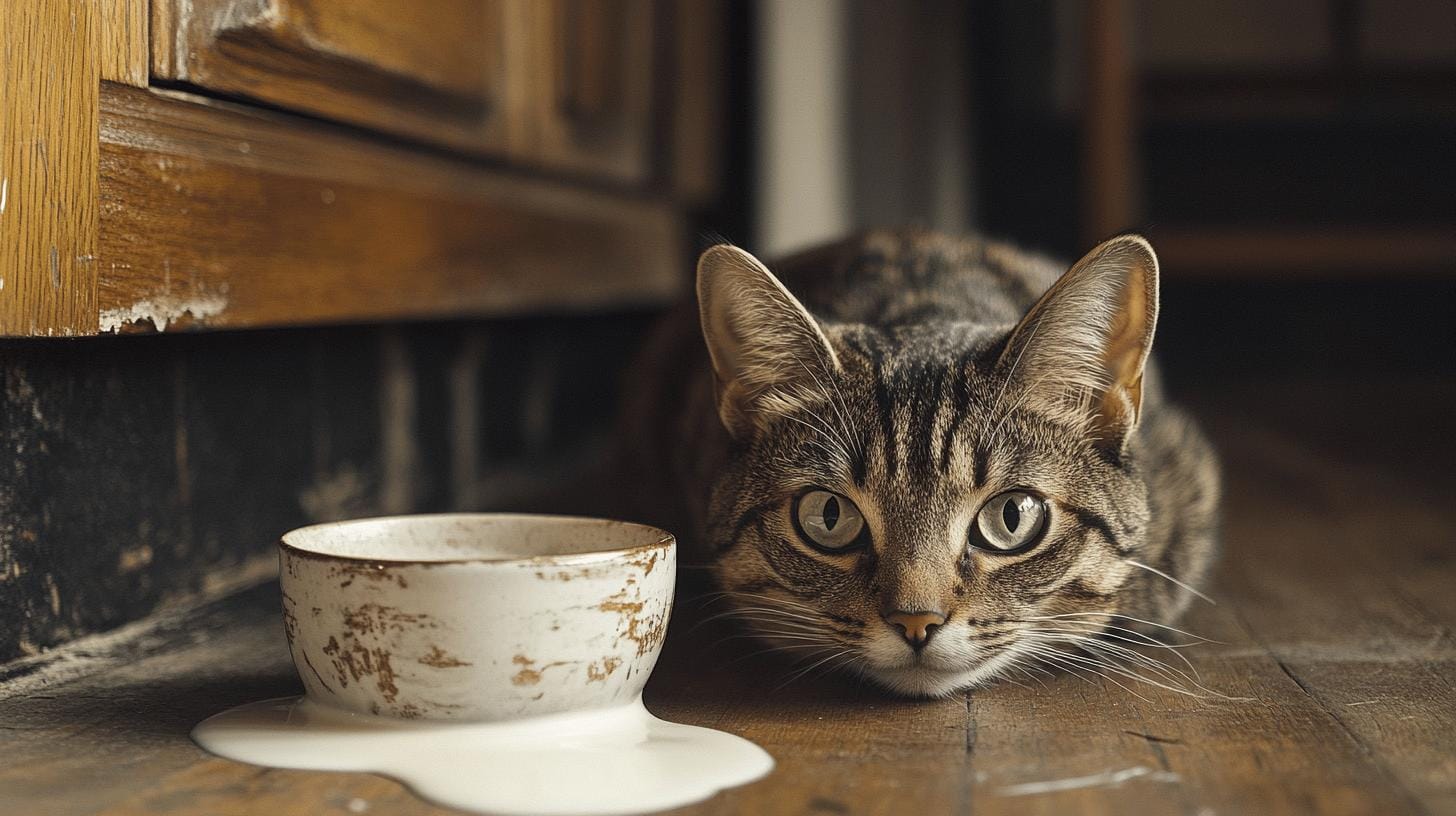
Adult cats are often lactose intolerant. They lack the enzyme lactase needed to digest lactose, leading to digestive issues such as diarrhea, flatulence, stomach aches, and vomiting. These symptoms can cause significant discomfort, so it's wise to be cautious about offering milk to your furry friend.
For a 4 kg cat, consuming more than 8 grams of lactose, found in roughly 40-50 ml of milk, can overwhelm their digestive system. This makes milk a risky choice, particularly for cats with sensitive stomachs. Instead of repeating the risks, let's explore safe alternatives.
Consider these safe dairy alternatives:
- Lactose-free milk
- Cheese in small quantities (low-lactose varieties)
- Yogurt with active cultures
- Commercial cat milk products
It's best to avoid milk altogether. Fresh water should always be the primary liquid in your cat's diet. Keeping your cat hydrated with fresh water prevents digestive issues and ensures they're healthy. If you have any doubts about your cat's diet or hydration needs, consult with a veterinarian.