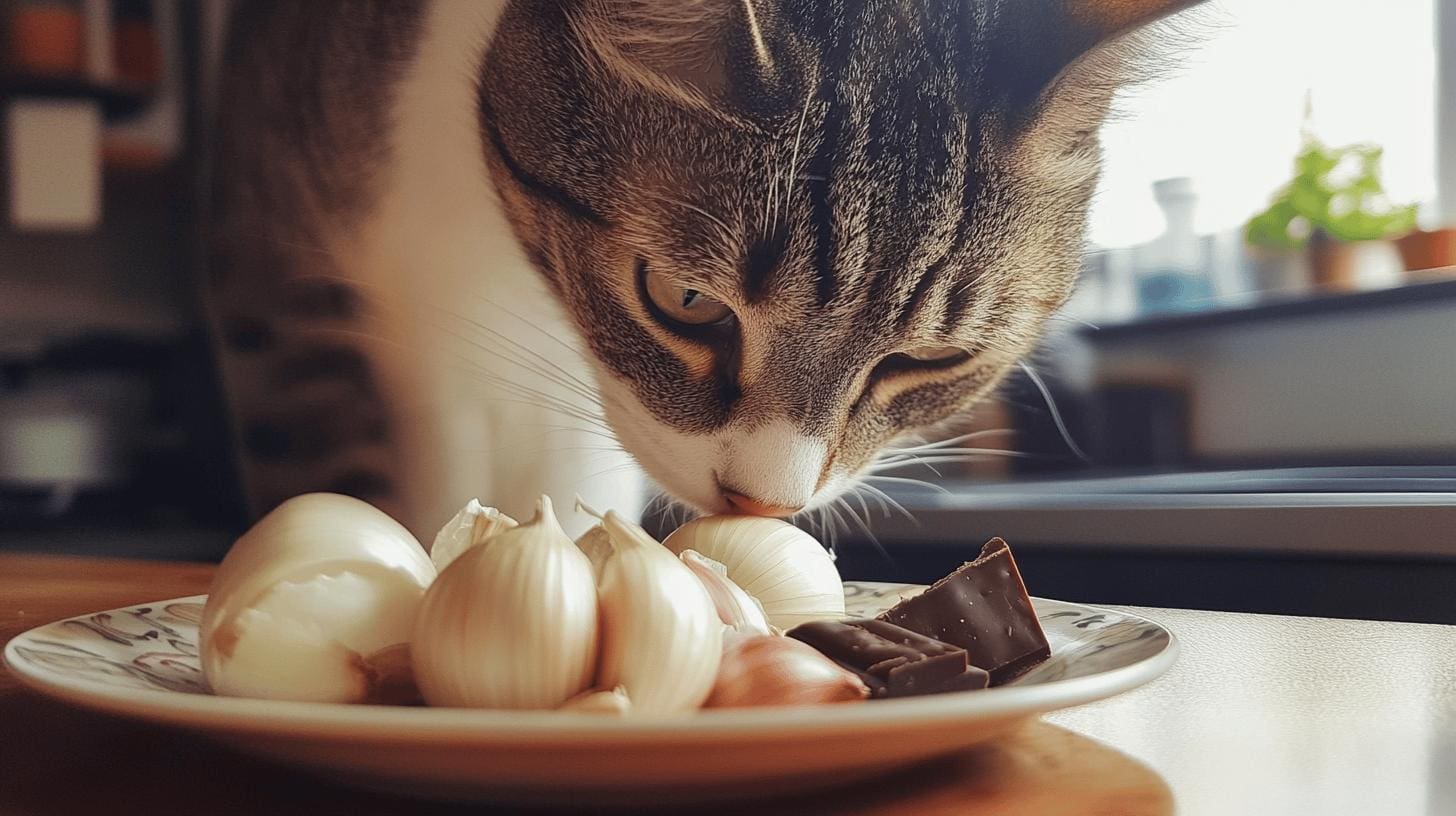
Can cats munch on hummus, or is it a risky snack? While hummus is a tasty, nutritious dip for us, it poses several safety concerns for our feline friends. Cats are natural meat-eaters, and ingredients like chickpeas and tahini won't cut it for their nutritional needs. Plus, garlic in hummus can be downright dangerous, leading to serious health problems. In this article, we'll dive into the details, exploring the safety and potential risks of hummus for cats and why this creamy spread might not be the best treat for your whiskered buddy.
Can Cats Eat Hummus? Understanding the Risks and Ingredients
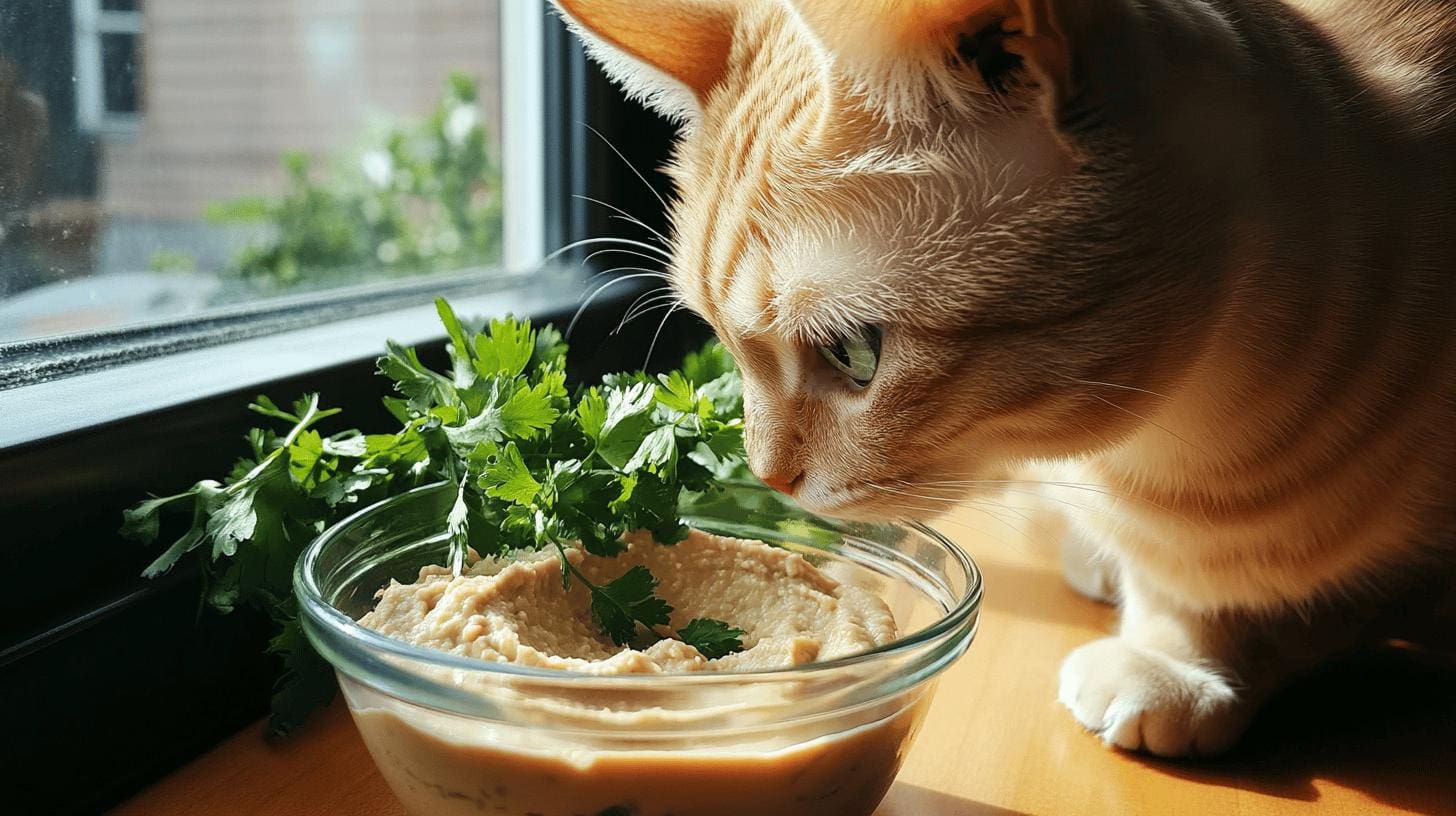
Hummus is a popular spread made from chickpeas, tahini, lemon juice, garlic, and olive oil. While it's a healthy snack for humans, the same can't be said for cats. Cats are obligate carnivores, which means their bodies are designed to thrive on diets rich in animal protein. The ingredients in hummus do not align with these dietary needs. Chickpeas, the main component of hummus, are not toxic to cats if consumed in moderation, but they provide minimal nutritional benefits. Chickpeas lack essential amino acids like taurine, which cats require from animal sources. So, even if your cat shows curiosity about hummus, it's not the best choice for them.
Garlic is one of the most concerning ingredients in hummus when it comes to feline safety. It's toxic to cats and can cause oxidative damage to their red blood cells, leading to a condition called Heinz body anemia. Symptoms of garlic toxicity include lethargy, weakness, and breathing difficulties. Immediate veterinary care is essential if a cat ingests garlic. Tahini, made from sesame seeds, can also upset a cat's digestive system due to its high fat and oil content, resulting in diarrhea or vomiting. While not toxic, tahini doesn't offer any nutritional benefits to cats, making it another ingredient that's best avoided.
- Chickpeas: Minimal health benefits; not harmful in small amounts.
- Tahini: Can upset digestion; high in fats and oils.
- Garlic: Toxic; causes Heinz body anemia.
- Lemon Juice: Potential to irritate stomach; not beneficial.
- Olive Oil: May cause digestive upset; unnecessary in a cat’s diet.
Hummus, even when devoid of harmful ingredients like garlic, is still unsuitable for cats. Experts agree that cats need diets based on animal proteins to thrive, and hummus simply doesn't meet this requirement. Cats require certain nutrients that plant-based foods can't provide, and regular consumption of hummus could lead to nutritional deficiencies. It's best to stick to treats formulated specifically for feline dietary needs. If your cat accidentally consumes a small amount of hummus without harmful ingredients, it's unlikely to cause significant harm, but it shouldn't be offered as a treat. Always consult with a veterinarian if you're considering introducing new foods into your cat's diet to ensure their health and safety.
Veterinary Advice: Safe Alternatives to Hummus for Cats
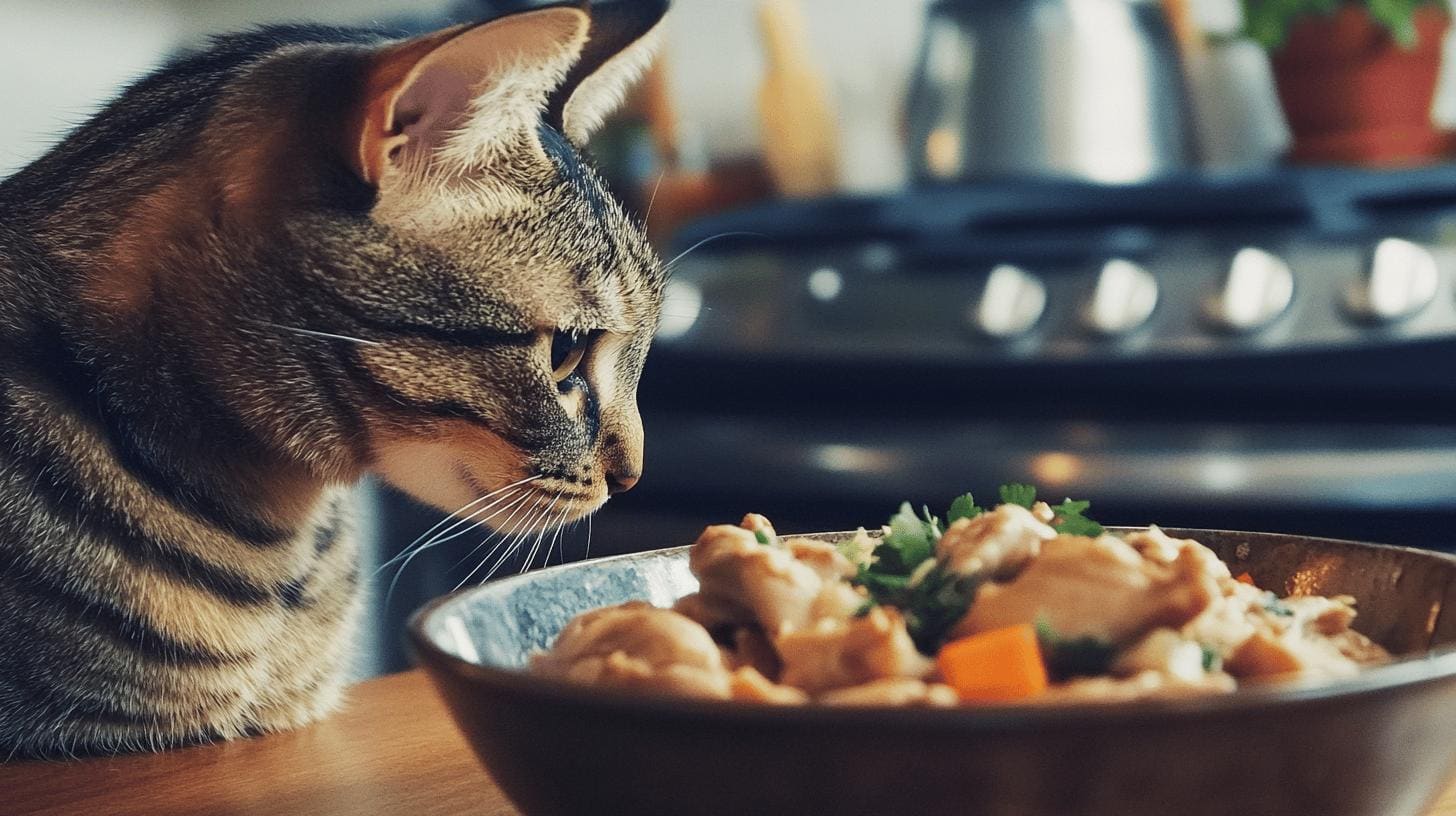
If you're looking for safe and nutritious treats for your feline friend, skip the hummus and consider options that align with their carnivorous diet. Commercial cat treats are specifically formulated to meet a cat's nutritional needs, providing essential vitamins and proteins. Another great option is small amounts of cooked meats like chicken, turkey, or beef, which offer high-quality protein that cats thrive on. These alternatives not only satisfy your cat's craving for variety but also support their health by providing the amino acids they need.
| Alternative Treat | Nutritional Benefit |
|---|---|
| Commercial Cat Treats | Balanced vitamins and proteins |
| Cooked Chicken | High protein, easy to digest |
| Cooked Turkey | Lean protein, rich in taurine |
| Cooked Beef | Iron-rich, supports muscle health |
| Freeze-Dried Fish | Omega-3 fatty acids, promotes a healthy coat |
It's crucial to consult with a veterinarian before making any significant changes to your cat's diet. Veterinarians can provide personalized advice based on your cat's specific dietary needs. Ensuring a protein-rich diet from animal sources is key to a healthy cat. Avoid sharing human foods that could disrupt their nutritional balance. By focusing on appropriate, safe alternatives, you can keep your feline friend healthy and happy.
Signs of Food Toxicity in Cats: What to Watch For
Recognizing the signs of food toxicity in cats is crucial for any pet owner. Cats are curious creatures, and they might occasionally ingest something they shouldn't. Knowing the symptoms of potential toxicity can help you act quickly to protect your feline friend’s health.
Common symptoms of food toxicity in cats can vary but often include some key signs. These symptoms might appear shortly after your cat has consumed a harmful substance. Here are some of the most common indicators to watch for:
- Vomiting: Often one of the first signs something is wrong.
- Diarrhea: Can lead to dehydration if not addressed.
- Lethargy: Your cat may seem unusually tired or weak.
- Drooling: Excessive saliva can indicate irritation or poisoning.
If you observe any of these symptoms in your cat, it's essential to seek veterinary care immediately. Quick intervention can make a significant difference in your cat’s recovery. Always err on the side of caution when it comes to your pet’s health, and consult with your veterinarian if you suspect food toxicity.