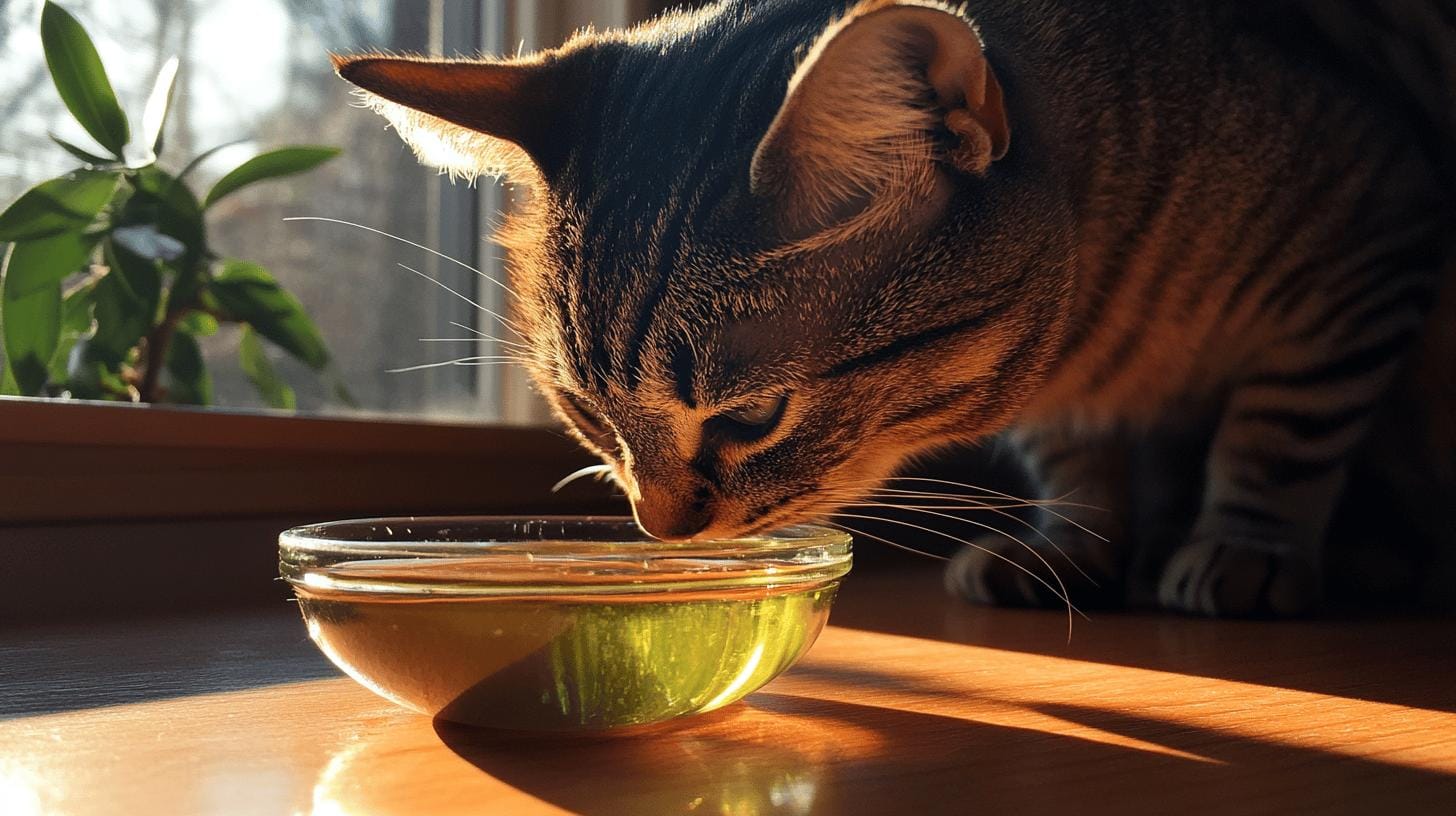
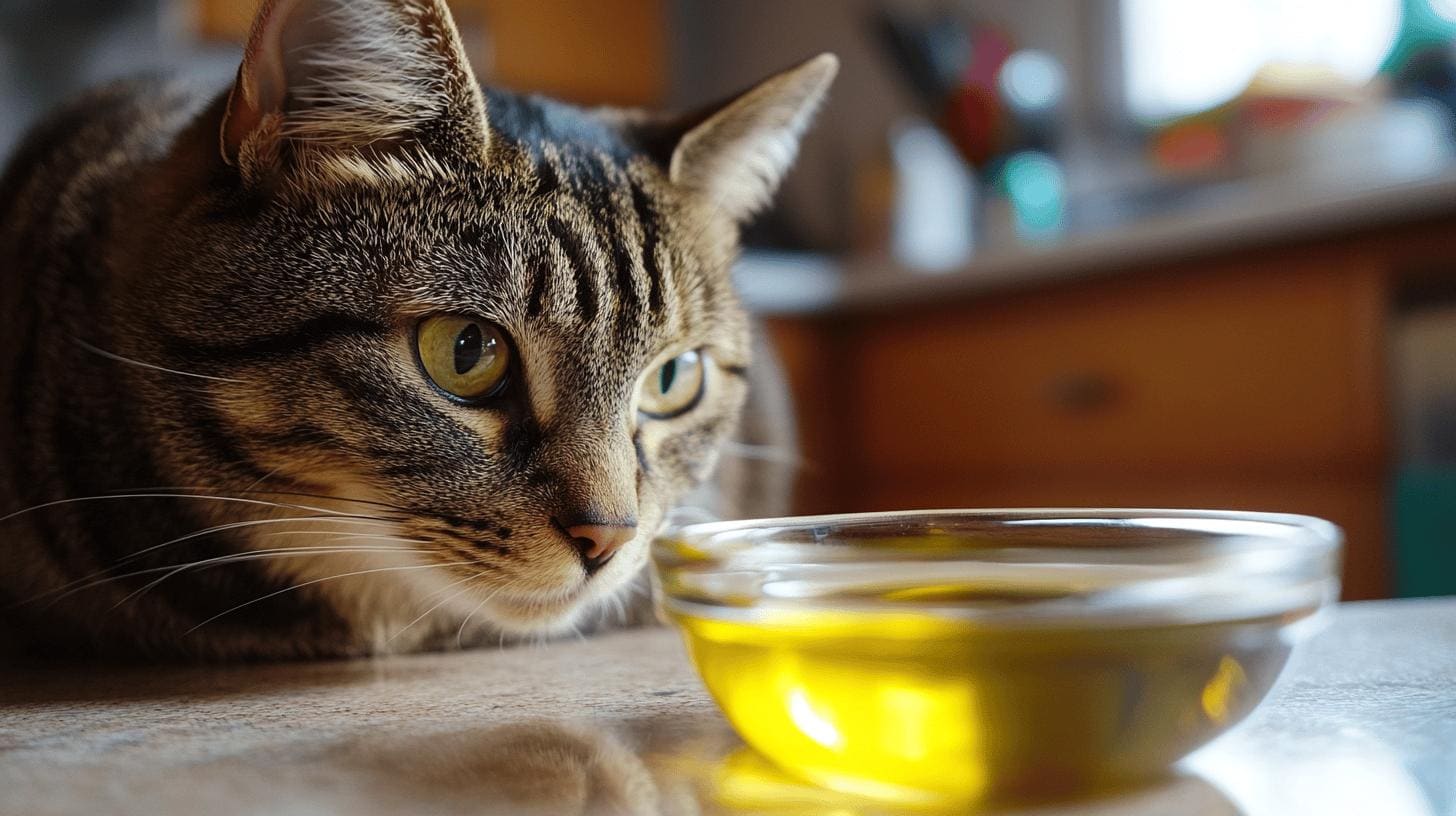
Can cats munch on olives safely, or are there hidden dangers lurking in that tiny snack? While olives seem harmless, they offer little nutritional value to our feline friends. Cats might be drawn to their unique taste, but should we cater to their curiosity? In this blog post, I will break down why olives aren't toxic yet still pose risks if over-consumed. From high sodium to choking hazards, this deep dive aims to guide you toward making informed and safe snack choices for your cat's health and happiness.
Can Cats Eat Olives Safely and Potential Risks
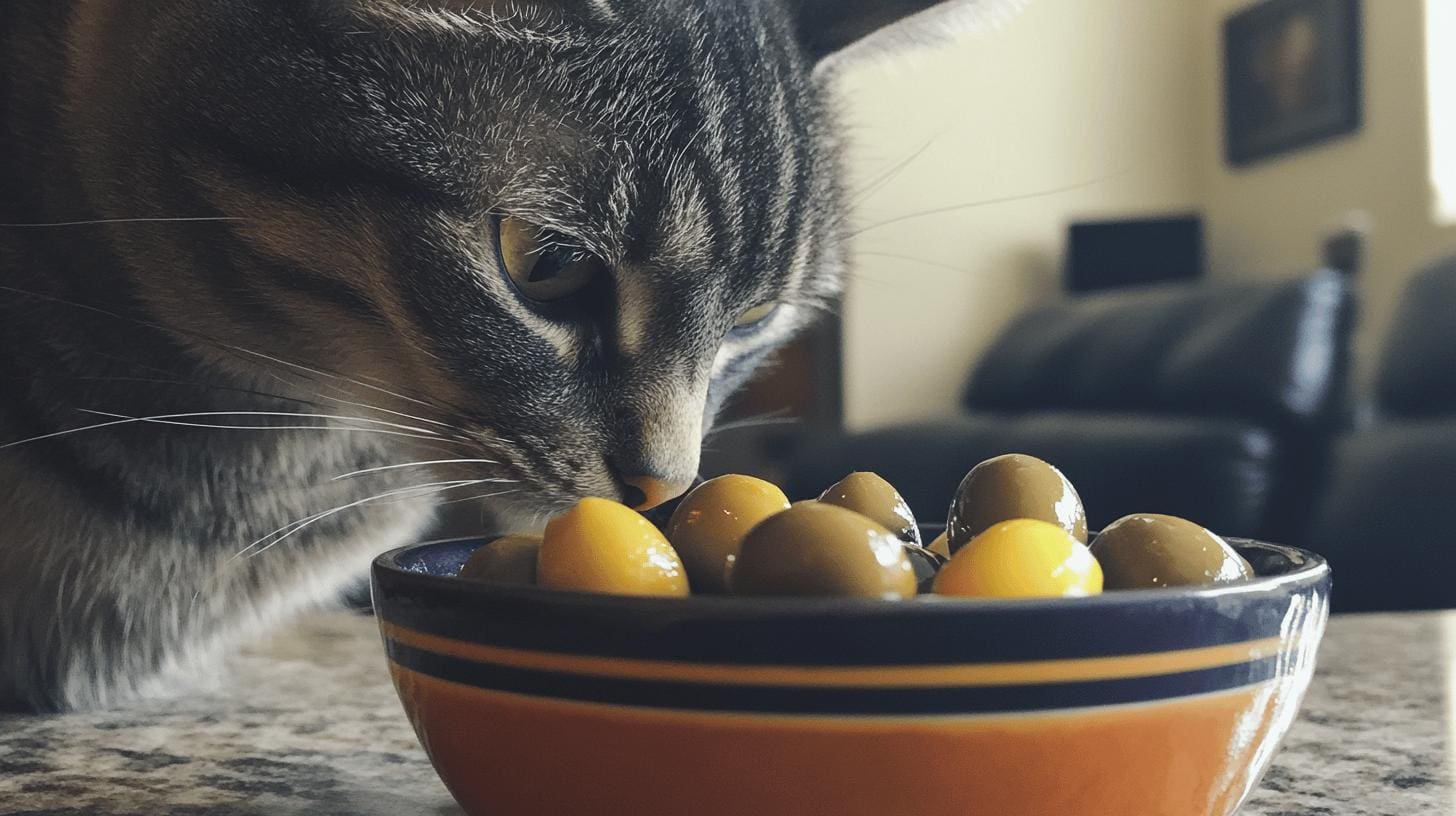
Cats can eat olives, but it's crucial to offer them sparingly. While olives aren't toxic, they don't provide any significant nutritional benefits for cats. The primary reason to limit olives is the lack of nutrients that cats need. They don't get much beyond a tasty, unique flavor that might intrigue them. Offering olives as an occasional treat is generally safe, but they should never become a regular part of a cat's diet.
One of the main concerns with olives is their high sodium content. Consuming too much sodium can lead to serious health issues in cats, such as electrolyte imbalances and dehydration. In severe cases, it can even cause sodium poisoning. Symptoms of sodium poisoning include excessive thirst, vomiting, diarrhea, and in worst-case scenarios, seizures. It's essential to keep olives as a rare treat to avoid these potential health risks.
Potential risks of feeding olives to cats include:
- Choking Hazards: Olive pits can pose a choking risk or cause intestinal blockages.
- Digestive Issues: High-fat content can lead to vomiting or diarrhea.
- Sodium Content: High levels of sodium can lead to dehydration and sodium poisoning.
- Empty Calories: Olives don't offer beneficial nutrients for cats.
When it comes to different types of olives, there are several considerations. Green and black olives are non-toxic, but the pits should be removed to avoid choking hazards. Kalamata and other marinated olives are particularly risky due to their elevated sodium levels, which can be harmful to cats. While it might be tempting to share a tasty olive with your feline friend, it's always best to prioritize their health by steering clear of any potential dangers these snacks might present.
Why Do Cats Like Olives?
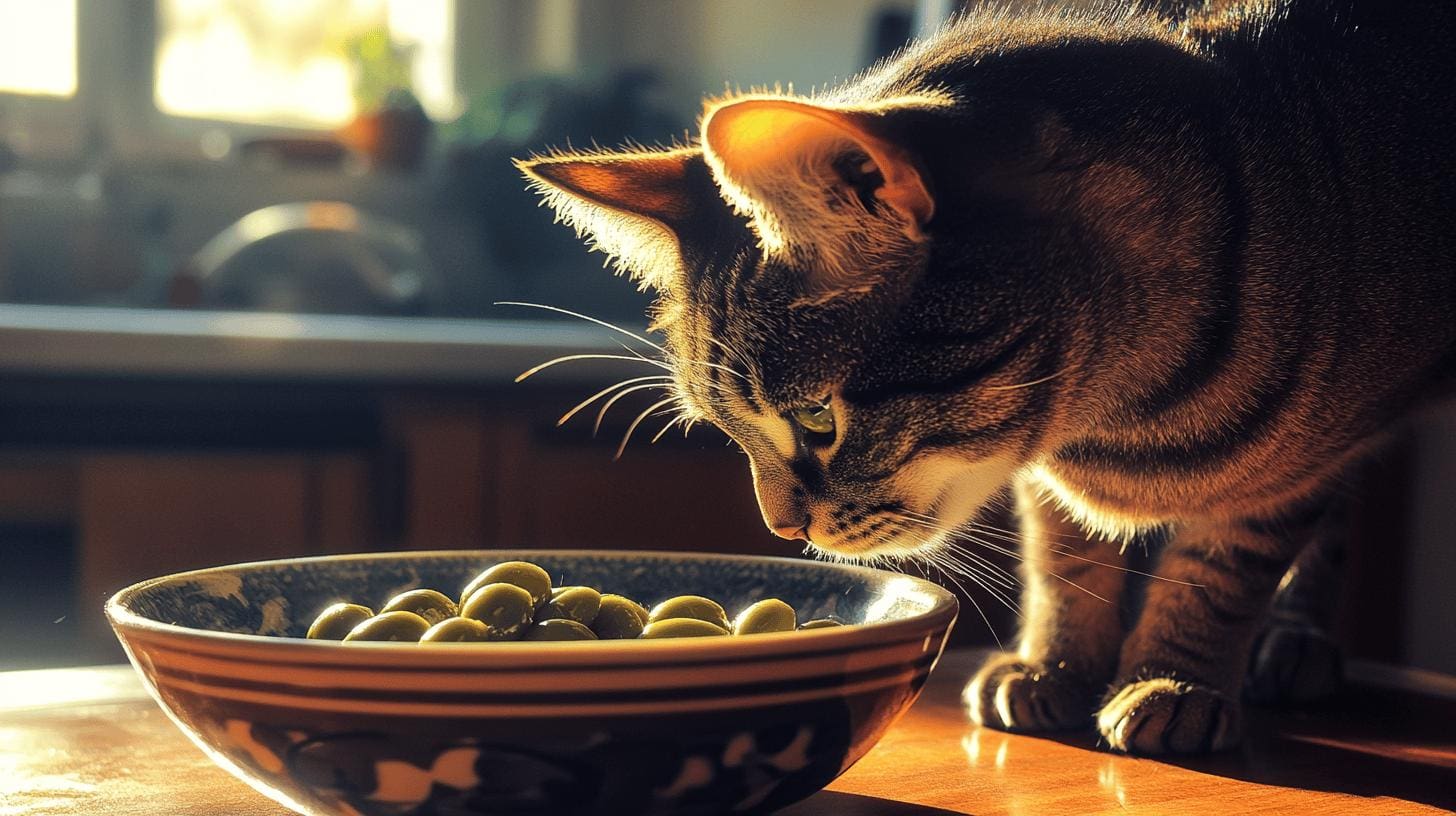
Cats have a curious attraction to olives, primarily due to the presence of isoprenoids. These compounds are similar to nepetalactone, the active ingredient in catnip that incites playful and euphoric reactions in cats. When a cat encounters an olive, it might experience a sudden burst of energy or silliness, much like when it comes into contact with catnip. Green olives, in particular, contain these isoprenoids, making them especially intriguing to our feline friends.
- Cats may roll around, purr, or rub against olives like they do with catnip.
- Some cats might show increased playfulness and heightened energy levels.
- Olives can make cats act goofy or unusually affectionate.
- Cats may become more curious or focused when presented with olives.
- The reaction to olives can vary, with some cats showing no interest at all.
While olives can spark these amusing behaviors, it doesn't mean they're beneficial to cats. The reaction is merely due to the chemical attraction, not because olives provide any nutritional or health benefits. So while it's fun to watch your cat interact with an olive, moderation and caution are key to ensuring your pet's safety and well-being.
Alternatives to Olives for Cat Treats
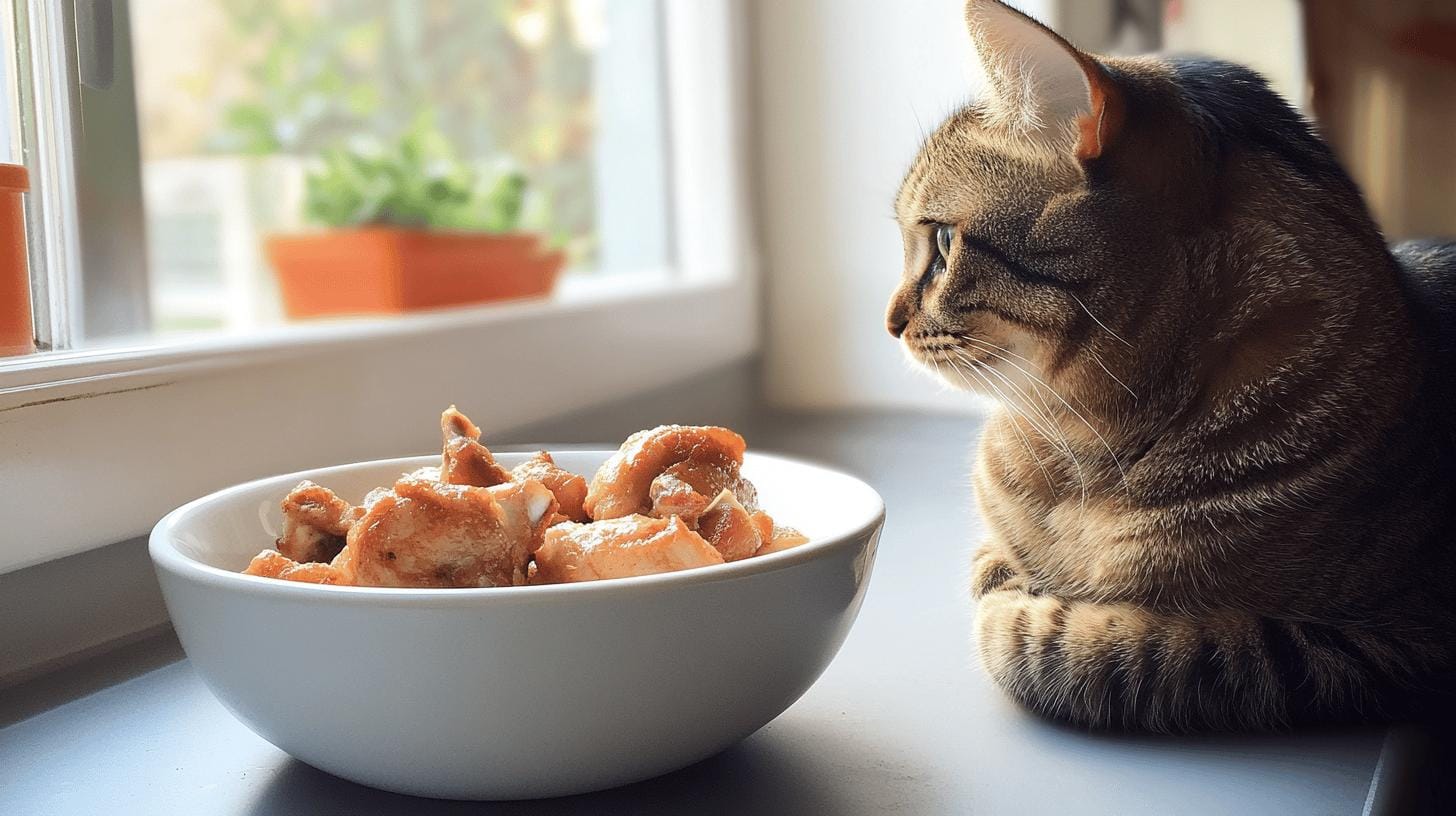
While olives can be an occasional treat for cats, they aren’t the best option due to their high sodium content and lack of nutritional value. They might intrigue your kitty with their unique taste and texture, but there are safer alternatives that can provide better health benefits without the risks associated with olives.
Consider these five safer treats for your feline friend:
- Cooked Chicken: A lean source of protein that cats love.
- Fish: Rich in omega-3 fatty acids, which are great for a cat’s coat.
- Freeze-Dried Meat Treats: Nutrient-dense and often preferred by picky eaters.
- Catnip-Infused Treats: Safe and entertaining for cats who enjoy the effects of catnip.
- Pumpkin Puree: A fiber-rich option that aids in digestion.
Olive oil can be a healthier alternative to olives for cats. It offers potential health benefits such as improving the immune system, aiding with constipation, and helping with hairballs. A small amount mixed into your cat’s food can provide these benefits without the risks associated with eating whole olives. Just be sure to use it sparingly to avoid any digestive upset.