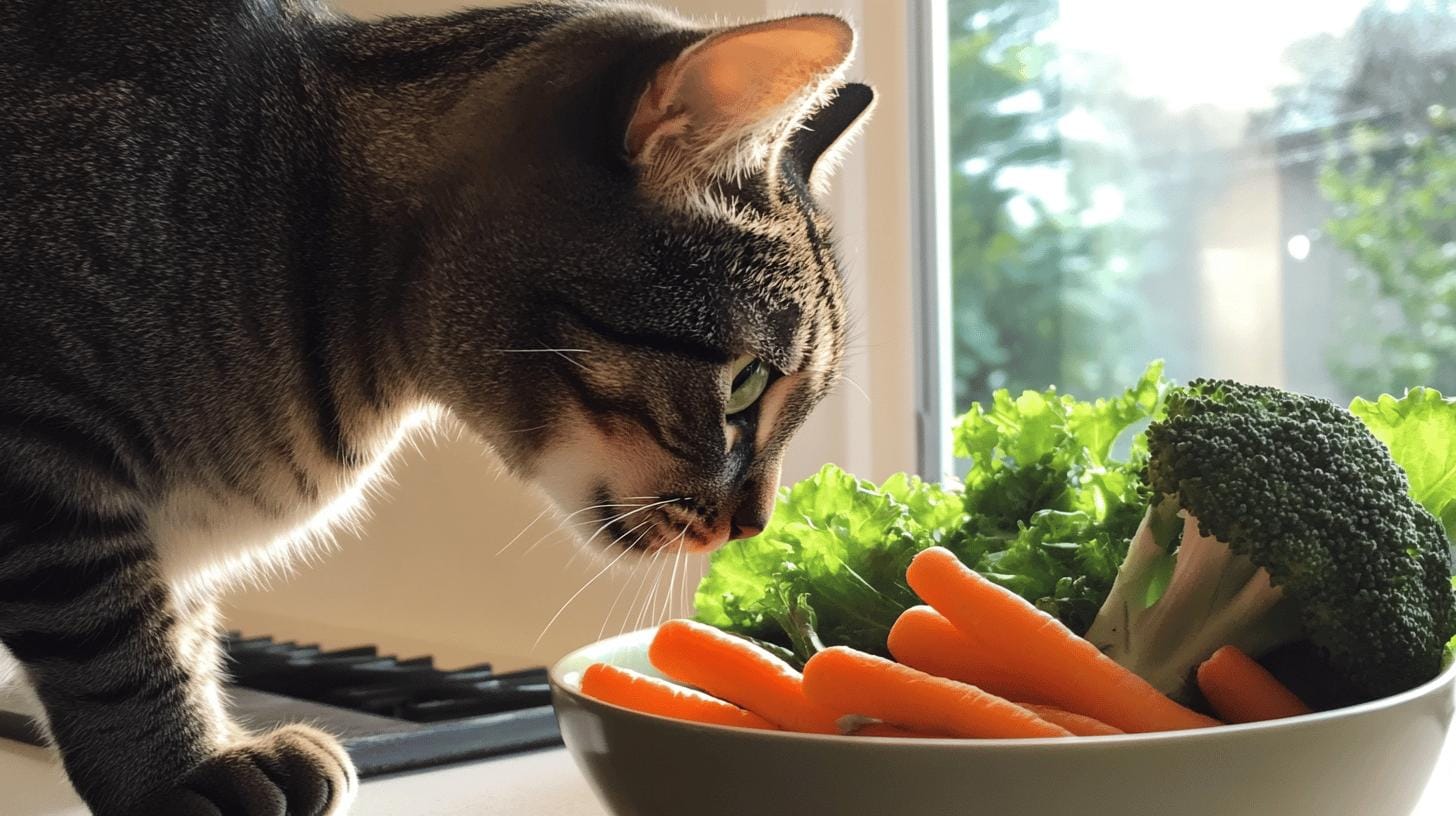
Did you know that a simple snack like peanuts could pose hidden dangers for your feline friend? While peanuts aren't toxic to cats, they're far from the ideal treat. Cats are obligate carnivores, meaning their bodies are built for meat, not nuts.
In this article, we dig deep into the potential risks of letting your cat nibble on peanuts, from choking hazards to health issues like obesity and salt poisoning. We'll also share tips on how to safely treat your cat, balancing curiosity with care. Let's explore if peanuts have a place in your cat's bowl.
Can Cats Eat Peanuts? Understanding Safety and Risks
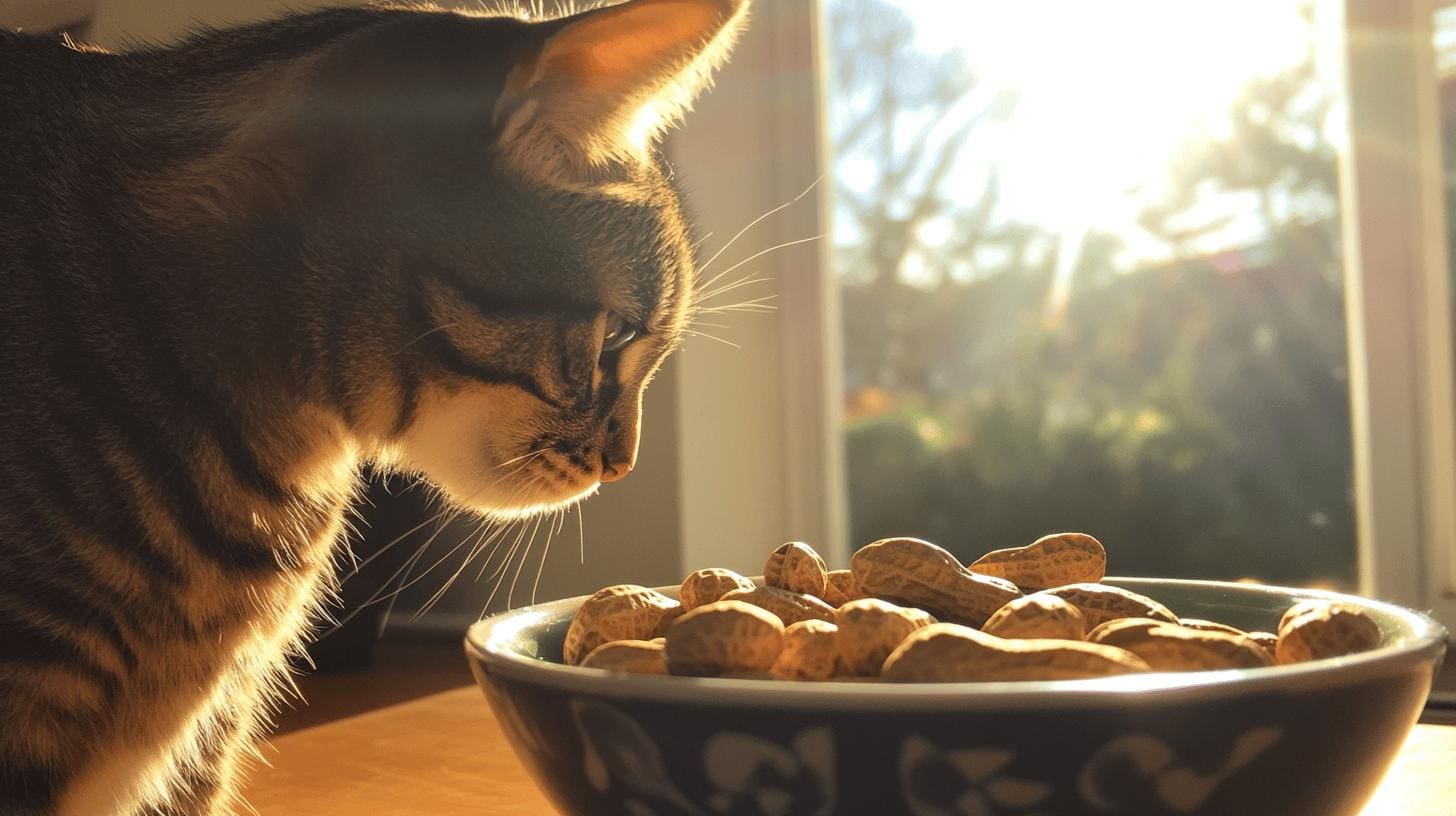
Peanuts are not toxic to cats. They can nibble on a few without immediate harm. However, peanuts are not a necessary part of a feline diet. Cats are obligate carnivores, meaning their bodies are designed to thrive on animal-based proteins. Peanuts don't meet their nutritional needs and can pose health risks if not managed carefully.
Feeding peanuts to cats can lead to several health issues. The high-fat content in peanuts makes them a questionable choice for treats. Regularly consuming peanuts may lead to obesity, which can increase the risk of diabetes and other health problems in cats.
Additionally, peanuts, particularly in their shells, can be a choking hazard. Cats might accidentally swallow them whole, leading to possible intestinal obstruction or choking. It's best to keep them as an occasional treat, if at all.
Salt poisoning is another concern when it comes to feeding peanuts to cats. Excessive salt can lead to serious health issues, such as an electrolyte imbalance. When considering peanuts, it's crucial to avoid salted varieties to prevent these problems. Here are some symptoms of salt poisoning to watch out for:
- Vomiting
- Diarrhea
- Lethargy
- Excessive thirst or urination
Lastly, some cats can be allergic to peanuts. It's important to introduce them in very small amounts to gauge any allergic reactions. Signs of an allergic reaction can include vomiting, diarrhea, or skin irritations. Always be attentive and consult with a veterinarian if you notice any adverse effects. Monitoring your cat's response to peanuts can help ensure their safety and well-being.
Can Cats Safely Eat Peanut Butter?
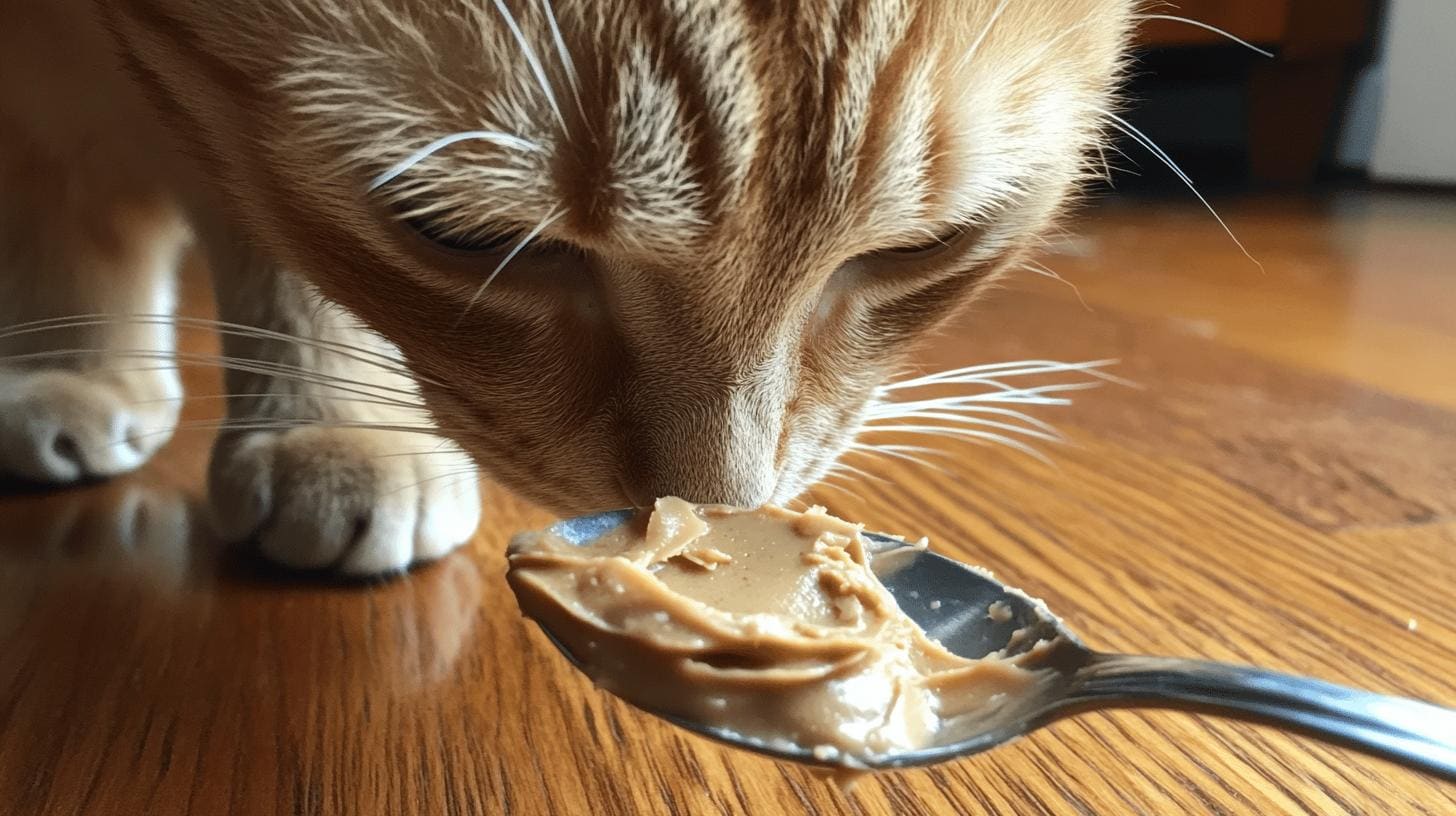
Peanut butter is not toxic to cats. They can consume it without immediate harm, but that doesn't mean it's suitable for regular inclusion in their diet. Though many cats might find peanut butter appealing due to its rich and savory flavor, it's important to approach it with caution.
Excessive consumption of peanut butter can lead to several gastrointestinal issues in cats. The creamy texture and high-fat content can upset a cat's digestive system, resulting in vomiting, diarrhea, gas, and stomach pains. These symptoms can be distressing for both the cat and the owner. Given these potential issues, it's clear that peanut butter should not be a staple in a cat's diet.
Feeding Recommendations for Peanut Butter
Moderation is key when it comes to feeding peanut butter to cats. Veterinary experts suggest that peanut butter should only be fed occasionally and in small amounts. An appropriate guideline is to offer no more than half a teaspoon twice a week.
Always opt for plain, unsweetened peanut butter to avoid any added sugars or artificial sweeteners that could be harmful. By sticking to these recommendations, you can minimize the risks and allow your cat to enjoy peanut butter as an occasional treat.
Are There Any Nutritional Benefits of Peanuts for Cats?
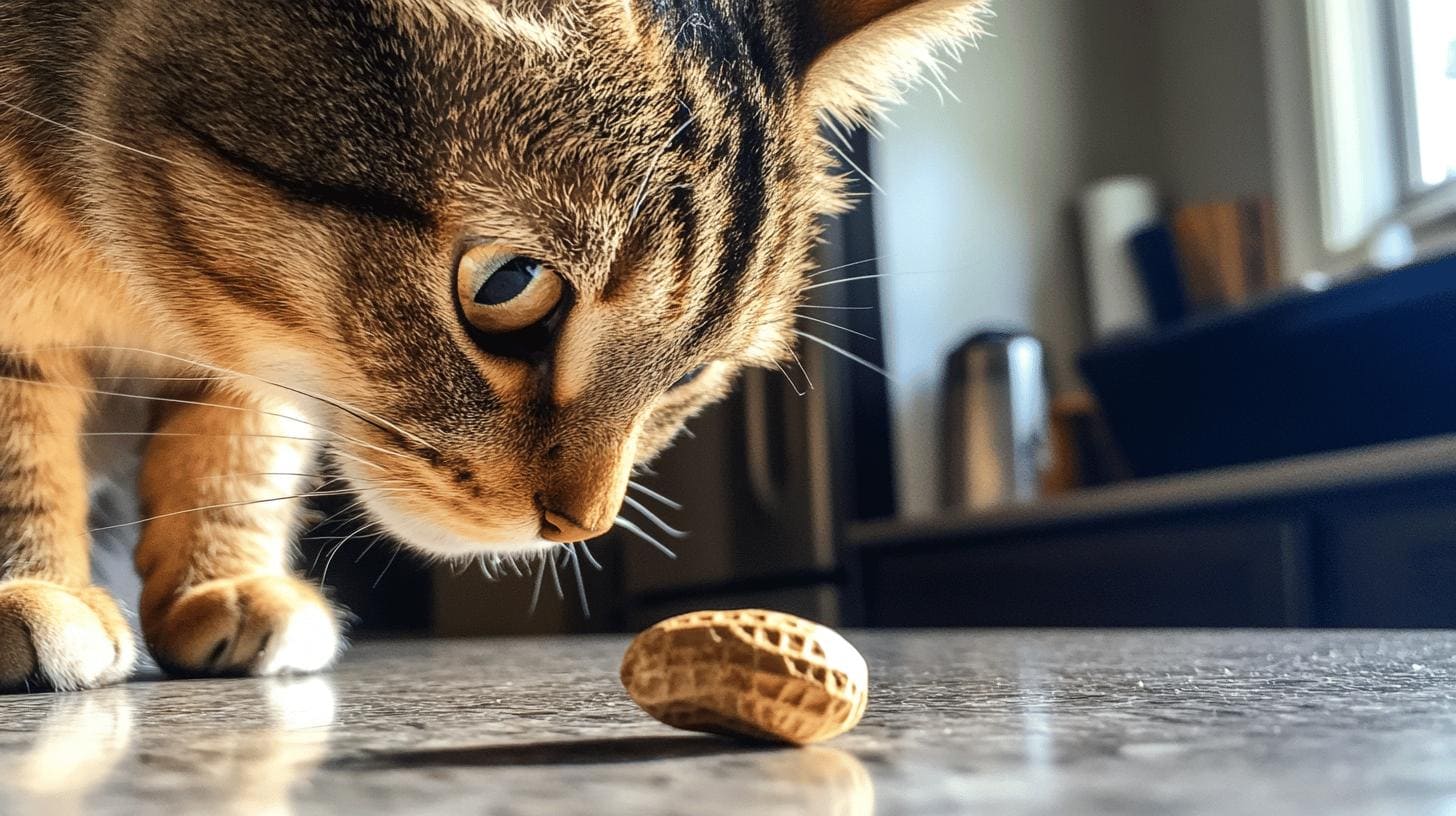
Peanuts don't offer significant nutritional benefits for cats. They're high in fat, which can lead to digestive issues and potentially contribute to obesity. While peanuts are a common snack for humans, they lack the essential nutrients that cats require to remain healthy. Feeding your cat peanuts occasionally might not cause immediate harm, but the advantages are minimal.
Cats are obligate carnivores, relying on a diet rich in animal-based proteins to meet their nutritional needs. Key nutrients like taurine and arginine, vital for their health, are abundant in meat but absent in peanuts.
It's crucial to focus on a balanced, meat-centric diet tailored to their carnivorous nature. This approach ensures they receive all necessary nutrients, avoiding foods like peanuts that don't match their dietary requirements.