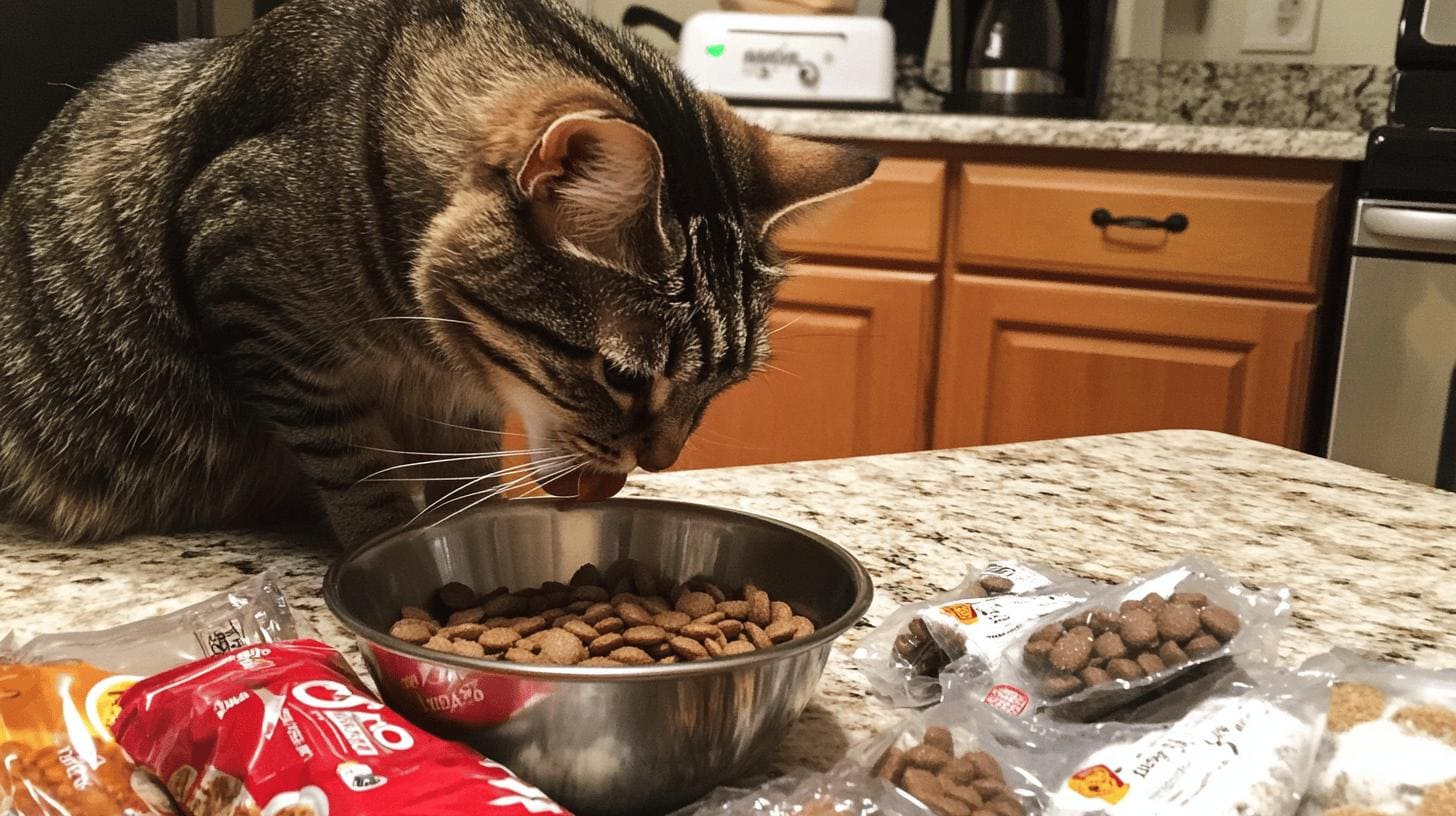
Can cats enjoy salted fish without harm? While you might think offering your cat a tasty treat is harmless, salted fish is actually a risky choice. Cats need a diet high in meat, but the excessive salt in fish can lead to serious issues like dehydration and kidney problems. Understanding the symptoms of salt toxicity and fish allergies is crucial for your cat's safety. In this guide, I'll break down the risks involved, how to manage allergies, and suggest safer dietary alternatives. Keep reading to ensure your feline friend's well-being.
Can Cats Eat Salted Fish: Risks and Allergy Management
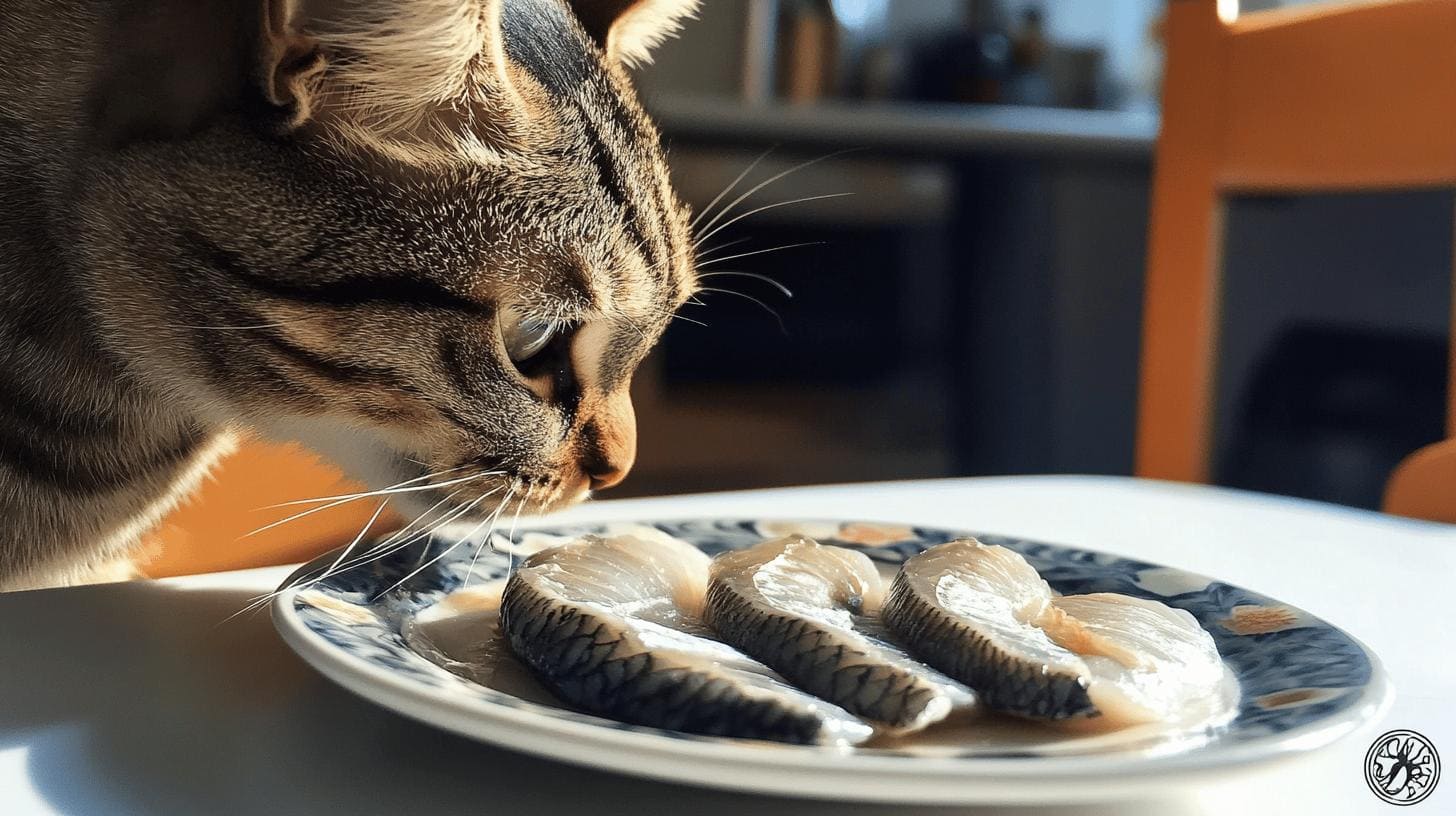
Salted fish is not a safe option for cats. The high sodium content poses significant health risks. Cats require a diet rich in meat, and the excessive salt in salted fish can lead to salt toxicity. Symptoms of salt toxicity in cats include dehydration, kidney issues, and increased blood pressure. As obligate carnivores, their bodies are not equipped to handle high levels of sodium, making salted fish a poor dietary choice.
Symptoms of salt toxicity and fish allergies in cats can manifest as:
- Vomiting
- Diarrhea
- Lethargy
- Itching
- Skin redness
Managing fish allergies involves recognizing these symptoms and making necessary dietary adjustments. If a cat exhibits signs of an allergy, it's crucial to identify the cause. A veterinarian can confirm fish allergies and recommend an appropriate diet. Eliminating fish from the cat's meals and choosing hypoallergenic foods can help alleviate symptoms. Monitoring the cat's reaction to new foods is also essential in managing allergies effectively.
Salted fish lacks essential nutrients needed for a cat's health. It does not provide the balanced nutrition required for a cat's well-being. Cats need a diet that includes proteins, vitamins, and minerals. Salted fish fails to meet these nutritional needs, making it an inadequate choice for regular feeding.
Instead of salted fish, consider safer protein sources for cats. Options like cooked chicken, turkey, or beef offer the necessary nutrients without the risks associated with high sodium. These alternatives ensure a balanced diet, promoting overall health and reducing the likelihood of allergies or nutritional deficiencies.
Safe Fish Options for Cats
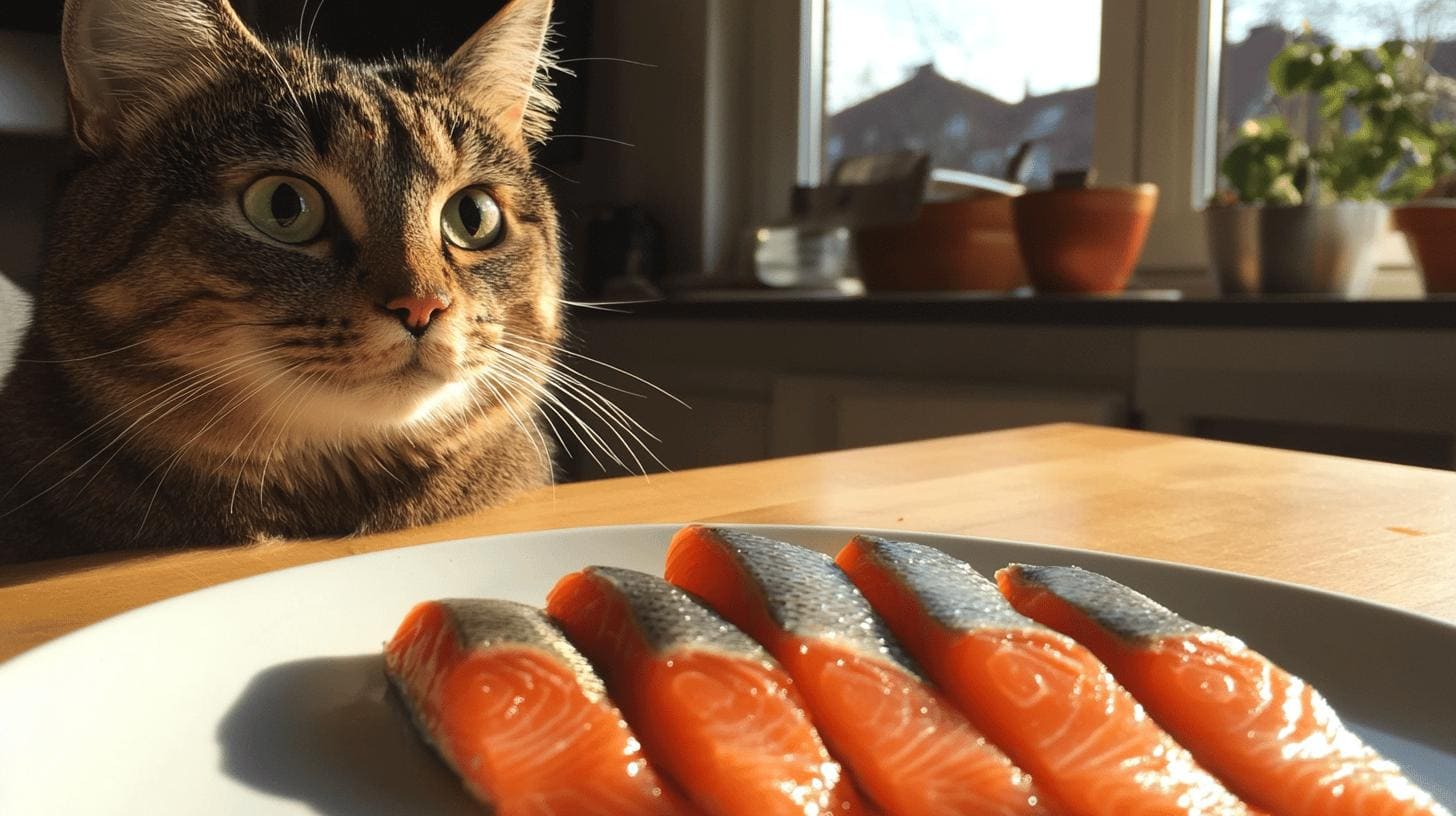
Salmon, sardines, and cooked cod are some of the best fish options for cats. These types of fish offer nutritional benefits, including protein and Omega-3 fatty acids, which contribute to a cat's overall health. Salmon is particularly high in Omega-3, supporting neurological health and providing anti-inflammatory benefits. Sardines are rich in vitamin B12 and protein, while cod is a lean source of protein, making them suitable choices for a feline diet. These fish should be cooked properly to ensure they are safe for consumption.
Here are some best practices for cooking and serving fish to cats:
- Remove all bones to prevent choking hazards.
- Cook fish using methods like baking or boiling.
- Avoid adding salt, spices, or oils.
- Serve fish at room temperature.
- Offer fish as an occasional treat, not a staple.
- Monitor cat's reaction to fish introduction.
Including fish in a cat's diet can be beneficial, as it provides essential nutrients that support various aspects of their health. Fish can improve a cat's skin and coat, making their fur shinier and healthier. Despite these benefits, it is vital to remember that fish should only be a supplementary part of a cat's diet, not the main component.
Moderation is key when feeding fish to cats. Fish should be given no more than twice a week to prevent nutritional imbalances. While fish is a tasty treat that many cats enjoy, it lacks certain nutrients that cats require for a completely balanced diet. Ensuring that fish is a small part of a varied diet helps maintain optimal health for your feline friend.