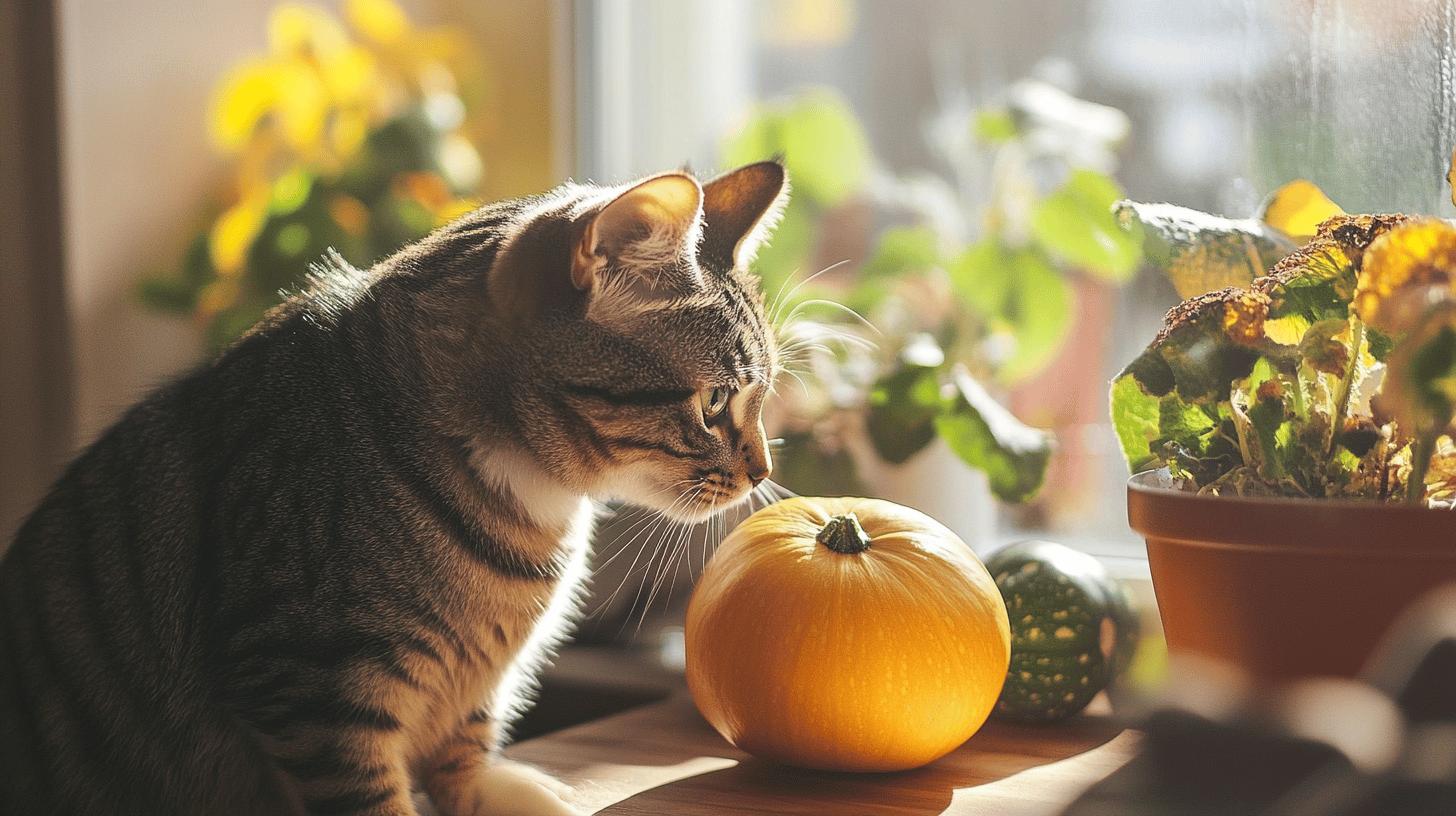
Curious if your cat can safely nibble on squash? You're not alone! While squash isn't the typical fare for our feline friends, it does have some surprising perks. Packed with vitamins like A, C, and E, squash can enhance your cat's diet if served the right way. But remember, cats are meat-lovers at heart, so squash should only play a supporting role. In this post, we'll explore how to add squash safely and healthily to your cat's menu, ensuring they reap the benefits without risking their health.
Can Cats Safely Eat Squash?
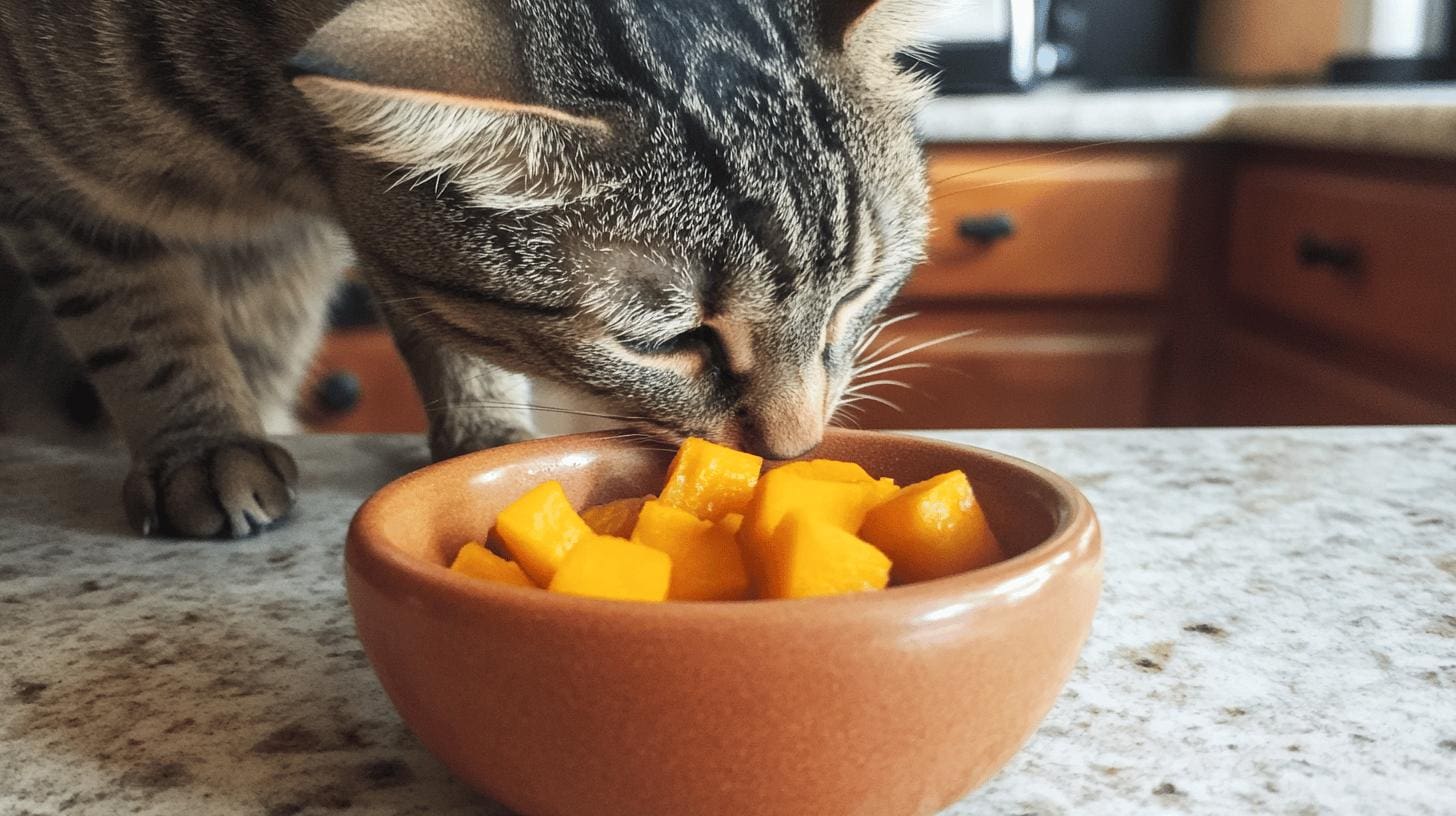
Cats can indeed eat squash, but it's crucial to introduce it in a controlled and moderate way. Squash is non-toxic to cats and offers essential nutrients that can complement their diet. These nutrients include vitamins A, C, and E, which can support their health in several ways. However, moderation is key. Cats are obligate carnivores, meaning their primary nutritional needs are met through meat. Squash should only be a small part of their diet, not a primary food source. When serving squash, it's important to ensure it is cooked and prepared correctly to maximize its benefits and minimize potential risks.
Here are some key considerations when offering squash to your feline friend:
- Cook it thoroughly: Make sure the squash is cooked to soften it and make it easier to digest.
- Serve plain: Avoid adding any seasonings, sugars, or other ingredients that could harm your cat.
- Introduce slowly: Start with a small amount to monitor how your cat reacts to it.
Feeding raw squash to cats is not advised. Raw squash can be tough for them to digest and might lead to digestive blockages. Cats' digestive systems are not equipped to handle raw vegetables like squash, which can cause discomfort or even more serious gastrointestinal issues. Therefore, it's best to always cook and peel squash before serving it to your cat, ensuring that it's safe and easily digestible.
Nutritional Benefits of Squash for Cats
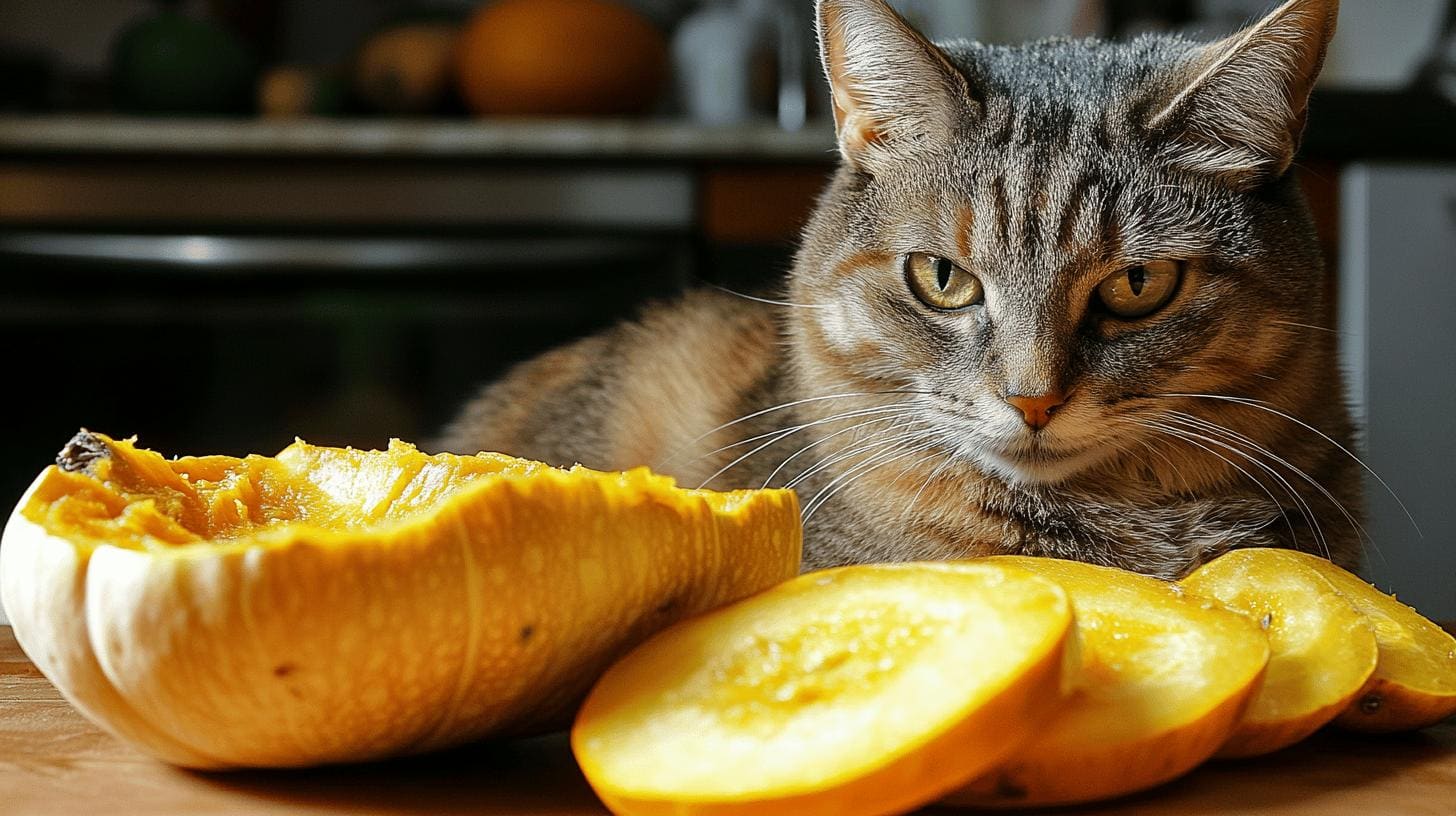
Squash is a powerhouse of nutrients that can offer several health benefits to cats when included in their diet in moderation. It is rich in vitamins A, C, and E, which are crucial for maintaining a cat's overall health. Vitamin A supports vision and immune function, while vitamin C acts as an antioxidant to help protect cells from damage. Vitamin E is vital for skin and coat health. Additionally, squash contains potassium, which is essential for maintaining proper muscle and nerve function, and dietary fiber, which aids in digestion and can help prevent constipation.
| Nutrient | Benefit for Cats |
|---|---|
| Vitamin A | Supports vision and immune health |
| Vitamin C | Acts as an antioxidant |
| Vitamin E | Promotes skin and coat health |
| Potassium | Maintains muscle and nerve function |
| Dietary Fiber | Aids in digestion |
Incorporating squash into a cat's diet can enhance their immune system and support digestive health. The dietary fiber present in squash helps regulate bowel movements and can be particularly beneficial for cats with sensitive stomachs. By providing these essential nutrients, squash can contribute to a healthier and more balanced diet for your feline friend, as long as it is given in appropriate amounts alongside their primary meat-based nutrition.
Potential Risks and Considerations of Feeding Squash to Cats

Cats are obligate carnivores, meaning their diet primarily relies on meat to meet their nutritional needs. While squash can be a healthy addition to a cat's diet, it should not replace meat as the main component. Meat provides essential proteins and amino acids that squash cannot. Therefore, it's important to use squash as an occasional supplement rather than a staple food. When adding squash to a cat's diet, ensure it is served in moderation to maintain a balanced nutritional intake.
When offering squash to your cat, consider these potential risks:
- Digestive issues: Too much squash can lead to digestive upset, including diarrhea or constipation.
- Allergic reactions: Some cats may have allergies to squash, leading to symptoms like itching or vomiting.
- Nutritional imbalance: Over-reliance on squash can cause a lack of essential nutrients found in meat.
- Choking hazards: Improperly prepared squash can be difficult for cats to chew and swallow safely.
Monitoring your cat's reaction to squash is crucial. Start with small amounts and keep an eye out for any signs of discomfort or allergic reactions. If your cat shows any adverse symptoms, discontinue feeding squash and consult with a veterinarian. Regular checks ensure that squash remains a safe and beneficial part of your cat's diet without compromising their overall health.