Is it safe for your cat to nibble on your breakfast waffle? While it might seem harmless, it's essential to understand the risks involved. Cats are curious creatures, often interested in human food, but waffles aren't the best choice for their diet. Packed with carbs and sugar, waffles can contribute to serious health issues like obesity and diabetes for our furry pals. Before you let your cat indulge in a bite, let's explore why waffles might not be the healthiest treat and what makes up a cat-friendly diet.
Can Cats Safely Eat Waffles? Understanding the Ingredients and Health Risks

Waffles are a delicious treat for us humans, but they don't make the best snack for our feline friends. They are packed with carbohydrates, which aren't ideal for a cat's diet. Cats are obligate carnivores and thrive on a diet high in protein and low in carbs. The high carbohydrate content in waffles can contribute to obesity, insulin resistance, and diabetes in cats. Furthermore, waffles often contain ingredients like flour, milk, and butter that don't align with a cat's nutritional needs.
So, why might your cat seem interested in waffles? Cats lack taste receptors for sweetness, which means they're not drawn to waffles for their sugary taste. Their interest might be more related to curiosity or the appealing smell rather than the taste itself. It's not uncommon for cats to investigate our food choices simply because they want to know what we're up to.
One significant concern with waffles is the lactose intolerance found in many cats. Milk and butter, common in waffle recipes, can pose digestive problems. Most adult cats lack the enzyme lactase, which is necessary to break down lactose found in dairy products. This can lead to gastrointestinal discomfort, such as gas or diarrhea, when they consume milk-based ingredients.
- Flour: Offers little nutritional value and can cause digestive issues if consumed in excess.
- Sugar: Harmful to cats, contributing to obesity and potential diabetes.
- Butter: Contains lactose, which many cats struggle to digest.
- Syrup: High in sugar and can cause unnecessary weight gain and insulin resistance.
The potential health risks of feeding waffles to cats extend beyond just an upset stomach. Regular consumption of waffles can result in obesity due to the high-calorie content and lack of essential nutrients. Obesity in cats can lead to more serious health complications, including heart disease and joint issues. Additionally, the sugar in waffles can affect a cat's insulin levels, increasing the risk of diabetes.
Sharing human foods like waffles with cats is not advisable. Feeding them such foods can lead to longer-term health issues and unnecessary trips to the vet. Instead, sticking to a diet specifically designed for feline health is the best way to ensure your cat maintains a balanced and nutritious diet.
Alternative Snacks and Treats for Cats
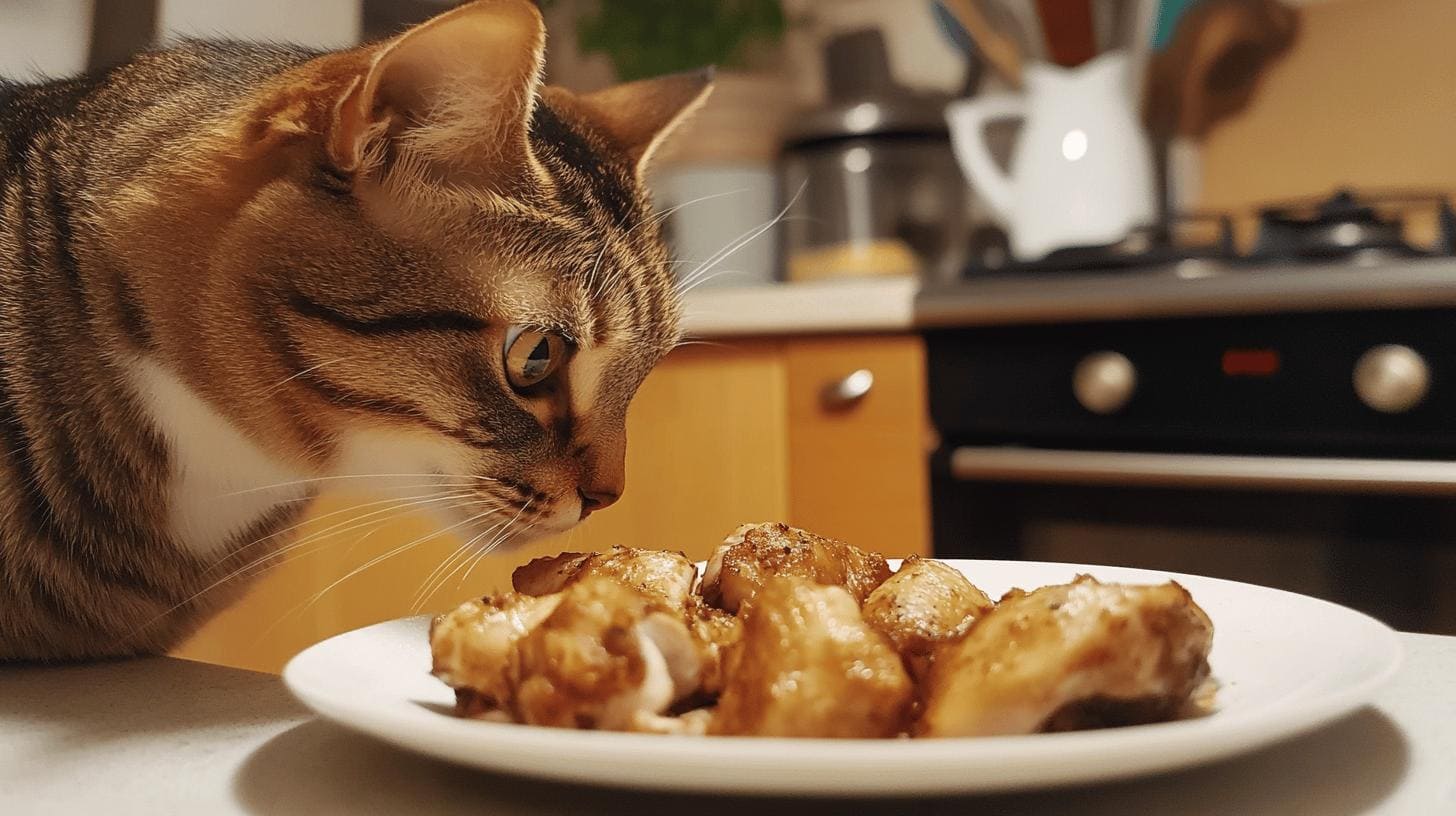
When it comes to feeding our feline friends, there are plenty of cat-friendly foods that offer nutritional benefits far superior to waffles. Meats like chicken and turkey are excellent sources of protein, fulfilling a cat's dietary needs. Fish, when cooked properly, provides essential fatty acids that promote a shiny coat and healthy skin. Eggs are another great option, packed with protein, vitamins, and minerals. Cheese, in small amounts, can be a tasty treat, offering calcium and protein. Vegetables like cooked carrots and peas can also be included as occasional snacks, providing fiber and vitamins.
Homemade cat treats are a safe and healthy alternative to processed human foods. By making treats at home, you can control the ingredients and ensure they align with your cat's dietary needs. Simple recipes can include ingredients like cooked chicken or fish mixed with a bit of catnip for added appeal. These treats are not only nutritious but also free from additives and preservatives often found in store-bought snacks.
A protein-rich diet is crucial for maintaining feline health. Cats are obligate carnivores, meaning their bodies are designed to thrive on meat. Ensuring they consume adequate protein helps support muscle development, energy levels, and overall well-being. While it might be tempting to share a bit of your breakfast, sticking to a diet high in animal-based proteins ensures your cat gets the nutrients they need to stay healthy and active.
| Alternative Snack | Nutritional Benefit |
|---|---|
| Chicken | High in protein |
| Fish | Rich in omega-3 fatty acids |
| Eggs | Source of essential vitamins |
| Cheese | Calcium and protein |
| Carrots | Provides fiber and vitamins |