
Could your dog be throwing a cat flea takeover? Sounds wild, right? But here’s the deal: about 90 percent of the fleas that land on pets in North America are cat fleas (tiny insects that jump and bite). And they don’t care if they end up on fluffy fur, twitchy whiskers, or wagging paws.
They bite. They feed. Then they sneakily lay eggs right in your pup’s coat. Ew. It’s like a flea fiesta no one asked for.
If your dog’s been scratching non-stop, you’re not alone. Many pet parents lose sleep over the constant itch. Um, I get it.
So what’s next? I’ll walk you through how cat fleas make themselves at home on dogs and share stress-free tips to send those little jumpers packing. By the end, your pup will be back to napping instead of scratching. Ready? Let’s dive in.
Cat Flea Infestation on Dogs: Fact vs. Fiction
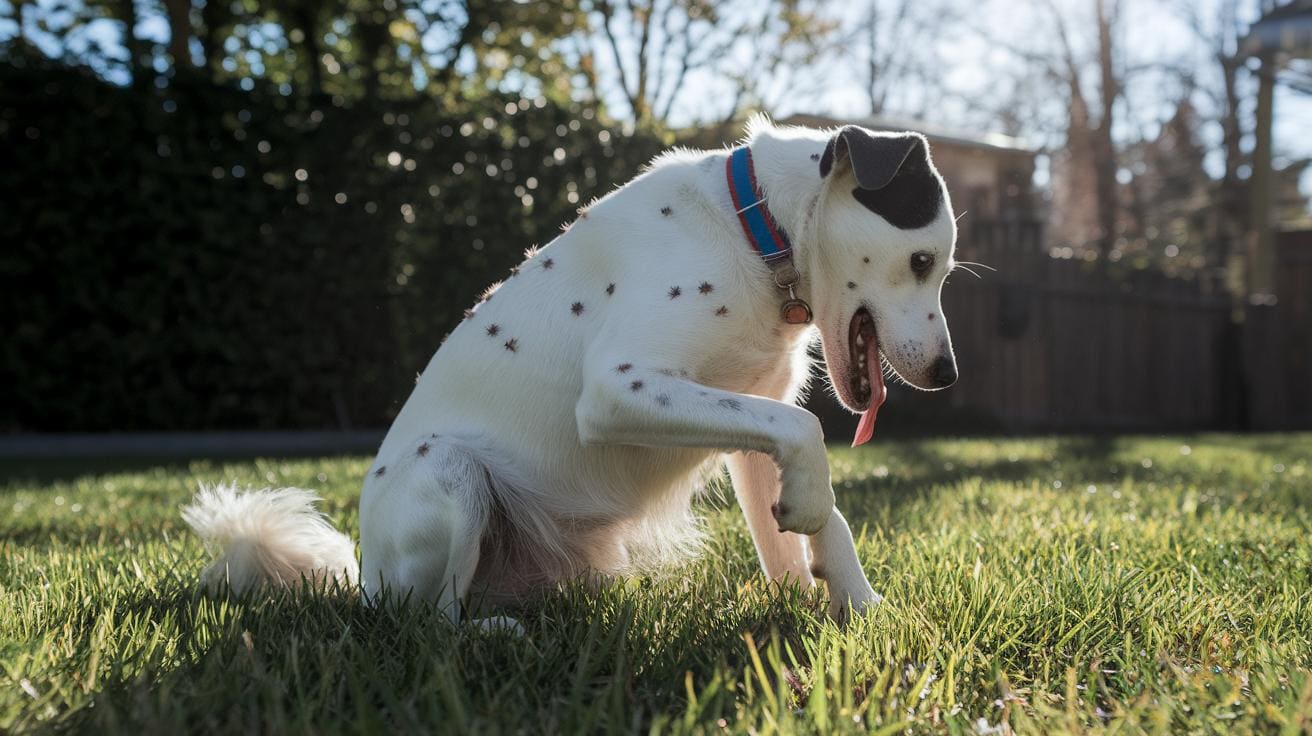
Ever noticed your pup scratching like crazy and wondered if cat fleas could be the cause? Surprise – about 90% of the fleas on both cats and dogs in North America are actually cat fleas, and they love living on dogs too.
These tiny jumpers don’t just hitch a ride. They bite, feed, mate, and lay eggs right in your dog’s fur, yum, right? If you’ve ever found flea dirt (tiny black specks) on your dog, that’s a telltale sign.
Folks often blame Ctenocephalides canis (dog fleas, the species that usually prefers dogs), but in most homes it’s cat fleas doing the dirty work.
Here’s how cat fleas keep their party going:
- One flea can lay up to 50 eggs a day, right on your pet’s coat.
- Those eggs fall into carpets, dog beds, and yard patches.
- Tiny larvae hatch and spin cocoons in hidden spots, then emerge as adults.
- The new fleas leap onto any warm body, and the cycle starts again.
So yes, your dog can get cat fleas, and they’ll breeze through every stage of their life cycle right on your pup.
Worth a double take next time you see your dog bite at its fur.
Cat Flea Biology and Lifecycle Implications for Dogs
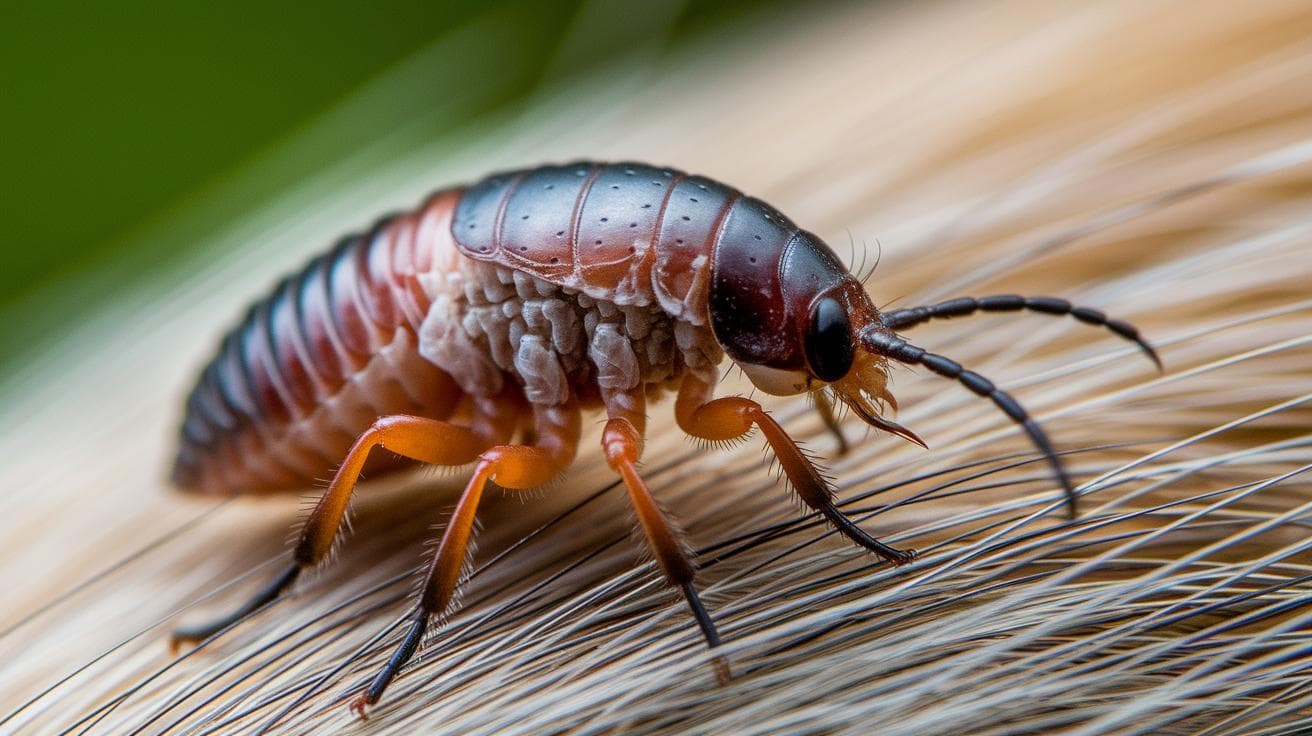
Fleas are tiny stowaways that settle on your dog and hide in your home. Ever felt your pup twitch from one of those itchy bites? They go through four busy stages before they’re ready to hop back on. Knowing how each step works gives you the edge to stop them.
- Egg: tiny oval bits (salt-grain size) a female cat flea can lay up to fifty of each day in your dog’s fur or deep in carpet fibers.
- Larva: a pale, worm-like baby (think tiny caterpillar) that hatches in about 2-12 days and feasts on flea dirt (adult flea droppings).
- Pupa: tucked inside a sticky cocoon (like a minuscule sleeping bag), this stage can snooze for weeks to months, shrug off sprays or cold, and finally pop out when it senses warmth, vibrations or carbon dioxide.
- Adult: wingless jumpers (1-3 mm long) that leap onto dogs to drink blood, mate and lay eggs. In warm, humid spots, this whole cycle can finish in just 2-4 weeks.
Next, break their party at home. I once vacuumed Ziggy’s bed and watched tiny specks tumble out – eggs, larvae and pupae staging a flea festival. So grab your vacuum and go over rugs, bedding and furniture often. Um, each pass shakes out those sneaky stages so they meet your chosen treatment.
Then treat pet areas with a home-safe insecticide spray to stop fleas before they hop back onto your dog. Worth every moment you spend fighting those tiny invaders.
Recognizing Cat Flea Signs on Dogs
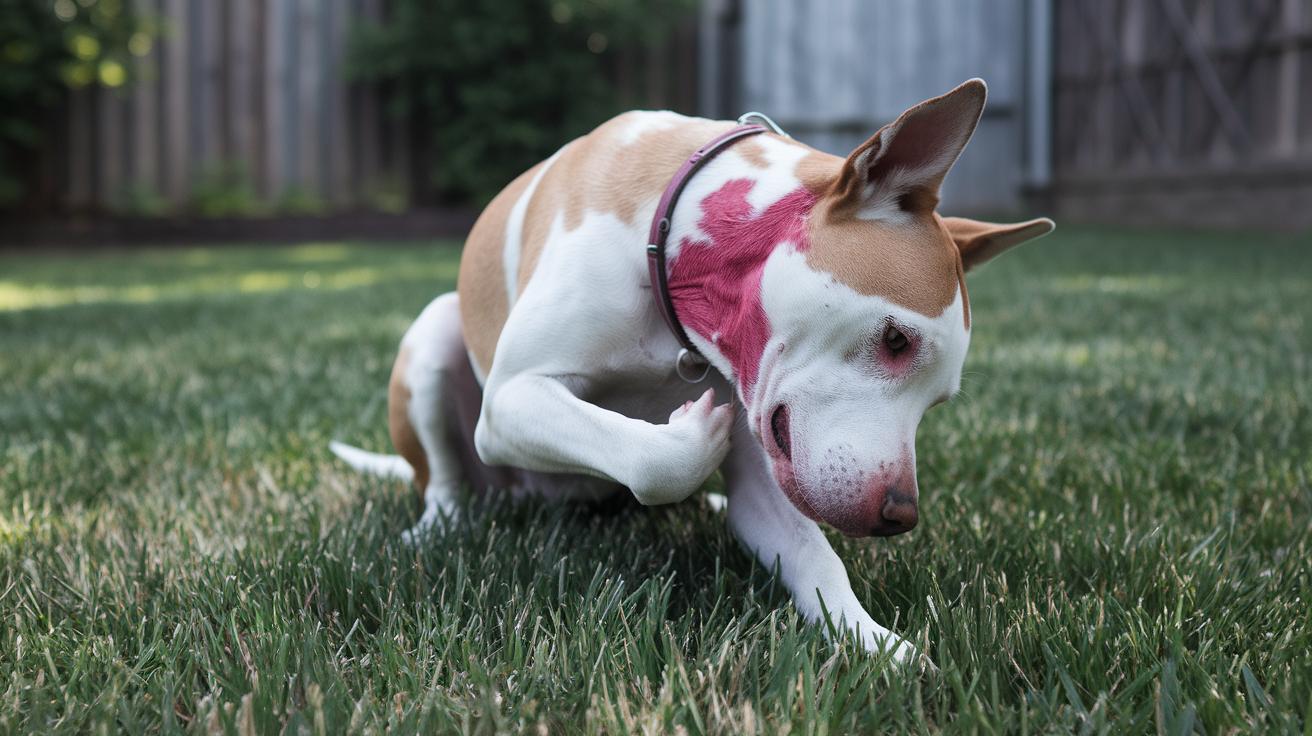
Ever peek at your pup’s fur and spot tiny black specks that look like pepper? That crunchy peppery bit under your fingers is flea dirt (tiny flea droppings packed with blood). And um, ever watch your dog scritch-scratch so hard you hear a soft thud on the carpet? Ouch, that sound makes me wince.
Common clues to catch early:
- Scratching or biting at the base of the tail and belly
- Little bald patches around the neck or hind legs
- Red or sore skin that looks raw or scabby
- Tiny black dots (aka flea dirt) hugging the skin
Each flea bite pokes through the skin to sip your dog’s blood. Then your pup might lick or chew those spots until they turn into red, oozing sores if germs (bacteria) crash the party. Itchy misery.
Puppies and small dogs with lots of fleas can lose enough blood to feel weak. Check for pale gums, a racing heart, or low energy, signs that anemia (low red blood cells) is sneaking in. Yikes.
Some dogs hit the jackpot with flea allergy dermatitis (a super itchy reaction to flea spit). They scratch until they carve out hot spots, moist, raw patches that can smell and ooze. Your pup may fixate on that one unlucky spot.
Catch these signs early for faster relief and cozier, itch-free nights.
Treatment Options for Cat Fleas on Dogs
Ever watched your dog scratch like there’s no tomorrow? It’s rough on them and on you. Let’s talk about easy ways to zap those pesky fleas.
-
Topical spot-on products
Think of this as a magic drop you squeeze right between your dog’s shoulder blades. Ingredients like fipronil (a bug paralyzer), imidacloprid (a flea nerve blocker), or selamectin (a broad bug fighter) kill adult fleas on contact and stop eggs from hatching. Just do it once a month, and you’re set for weeks of calm fur. -
Oral flea meds
Pop a pill or give a tasty chew and voilà, your pup becomes a flea-fighting factory. Nitenpyram wipes out adults in hours. Spinosad sticks around in the bloodstream for longer protection. Perfect for dogs that hate baths or love treats. -
Flea collars
Clip on a collar with flumethrin or imidacloprid and let it work its magic. Some collars repel fleas, others knock them out on the spot. They last two to eight months, so you can go hands-off for a while. Worth it when life gets busy. -
Flea shampoos
A sudsy shampoo session gives your dog a squeaky-clean bath and kills the first wave of adult fleas. Just know you’ll need follow-up spot-on drops or sprays, those suds can’t reach every egg or pupa hiding in your home. Great for a quick spruce-up before company arrives. -
Prescription flea treatments
When over-the-counter options just don’t cut it, vets can prescribe stronger combos that tackle eggs, larvae, pupae, and adults all at once. These usually blend insect growth regulators with adult killers. Ideal for serious flea invasions.
Mix and match what feels right for your dog’s comfort and how fast you need relief. If your pup has sensitive skin or you’re dealing with a stubborn flea crowd, chat with your vet first. Then set a calendar reminder, consistency is your best defense against a flea comeback.
Environmental Control to Combat Cat Fleas on Dogs
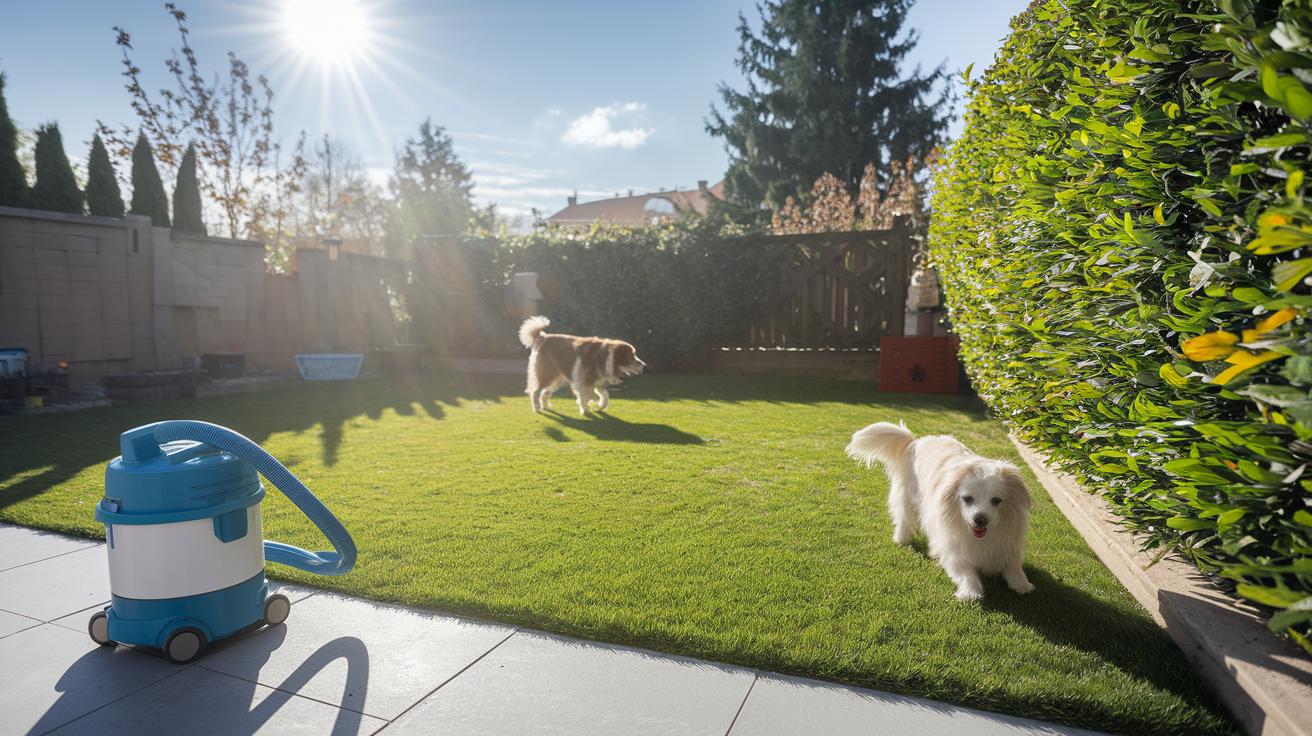
Ever spot tiny flea eggs tumbling off your dog onto the carpet? Vacuuming isn’t just busywork, it’s what shakes loose those eggs, larvae (baby fleas), and pupae (cocoon stage) so your flea spray can do its thing. Aim to run your vacuum over every room once or twice a week, paying extra attention to rugs, couch seams, and under furniture!
Next, let’s tame those fabrics and bedding. Washing pet beds in hot water zaps eggs and larvae hiding in seams. And don’t forget to toss throw blankets or washable toys into the dryer, heat is a quick flea killer. Oops, make that two laundry chores you can actually feel good about.
Now, bring out the big guns: home-safe flea sprays or foggers for adults and larvae sneaking into cracks and crevices. Remember, pupae can shrug off many sprays inside their cocoons, so plan to reapply in about 10–14 days. Here’s a simple routine to follow:
- Vacuum floors, rugs, upholstery, and pet zones
- Wash all bedding, blankets, and toy covers in hot water
- Spray pet bedding and furniture with a flea-safe mist
- Fog rooms only if fleas really spike
- Reapply sprays or foggers after two weeks to catch new hatchlings
Don’t forget the yard, fleas love to hang out under shrubs and patio edges. Sprinkle insect growth regulators (a treatment that stops larvae from maturing) around problem spots. Then add diatomaceous earth (fine powder that dries out bug bodies) and a ring of cedar chips, dogs and cats tend to steer clear of that woody scent.
Stick with this vacuum-wash-spray-yard combo until your floors go crunchy-quiet and your pup’s coat is scratch-free. Worth every minute.
Preventing Cat Fleas on Dogs with Routine Measures

Ever caught your cat mid-itch then spotted your dog scratching? Let’s set up a claw-tastic integrated pest management plan (a mix of flea-fighting methods that work together). Chat with your vet about spot-on treatments (liquid flea medicine you apply between the shoulder blades), safe home remedies, um, and regular cleaning routines.
Next, tackle your home and yard with this checklist:
- Vacuum floors and carpets (that satisfying swoosh) every week.
- Wash pet bedding in hot water to zap hidden fleas.
- Keep grass trimmed and leaf piles cleared so fleas have nowhere to hide.
Then set a monthly reminder on your phone: flea drops day. You’ll stay on track and keep fleas off your dog all year. Worth every paw-print.
Recognizing Cat Flea Signs on Dogs
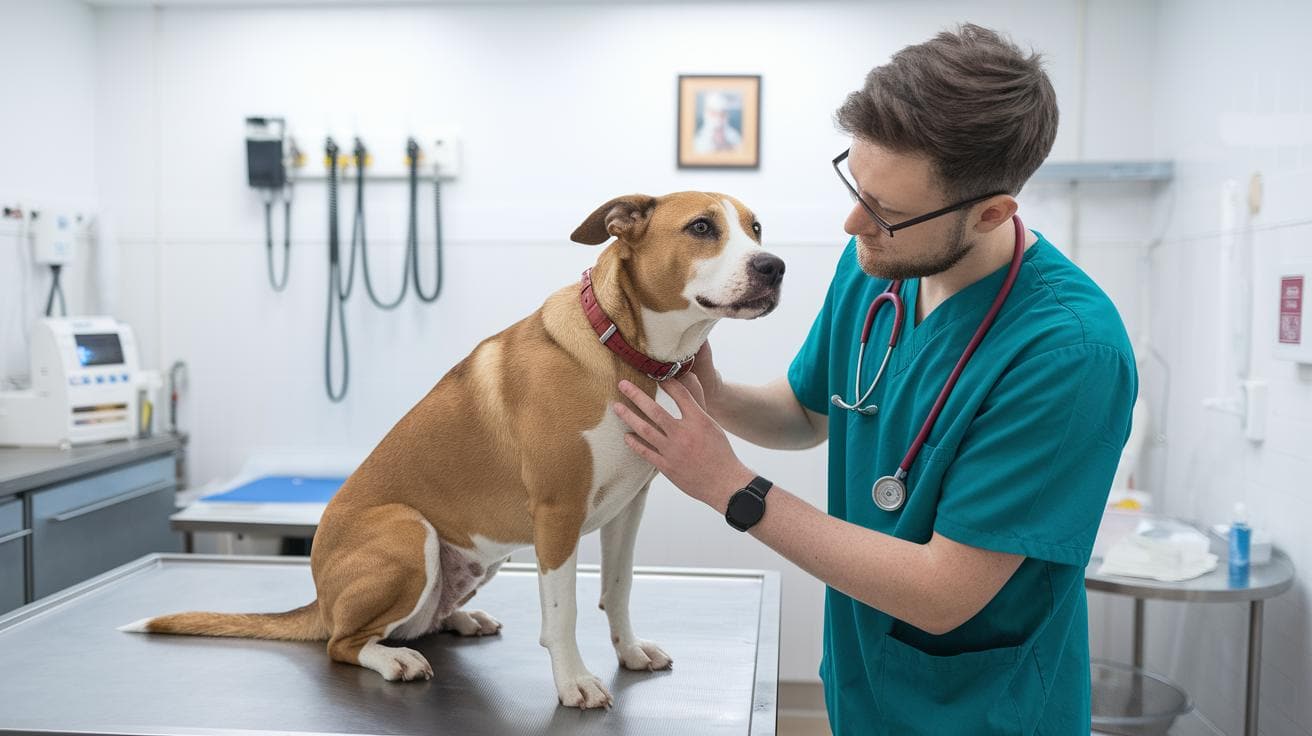
Hey pet pals, fleas that love cats can hop onto your dog too. You might notice your pup twitching, scratching or nibbling more than usual. Sometimes you’ll spot tiny dark specks (flea dirt) near the hair roots or live fleas jumping around. Watch for these clues:
- constant scratching or chewing
- little black specks at the base of hairs
- red bumps or rash-like spots
- patches of missing fur
Ever had your dog spin in circles because they can’t stop itching? If the scratch party lasts over a week, it’s time to call your vet. And if you see new bald spots, red oozing sores (hot spots), pale gums, low energy or a racing heart (signs of anemia), don’t wait. Smelly scabs or odd reactions to flea treatments also mean vet time.
Worth every wag.