Ever thought a sneaky virus could lurk in your kitty’s DNA (its genetic blueprint)? It waits silently for just the right moment to pounce.
FeLV (feline leukemia virus; a stealthy cat germ) slips into kitty cells like an uninvited guest and sticks around for life. Ever watched your cat chase shadows? This virus is even more secretive!
Over time, it’s like rusty gears jamming up your cat’s body. Cells stop growing right, new cancers can ignite, and your kitty’s immune shield (its disease-fighting force) wears down.
That hidden troublemaker makes monitoring your cat’s health feel like a high-stakes game of cat and mouse. Who doesn’t want to level up their defenses?
Let’s dive in!
In this guide, you’ll find simple steps to spot FeLV clues, choose the right tests, and build a safe plan so you and your furball can feel confident every day.
Understanding Feline Leukemia Virus: Definition, Causes, and Global Impact
Ever wondered what feline leukemia is all about? FeLV, short for feline leukemia virus, is a gamma-retrovirus (an RNA-based virus that turns into DNA inside cat cells) in the Retroviridae family. Once it sneaks its code into kitty cells, it stays there for life as a provirus (viral DNA tucked into cells). Over time, that hidden troublemaker can jam up cell growth, spark cancers, weaken your cat’s immune shield, or cause blood issues. And because it’s parked in their DNA, it can flare up later, making it tricky to manage.
You’ll find FeLV everywhere: busy shelters, cozy homes, and rural farms alike. In the US, about 2 to 3% of cats carry it, but that risk jumps above 30% in outdoor roamers, multi-cat households sharing bowls, or kitties who get into scraps. Kittens are extra vulnerable, their tiny immune systems can’t always fight it off. And adult cats? They can hide the virus quietly for months without a single sniffle.
Early detection is key.
Coming up, we’ll chat about how to spot FeLV signs, the vet tests to pin it down, and treatments that can help. We’ll also dive into prevention, think indoor-only fun and vaccines, and wrap up with long-term care tips so you and your cat can stay feline fine.
Feline Leukemia Virus Transmission Routes and Key Risk Factors
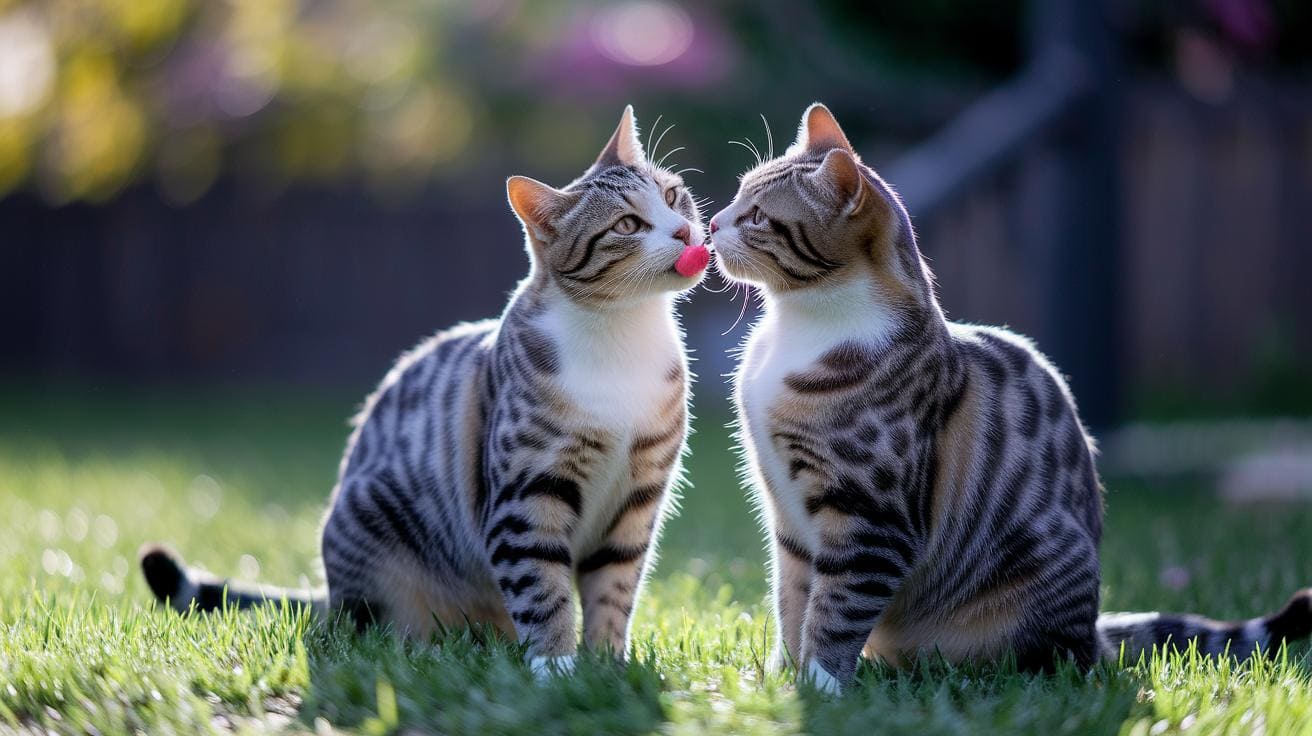
So how do cats catch FeLV? Mostly through direct contact, think mutual grooming where saliva slips into tiny skin cuts (saliva-blood contact). Your kitty’s whiskers might twitch while getting a bath from a buddy, but that friendly lick can be a sneaky virus ride. Sharing food or water bowls passes saliva, too. And if cats squabble, bite wounds become open roads for FeLV.
FeLV only survives a few hours outside a host, so it won’t hang around on the carpet. Your cat really needs those close-up moments to pick it up. Ever seen your cat nose-boop another? Cute, just keep an eye on sleepy snuggles, too.
Mother-to-kitten spread (vertical transmission) happens before birth or through nursing afterward. Kittens born to infected queens often test positive in just a few weeks. Oops, let me rephrase that, those sweet nursing sessions can pass on the virus fast.
Outdoor cats and busy multi-cat homes see infection rates above 30 percent, you read that right, over thirty. Keeping uninfected cats indoors and away from unknown cats cuts the risk way down, especially for vulnerable kittens and seniors. Worth every paw-print.
Clinical Signs of Feline Leukemia: Recognizing Symptoms in Cats
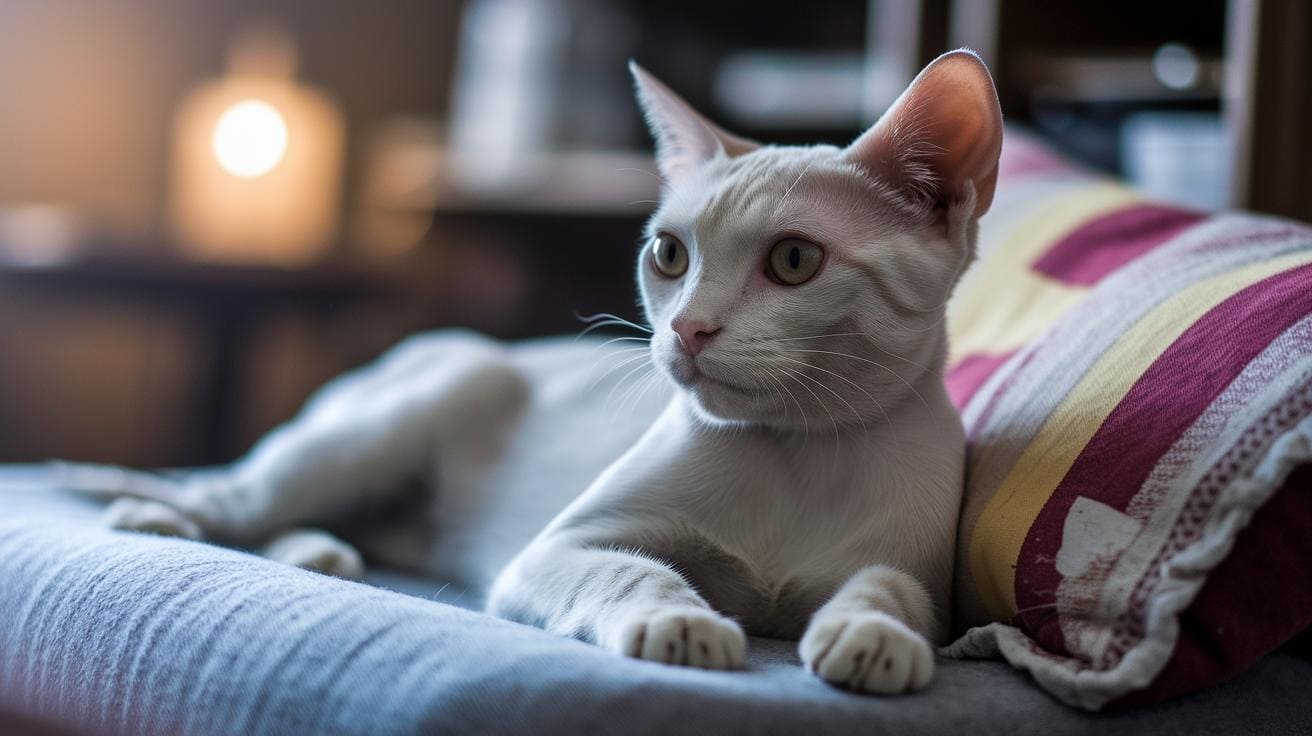
Ever watched your kitty chase shadows then suddenly slow down? FeLV (feline leukemia virus) can whisper through small shifts or roar in a big way. These signs often look like other cat bugs, so you might miss them at first. Keep an eye out for weight dips or sneezes that don’t quit!
- Unexplained weight loss and anorexia (loss of appetite): Ribs peeking through the fur or skipped meals for days. It’s like your cat’s going on a diet they didn’t choose.
- Persistent diarrhea or vomiting: Soft paws on the litter box way too often, you know. Those repeated trips can wear down even the fluffiest kitty.
- Severe gingivitis (gum inflammation): Red, swollen gums and stinky breath that make chewing feel like a chore. Your cat might even drool more than usual.
- Upper respiratory signs (sneezing, runny nose): A nose that won’t stop dripping and sneezes echoing around the room. Your cat sounds like they’ve got a tiny trumpet.
- Fever (temperature over 103°F) and lethargy (extreme tiredness): Hot ears and a sluggish body. Playtime? Not today.
- Pale mucous membranes (gums and inner mouth lining): Gums lose their rosy hue and turn ghostly pale. Kind of like they hit the snooze on blood flow.
- Lymph-node enlargement (swollen glands under neck or armpits): Little lumps you can feel when you gently pet your cat’s neck or armpits. Doesn’t feel right, huh?
- Recurring infections: Cuts or sores that hang around forever. Healing seems slower, like your cat’s immune army is on a coffee break.
Learn more: symptoms of feline leukemia virus in cats
Early vet visits are a must when you spot these signs. A quick blood test can tell FeLV from other illnesses and get your furball the right care fast. Isn’t it a relief to know what’s up and help them feel better?
Diagnosing Feline Leukemia Virus: Tests and Interpretation
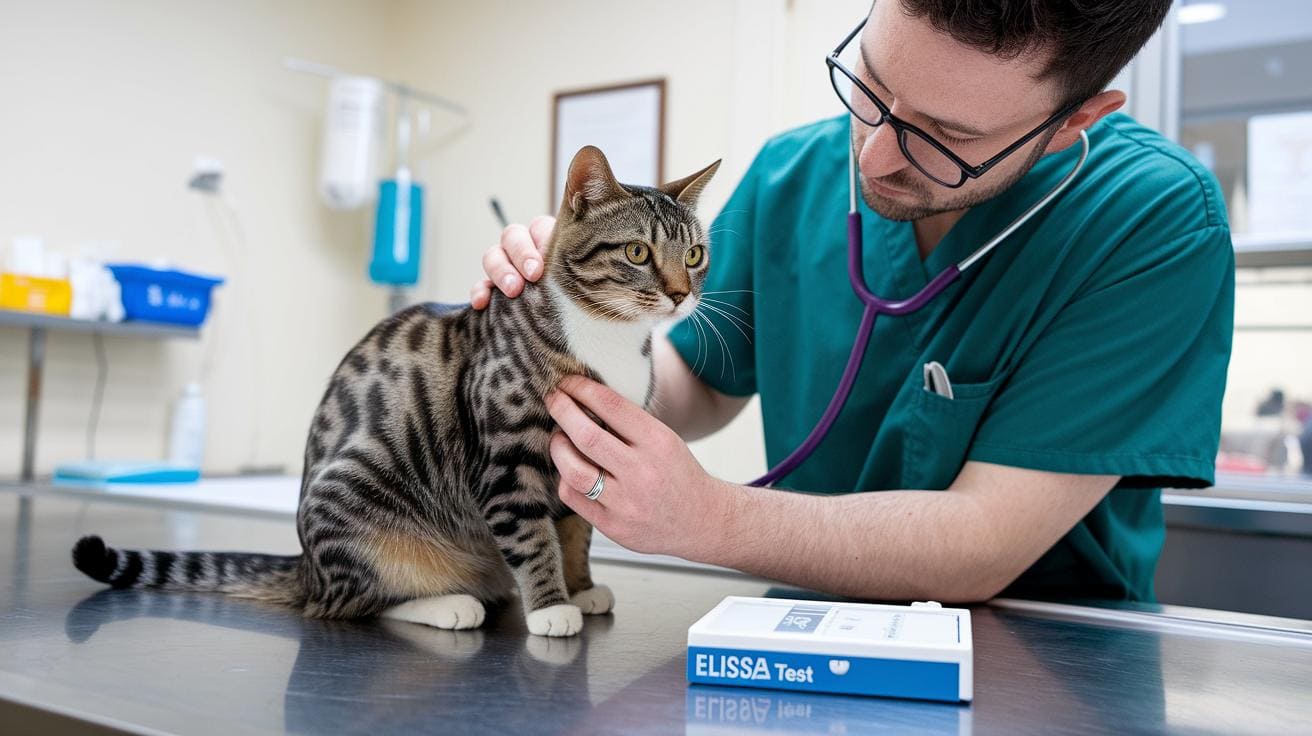
Figuring out if your cat has FeLV (feline leukemia virus) feels a bit like solving a mystery. Vets usually start with ELISA (a quick antigen-sniff test looking for viral bits in the blood) because it’s fast and done right in the clinic. You’ll see a positive result around four to six weeks after exposure. Ever watch your kitty twitch at a feather toy? That relief when you see that familiar response, well, that’s the kind of answer ELISA tries to give you.
Then comes IFA (immunofluorescence assay, a glowing antibody test to spot infected white blood cells in a lab). It helps “seal the deal” on a long-term infection. Sometimes you’ll get a false negative early on or if the virus is playing hide-and-seek in regression. So vets often repeat both tests a few weeks later, you know, just to be extra sure. Paired results cut down on mix-ups.
For a head start on detection, there’s PCR (polymerase chain reaction, a DNA-amplification test) that can flag proviral DNA as soon as one to two weeks post-exposure. It usually needs a fancy lab and costs more, but it’s worth it if you need answers fast. Think of it like spotting a mouse before it scurries under the fridge.
Whoa.
If your cat’s scans are still murky or you see strong symptoms, a bone-marrow biopsy (taking a tiny marrow sample) teamed with immunofluorescence can show if FeLV has settled in the marrow tissue. It means sedation and a bit more risk, so vets save it for the toughest cases.
| Test | Purpose | Timing | Accuracy |
|---|---|---|---|
| ELISA | Detects viral antigens in blood | 4–6 weeks post-exposure | ≈98% |
| IFA | Confirms long-term infection in white blood cells | 6–8 weeks post-exposure | ≈99% |
| PCR | Identifies proviral DNA early | 1–2 weeks post-exposure | ≈90% |
| Bone-marrow biopsy | Assesses marrow involvement with fluorescent antibodies | Any stage, when needed | >95% |
Reading these results together helps map out your cat’s status. A positive ELISA plus a positive IFA points to a progressive infection. If only ELISA lights up, it might be early stage or a regressive case. PCR alone means you caught it very early. And when a biopsy confirms marrow infection, vets usually step up treatment plans. Talk through any mixed results with your vet so you can make the best plan for your purr-buddy.