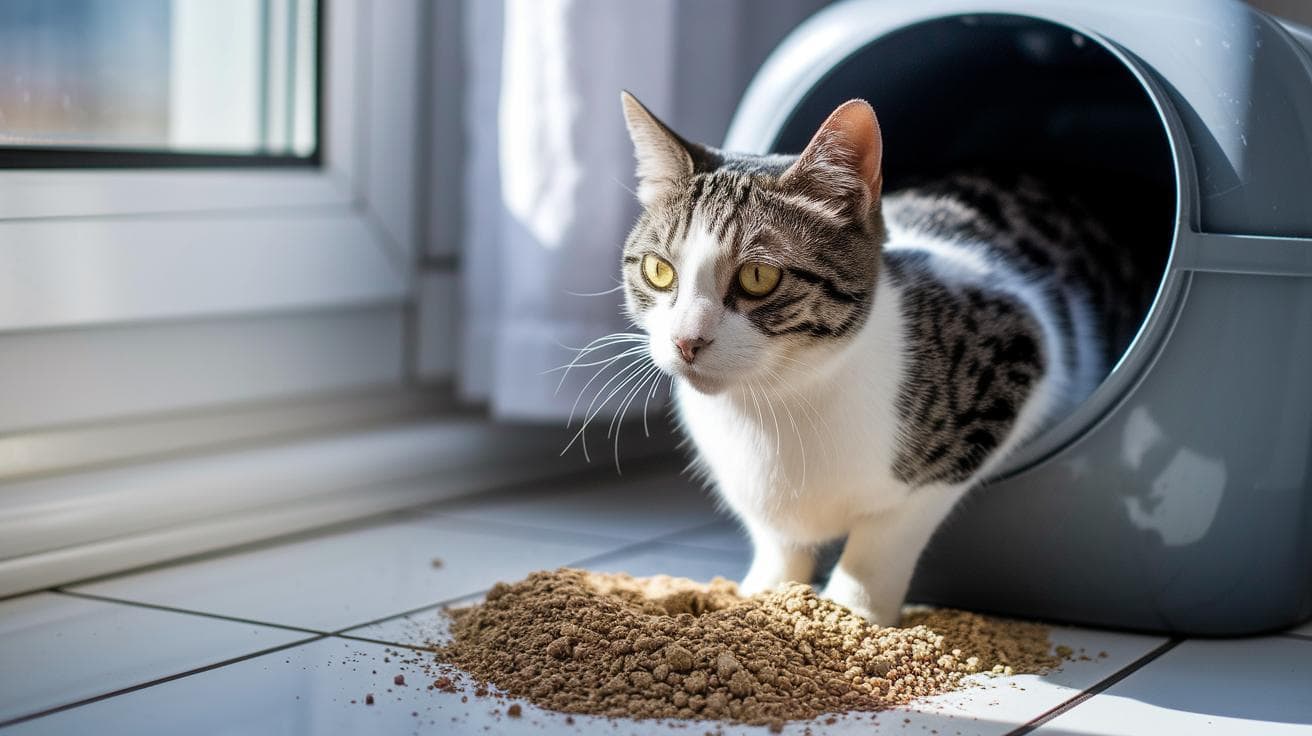
litter box maintenance checklist for busy cat owners

Think litter duty feels like a time sink? I used to bolt out the door and totally skip the scoop, oops, and my nose paid the price. But a clean box means a purring cat and zero stink surprises. So I whipped up a handful of easy steps you can slide into your morning and evening.

Here’s your litter-box checklist:

  • Morning scoop (5 minutes): grab your scoop and listen to that soft clink as you pull out clumps. Your cat’s whiskers will twitch in delight.
  • Evening quick sweep: give the surface a once-over before bed to catch any missed bits.
  • Weekly spa-day wash: empty the box, rinse with warm water and mild pet soap, then let it air dry.
  • Monthly deep scrub: use an enzyme cleaner (a pet-safe liquid that breaks down odors), scrub gently, rinse well, and dry.

Next time your cat hops in, they’ll find fresh sand that’s soft on their paws, and you’ll conquer your busy day without a single stink attack.

Worth every paw print.

Streamlined Litter Box Maintenance Checklist for Busy Cat Owners
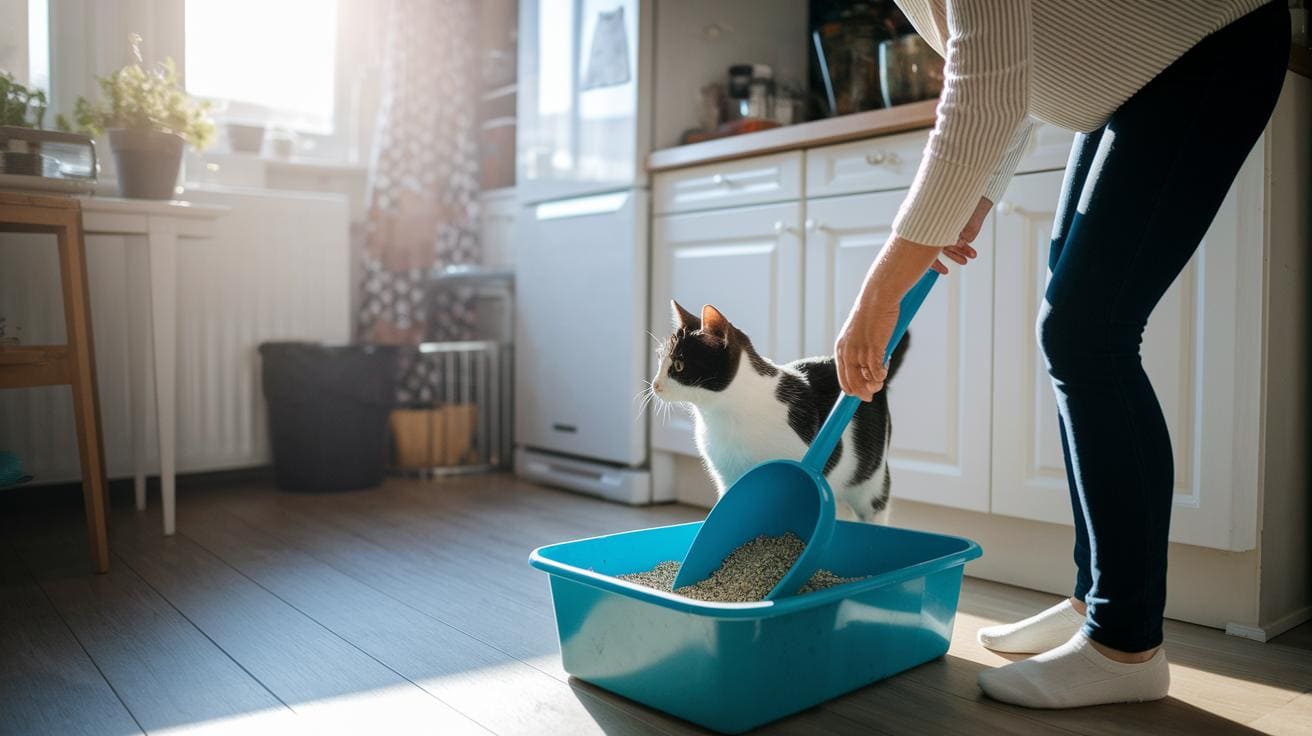
- Streamlined Litter Box Maintenance Checklist for Busy Cat Owners.jpg

Got a packed schedule? Keeping your cat’s litter box clean doesn’t have to be a chore. This quick checklist lays out simple steps so you never miss a scoop.

Every morning and night, grab your scooper and catch the clumps. It’s just five minutes. You’ll hear that soft clink of litter as you go. Then check the litter depth to about 2-3 inches, just right for digging comfort. Ever watched your kitty dig like she’s at the beach?

Once a week, give the box a gentle spa day. Empty all the litter, wash it with hot water and mild soap (like a warm cat bath for the box), rinse, and let it air-dry. It takes around 15 minutes, and your cat will thank you with extra purrs.

Every month, mix white vinegar (1 part vinegar, 1 part water) for a safe, cat-friendly disinfect. Spray or scrub, rinse well, dry, and inspect for cracks or scratches. If you spot any rough spots, replace the box to keep paws and noses happy. Plan on about 20 minutes.

Use one box per cat plus one extra. Spread them on different floors and pick quiet, well-ventilated spots away from food and water bowls so shy cats feel secure. That spare box can be a life-saver if someone skips a scoop or finds a new hideout.

Stick this checklist by each litter station. No more guessing. Just clean, happy cats – and less stress for you.

Task Frequency Time Estimate
Daily Scooping Morning & Night 5 minutes total
Litter Depth Check Daily 1 minute
Weekly Wash Weekly 15 minutes
Monthly Disinfect Monthly 20 minutes

Essential Litter Box Cleaning Tools for Busy Cat Owners
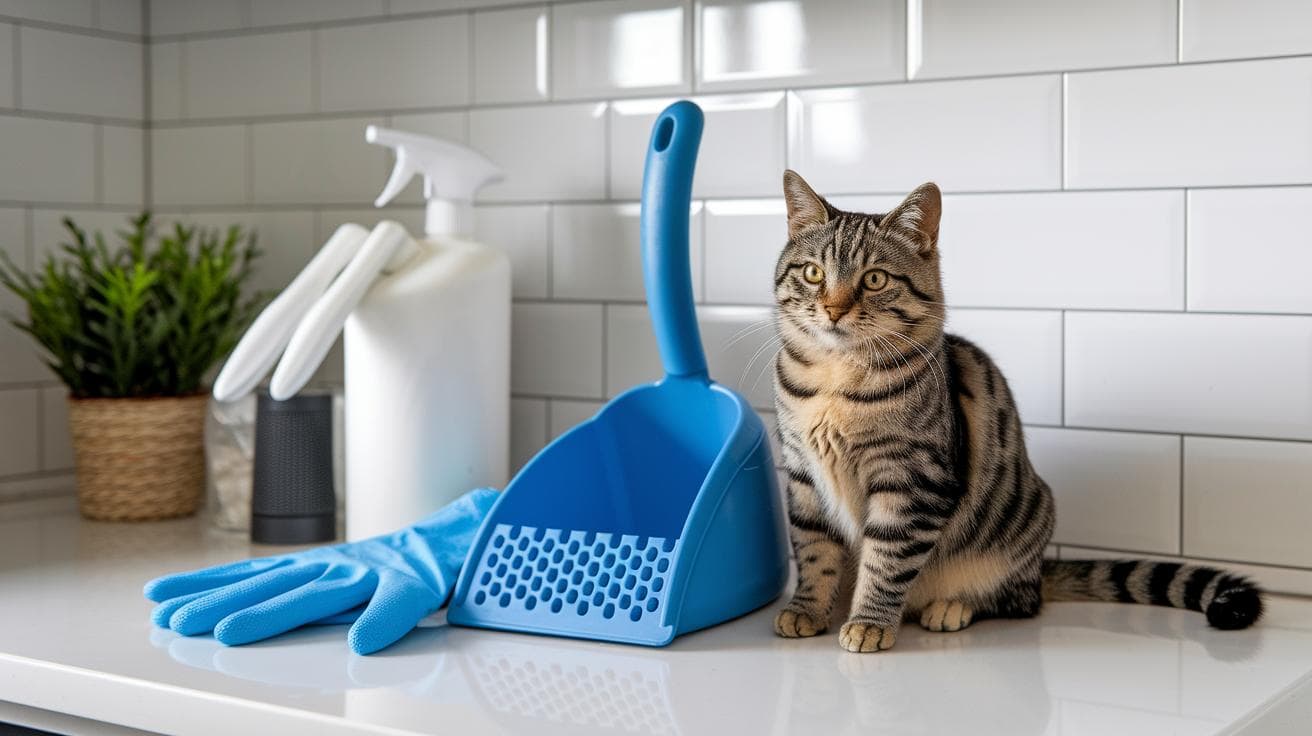
- Essential Litter Box Cleaning Tools for Busy Cat Owners.jpg

First, grab a strong scoop made for clumping litter. Metal (tough and cool to the touch) or plastic versions work great. A wide head and comfy handle make scooping feel smooth and quick. Seriously, your arm will thank you!

Next, slip in snug litter liners that resist tears. They peel away cleanly when it’s time to swap, leaving no bits behind. No more wrestling with stuck-on corners.

Wear gloves to keep things hygienic (rubber or nitrile, a kind of synthetic rubber). On dusty days, pop on a simple face mask. Fewer sneezes. Less itch. And you still feel your kitty’s soft jumps and tail flicks at your feet.

Stock a little caddy with mild dish soap, white vinegar (a pet-safe scrubber), and a sprinkle of baking soda for stubborn smells. Keep it by the box so you don’t hunt for supplies mid-scrub. A quick spritz and wipe and the tray looks brand new. Your cat might even give you extra tail wags!

Under the box, place a grooved mat or boot-style mat to catch stray granules and whiskers. Cleaning up takes seconds when the mess never leaves the mat. Worth every paw-print.

Finally, stash a small basket nearby with liners, scoops, and sprays. That way, everything you need is right there. You won’t be racing around when cleanup calls.

Odor Control Tips in Your Litter Box Maintenance Routine
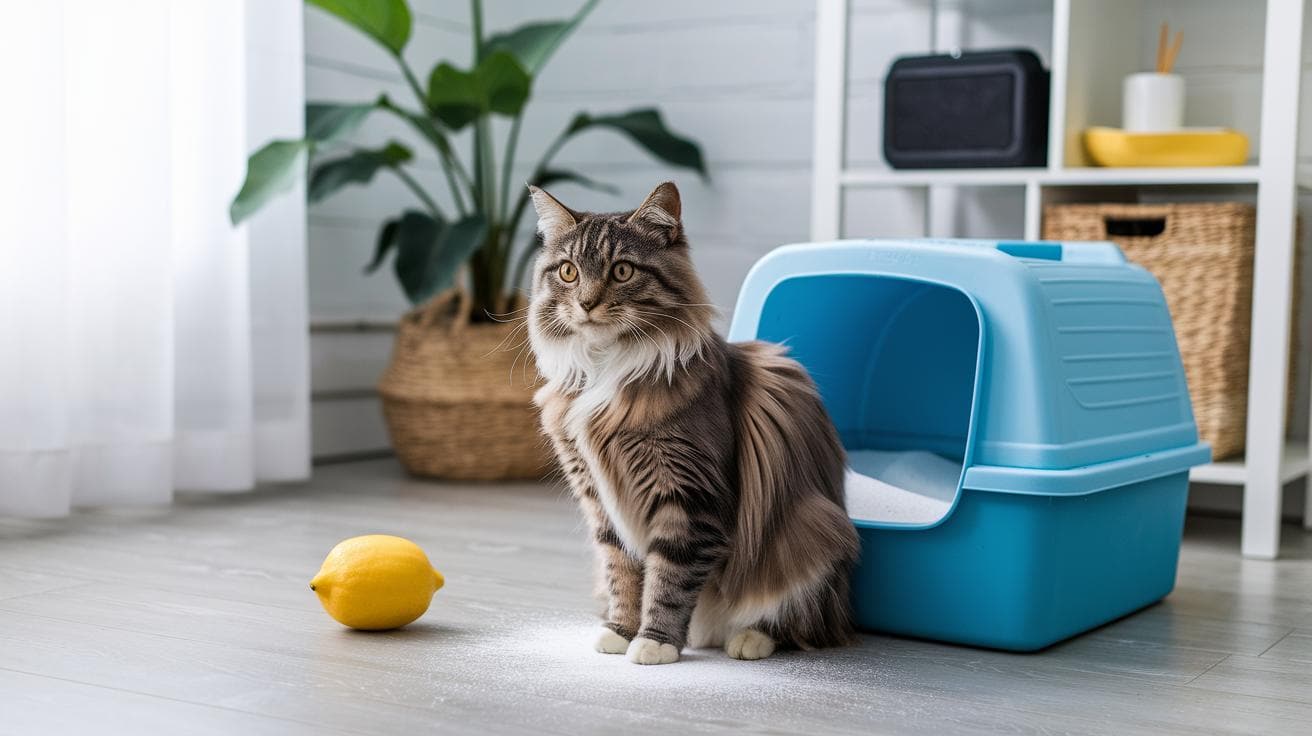
- Odor Control Tips in Your Litter Box Maintenance Routine.jpg

Ever noticed how one whiff of litter can sneak into every corner of your home? Let’s keep the air fresh, and your kitty happy, with a few quick moves you can slip into your daily scoop time. These tips are simple, fast, and totally claw-some.

  • Sprinkle a thin layer of baking soda (yes, your pantry hero) into fresh litter when you top off the box. It smells fresh for a whole day.
  • Choose unscented, dust-free clumping or crystal (silica) litter. It locks in odor for two to three weeks without hiding the real scents.
  • Tuck a charcoal (black carbon) air filter near the litter box and swap it every six months. No sprays or chemicals, just trap those sneaky smells.
  • Set half a lemon or a small dish of mild vinegar outside the box. These natural deodorizers cut odors without bothering noses.
  • Skip perfumed litters and chemical air fresheners. They can irritate your cat’s super-sensitive nose and only mask odors instead of stopping them.

A tidy litter box makes your home more inviting and gives your cat a clean spot to do their business every day. Worth every paw-print.

Troubleshooting Litter Box Challenges for Busy Cat Owners
- Troubleshooting Litter Box Challenges for Busy Cat Owners.jpg

Skipped Scoops and Odor Buildup

Miss a scoop and your nose will scrunch when you walk by. Try setting your phone to buzz at breakfast and dinner. Two quick scoops keep things smelling… uh, nicer. And leaving the lid off gives extra airflow so funky smells don’t get trapped.
Tip: A free alarm app is perfect when you’re juggling work calls and kitty cuddles.

Liner Tears and Leaks

Oops, torn liners mean litter scattering everywhere. I ditched liners and went for a bare plastic tray (a sturdy, wipe-clean box) that never rips and cleans in seconds.
Quick trick: Keep a little scrub brush next to the box so you can tackle any surprise mess right away.

Cat Avoidance of the Litter Box

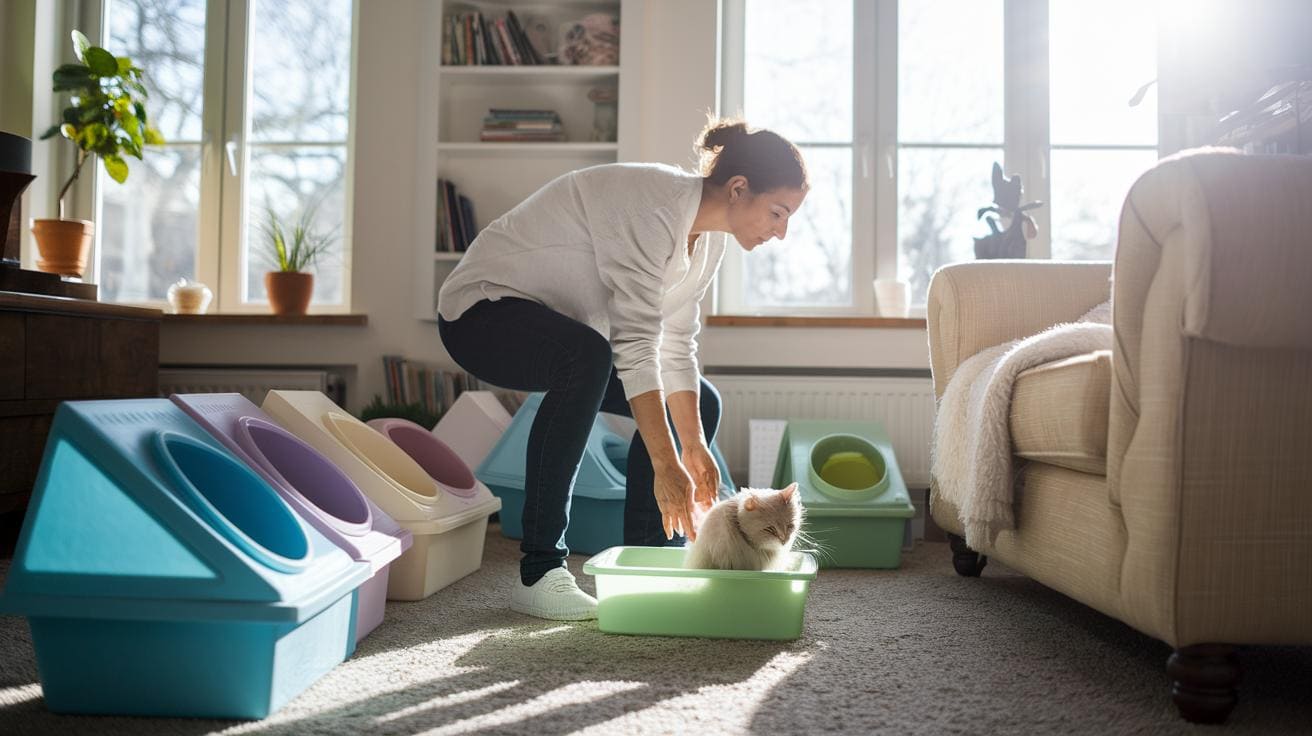
Ever watch your shy kitty sneak past the box? They crave a quiet spot. Spread two boxes in different corners so they don’t feel watched. If your senior cat has stiff joints, a low-entry box (short side for an easy hop-in) makes life simpler. And open-top models help them breathe easy, no trapped-in feeling.

Excessive Litter Tracking

If your rug looks like a sandbox, try silica sand (tiny crystals that soak up pee). Give it a quick stir each morning to break up hard bits so, well, urine sinks back in instead of sticking to paws. Your floors stay cleaner, your nose stays happy.
Fast fix: Swirl before scooping and watch the scatter disappear.
Scheduling and Reminder Strategies for Litter Box Maintenance

- Scheduling and Reminder Strategies for Litter Box Maintenance.jpg

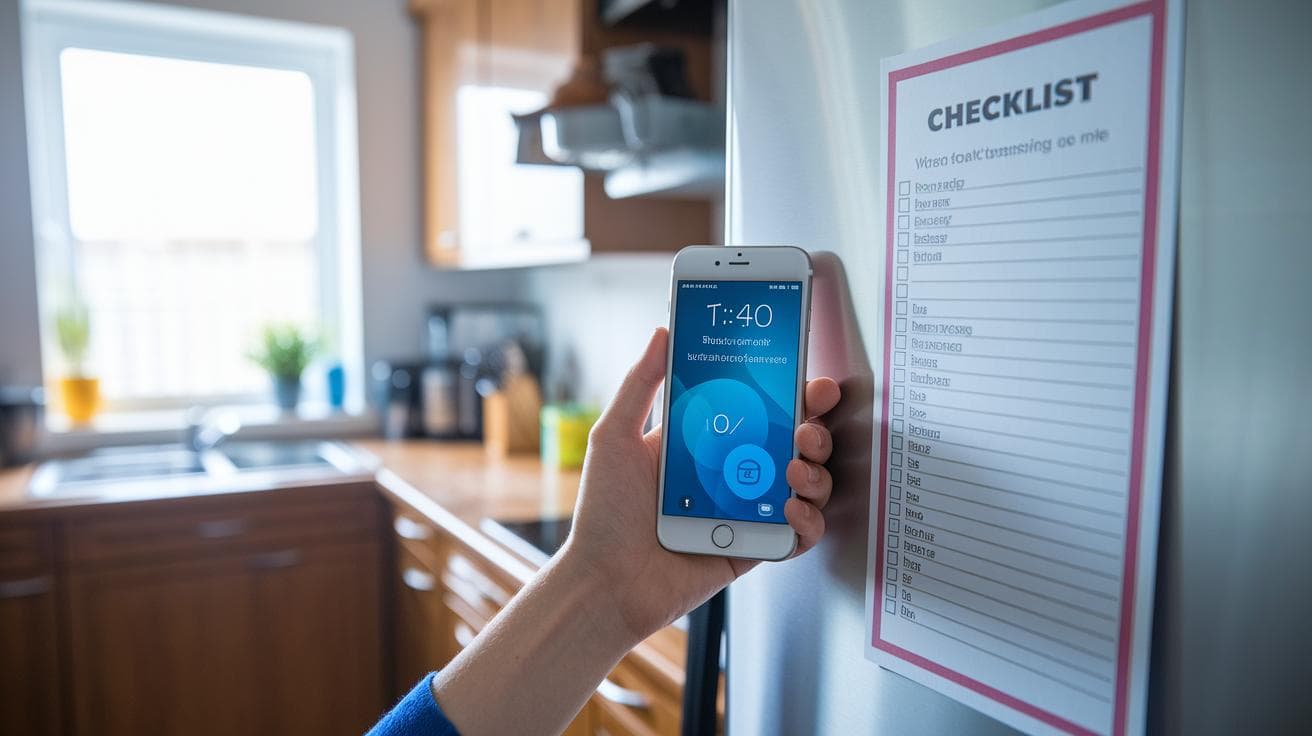
Set a phone alarm. Or use a chore-chart app (a simple tool that reminds you to do tasks). Hear that soft buzz at dawn and dusk? That’s your cue to scoop the litter. It’s like a mini nudge, um, from the universe.

Ever miss a scoop because you got busy? So, sync the scooping chores to a shared calendar (like Google Calendar). Now everyone in your home can peek in, claim a shift, or jump in when the reminder pops up.

Tape a color-coded checklist or a sticker chart by the litter box or on the fridge. Every time you feed your cat or grab a snack, your eyes will catch it. You’ll know exactly when to scoop next. Worth every paw-print.

Organizing and Storing Litter Box Maintenance Supplies for Busy Cat Owners

- Organizing and Storing Litter Box Maintenance Supplies for Busy Cat Owners.jpg

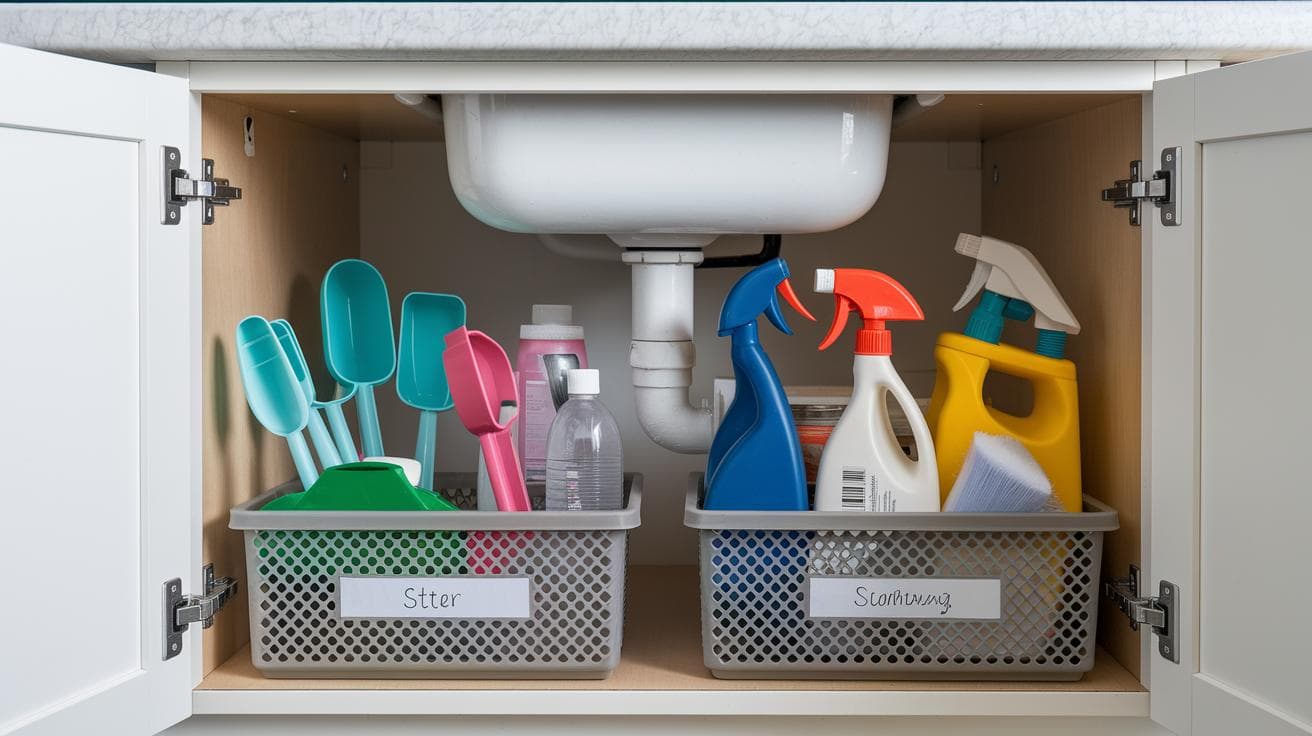
Ever feel like a litter box cleanup turns into a scavenger hunt? Let’s fix that! Stash your scoop (like a tiny shovel), nitrile gloves (thin protective gloves), and sprays right under the sink or on a wall-mounted rack next to the box, where you can hear the satisfying clink of a spray bottle. Hooks on the cabinet door keep gloves hanging ready, and a rack with small bins holds scrub brushes or extra scoops so you can open it and grab everything in one smooth move.

Next, label little baskets for liners, mats, and backup scoops so your eyes spot them fast. Tuck extra litter and trash liners up high in a dry cabinet, away from curious paws, you know. Short on space? Stackable bins use vertical room to keep things tidy. And don’t forget to set a monthly restock reminder on your phone so you never run out of liners, litter, or cleaning spray.

Worth every paw-print.

Monitoring Cat Health Through Your Litter Box Maintenance Checklist

- Monitoring Cat Health Through Your Litter Box Maintenance Checklist.jpg

I love how scooping litter gives you a quick peek at your cat’s health. Ever noticed how you can learn a lot just by scooping? When you clear clumps, take a moment for a mini check, notice your kitty’s stool (poop) shape, color, and smell, and track how often they pee (urine). Jot down weird bits, like blood or mucus (slimy goo), so you’ve got details ready for the vet. This tiny habit can spot small infections before they turn into emergency visits.

Stool Consistency and Color

Look for squat blobs that are too soft or crumbly chunks that are too hard. Pale or really dark stools could mean tummy trouble, a dietary mismatch, or even worms (tiny parasites). Spot a sudden switch? Note it right away.

Urination Frequency and Effort

Count pee breaks: is it three times or twenty? Watch for straining or loud yowls (ouch!). Extra visits or painful signs can hint at bladder trouble (urinary issues). Keep a simple chart in your notebook to spot any odd trends.

Odor Changes in Waste

A sudden stench or a weirdly sweet whiff in poop or pee might signal infection or gut upset (digestive trouble). Let your nose guide you. Jot down any big, sharp smells and share them with your vet.

Behavioral Changes During Elimination

If your cat hesitates, circles more, or picks a new spot altogether, they might feel pain or stress when going. Catch these clues early so you can tweak the litter box, fresh litter, a different box style, and make bathroom time comfy again.

Worth every scoop. Um, seriously.

Final Words

Right in the action you learned how to scoop daily, deep-clean weekly, and disinfect monthly. You picked tools like tough scoops, liners, gloves, mats, and a handy caddy.

You got odor tips, from baking soda magic to charcoal filters, and quick fixes for missed scooping, torn liners, shy cats, and tracking trails. We covered reminders, smart storage, and health checks as you go.

Now you have your litter box maintenance checklist for busy cat owners ready to roll. Your cats, and your furniture, will thank you with happy purrs and playful paws.

FAQ

How can busy cat owners get a free PDF litter box maintenance checklist?

Busy cat owners can download a litter box maintenance checklist PDF free from our site, covering twice-daily scooping, weekly washing, monthly disinfection, and extra-box guidelines for stress-free care.

What are some litter box cleaning hacks for busy cat owners?

Litter box cleaning hacks include using a sturdy scoop to remove clumps twice daily, lining boxes with tear-resistant liners, stirring crystal litter to prevent pooling, and placing mats to trap stray granules for quick cleanup.

Why has my cat suddenly stopped using the litter box, and could medical issues be involved?

A cat suddenly stopping litter box use often signals stress, dirty boxes, or medical issues like urinary tract infections or constipation. Rule out health problems with a vet, then adjust box cleanliness and location.

What causes a male cat to visit the litter box every few minutes?

A male cat visiting the litter box every few minutes could have a urinary obstruction, bladder infection, or anxiety. Seek veterinary care immediately to rule out blockages, then follow treatment and stress-reduction steps.

Why do vets not recommend closed litter boxes?

Vets do not recommend closed litter boxes because they trap odors, reduce airflow, and can stress cats. Uncovered boxes offer better ventilation, odor control, and allow cats to see their surroundings, making elimination more comfortable.

How do I properly maintain a cat litter box?

Properly maintaining a cat litter box involves scooping clumps twice per day, keeping 2 to 3 inches of fresh litter, deep washing weekly with mild soap, monthly disinfection with vinegar, and offering one box per cat plus one extra.

What is the golden rule of a litter tray?

The golden rule of a litter tray is one box per cat plus one extra. This ensures clean space, reduces competition, and helps avoid accidents by giving each cat its own comfortable spot.

Do cats need 24 hour access to the litter box?

Cats need 24 hour access to the litter box to prevent accidents, reduce stress, and keep elimination routine on schedule. Accessible boxes help cats feel secure, especially in multi-cat or busy homes.

Related Articles

Author

  • Lucas Turner

    Lucas Turner is an urban photographer based in Chicago, Illinois, known for his captivating images that highlight the pulse of city life. With a unique perspective, he captures the vibrant contrasts between architecture, people, and the urban environment, telling stories through his lens.

    Outside of photography, Lucas enjoys coffee shop hopping, exploring the diverse cafes around the city. He finds that each coffee shop has its own vibe, offering a perfect setting for creativity to flow. As he often says, “A good cup of coffee and a new view always inspire my best work.”

    Lucas’s photography is a reflection of his love for the city’s energy and the quiet moments found within it.

    View all posts

Similar Posts