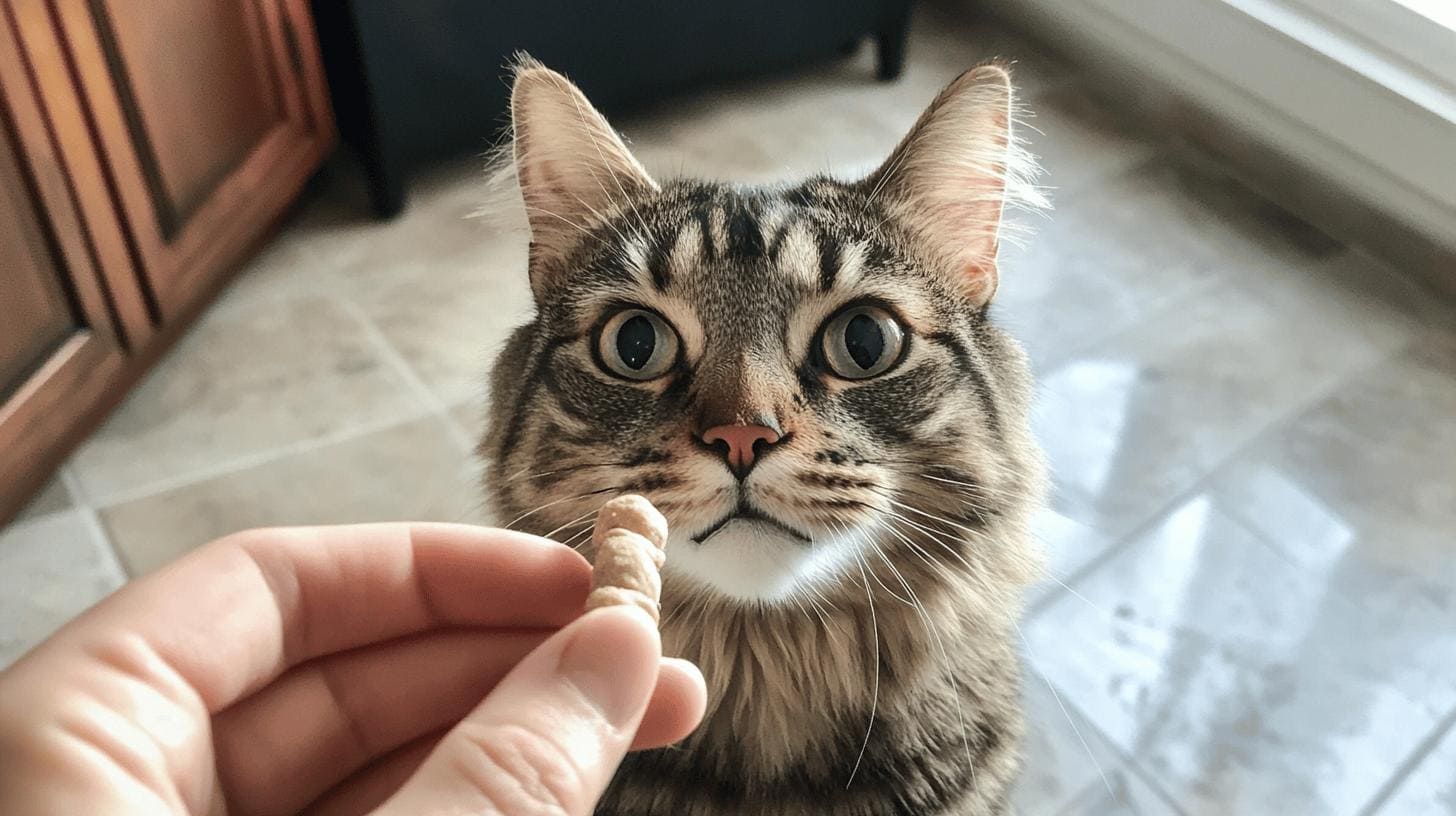
Ever wondered why your cat suddenly turns into a tiny tiger when another cat is around? Understanding why cats attack others can be tricky, but it's essential for creating a peaceful home. From natural hunting instincts to feeling like their territory is invaded, each aggressive behavior has a reason. By identifying what triggers your cat's aggression, you can tackle the problem head-on. Learn how to retrain your cat to coexist calmly, ensuring that playtime is safe and enjoyable for everyone.
Understanding Cat Aggression and its Triggers
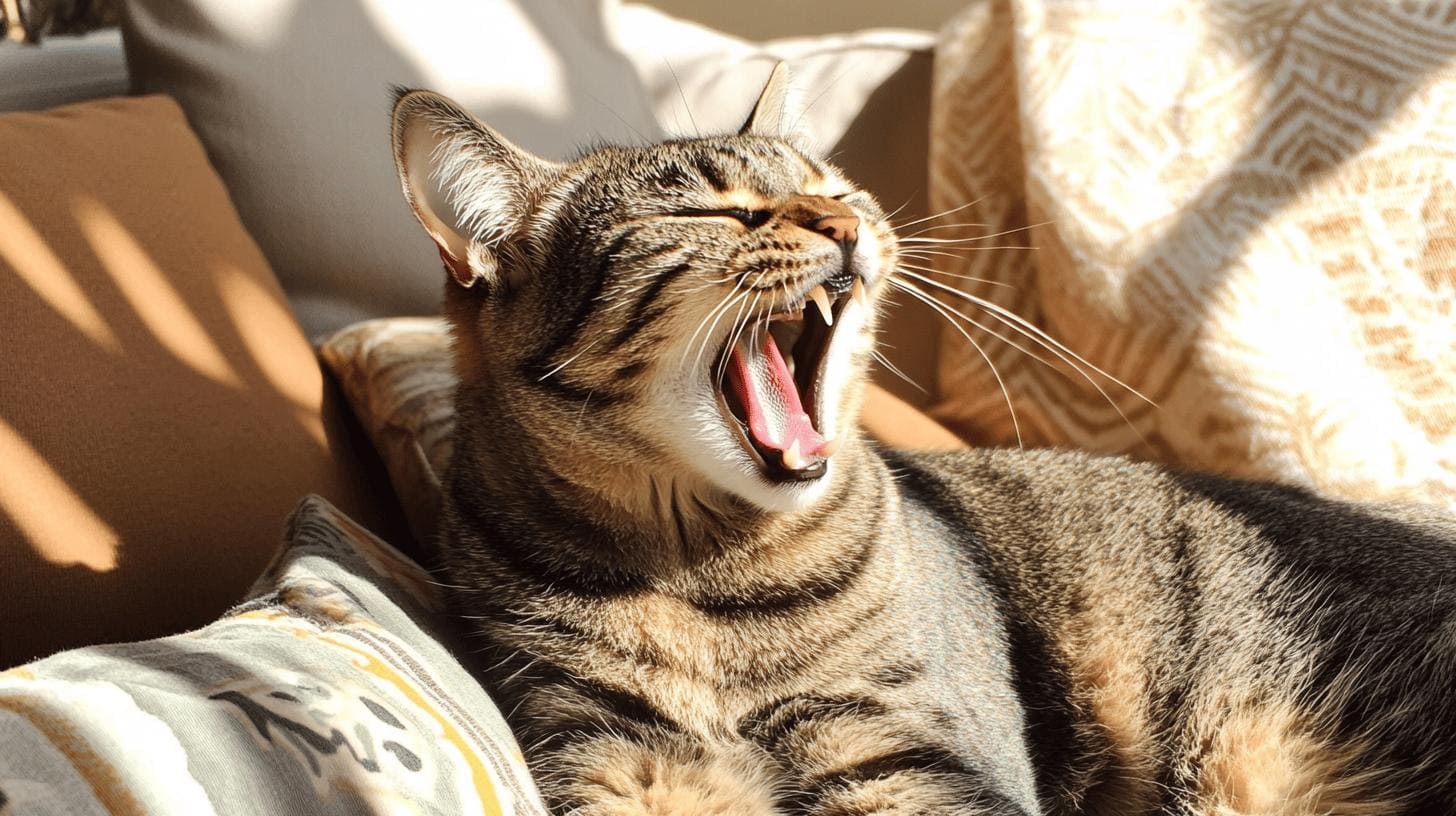
Cats can exhibit a range of aggressive behaviors, each with its own underlying cause. Play or predatory aggression often stems from a cat's natural hunting instincts, where a cat might see another as prey. Petting-related aggression occurs when a cat becomes overstimulated from too much affection, leading to defensive reactions. Redirected aggression happens when a cat is provoked by an external stimulus, such as another animal outside, and then attacks whatever is nearby. Fear-induced aggression arises when a cat feels trapped or threatened, causing it to lash out defensively. Lastly, territorial aggression occurs when a cat perceives another cat as an intruder in its domain.
Several factors can trigger these aggressive behaviors in cats. Changes in their environment, like a new pet or rearranged furniture, can lead to stress and aggression. Cats also react aggressively when their personal space is invaded or when resources like food and litter boxes are limited. Loud noises or unfamiliar scents may cause a cat to feel threatened, prompting defensive aggression. Recognizing these triggers can help cat owners anticipate and manage aggressive episodes.
Understanding the specific type of aggression is crucial for effective cat behavior modification. Identifying whether aggression is play, fear, or territory-based allows you to tailor your approach. For example, providing extra playtime can redirect predatory aggression, while ensuring separate spaces for each cat can ease territorial disputes. By pinpointing the type of aggression, you can develop a more effective training and intervention strategy to foster a peaceful environment for your feline friends.
Environmental Management for Reducing Cat Aggression

Creating a cat-friendly environment is crucial for reducing aggression and fostering harmony among your feline companions. Cats are territorial animals, and competition over resources can lead to conflicts. By managing their environment effectively, you can minimize these disputes. Start by ensuring each cat has its own set of essentials to avoid competition and stress. Personal resources such as food bowls, litter trays, beds, and toys should be allocated individually. Respecting each cat's personal space helps them feel secure and reduces the likelihood of aggressive behavior.
Here are some specific environmental changes that can help reduce aggression:
- Separate feeding areas
- Individual litter boxes
- Personal resting spaces
- Anti-aggression cat toys
- Calming pheromones
Maintaining a stress-free environment is essential for preventing aggression in cats. Cats are sensitive to changes, and a stable, predictable environment helps them feel safe. Reducing stress levels can decrease aggressive tendencies, making it easier for cats to coexist peacefully. Consider using calming aids like pheromone diffusers to create a soothing atmosphere. By focusing on environmental management, you can create a peaceful home where your cats can thrive without the need for aggression.
Techniques for Socializing Cats and Preventing Aggression

Socializing cats is a crucial step in reducing aggression and ensuring peaceful cohabitation. When cats are properly socialized, they learn to interact calmly and respectfully, which significantly minimizes the likelihood of conflicts. The key to successful socialization is a gradual introduction process that respects each cat's personal space. By allowing cats to get acquainted at their own pace, you create an environment where they feel secure and less threatened. Supervised interactions further help cats adjust to each other's presence, making it possible for them to form positive associations.
| Technique | Description |
|---|---|
| Separate Spaces | Initially keep cats in different rooms to reduce stress and allow them to acclimate to new scents and sounds. |
| Visual Introduction | Use a baby gate or cracked door to let cats see each other without direct contact, building familiarity safely. |
| Shared Playtime | Engage both cats in a play session with interactive toys to encourage positive interactions and shared experiences. |
| Feeding Near Each Other | Feed cats on opposite sides of a closed door, gradually moving the bowls closer to promote positive associations with mealtime. |
Patience and supervision are essential throughout the socialization process. Each cat is unique, and their comfort levels with new situations will vary. It's important to observe their body language and adjust the pace of introductions accordingly. Rushing the process can lead to setbacks, so be prepared to take a step back if necessary. With time, understanding, and carefully managed interactions, your cats can learn to coexist peacefully and even develop strong bonds.