Think you can wing kitten bottle feeding by eye? Don’t. Guessing can cost a life. Those tiny bellies need exact amounts and precise timing, no guesswork, no improv.
This kitten bottle-feeding chart tells you exactly what to give and when. It lists precise volumes, a clear feeding schedule, and step-by-step weaning instructions (weaning means switching from bottle to solid food). It even shows when to weigh the kitten and how often, so you’re not guessing in the middle of the night. Ever watched a newborn paw at a nipple? Yeah, this makes that moment less frantic.
Follow the chart and you’ll aim for that healthy 10 to 15 grams of weight gain per day. You’ll also avoid aspiration (when milk gets into the lungs and causes coughing or breathing trouble), which is one of the scariest feeding problems. If you see poor weight gain, weak or cold kittens, persistent diarrhea, milk leaking from the nose, or any trouble breathing, call your vet right away.
It saves time and worry, too. Instead of fretting over every feed, you’ll know you’re giving the right amount at the right time, and your foster or newborn kitty gets the best start possible. Worth every paw-print.
Quick Essentials: Fast Rules to Apply the Kitten Feeding Chart
Think of this as your quick cheat sheet , the must-follow weighing, adjustment, emergency, and warming/storage rules. Short, clear, and lifesaving when you need it.
-
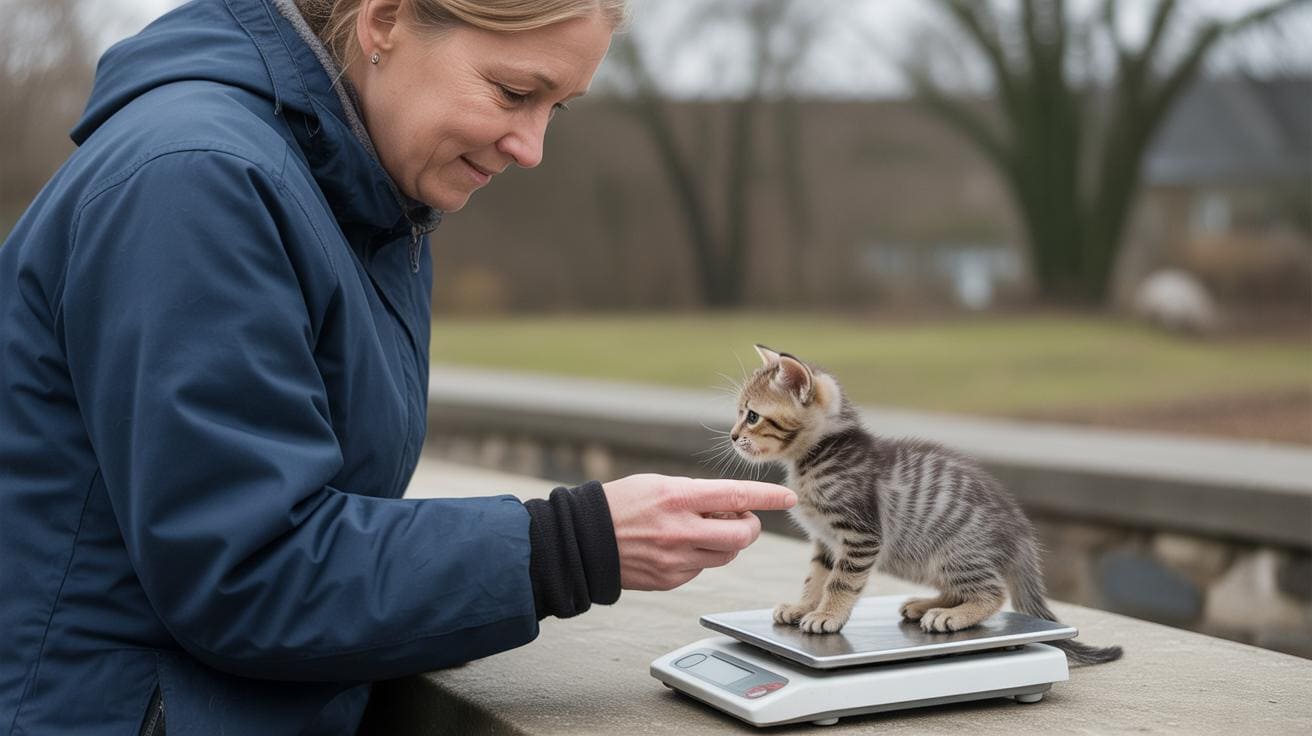
Daily weighing protocol – Weigh kittens at the same time each day, before feeding. Use a digital scale (measures tiny weights to 0.1 g) and zero it with a small towel under the kitten. Record weights in grams in a dedicated log so trends are easy to spot. Ever watched those tiny feet twitch on the scale? It helps to note the time too.
-
Target gain – Aim for 10 to 15 g per day. Simple goal. Lots of relief when you see it.
-
10% weight-loss trigger and first response – If a kitten is down by 10 percent or more by day two, act fast: increase the total daily volume of formula by 10 to 20 percent or add one extra feeding. Call your vet right away and have your weight and feeding log ready for their assessment. Quick note: "total daily volume" just means the total amount of formula the kitten gets in a day.
-
Aspiration red flags – Watch for coughing, noisy breathing, nasal discharge, choking, or failure to swallow. These signs suggest aspiration (formula going into the lungs). Stop feeding immediately. Keep the head elevated, try to clear the airway if you can, and get emergency veterinary care right away. Don’t guess, get help.
-
Safe formula heating and storage rules – Warm bottles in a warm water bath (place the bottle in a bowl of warm water), do not microwave. Test a drop on your wrist so it feels skin-warm (about 95 to 100 °F). Refrigerate unused prepared formula exactly as the product label says, and discard any warmed leftovers after a feeding.
This box is the authoritative source for weighing and emergency actions referenced elsewhere in the article. Worth every paw-print.
Age- and Weight-Based Feeding Chart
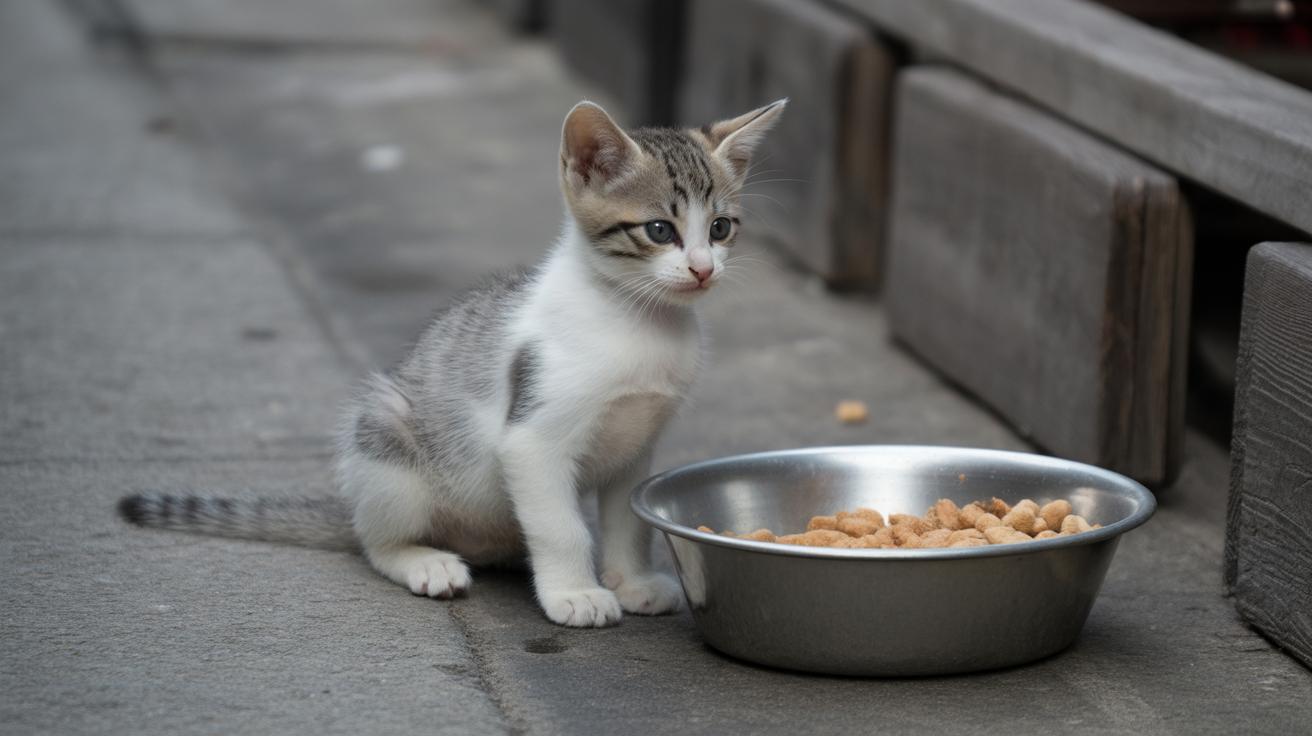
This is your go-to starter plan for bottle-feeding kittens. Use it per kitten, and check Quick Essentials for how to tweak amounts if their weight or appetite changes. Ever watched a newborn kitten wiggle for milk? Cute, and you’ll get the hang of timing fast.
| Age (weeks) | Typical weight range (g, grams) | Feeds per 24 h | ml per feeding (ml = milliliters) | Total ml per 24 h (ml = milliliters) | Approx kcal/day (kcal = kilocalories) | Notes |
|---|---|---|---|---|---|---|
| 0-1 wk | 80-150 g | 8-12 | 5-8 ml | 40-80 ml | ~60-100 kcal/day (estimate, check formula label) | Very frequent tiny feeds. Watch for aspiration (milk going into the airway). |
| 1-2 wk | 150-200 g | 6-8 | 8-12 ml | 48-96 ml | ~80-150 kcal/day (estimate, check formula label) | Keep them warm. Steady weight gain should start. |
| 2-3 wk | 200-300 g | 4-6 | 12-18 ml | 48-108 ml | ~120-200 kcal/day (estimate, check formula label) | Eyes open, appetite grows. Watch the stool for changes. |
| 3-4 wk | 300-400 g | 4-5 | 18-25 ml | 72-125 ml | ~180-260 kcal/day (estimate, check formula label) | Feeds get bigger, less often. Start trying small amounts of wet food. |
| 4-6 wk | 400-600 g | 3-4 | 20-35 ml | 80-140 ml | ~240-320 kcal/day (estimate, check formula label) | Moving toward canned food. Weigh daily to track gains. |
| 6-8 wk | 600-900 g | 2-3 | 25-50 ml | 80-150 ml | ~300-450 kcal/day (estimate, check formula label) | Mostly weaned. Use the chart to taper bottles gently. |
Read the kitten’s current weight and pick the matching row as your starting plan. Use the ml per feeding and feeds per 24 h to set bottle times (ml means milliliters, the tiny volume measure). Aim for a daily weight gain of about 10-15 g per day.
If a kitten’s weight hits the 10% drop or trigger, follow Quick Essentials: increase total volume by 10-20% or add a feed, and call your veterinarian. And um, don’t guess, weighing and logging daily saves headaches.
The combined chart plus feeding log template is downloadable in the Chart and Printable Template sections. Worth every paw-print.
Preparing Kitten Formula and Bottles
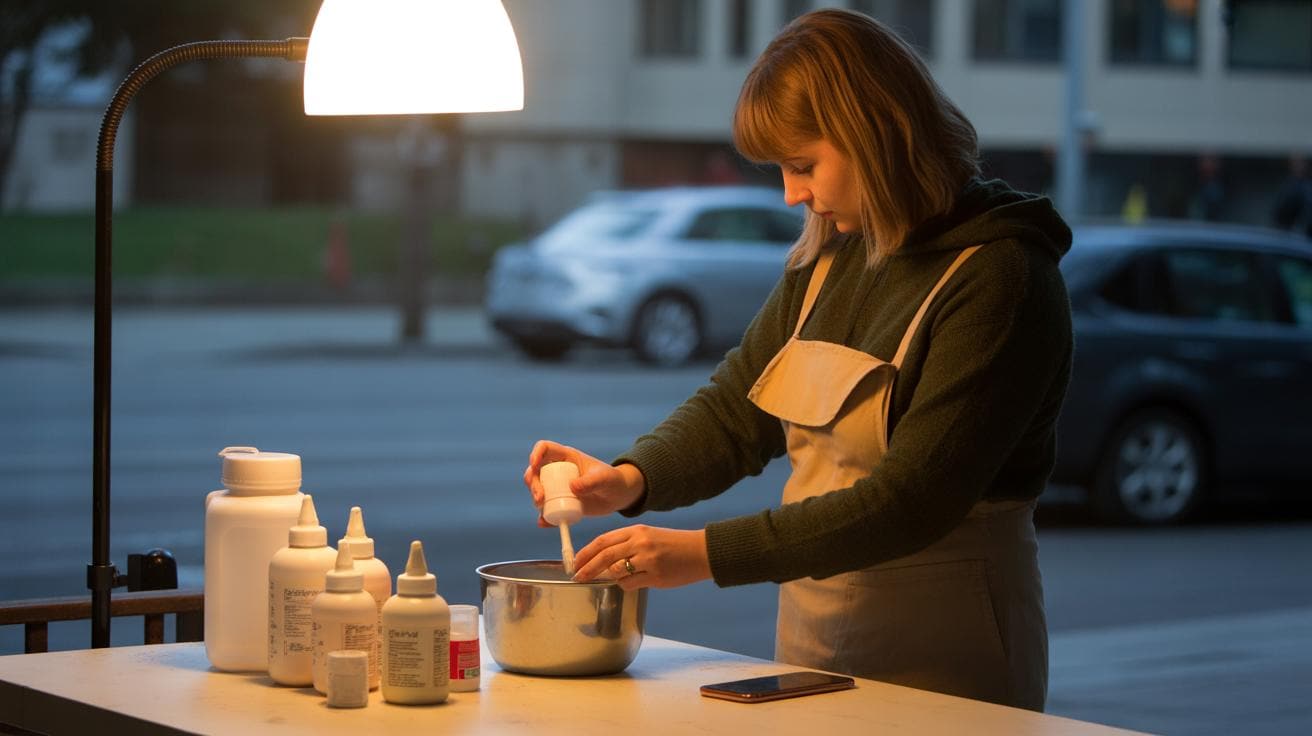
Getting bottles and formula ready can feel a little nerve-racking, but it's mostly routine once you know the steps. Think of it as prepping a tiny, furry breakfast buffet. Ever watched a newborn kitten (neonate, meaning a baby under about 4 weeks) tuck their face into a bottle? Cute and messy.
- Choose a commercial milk replacer (kitten formula powder) , that means a ready-made powder designed to feed kittens. Check the expiration date and the batch or lot sticker on the can so you know it’s fresh and safe.
- Mix the powder and water exactly the way the label says. Use measured water and stir until the mix is totally smooth, with no lumps. It should look like thin cream, not gloppy paste.
- Warm bottles in a warm water bath, not a microwave. Microwaves heat unevenly and can make hot spots. Swirl the bottle so the heat spreads evenly, then test a drop on the inside of your wrist , it should feel warm, not hot.
- Check nipple flow by turning a filled bottle upside down , one slow drop should fall from the nipple (the little rubber teat). If it’s too slow, trim the tip a tiny bit at a time and re-test until the flow is right. Too fast is bad, and too slow makes the kitten work too hard.
- Clean and disinfect bottles and nipples after each use. Hot soapy water works, or you can boil parts briefly, or use the dishwasher if the bottle is labeled dishwasher-safe. Let everything air dry. Replace any nipples that look brittle or cracked, and label bottles with the date you mixed them.
A few quick notes: follow the product label for exact mixing and storage rules, and check Quick Essentials for precise temperature and storage timelines. If you run into choking, aspiration (milk getting into the lungs), or other emergencies, see Common Problems for step-by-step actions. Worth every paw-print.
Bottle Feeding Technique and Positioning
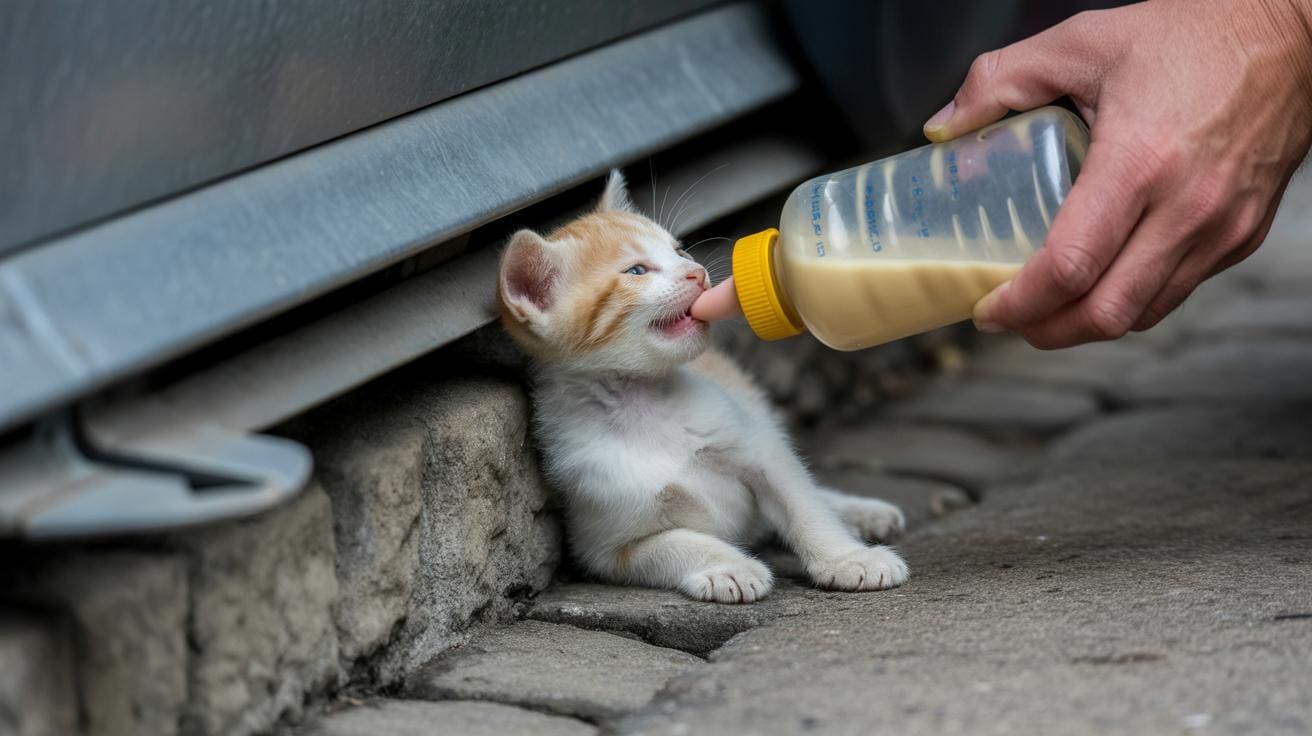
Place the kitten belly-down on your lap or on a warm towel so it feels like natural nursing. The warm towel and the kitten’s soft fur help calm them, and keeping them on their belly keeps the airway (the breathing passage) above the milk so swallowing is safer.
Hold the bottle at about a 45 degree angle and steady the head and neck with your non-dominant hand so the kitten can concentrate on latching. Ever watched those whiskers twitch as they get ready? That steady hold makes all the difference.
Gently touch the nipple (the soft rubber teat) to the kitten’s tongue and wait for the kitten to curl its tongue into a U-shape and swallow. That curling-and-swallowing rhythm is your green light , it means they’ve got the right latch and pace.
Let the kitten control the flow with its suck, not you squeezing the bottle. Test the nipple size first so the kitten can draw milk without gagging , not a flood and not a dribble. If the milk comes too fast or too slow, swap to a smaller or larger teat.
If the kitten won’t latch after gentle coaxing, starts coughing, or seems to choke, stop feeding and get help right away. See Common Problems for step-by-step emergency actions and Quick Essentials for the aspiration red flags you need to watch. Worth every paw-print.