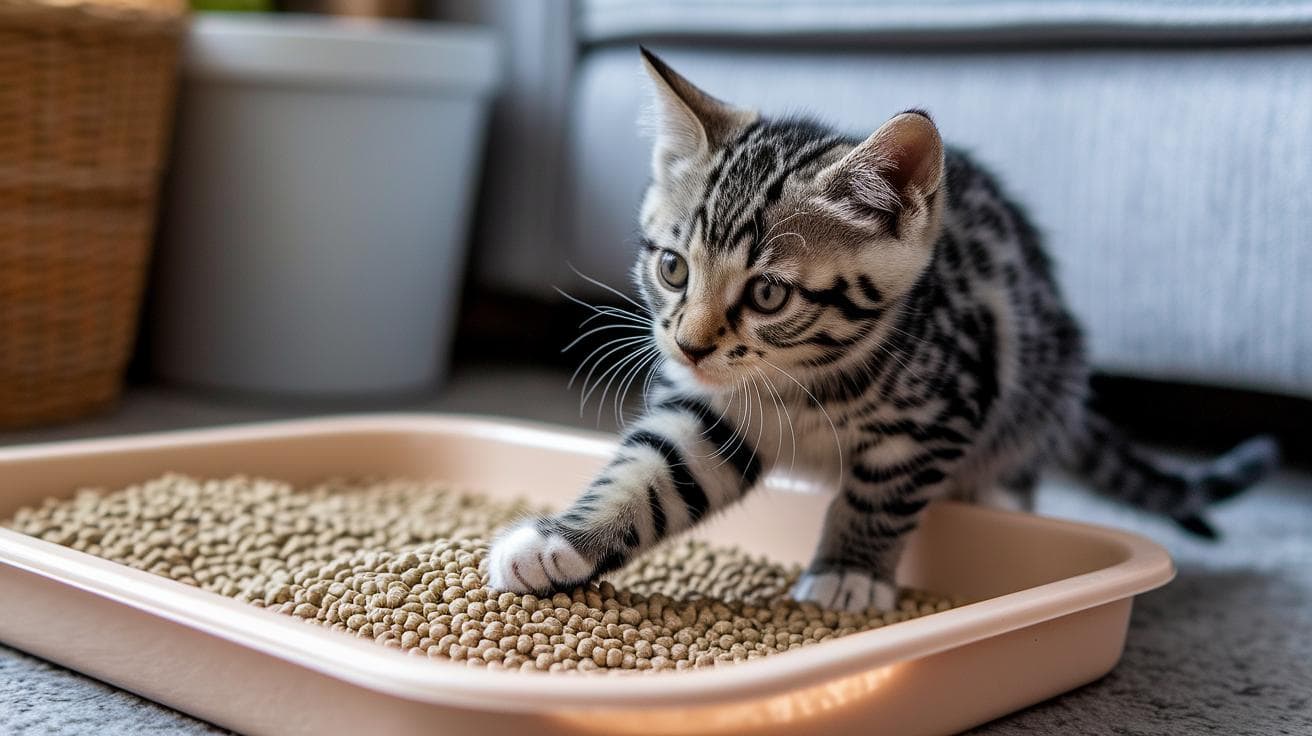
Ever watched your kitten pause at the litter box’s edge, whiskers twitching, then tap the floor like “nah, not today”?
A too-small or awkward pan can turn potty time into a daily challenge for your furball (and a headache for you).
But pick a roomy box with low sides and an easy step-in, and you’ll speed up training, cut down scatter, and keep your little tiger purring as they hop inside!
Here’s the scoop: the right litter box builds confidence, stops stray litter in its tracks, and makes cleanup a breeze, so both of you can focus on the fun parts of kittenhood.
Worth every paw-print.
Why Kittens Need the Right Litter Box

Picking the perfect litter box for your kitten is more than just a one-and-done buy. It can speed up training, keep your tiny tiger comfy, and help you dodge spills. Your kitten’s whiskers will twitch with joy when they have the right fit.
Here’s what to look for:
- A box at least one and a half times your kitten’s length (so they can turn around without feeling squished)
- An entry threshold of 3–5″ (about the height they can step over without slipping)
- Side walls at least 6″ tall (to keep litter where it belongs)
- BPA-free, anti-stick plastic (won’t trap odors or hold onto mess)
- Your choice of an open pan or a hooded cover (for privacy or easy access)
- A non-porous, easy-clean finish (just a quick wipe and you’re done)
Stick to these tips and you’ll be feline fine, no more messy surprises.
Worth every paw-print.
Why Kittens Need the Right Litter Box
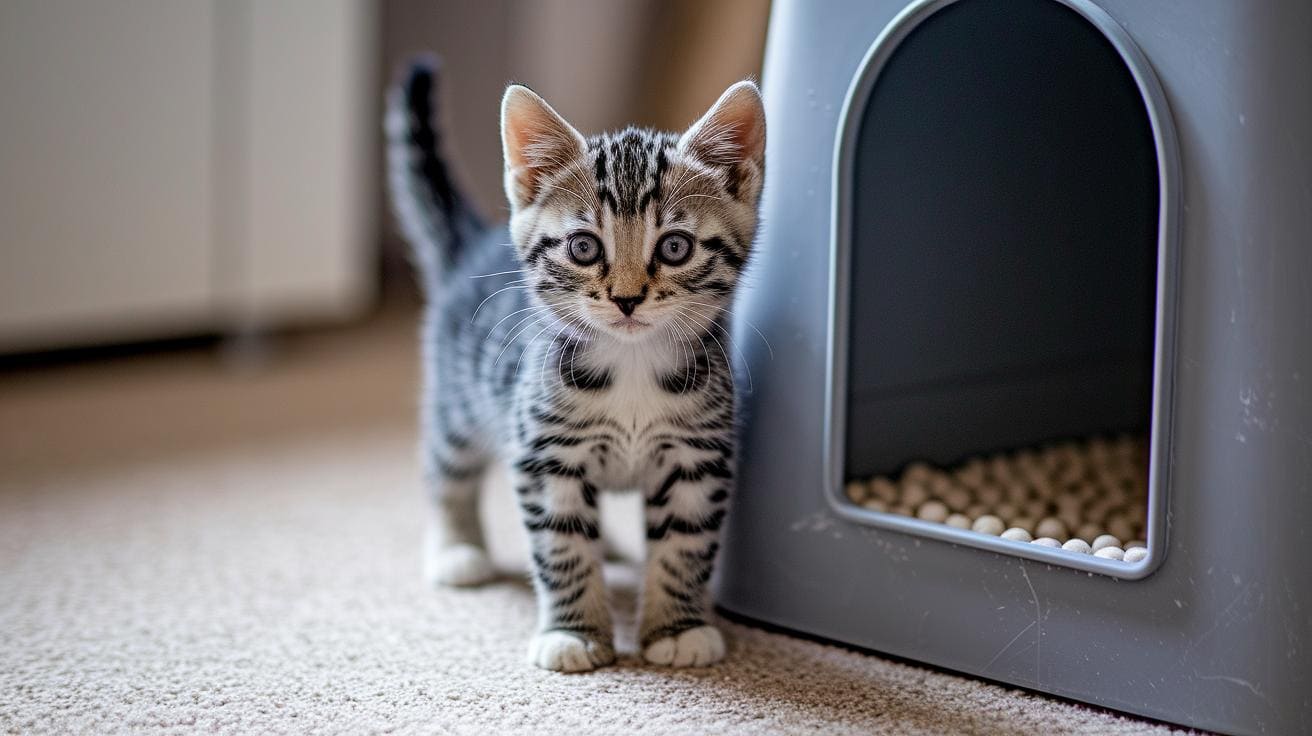
Ever watched your kitten struggle in a box that’s too small? It’s sad seeing tiny paws scrabble at the sides. Your kitten’s litter box should be at least one and a half times their body length from nose tip to tail base. For kittens under six months, start with a 12×12-inch pan. Then upgrade to a 24×18-inch one as they grow, you’ll see more confident hops.
And don’t forget the entry. A side wall just 3 to 5 inches high or a gentle ramp lets your furball step in without jarring those little legs. Top-entry boxes look cool but can lead to spills (and sore joints). Save them for when your kitty’s steadier on their paws.
Worth every paw-print.
Material and Design Variations in Kitten Litter Box Selection

Ever seen litter flying across the room? Anti-spill models have built-in scatter shields or raised rims that catch stray granules before they hit your floor. Some even sport splash guards with tough walls that keep pee safely tucked inside the pan. For max coverage, you know, pick one-piece guards molded right into the pan instead of clip-on shields that wobble or crack under sharp claws.
Corner-shaped pans squeeze into room corners, saving floor space while giving your kitty plenty of side protection. Standard rectangular trays pop into open areas and come in deep bowls or extra-wide options for big diggers. Open-top designs keep the view clear so kittens don’t feel trapped or spooked, and they pick up on your hand signals faster, speeding up training. Covered boxes with hoods feel like a private cubby but can turn into a smelly cave if vents are too small, so pick one with roomy airflow slots or a lid you can pop off for fresh air.
Always pick pet-safe plastics like BPA-free (no bisphenol A) or food-grade polymer (a kind of safe plastic) that stand up to your kitty’s claws and resist stinky smells. The non-toxic parts stop bacteria buildup, so the box lasts through years of paw patrol. A smooth, non-stick finish wipes clean in seconds with no scrubbing. Thick, rigid plastic keeps everything sturdy, and sealed seams stop grime from sneaking into crevices, which is perfect for messy kittens and busy human schedules.