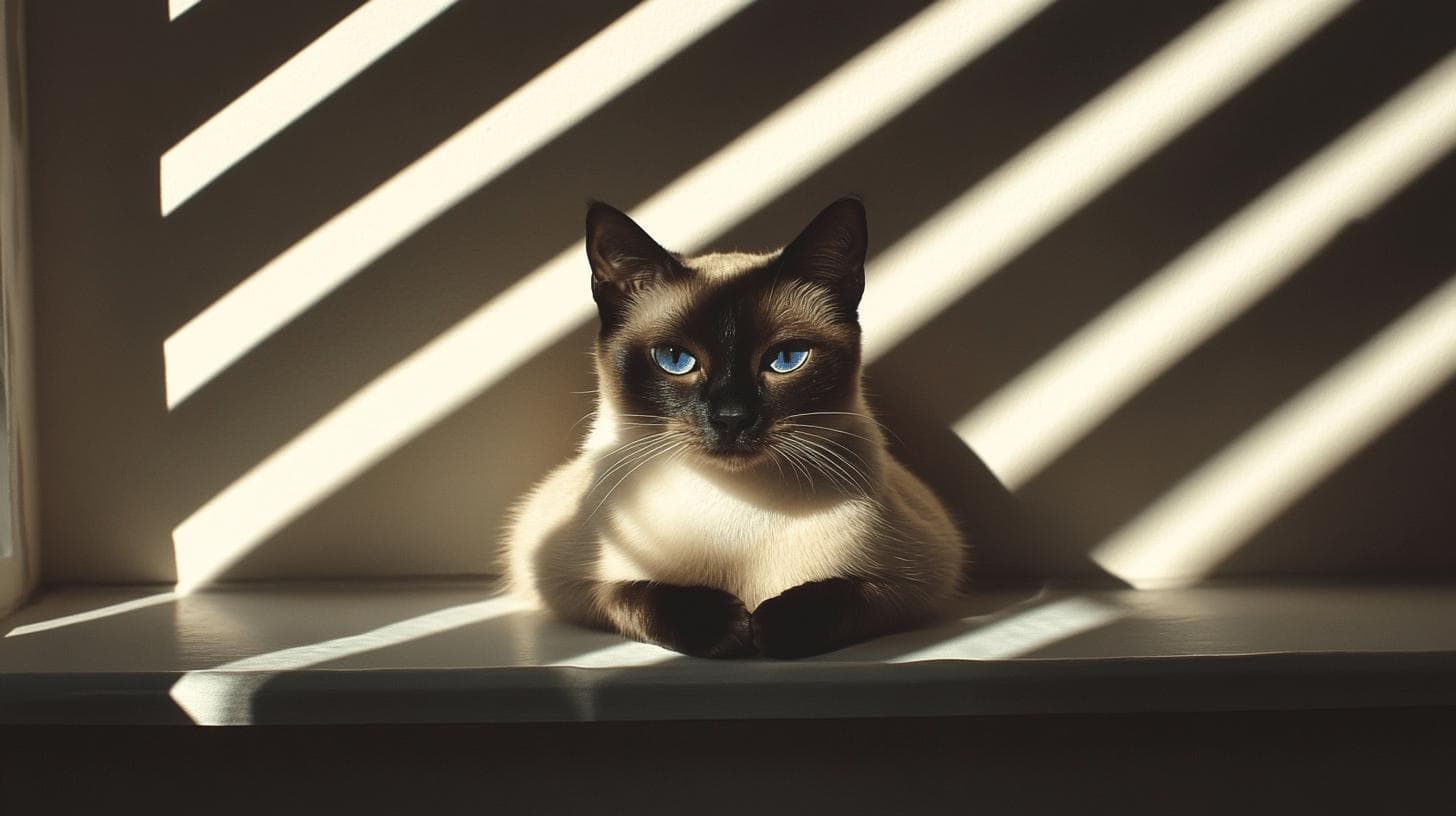
Ever wondered when the enchanting blue eyes of a kitten morph into their true color? It's a fascinating journey that tells more than just their age. While many delight in their blue-eyed innocence, experienced cat parents know these hues change, revealing the kitten's mature look. But when exactly does this transformation happen, and what does it mean for their health? Join us as we explore the timeline of eye color changes in kittens, unraveling the genetic tales behind those mesmerizing feline gazes.
When Do Kittens' Eyes Change Color and Stabilize?
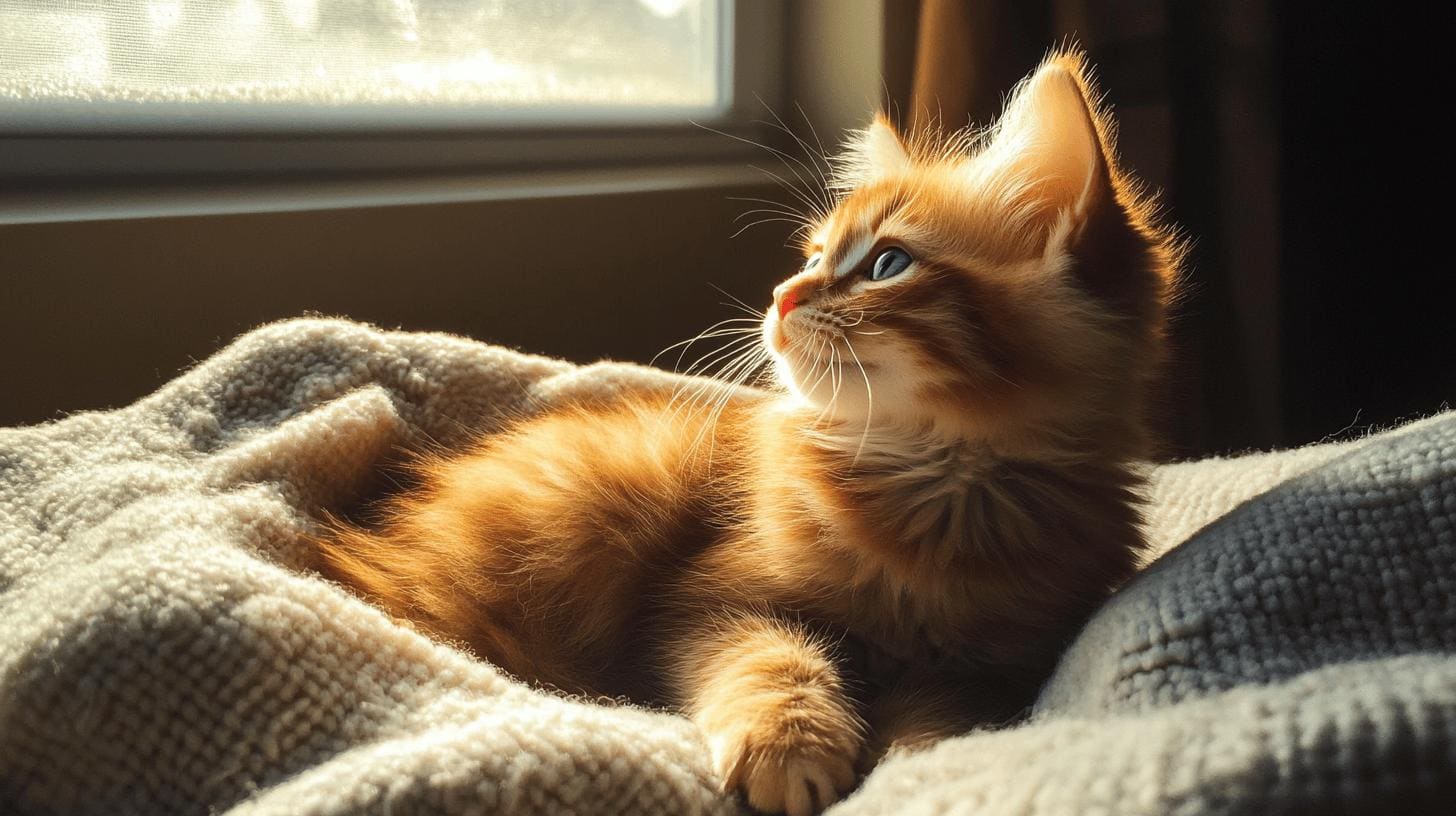
Kittens are born with blue eyes, a result of their eyes lacking pigment and the refraction of light. This striking blue is due to the way light scatters and reflects off the iris. As they grow, their eyes start to change color as melanin begins to develop within the iris. This process is natural and marks the transition from the baby blues to their true eye color, which is often influenced by genetics.
The typical timeline for these changes begins around 4 to 6 weeks of age. During this period, you may notice the blue starting to fade or shift as more melanin accumulates. By 7 weeks, the change can be quite apparent, with the color becoming more defined. By the time they reach about 3 months old, most kittens will have developed their final eye color. Yet, it's not uncommon for minor changes to continue up to 6 months as their eyes fully mature and stabilize.
| Age | Eye Color Change |
|---|---|
| Birth | Blue eyes |
| 4-6 weeks | Initial color changes begin |
| 7 weeks | Noticeable color definition |
| 3 months | Permanent eye color develops |
| Up to 6 months | Minor changes and stabilization |
Reaching permanent eye color is significant as it often marks the kitten's transition into a more mature stage of development. The stability of their eye color is an indicator of their overall health and maturity. While most kittens will have settled into their permanent hue by 3 months, some may experience slight changes as they approach 6 months.
Monitoring these changes is crucial for ensuring your kitten's eye health. If you observe any sudden or unusual changes, such as a drastic shift in color or the appearance of cloudiness, it's important to consult a veterinarian. These could be signs of underlying health issues that require attention. Regular check-ups will help ensure that any deviations from normal development are promptly addressed, supporting your kitten's healthy growth.
Factors Influencing Cat Eye Color Changes
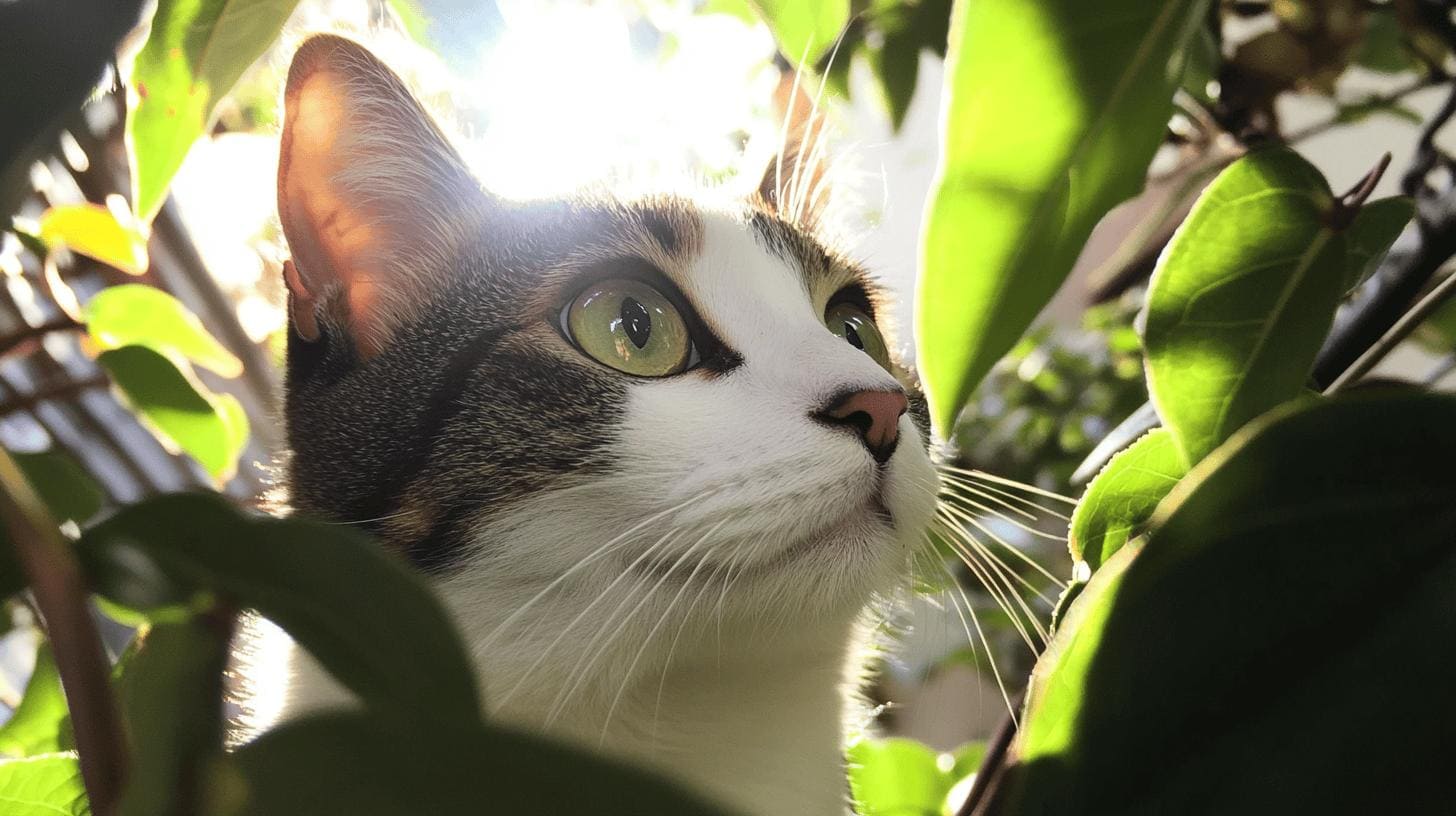
Genetics is a major player in determining the eye color of cats. This genetic blueprint influences how melanin is distributed in the iris, which in turn dictates the final color. The amount and type of melanin can vary greatly among different breeds, leading to a wide range of eye colors. For instance, Siamese cats are known for their striking blue eyes, a trait tied to their genetic makeup. The specific genes involved can also determine whether a cat will have lighter or darker shades, contributing to the diversity seen in feline eye colors.
Environmental factors, such as lighting, can also impact how we perceive a cat’s eye color. The same pair of eyes might appear different under various lighting conditions. Bright light can enhance certain hues, making them appear more vibrant. In dim lighting, the eyes might look darker or even change in apparent color. This is due to the way light interacts with the pigments in the iris and the tapetum lucidum, a reflective layer in the eye. Understanding these factors helps explain why a cat’s eye color might seem to change when, in fact, it’s just a play of light and genetics at work.
Health Implications of Sudden Cat Eye Color Changes
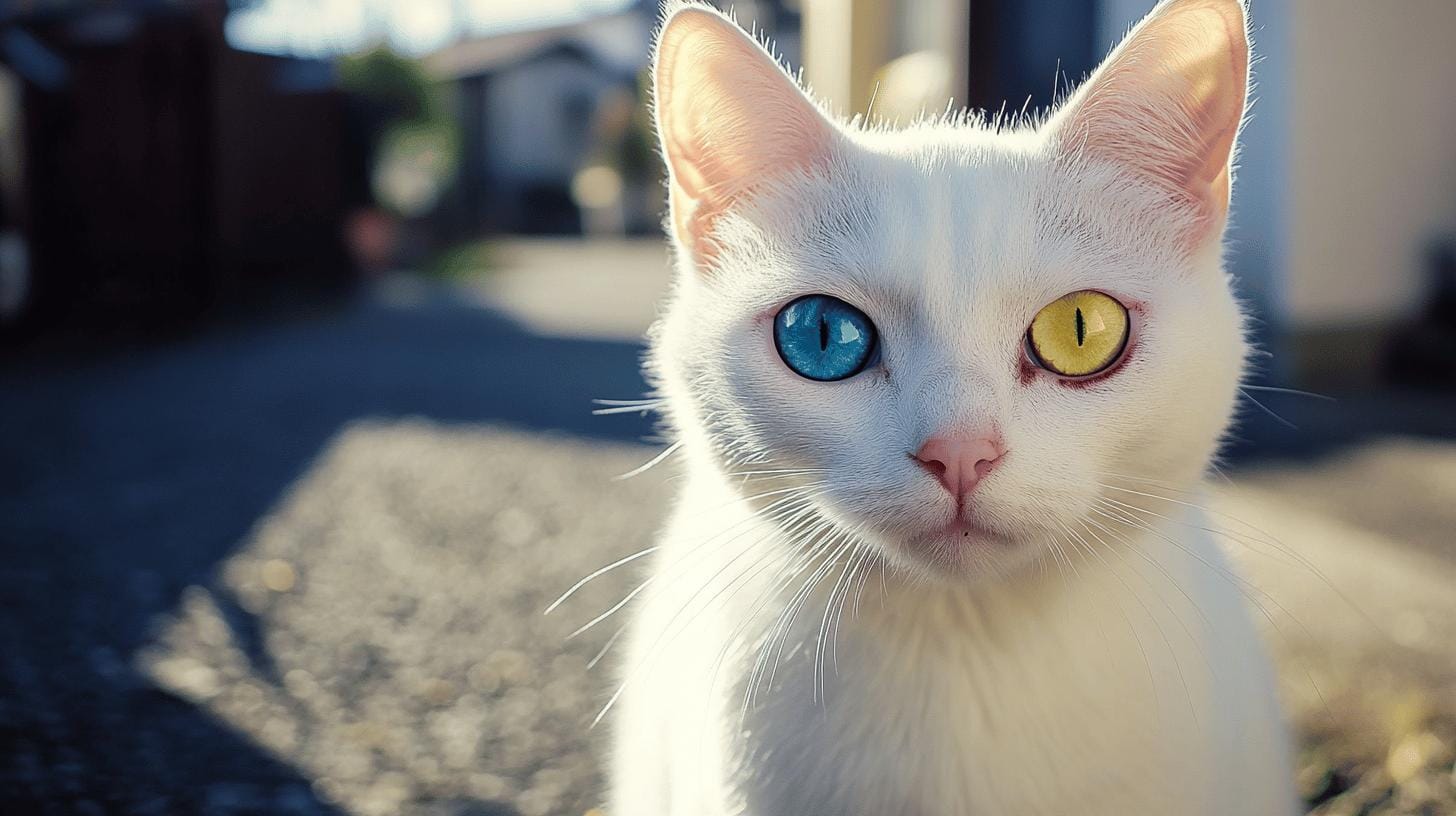
Sudden changes in a cat's eye color can be alarming and may signal underlying health issues. Conditions such as infections or injuries are common culprits that can lead to a noticeable shift in eye color. For instance, an infection might cause inflammation, resulting in redness or a cloudy appearance. Injuries can also lead to swelling or discoloration, indicating trauma to the eye. Early detection of these changes is crucial. Prompt attention can prevent potential complications and ensure your cat receives the necessary treatment. Keeping an eye on any shifts in color or clarity can be vital for maintaining your cat’s eye health.
As cats age, their eyes may naturally change in appearance. This includes the lens becoming more yellow or cloudy, a process linked to the loss of lens flexibility. This is typical in older cats and doesn't necessarily indicate a serious health problem. However, distinguishing normal aging changes from sudden, health-related shifts is important. Regular vet check-ups can help monitor these changes and ensure they are part of the natural aging process rather than a symptom of an issue that requires treatment.
- Infections
- Injuries
- Aging
If you notice any sudden or unusual changes in your cat's eye color, it's important to seek veterinary advice. Such changes could be indicative of health problems that need immediate attention, and consulting with a veterinarian can provide guidance and peace of mind.