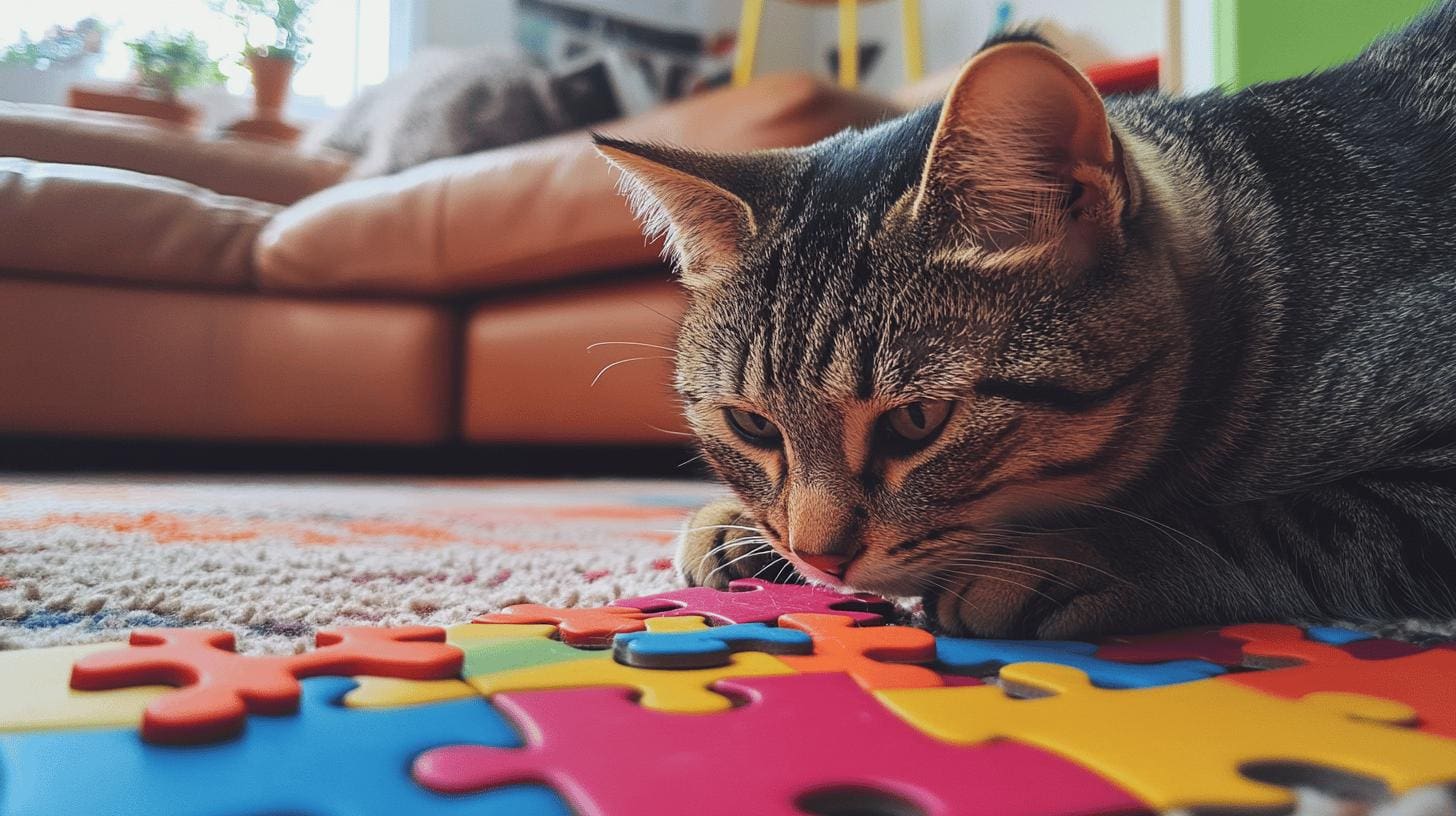
Ever caught your cat staring intently at a blank wall and wondered what's captured their attention? It might seem strange, but there's a reason behind this curious feline behavior. Cats have senses that go beyond our own, allowing them to pick up on subtle sounds and movements imperceptible to us.
This blog post delves into the fascinating world of cats' sensory abilities and instincts. By gaining insight into why cats stare at walls, you'll not only understand them better but also improve your bond with your feline friend.
Understanding and Decoding Why Cats Stare at Walls
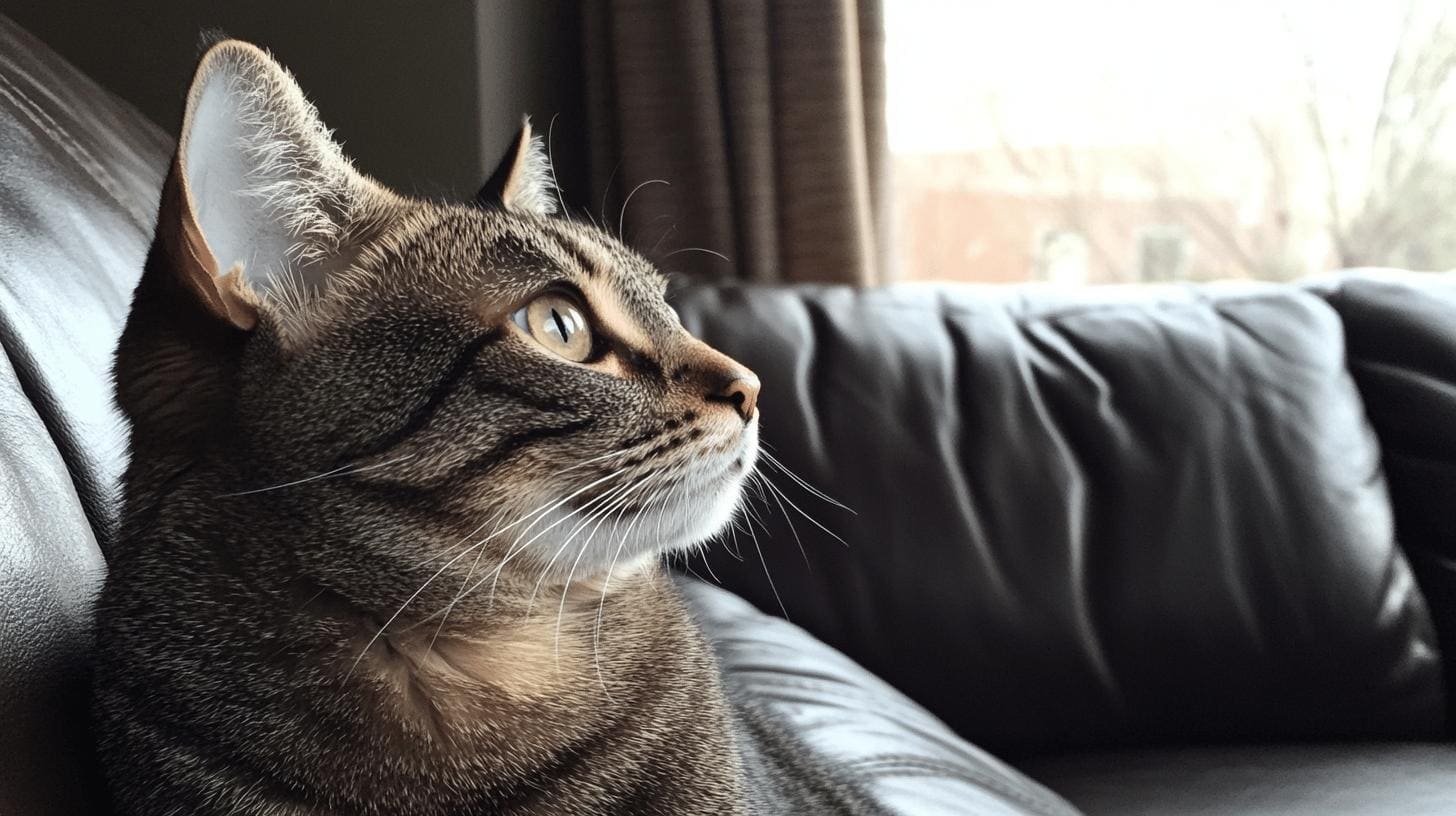
Cats are fascinating creatures with a sensory world that's vastly different from ours. Their natural instincts and sensory capabilities make them adept hunters, even in the comfort of our homes. Their hearing is exceptionally sharp, allowing them to detect a wide range of frequencies up to 64,000Hz.
This means they can pick up on sounds like water flowing through pipes or even a TV humming from far away. Additionally, their vision spans about 200 degrees, enabling them to spot tiny bugs or faint shadows on walls that would be imperceptible to us.
Here are some reasons why cats might stare at walls:
- Detecting Sounds: Cats can hear noises from within walls, such as small animals or plumbing sounds.
- Spotting Movements: Their wide field of vision allows them to notice the slightest movements, like bugs or shadows.
- Curiosity: Cats are naturally curious, and a blank wall might present an intriguing puzzle.
- Predatory Instincts: As hunters, they are always on the lookout for prey, even if it’s just a speck of dust.
- Exploring Light Reflections: Cats might be fascinated by reflections or changes in light patterns on walls.
These behaviors are typical of cats and reflect their predatory instincts. By staring at walls, they are honing their senses and exploring their environment. This is a part of their natural drive to hunt and observe their surroundings, even if the "prey" is something as mundane as a moving shadow or a light flicker.
The mysterious nature of cats adds another layer to their wall-staring habits. Sometimes, they might engage in this behavior for reasons we simply can't discern. Understanding their heightened sensory capabilities and instincts not only helps us appreciate these fascinating creatures more but also enriches our experience as cat lovers. By acknowledging their unique behaviors, we can create an environment that satisfies their innate curiosity and keeps them mentally stimulated.
Health Concerns Related to Cats Staring at Walls
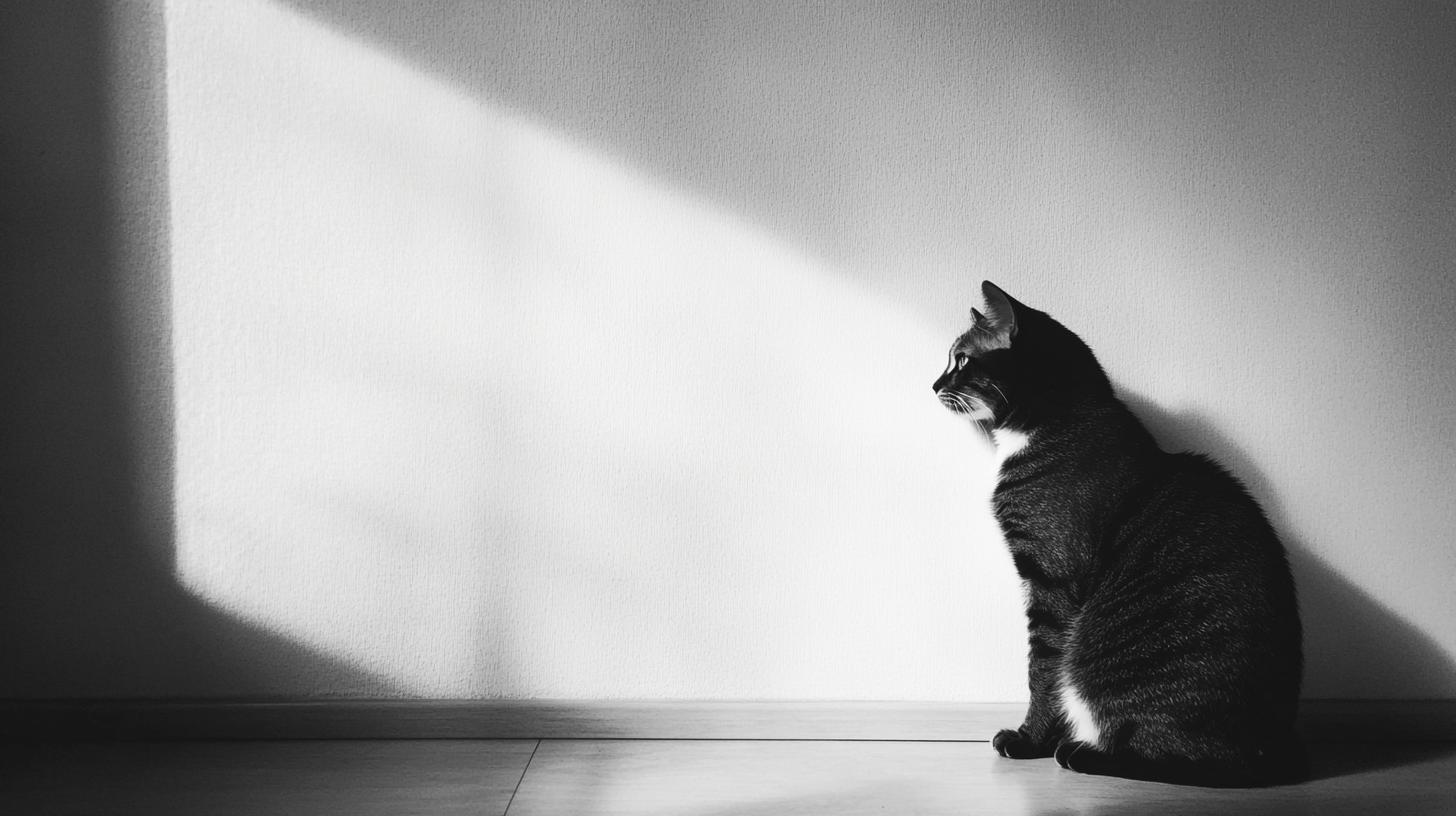
Cats staring at walls can sometimes hint at underlying health issues, particularly in older cats. One common concern is feline cognitive dysfunction, similar to dementia in humans. This condition often appears in cats over the age of 10 and is characterized by disorientation and confusion, which might lead to behaviors like wall-staring.
Another rare but potential cause is feline hyperesthesia syndrome. This syndrome involves symptoms like intense tail chasing, excessive grooming, and occasionally, a trance-like stare at walls. While it's not fully understood, these behaviors can be distressing for both the cat and its owner.
Head Pressing as a Warning Sign
Head pressing is a behavior that differs from simple wall-staring. In this case, a cat might press its head against a wall or other surfaces without moving. This action can signal serious neurological issues, such as brain tumors, liver shunts, or other pressing medical conditions.
Unlike casual wall-staring, head pressing is a red flag that requires immediate veterinary attention. It's crucial to recognize this behavior as a potential emergency and seek professional help right away.
If your cat's wall-staring is accompanied by unusual behaviors like loud yowling, increased sensitivity to touch, or aggressive actions, it's important to consult a veterinarian. These signs could indicate neurological symptoms in cats or other health issues that need professional assessment.
Documenting these behaviors with videos can provide valuable information to your vet, aiding in a more accurate diagnosis. Recognizing and addressing health-related causes of wall-staring helps ensure your feline friend remains healthy and comfortable.