Think your Abyssinian naps all day? Nope. These clever furballs run on short, explosive zoomies and mental puzzles. Your cat’s happiest when its whiskers twitch and it gets to pounce, think quick bursts, not marathon play. Ever watched your kitty chase a shadow? Pure joy.
Here’s the simple three-step routine that keeps mischief low and joy high. Aim for about 30 minutes total, split into short sessions across the day.
- Morning sprint: 10–15 minutes of fast chasing to burn off overnight energy.
- Midday brain break: 10 minutes of puzzle play to work that clever brain.
- Evening wind-down: a short 5-minute burst to calm the zoomies before bedtime.
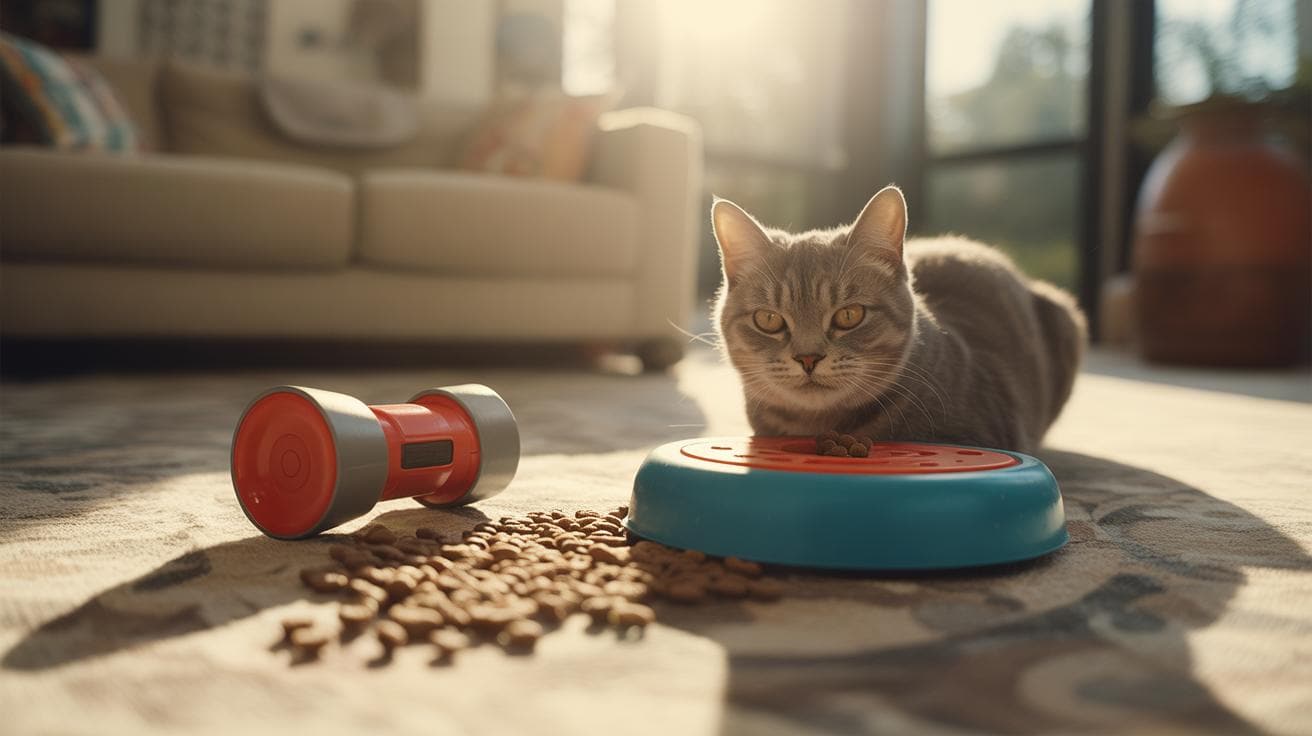
Toy picks that actually work. Feather wand (a stick with feathers that mimics prey) for chase and jump play. Puzzle feeder (a food-dispensing toy) to make meals into a game. Small balls or crinkle toys for quick, satisfying pounces and the thunk of a rolling toy across the floor. Teaser wand (like a fishing rod for cats) is perfect for those gravity-defying leaps.
Quick tips so toys last and your cat stays safe. Supervise string and feather play so nothing gets swallowed. Rotate toys every few days so they stay exciting. Toss an unbreakable ball before you head out for ten minutes of safe solo play, works wonders on busy mornings. My cat once leaped six feet for a feather toy. True story.
Give the routine a try and tweak times to your cat’s vibe. It’s fun. It’s simple. And your Aby will be way less likely to redecorate your curtains. Worth every paw-print.
Abyssinian cat play needs answered
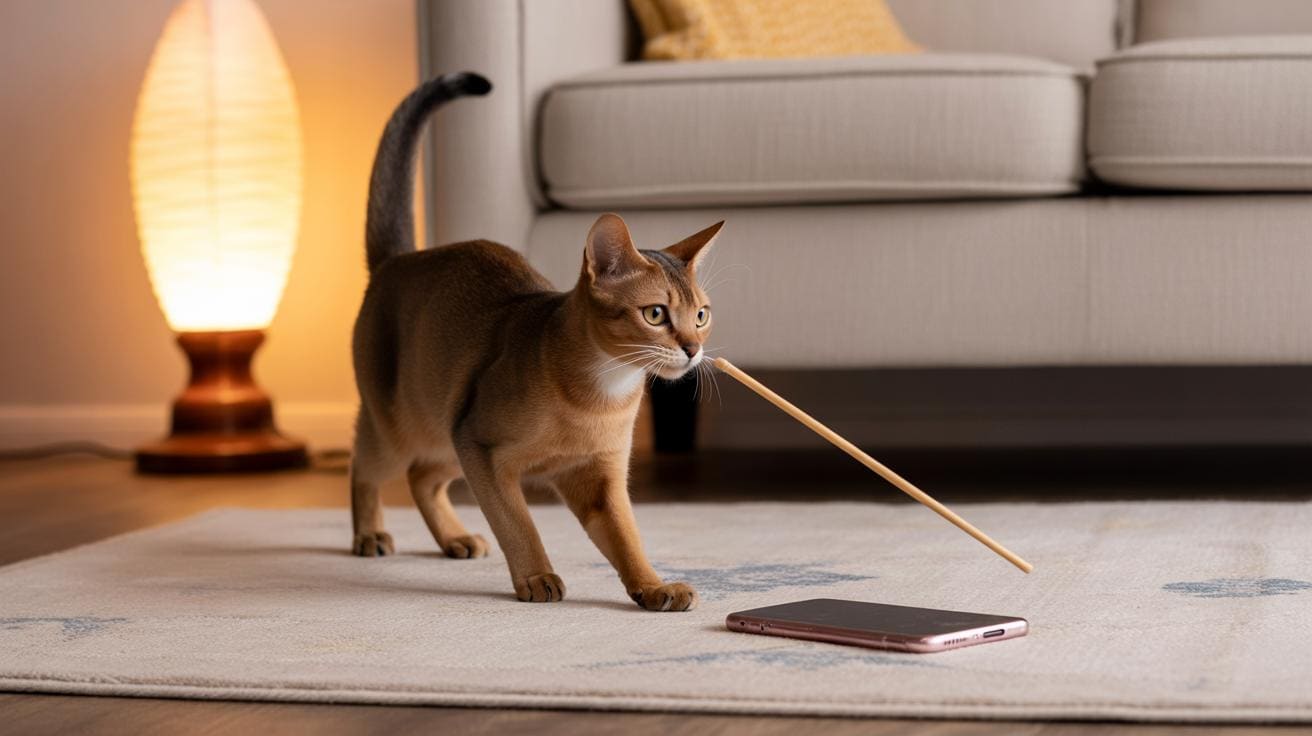
Aim for about 30 minutes a day, split into short bursts. Start this exact 3-step routine today. These clever, energetic cats focus in quick bursts and get bored by long, slow drills. Morning play burns extra energy. A short evening session tames the zoomies and gives social time, which cuts down on mischief when you’re away. Human-led play helps keep a steady daily routine for Abyssinians.
-
Morning sprint (10 minutes, physical)
Start with a 5-minute warm-up chase using a feather wand (stick toy with feathers). Then do a 3-minute high-speed ball toss , lightweight fetch with a soft ball works great. Finish with 2 minutes of slow wand pulls to simulate the catch. Your cat’s whiskers will twitch as the toy darts under the couch. Fun and fast. Really. -
Midday brain break (15 minutes, mental)
Begin with a 3-minute scent hunt , hide a few pieces of kibble around a room. Next, 10 minutes with a puzzle feeder (food-dispensing toy) to make mealtime work the brain. End with 2 minutes of treats and praise. It’s like a coffee break for your cat’s mind. Ever seen an Aby pounce on a hidden prize? Pure joy. -
Evening wind-down (5 to 10 minutes, mixed)
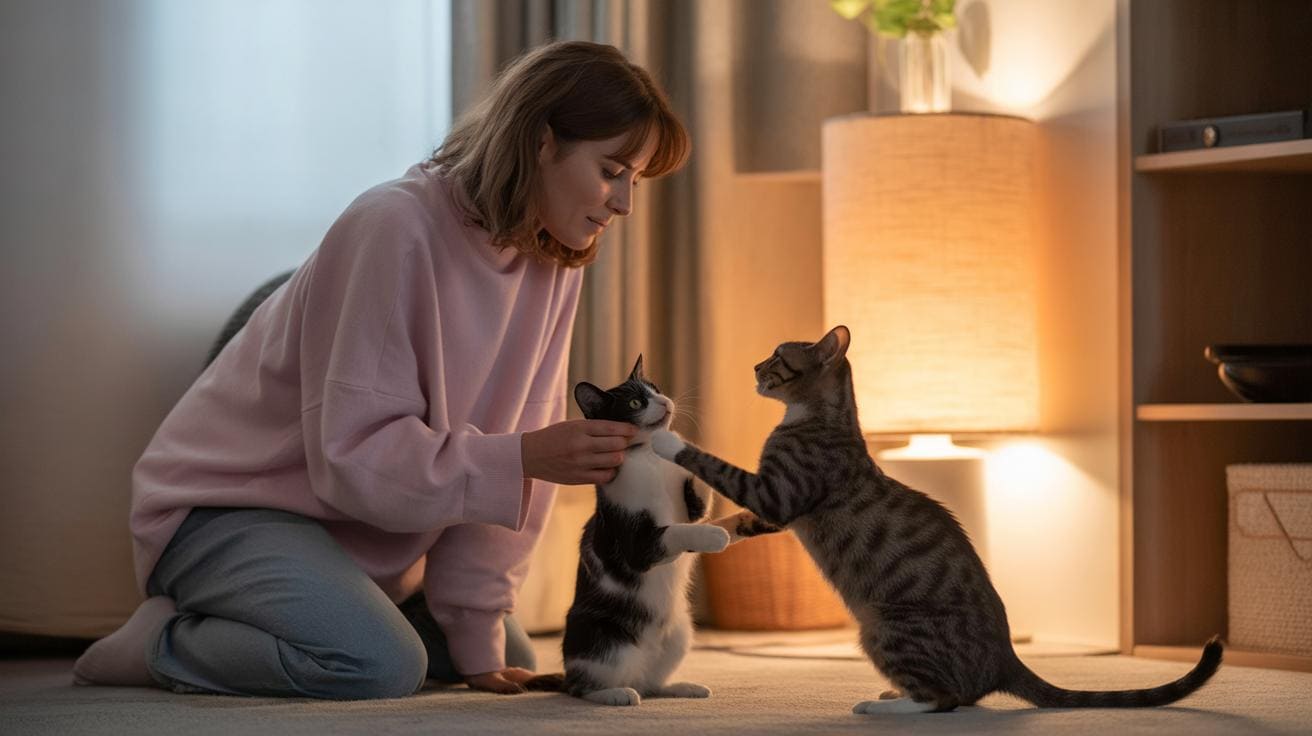
Start with a 3-minute laser or short wand burst (laser pointer works as a fast, light target). Follow with 2 to 5 minutes of gentle fetch or plush-prey capture to let your cat finish the hunt. End on calm petting or a quick clicker reward. Nice and mellow before bed.
Quick toy tips and DIYs
- Feather wand (grab and wave): Great for short chase sprints and the satisfying capture ritual.
- DIY kibble ball (plastic bottle with kibble inside): Fast to make and perfect for rolling during mealtimes.
- Cardboard tunnel (simple hide-and-seek tube): Cheap, instant, and great for stalking practice , toss a toy inside and lure your cat through.
Small notes: if you’ve only got five minutes, pick one high-energy burst. If your day’s packed, put a quick puzzle feeder out before you leave , that’s ten minutes of safe play. Oops, make that ten minutes of sanity for you too. Worth every paw-print.
Top interactive toys for Abyssinian cats (canonical toy list and comparison)
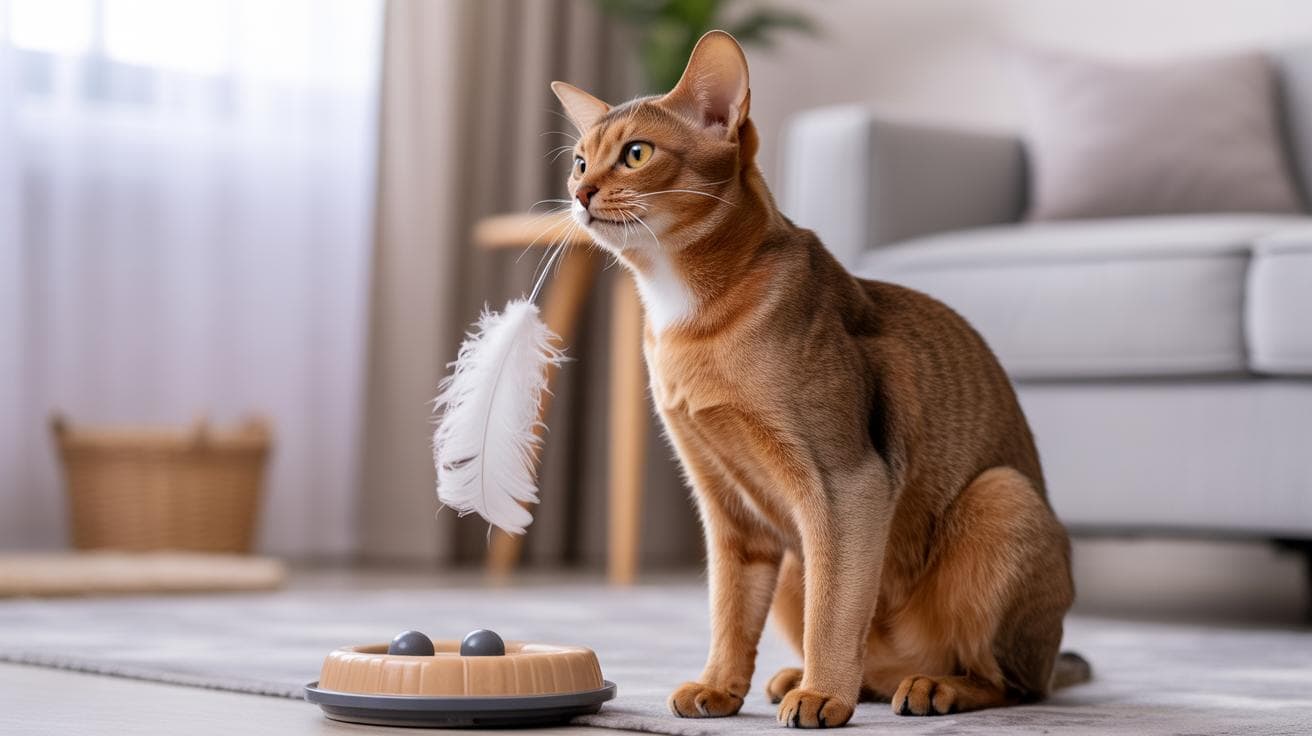
Abyssinians glow when toys move and when toys make them think. Motion wakes their stalking-chase-pounce loop: short jerks, sudden stops, and a believable "catch" hold their attention. Puzzle toys give their clever brains something to do and turn meals into playtime. Ever watched your kitty’s whiskers twitch as a ball rolls? Yeah, that.
Match the toy to the goal. Want sprint practice? Pick fast, unpredictable motion. Need calm mental work? Use quiet, food-based puzzles. Want recall and teamwork? Try lightweight fetch toys. Wand toys let you set the tempo and finish with a satisfying capture. Puzzle feeders (treat-dispensing toys) turn eating into a hunt so your cat stays busy while you’re out. Motorized mouse toys (battery-powered toys with a small motor, a tiny electric mechanism) and automated lasers (moving laser units) give surprise motion when you can’t play hands-on.
Best wand play routines
Keep wand sessions short and rhythmic. Do 2-6 second bursts , dart, freeze, flutter , then pause for 1-3 seconds. That start-stop pattern tricks prey instincts and keeps focus. Let the cat "catch" a soft plush or a treat at the end so the session finishes with a win.
Build intensity slowly. If ears tip back or the tail lashes, slow down or wobble gently; if whiskers push forward and eyes lock on, add quick darts and a few long pulls down the floor. Finish with a capture moment and 30-60 seconds of calm petting or a treat so the last memory is success. Worth every paw-print.
- Feather wand (stick toy with feathers): Great for short chase sprints and easy speed control so you can copy real prey movement.
- Puzzle feeder (treat-dispensing toy): Makes meals into a brain game and lowers boredom while you’re gone.
- Motorized mouse (battery-powered toy with small motor): Skitters in unpredictable ways to spark hunting drives.
- Automated laser (moving laser unit): Perfect for quick, high-speed focus without much effort from you.
- Small ball (light, rollable): Great for fetch and independent chases across floors and low furniture.
- Plush prey (soft stuffed toy): Lets cats do the catch-and-kill ritual safely and practice bite control.
- Treat-dispensing cube (multi-chamber puzzle box): Ramps up difficulty for smart cats and stretches snack time into play.
- Cat tunnel (collapsible hiding tube, foldable): Creates ambush spots and adds depth to stalking games.
| Toy Type | Best Use | Durability | Price Range |
|---|---|---|---|
| Feather wand | Interactive chase with owner | 6-12 months; noise: low; supervision: occasional | $ |
| Puzzle feeder | Meal-time mental stimulation | 12-36 months; noise: low; supervision: none | $$ |
| Motorized mouse | Unpredictable solo motion | 6-18 months; noise: medium; supervision: occasional | $$ |
| Automated laser | Fast visual chase | 12-24 months; noise: low; supervision: occasional | $$ |
| Small ball | Fetch and rolling chases | 12-36 months; noise: low; supervision: none | $ |
| Plush prey | Capture and bite practice | 3-12 months; noise: low; supervision: occasional | $ |
| Treat-dispensing cube | Advanced puzzle challenges | 12-36 months; noise: low; supervision: none | $$ |
| Cat tunnel | Stalking, ambush, and hiding | 12-48 months; noise: low; supervision: occasional | $-$$ |
Abyssinian kitten play tips and transitioning toys for growth stages
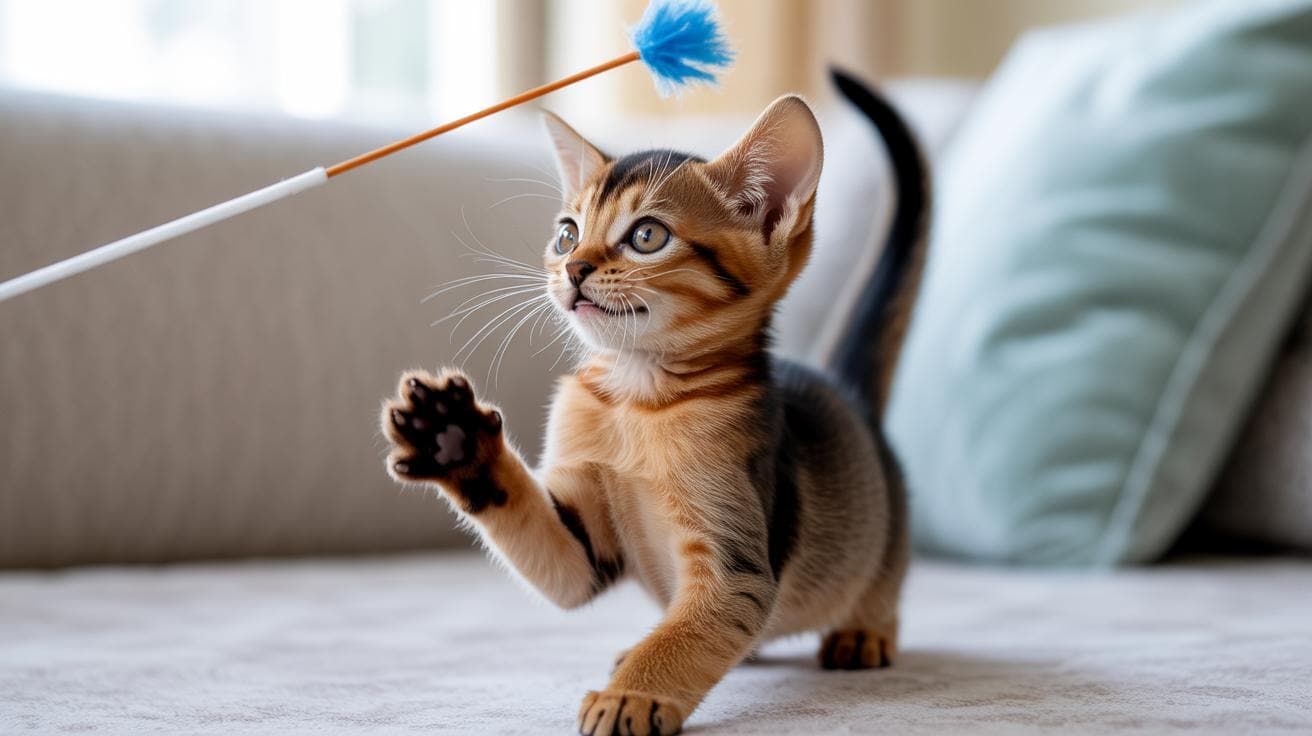
Kittens are little bundles of zooms and curiosity, so keep play short, snappy, and fun. Five to ten minute sessions match their energy and give them quick wins, which boosts confidence and keeps them coming back for more. Ever watched your kitty chase a shadow and suddenly act like a tiny tiger? Yeah, that.
Pair play with meals and naps to build a routine. Try a 5–10 minute play session right before mealtime so activity leads into eating, then a calm 5-minute wind-down after food to help digestion and tame the zoomies. It’s simple, and your cat will thank you with a satisfied purr.
Swap toys as teeth and strength change. Start with soft, lightweight prey toys like plush mice, then move to tougher fetch toys and durable plush (plush with reinforced seams and strong fabric) as their bite gets stronger. If a kitten chews through seams or clearly dislikes a texture, retire that toy and upgrade to something sturdier.
Here are six short play routines you can try. They’re designed to teach skills and give you clear milestones to watch for.
-
Warm-up wand routine
- 5 minute wand warm-up; 2 minute rest; 3 minute soft fetch.
- Reward: one kibble piece and petting.
- Goal: build focus and recall. Milestone: responds to name twice during play.
- Think of the wand like a fishing pole for cats, flutters, then pause, then reward.
-
Hide-and-seek kibble hunt
- 4 minute hide-and-seek with kibble; 3 minute easy puzzle feeder (a toy that hides food).
- Reward: small wet treat.
- Goal: scent work and problem solving. Milestone: finds all treats in under 7 minutes.
- Cute to watch: whiskers twitching as they sniff each corner.
-
Clicker practice
- 6 minute clicker (clicker is a small training device): quick 1-second clicks to mark grabbing a plush; give a treat after three clicks; rest 2 minutes.
- Goal: build cue response. Milestone: sits on cue before play.
- Oops, make that three clicks then treat, consistency is the secret sauce.
-
Tunnel ambush game
- 5 minute tunnel ambush; 2 minute calm.
- Reward: short grooming or gentle petting.
- Goal: stalking practice and confidence in hiding spots. Milestone: uses the tunnel without fear.
- Bonus: cats love the sound and feel of the tunnel; you’ll hear tiny paws zip.
-
Gentle tug for bite control
- 8 minute gentle tug with a soft toy only, include 30 second pauses.
- Reward: praise and a quiet cuddle.
- Goal: teach bite inhibition. Milestone: releases on cue.
- Keep the toy soft and stretchy so teeth meet resistance but don’t hurt.
-
Supervised water curiosity
- 3 minute shallow bowl splash (supervised); 2 minute dry towel play.
- Reward: a treat.
- Goal: safe, calm exposure to water. Milestone: sniffs water without backing away.
- Some kittens love a little splash; others just poke with a paw. Either is fine.
Use the Top interactive toys section for specific picks and keep age tweaks simple. For younger kittens reduce tether force (how hard the toy pulls), choose softer textures like microfleece (soft, fuzzy fabric), and lower puzzle difficulty. For older kittens step up durability and challenge.
A quick note for safety: always supervise new toys, toss any toy with exposed stuffing or ripped seams, and rotate toys so each one feels fresh. Watching a kitten pounce on a well-loved toy is one of life’s small joys. Worth every paw-print.
High-energy Abyssinian play ideas and routines (detailed session blueprints)
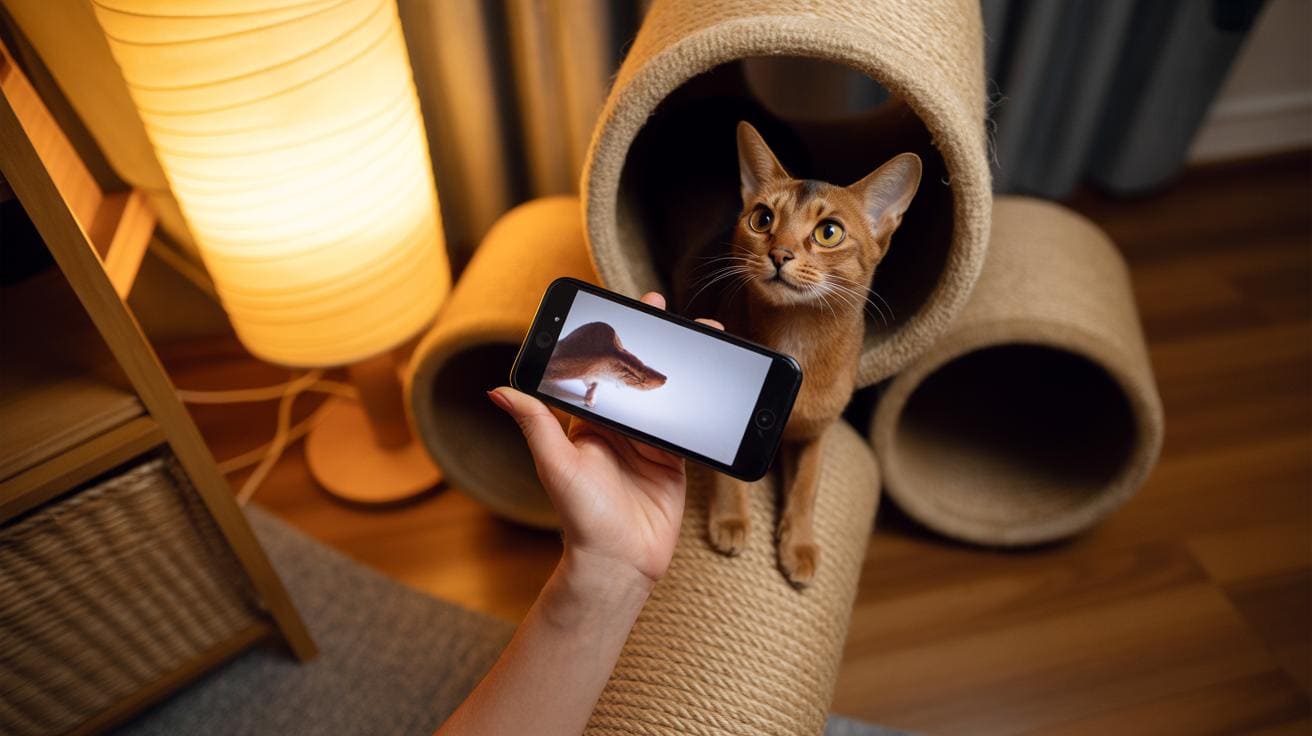
These blueprints take the quick starters and turn them into full micro-plans you can run on repeat. Each one gives a clear sequence so your Abyssinian gets a real hunt-like workout instead of scattered zoomies. Think short, focused games that build stamina, speed, and focus, while keeping it fun for both of you.
-
Stalk-Chase Circuit (Goal: stamina & stealth)
Tools: tunnel (collapsible cat tunnel), feather wand (wand with feathers), small ball.
Steps: Start with a 1 minute scent trail using 6 kibble pieces spaced out. Then do 3 minutes of wand bursts: 2 to 4 seconds of fast wiggle, 1 second pause, repeat. Lure the feather toy into the tunnel for a 30 second ambush, let your cat pounce and hide a bit. Follow with 3 minutes of rolling-ball sprints across the room, then two 30 second jumps onto a 12 inch platform (12 inches equals about one foot). Finish with 2 minutes of calm capture using a plush prey toy so your cat can settle. Your Aby will love the chase and the cozy capture at the end. -
Vertical Power Ladder (Goal: jumping strength)
Tools: three platforms (8 inches, 16 inches, 24 inches), wand.
Steps: Warm up 2 minutes with slow wand teasing. Do five reps of floor-to-8 inch jumps, resting about 20 seconds between reps. Move up: five reps to 16 inches, rest 30 seconds. Try three reps to 24 inches, rest 45 seconds. End with 2 minutes of slow wand play and a gentle petting cooldown. It’s like a staircase for their legs, builds power without overdoing it. -
Treat Trail Sprint (Goal: quick bursts + scent work)
Tools: tiny treats or kibble (about 10 pieces, total ~1/2 teaspoon), timer.
Steps: Space 10 pieces about 3 to 5 feet apart, then set a timer and let your cat sprint the trail. Aim to finish under 3 minutes. Reward with 2 extra treats at the end and 1 minute of calm petting. It’s a short, tasty interval, fast, focused, and rewarding. -
Tunnel Ambush Series (Goal: stalking accuracy)
Tools: two tunnels or boxes, motorized mouse (battery toy that zips around).
Steps: Hide the motorized mouse at a tunnel entrance for 1 minute to pique curiosity. Do 3 minutes of guided ambushes with the wand at the tunnel mouth so your cat practices waiting and striking. Let 2 minutes of free pounce on the motorized toy follow. Finish with 1 minute of treat rewards, three small kibbles. This hones patience and the thrill of a surprise catch. -
Interval Fetch & Recall (Goal: recall + sprinting)
Tools: lightweight ball, clicker or name cue.
Steps: Run 10 quick rounds: throw (about 20 seconds of chasing), call your cat back by name and give 1 small treat, then rest 30 seconds between rounds. Total time is around 12 minutes. Aim for a reliable return after about 5 rounds. Teaching recall like this makes playtime productive and helps on busy days. -
Puzzle Burst Combo (Goal: brain + cardio)
Tools: medium-difficulty puzzle feeder (a treat-dispensing toy), motorized mouse.
Steps: Start 8 minutes with the puzzle feeder, scatter about half a meal so they work for it. Then 4 minutes of a motorized chase to get the heart rate up. Finish with 2 minutes of wand capture and 1 minute of brushing or petting. It’s food for the brain and a sprint for the body. -
Slow-Prey Stalking Drill (Goal: patience + focus)
Tools: long wand, plush prey.
Steps: Spend about 12 minutes doing slow strokes with the wand: 10 to 20 second slow moves, then 10 second pauses. Hide the plush under a light cover for three ambush attempts. Give a tiny treat after each capture. This builds focus and teaches controlled hunting, perfect for the thoughtful Aby.
Harness walks and supervised outdoor play
Introduce outdoor gear slowly. Harness (soft vest harness) means a small, secure vest you can clip a leash to. Day 1: 2 to 3 minutes indoors in the harness. Day 2: 5 minutes in a quiet hallway. Day 3: 8 minutes outside on a leash. Add about 3 to 5 minutes each day so you reach 15 minutes by the end of the week. Always check fit, watch for stress signs, and consult the Safety section for gear materials and inspection routines. Never leave a harnessed cat unattended.
Sample weekly rotation ideas
- Monday = puzzle feeders + scent games
- Tuesday = vertical ladder + wand routines
- Wednesday = motorized solo session + short wand cooldown
Reference Solo enrichment for rotation schedules and maintenance.
Climbing and vertical enrichment: best cat trees, shelves, and placement for Abyssinian activity
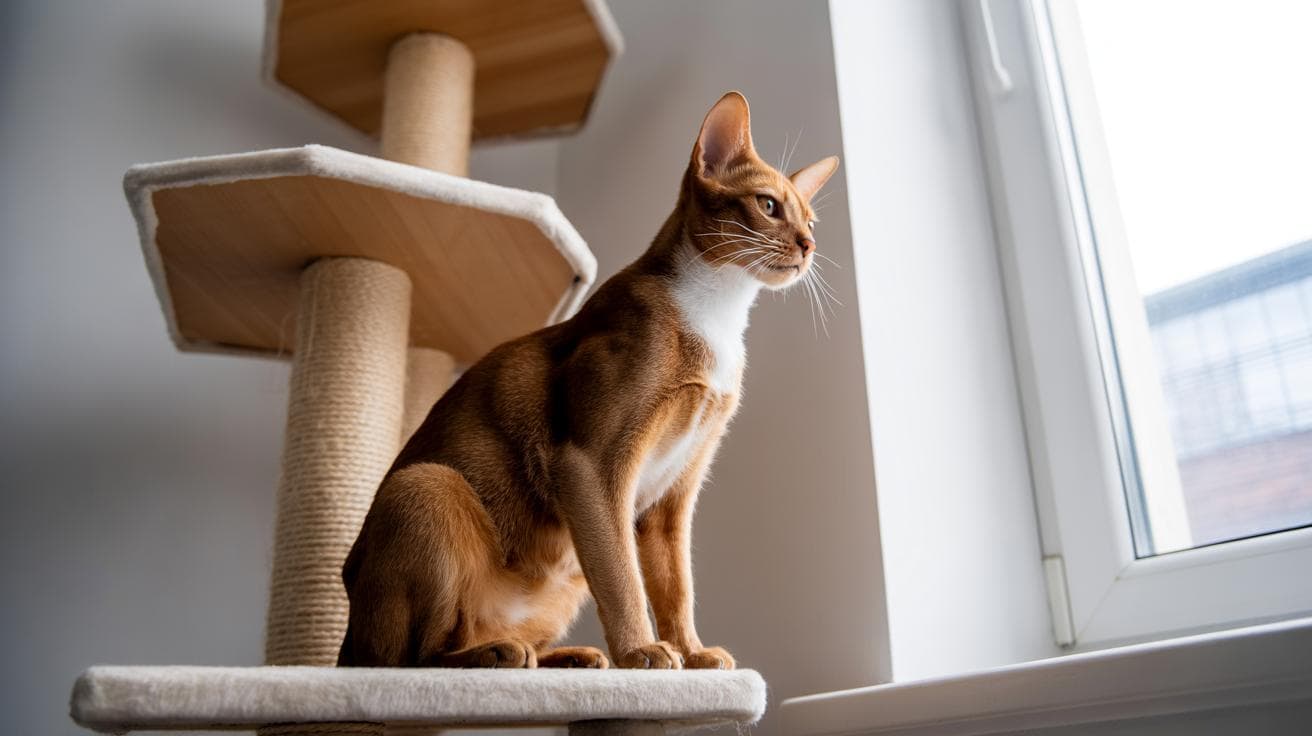
Abyssinians live for height. Give them a multi-level cat tree with platforms, tunnels, and built-in scratchers and you’ll see them sprint, leap, and perch to watch birds at the window. Their whiskers twitch when something outside moves, so put climbing gear near a sunny window for visual stimulation , sun puddles, birds, and street action keep them entertained. Align platforms with likely jump paths so landings are easy on the joints and muscles.
Match platform spacing to your cat’s reach and hop power. Low steps: 8-12 inches (20-30 cm). Mid-level steps: 12-18 inches (30-45 cm). Top-perch access: 48-72 inches (4-6 feet) in taller setups. Use sturdy materials and a wide base so towers don’t wobble. If space is tight, secure a freestanding tree to the wall for extra stability.
Ever watched an Abyssinian launch like a tiny panther? It’s music to a cat-lover’s ears. So think about scratcher placement, too , cats love to land and immediately rake a post. That satisfying thud, then the scratch, is part of the fun.
Installing wall shelves safely
Find studs first with a stud finder (studs = the vertical framing behind drywall). Mark the center of each stud. Choose shelves rated for at least 50 pounds per shelf if you expect multiple cats or chunky loungers. Space shelves so jumps are about 10-18 inches apart, depending on your cat’s age and agility.
Use cat-safe fasteners: lag bolts into studs (thick heavy screws for serious hold), toggle bolts for hollow-wall anchoring (bolts that expand behind the wall), or heavy-duty wall anchors rated for the expected load. Don’t use small screws or flimsy anchors that might pull out when your cat launches.
Installation steps, simple and safe:
- Measure and mark stud centers.
- Drill pilot holes sized for your bolts.
- Mount brackets with the recommended hardware.
- Do a press-sit test using a weighted bag to mimic a cat.
- Let your cat try a low-risk hop last. If anything creaks or shifts, tighten or remount.
A few quick specs to keep handy:
- Platform size: 12 x 12 inches minimum; 14 x 18 inches ideal for loafing.
- Scratching surface: 6-12 inches vertical post or a 12 x 8 inch horizontal pad in sisal (coarse rope-like fiber).
- Clearance under platform: 6-8 inches for stalking and launch space.
- Stability base: 24 x 24 inches footprint recommended for tall towers.
- Material: solid wood or plywood (layers of glued wood; stronger than particle board, which is compressed wood).
- Warranty: look for at least a 1-year structural guarantee.
One small tip: if your cat is super athletic, add staggered landing pads so they can build momentum without overreaching. For busy days, toss an unbreakable ball on a lower platform before you head out , that’s ten minutes of safe play right there.
| Model/Type | Height | Platforms | Durability Rating (1-5) | Best For |
|---|---|---|---|---|
| Tower (freestanding) | 48-72 in | 4-6 (platforms ~12 x 14 in) | 4 | High-energy jumpers; small apartments ($100-$300) |
| Multi-level condo | 36-60 in | 3-5 (platforms ~14 x 18 in) | 3 | Cats who love hideouts and sleep spots ($80-$250) |
| Wall shelf set | Flexible (mounted) | 3-8 (platforms 12 x 12 in typical) | 5 | Space-saving vertical routes; window approaches ($50-$200) |
| Modular system | Customizable | Variable (mix of shelves & perches) | 4 | Families who want expandability and tailored routes ($150-$500) |