are maine coon cats friendly and loving companions

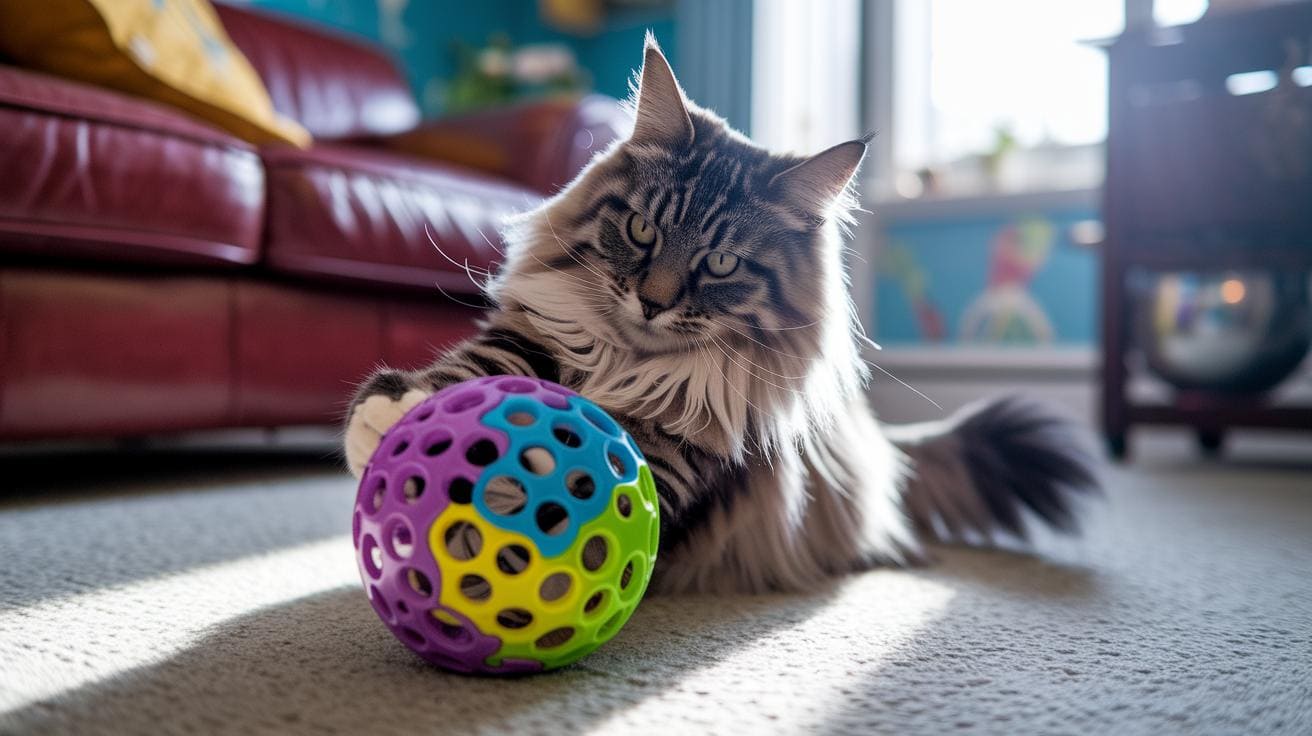
Think Maine Coon cats are sneaky hide-and-seek champs out for their own amusement? No way. These gentle giants aren’t lion (sorry, pun) when they pounce across the floor with a soft thud. Then they bump your forehead with a head bun (a fluffy bump of trust) to say hi!

In a blink they flop into your lap like a tiny dog in a cat’s body. It’s too cute. My pal Sarah’s Cooney does a toe-stalking routine at breakfast, whiskery nudges and all. Ever had that happen?

And they crave company. They can surprise you with a rumbling purr just when you need it. It’s so heart warming. Ready to find out why Maine Coons make such loyal, loving companions?

are maine coon cats friendly and loving companions
- Friendly and Sociable Nature of Maine Coon Cats.jpg

Lots of cat fans wonder if Maine Coons are cuddly or stand-offish. Guess what, they’re anything but aloof. These gentle giants have huge paws that feel more like playful thumps than kneads. Ever heard a soft “thud” as they chase a toy mouse across the floor?

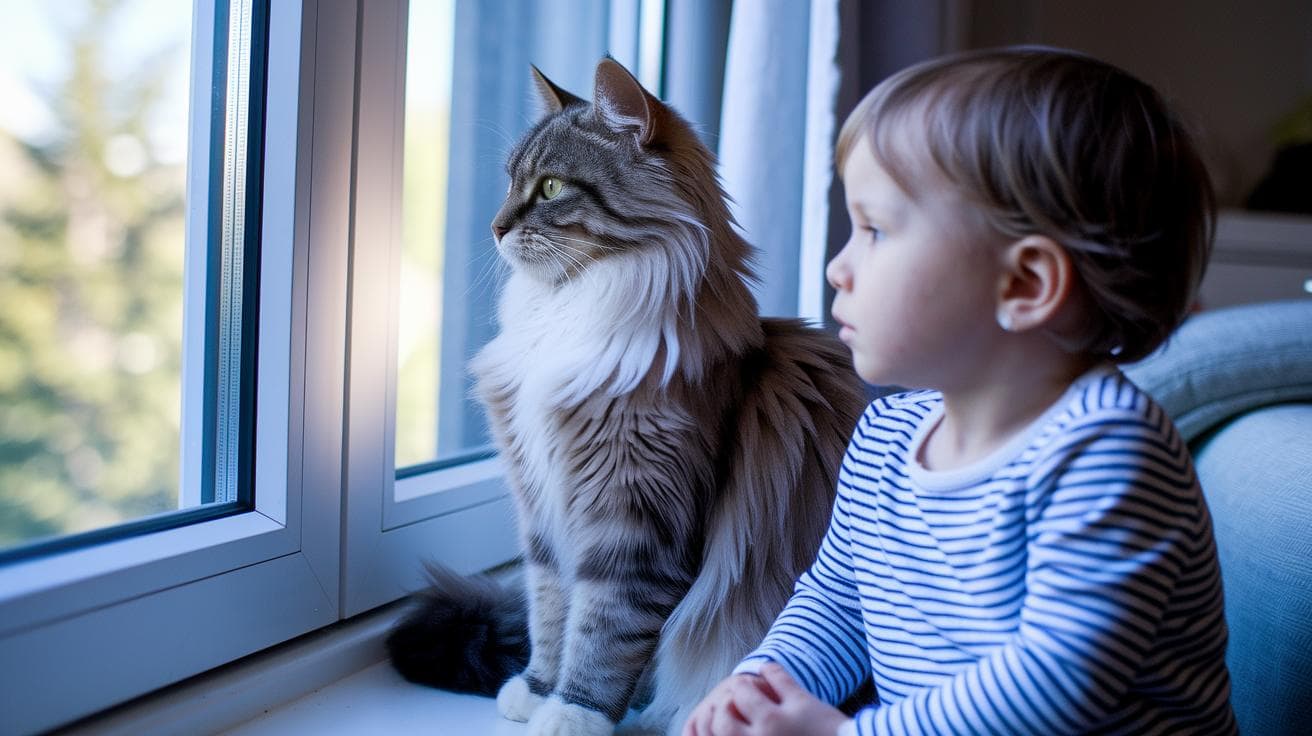
My friend Jamie’s Maine Coon waits by the window every morning, whiskers twitching until the family car pulls in. Another time, I met a kitten who bounded into my lap within ten minutes, proof that Maine Coon cats (even the youngsters) make fast friends.

Their big size comes with a calm, patient vibe. It’s like having a medium-sized dog curled up beside you, oops, let me rephrase that, they’re a fluffy cat with tufted ears (little fluffy tips) and a bushy tail (like a soft paintbrush). They handle noise and chaos way better than many breeds. Families with kids? These cats make charming roommates.

And here’s something I love: they crave company. They’ll follow you from room to room, nudge your hand when it’s time for a head scratch, or hop onto your keyboard as you type. Um, you know, like “Hey, pay attention to me!”

Worth every purr.

Affection Level and Bonding Tendencies of Maine Coon Cats
- Affection Level and Bonding Tendencies of Maine Coon Cats.jpg

Affection Signals

Maine Coons have a special way of letting you know you’re family. They use a few simple moves.

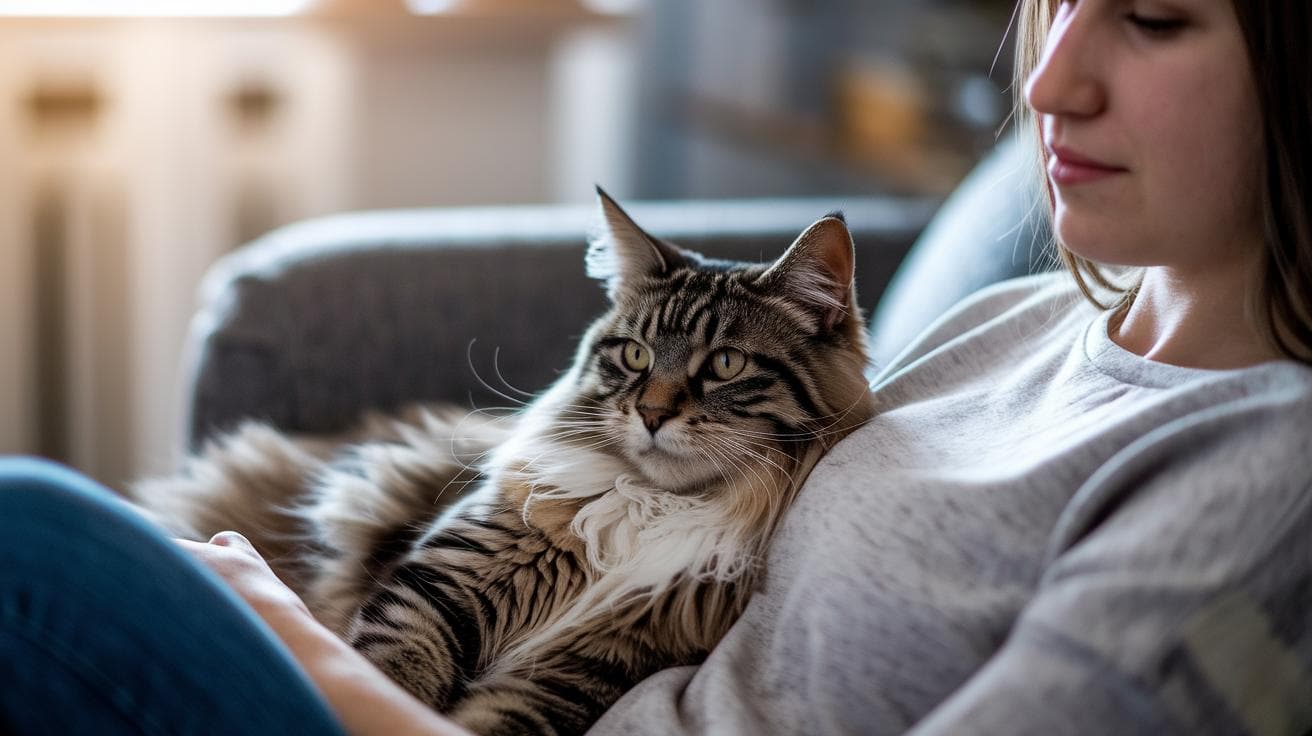
  • Head bunting. Your Maine Coon slides a fluffy forehead against you. It’s their way of saying I trust you. My boy Leo bunted my cheek then curled up by my side for a nap.
  • Lap hogging. Yup they’ll drape their big paws over your laptop and steal your lap. But that heavy purr and warm fur? Total heart melt.
  • Room following. Imagine a soft tail weaving between your ankles. Piper hunted me from kitchen to couch just for more scratches.
  • Toddler’s hug tolerance. They can sit through tight little hugs without flinching. Luna let my nephew squeeze her then tilted her head for a chin rub.
  • Morning mews. A gentle chirp and a soft paw at your door means it’s cuddle time. Mine taps and purrs until I join the snuggle party.

Interaction of Maine Coon Cats with Children and Dogs
- Interaction of Maine Coon Cats with Children and Dogs.jpg

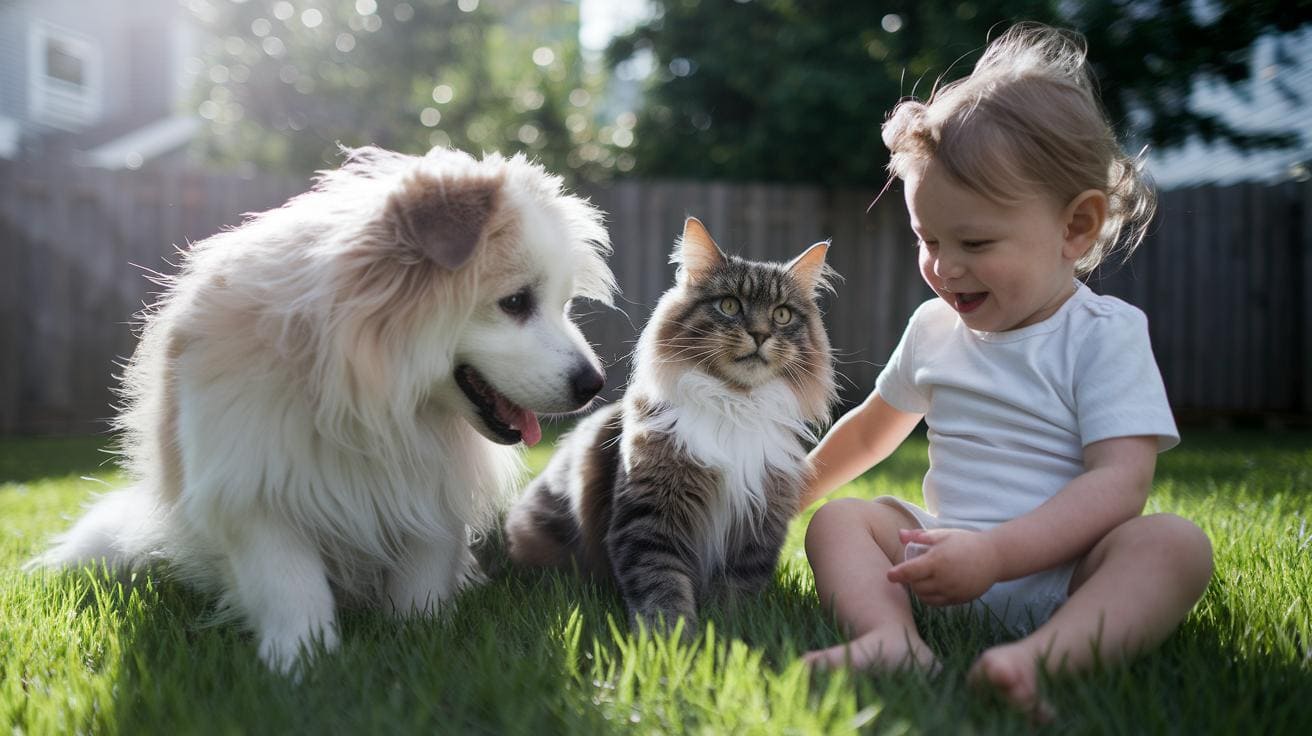
Maine Coons really don’t mind a toddler’s big hug or a little one chasing them in a superhero cape. I mean, my cousin’s kid once sprinted after Leo across the living room, and Leo just hopped onto the couch and purred like a champ. Ever seen a cat take that kind of rough play and stay totally cool?

When you add a dog to the mix, slow introductions are key. Pick a quiet room, sprinkle in some treats, and set up a comfy perch for your cat. Then follow these simple steps:

  • Pick a calm space and close the door so your cat can explore new scents without a zooming pup.
  • Place treats on both sides of a baby gate so everyone feels rewarded.
  • Let your cat climb a tall shelf or cat tree (like a kitty play tower) while your dog sniffs below.
  • After a few days, slide the gate so their noses can get closer. Offer a treat for every gentle sniff.
  • Clip a loose leash on your dog, hold it lightly, and let your cat take its time with a nose-to-nose hello.

My friend’s pup Baxter and my Maine Coon Piper took turns sniffing through the gate. Then Piper hopped down, gave Baxter a curious glance, and a few minutes later they were full-blown sniff buddies. Worth every paw-print moment.
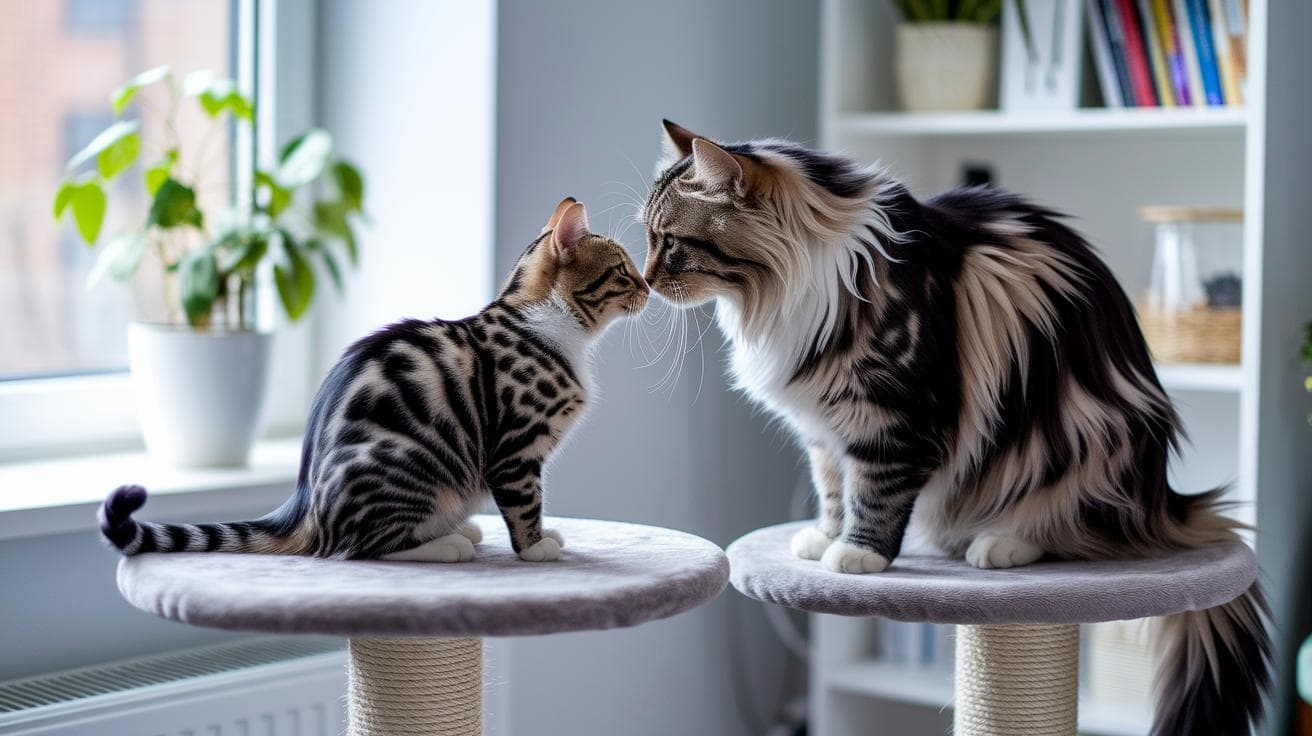
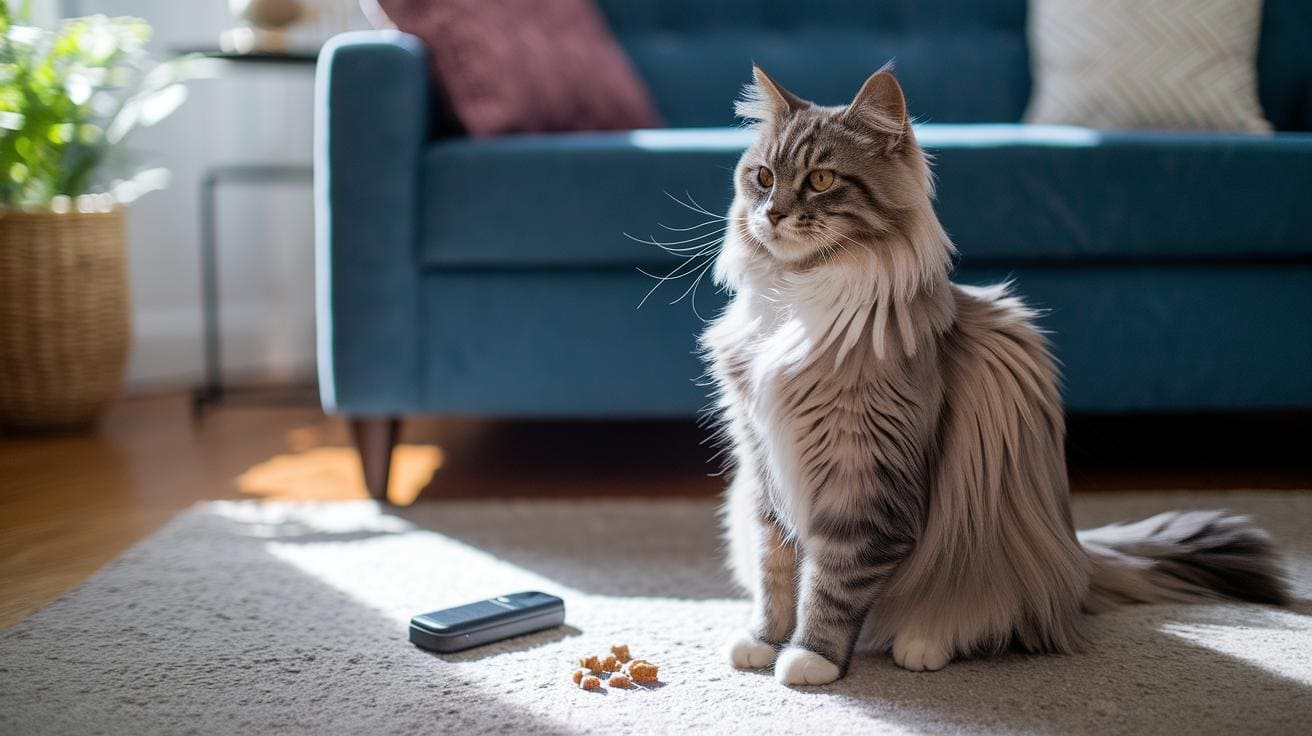
Social Needs and Introducing Maine Coon Cats to Other Pets

- Social Needs and Introducing Maine Coon Cats to Other Pets.jpg

Maine Coons often welcome new feline friends. But at first they might hiss or swat while they figure things out. That’s their way of saying slow down.

Give each cat its own safe space. Set up separate rooms with food dishes, litter boxes, and cozy beds that feel like little clouds. Over a week, swap blankets or toys so they learn each other’s scent. It’s like passing secret notes before you meet face to face.

Next, let them peek at each other through a cracked door or a baby gate. Offer treats on both sides. When their ears tip forward and their paws stay still, that’s a win. Gradually, oops, make that slowly, widen the opening over two to four weeks. Gentle sniffing or side-by-side play means you’re on the right track.

Time for the play date. Um, grab a feather wand or a motorized ball (that buzzes and rolls) to get their whiskers twitching. Watching them chase the same toy builds trust you can almost hear. Keep an eye out for tense bodies or low growls. If you see that, separate them and try again tomorrow.

In homes with three or more cats, vertical territory (high spots cats can climb) is a game changer. Install cat trees, window perches, and wall shelves (think paw-friendly step ladders). More levels mean less crowding and fewer hissy fits. And it’s a thrill to watch them parkour from perch to perch.

Patience is key. After a few weeks of scent swaps, peekaboo meets, and playful chases, these floofballs usually become cuddle partners instead of rivals. Worth every paw-print.

Encouraging Friendly Behavior and Training in Maine Coon Cats

- Encouraging Friendly Behavior and Training in Maine Coon Cats.jpg

Maine Coons are little geniuses. They soak up tricks like “come here” or fetch with just a handful of treats. My kitten Luna had her own mini fetch game down by treat number three!

Clicker training (a tiny device that makes a click sound) is perfect for marking good moves. You click. They get it. And soon they’ll link that click to a tasty nibble.

Here’s a simple play-by-play:

  • Keep it short. Five minutes before nap time is ideal.
  • Pair click and treat. Click (that clicker!), then give a nibble so they connect sound and snack.
  • One cue at a time. Say “come” in a cheerful tone, click when they start moving, then treat.
  • Turn a favorite toy into training. Toss a soft ball they can bat back, then click and treat when it rolls near you.
  • Reward calm greetings. When your cat head bunts or sits politely, click and offer a tiny bite.

Early social time sets the stage. Between two and seven weeks, gentle handling, new household sounds (vacuum roar, doorbell ding), and short play sessions build their confidence. A kitten that meets neighbors and explores different rooms grows into a bold, friendly companion ready to cuddle.

Consistency is key. Those short, fun training moments each day help your Maine Coon master manners and boost their playful spirit. Worth every paw-print.

Playfulness and Mental Stimulation for Maine Coon Sociability

- Playfulness and Mental Stimulation for Maine Coon Sociability.jpg

Your Maine Coon lights up when it’s on the hunt – chasing, pouncing, and fetching like a fluffy detective. You know, these gentle giants need daily play to keep both their paws and minds sharp. Ever watch a puzzle feeder (a snack-hiding toy) scoot across the floor? Their whiskers will twitch as they paw at it, learning cause and effect one tasty nibble at a time.

Here are some crowd-pleasers:

  • Soft ball fetch: toss it down the hall and enjoy that quiet thud.
  • Puzzle feeders stuffed with kibble or tiny treats for a quick brain workout.
  • Outdoor strolls on a harness (secure leash set-up) so your explorer can sniff safely.

Stack up climbing spots. A tall cat tree or wall-mounted perch (a small shelf just for paws) becomes their lookout tower. I once watched my girl pounce six feet onto hers – pure joy! Scratching posts (fiber-wrapped posts for healthy claws) satisfy that scratch itch.

Then swap in new toys – feather wands, motorized mice, or crinkly tunnels – every week and keep the play claw-tastic!

Some easy enrichment ideas:

  • A window perch for hours of bird-watching and street theater.
  • A scratching pad by the sofa to keep claws off your upholstery.
  • A stack of boxes or open paper bags for epic sneak attacks.

Mix these games into your daily routine and watch your Maine Coon’s friendly side light up. Stress will melt away as they nudge your hand or curl up for a cuddle.

Worth every paw-print.

Final Words

In the action-packed tour of Maine Coon charm, we saw how these gentle giants win hearts with dog-like loyalty, playful cuddles, and head bunts. You read about their bond-building tricks, patient play with kids and pups, and smooth introductions to feline friends.

Next, we explored clicker training gems and enriching games that keep them curious and calm. Tossing a puzzle toy or scaling a cat tree makes all the difference.

So if you’ve asked are maine coon cats friendly, rest easy. They’re warm, playful, and always ready to join the fun.

FAQ

Where can I find Maine Coon kittens for sale?

Maine Coon kittens for sale can be found through reputable CFA-registered breeders, rescue groups, or local shelters. Always check health clearances, visit the cattery in person, and ask about lineage and care practices.

Are Maine Coon cats expensive?

Maine Coon cats are expensive due to their pedigree, size, and breeder demand. Kitten prices often range from $800 to $2,000, plus ongoing costs for grooming, quality food, and regular vet visits.

Are Maine Coon cats friendly to humans?

Maine Coon cats are friendly to humans, earning gentle giant status. They form strong bonds, follow you around, head-bunt for affection, and love interactive play—making them warm, sociable companions.

Do Maine Coon cats get along with other pets?

Maine Coon cats get along with other pets when introduced gradually. They usually accept fellow cats and well-supervised dogs, enjoy multi-species play, and adapt to busy family life with their patient nature.

Are Maine Coon cats aggressive?

Maine Coon cats are not aggressive by nature. They’re calm and tolerant, rarely hissing or swatting. Early socialization and gentle handling help maintain their laid-back, friendly demeanor.

Are Maine Coon cats hypoallergenic?

Maine Coon cats are not hypoallergenic. Their long fur sheds and carries allergens. Regular brushing to catch loose hair and a HEPA air filter can help reduce dander around the home.

Do Maine Coon cats like to be held?

Maine Coon cats often like to be held and sit on laps, though individual preferences vary. They show affection through purring and head bunting, so gentle, respectful handling makes snuggle time more enjoyable.

What are the downsides of Maine Coon cats?

Downsides of Maine Coon cats include high grooming needs, a requirement for ample living space, and potential health issues like hip dysplasia and hypertrophic cardiomyopathy. Their size also means sturdier furniture and toys.

Are Maine Coon cats good house and family pets?

Maine Coon cats are good house and family pets thanks to their gentle, patient temperament. They handle children’s roughhousing well, adapt to lively households, and deliver loyal, dog-like companionship.

How do Maine Coon cats compare to other breeds?

Compared to Ragdolls or Persians, Maine Coon cats are larger and more active, needing moderate grooming. They’re hardier than Persians but less vocal than Siamese, offering playful energy and robust health.

Related Articles

Author

  • Lucas Turner

    Lucas Turner is an urban photographer based in Chicago, Illinois, known for his captivating images that highlight the pulse of city life. With a unique perspective, he captures the vibrant contrasts between architecture, people, and the urban environment, telling stories through his lens.

    Outside of photography, Lucas enjoys coffee shop hopping, exploring the diverse cafes around the city. He finds that each coffee shop has its own vibe, offering a perfect setting for creativity to flow. As he often says, “A good cup of coffee and a new view always inspire my best work.”

    Lucas’s photography is a reflection of his love for the city’s energy and the quiet moments found within it.

    View all posts

Similar Posts